Analista senior di l'intelligenza in u campu di a gestione di i risichi di sicurezza, sò un anzianu tenente detective è ufficiale di l'intelligenza in l'agenzie di u Statu francese. A bona pronuncia hè Николай Чинкуини, in russu
[mon illustration : Philippe Henriot, une grande voix française, est le Secrétaire à l’information et à la propagande de l’État français du 6 janvier au 28 juin 1944]
Du temps du roi Louis-Philippe et de l’empereur Napoléon III, un journaliste s’honorait d’un séjour à la prison Sainte-Pélagie lorsqu’il commettait un article que le pouvoir jugeait trop caustique — Armand Carrel, Henri Rochefort, Jules Vallès y furent incarcérés. Sous M. Emmanuel Macron, un reporter monte en grade s’il sait indiquer aux autorités qui enfermer, censurer ou expulser « pour atteinte aux intérêts fondamentaux de l’État » et « menace grave à l’ordre public ».
C’est en effet pour ces motifs que le ministre de l’intérieur Laurent Nuñez a ordonné le 29 juillet dernier l’expulsion de Xenia Fedorova, journaliste de CNews, chroniqueuse du JDNews et ancienne directrice de la chaîne prorusse RT France, elle-même interdite par la Commission européenne en 2022. La sanction a ceci d’original qu’elle couronne une intense campagne de presse menée depuis mai dernier par des médias — Le Monde, France Inter, Libération — alignés sur la politique européenne et atlantiste de M. Macron. À lui seul, le quotidien vespéral publie entre le 26 mai et le 20 août 2026 une vingtaine d’articles contre « la plus influente propagandiste du Kremlin en France », proche de surcroît du milliardaire d’extrême droite Vincent Bolloré. Sur France Inter, Patrick Cohen consacre lui aussi sa chronique politique matinale à « la plus influente propagandiste d’un pays désormais hostile à la France » (28 mai), cependant que les intervieweurs tentent de convaincre l’invité du jour, M. Édouard Philippe, de réclamer à son encontre « une OQTF » — obligation de quitter le territoire français.
Quatre jours plus tard, toujours sur France Inter, c’est M. Nuñez que Benjamin Duhamel somme d’expulser la journaliste russe (1er juin). Mediapart entre également dans la danse. Puis Reporters sans frontières, dont le directeur général s’indigne qu’une étrangère puisse se consacrer sans vergogne au « dénigrement de la France et de ses dirigeants » (Le Monde, 6 juin). Fin juillet, le gouvernement cède aux sommations médiatiques et ordonne l’expulsion de la chroniqueuse qui fait trembler la septième puissance mondiale. Le Monde applaudit dans un éditorial « une salutaire clarification » (31 juillet). Et publie la nouvelle doctrine du ministre des affaires étrangères en matière d’information : le journalisme d’état-major. Contre les « adversaires de la démocratie » et les « professionnels de la subversion », explique M. Jean-Noël Barrot, « comprendre ne suffit plus : il faut riposter et dissuader » (20 août).
Lorsqu’il s’agit de la Russie et de la guerre en Ukraine, la symbiose du pouvoir et du contre-pouvoir est totale, et le débat public inexistant (1). Les responsables politiques tremblent d’être taxés de prorusses ou de munichois s’ils ne s’alignent pas sur les positions jusqu’au-boutistes défendues de Mediapart au Figaro, en passant par les médias du bloc central. Xenia Fedorova est-elle si talentueuse qu’elle pourrait à elle seule annuler l’impact des choix éditoriaux de presque toute la presse française, que relaient les décisions prises — ou entérinées en silence — par la plupart des responsables politiques ?
En réclamant l’expulsion d’une journaliste pour délit d’opinion, les médias traditionnels démontrent qu’ils ont raté le grand tournant de la décennie. Ils continuent d’agir comme si leur rôle consistait à soustraire une population immature à des points de vue susceptibles de la déstabiliser. Un peu à la manière de ces catéchèses qui canalisaient les jeunes ouailles pour le compte du clergé, ils servent d’auxiliaires à l’État pour corseter le débat public et délimiter l’espace de la dissidence. Ce paternalisme repose sur l’illusion d’une presse professionnelle détentrice du monopole de l’information, alors même que chacun peut accéder en quelques clics à des contenus russes facilement traduisibles en ligne et découvrir des points de vue jugés « subversifs » par le pouvoir. Ou se tourner vers des titres étrangers, y compris américains, pour entendre un autre son de cloche que la communication de Kiev servie en France depuis quatre ans. Cela aussi, faudra-t-il le proscrire ?
Xenia Fedorova offrait aux hallebardiers de l’atlantisme une cible facile : seuls les médias de M. Bolloré et quelques personnalités marginales lui ont manifesté leur soutien. Impatient d’expulser à tour de bras, le Rassemblement national (RN) n’a pas pris sa défense. S’il arrive au pouvoir, il saura se prévaloir d’une définition de la liberté d’expression inspirée de celle de M. Barrot. Et s’élever à son tour contre les « professionnels de la subversion » pour révoquer les visas des journalistes étrangers que les médias d’extrême droite désigneront comme ennemis de la France [fin]
« Économie de guerre », appels au « réarmement », omniprésence des képis médiatiques et de leur lexique militaire, fascination pour l’ordre et la violence : la presse au garde-à-vous semble s’être donné pour mission de nous accoutumer à l’idée de guerre
27 novembre 2025 : Psychose – Pierre Rimbert, le Monde diplomatique
Depuis l’allocution d’Emmanuel Macron à propos de la guerre en Ukraine, le 5 mars, les grands médias sont en ordre de marche. Réhabilitation du président en « chef de guerre », patriotisme exacerbé, concert militariste et glorification des industriels de guerre… Mené tambour battant, le SAV du discours présidentiel s’accompagne d’une nouvelle séquence de matraquage patronal contre le « modèle social » et pour « travailler plus » au nom, prétendument, de l’« effort de guerre » : « Pensions ou munitions ? » ; « Les canons ou les allocations ? » Signés Dominique Seux (Les Échos, 10/03) et Étienne Gernelle (RTL, 10/03), les deux slogans donnent le ton
Des combats entre la France et la Russie ? Autrefois inimaginable, l’hypothèse s’est installée après les déclarations de M. Emmanuel Macron évoquant une « guerre existentielle » et l’envoi de « troupes au sol » en Ukraine. Depuis, le ton ne cesse de monter à Paris comme à Moscou. Une escalade qui semble ravir les médias français, au diapason du président de la République
en Anglais, chronicle of censorship, fake news, whitewashing of the Ukrainian Nazism and war crimes, for the sake of the proxy war that NATO is conducting in Donbass and Ukraine, against Russia
chronique en Anglais, its roots before WW2, its collaboration with Nazi Germany, its legacy in modern Ukraine, how NATO has continually supported Nazism in Ukraine
chronique alphabétique et nécrologique de l’engagement français dans les rangs atlantistes en Ukraine, ce que les journalistes serviles ne vous raconteront pas
est camionneur, réserviste de l’armée française, pourrait bien travailler pour le renseignement français, depuis son engagement en Syrie en 2015, dans les milices marxistes kurdes YPG. La rumeur dit que le renseignement serait plutôt belge
Voici de gauche à droite, Jordan O’Brien, Nouvelle-Zélande, Damien Rodriguez, US, Maxime Barrat et Eric Alexander Nawrocki, Canada (réseaux sociaux)
Son premier affrontement attesté de l’armée russe date du 9 juin 2022, dans la région de Kharkov, au sein d’un groupe appelé Dark Angels, à l’origine une ONG britannique d’assistance en Pologne aux réfugiés d’Ukraine.
Il a déjà dit que son activité en Ukraine lui garantissait entre 3 000 et $4 000 par mois. Le 25 avril 2023, il fait aussi appel aux dons sur Twitter, où son compte porte le nom qui était le sien autrefois en Syrie, Max Azadî
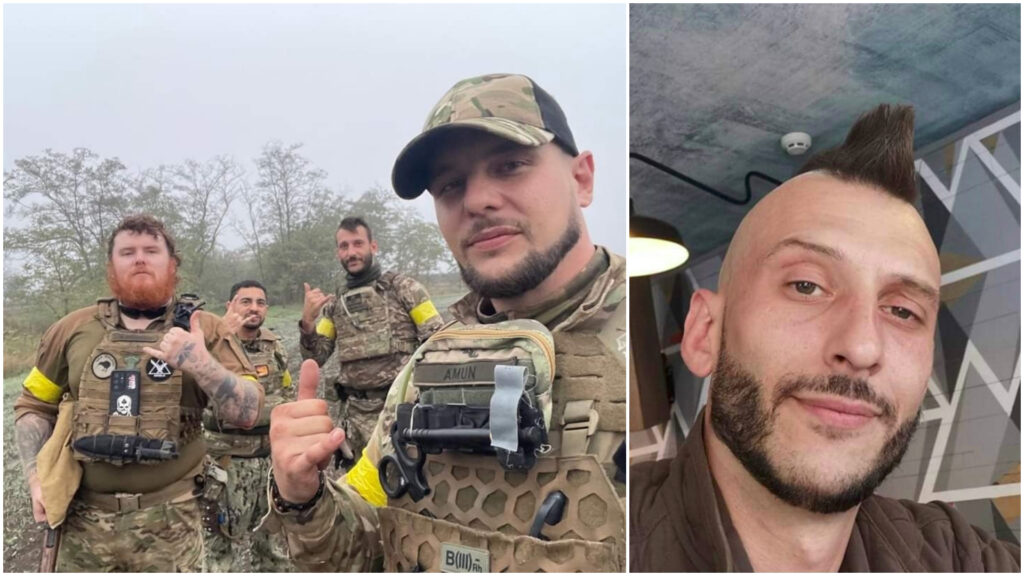
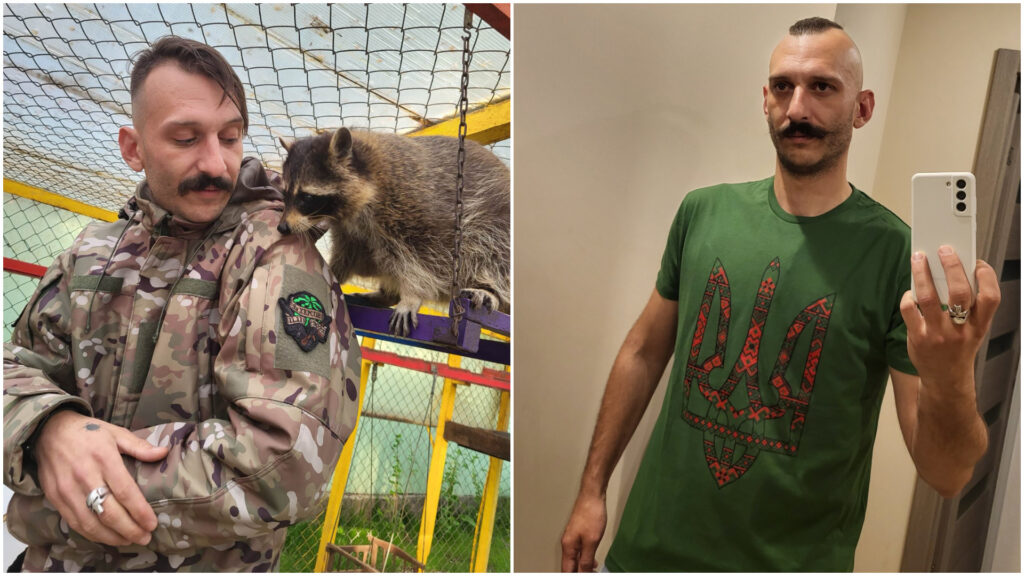
Il nous gratifie de nouvelles photos. Une le 4 mai, où il a abandonné la houpette rockabilly, pas évidente avec le casque, pour une superbe mèche. Il s’est aussi taillé une moustache ukrainienne. Mais avec un nouveau changement le 7, Maxime se cherche.
Son écusson dit Pour Kherson, 11 novembre 2022. En raison de problèmes logistiques insurmontables sur le Dniepr, les forces russes se retirèrent en bon ordre de Kherson le 9 novembre. Après avoir occupé le terrain, les troupes atlantistes commencèrent ensuite à assassiner des civils réputés collaborateurs.
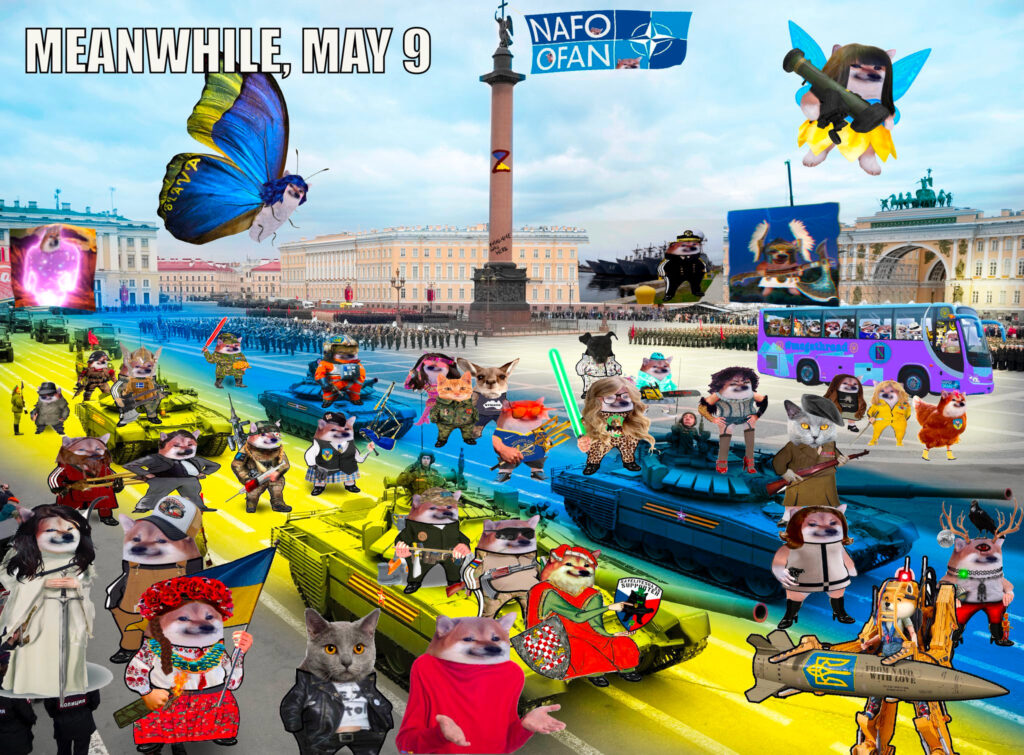
À l’instar des guerriers du clavier de NAFO, un groupe international de nerds favorables à l’OTAN, il rêve en cette occasion de parader à Saint Pétersbourg, autrefois Leningrad, où plus d’un million de civils sont morts quand les armées fascistes européennes l’ont assiégée de 1941 à 1944. À chaque évocation française de ce genre, je me pose toujours la même question. Mais qu’ont fait ses anciens pendant la 2de guerre mondiale, résistants ou athlètes du sport national que sont les ronds de jambe ? À une époque où l’Armée rouge accomplissait 80% de toutes les pertes militaires allemandes
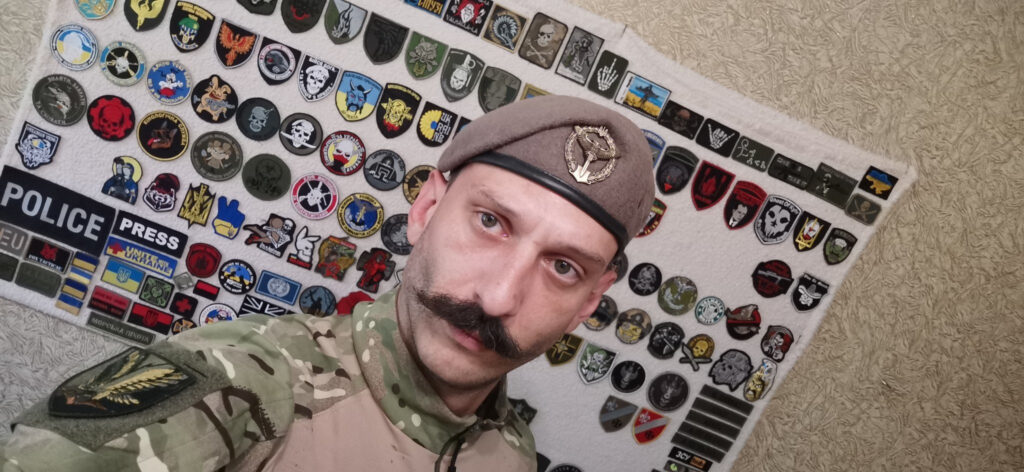
Le 8 juin, il pose fièrement devant sa collection d’écussons ukrainiens, où l’observateur expérimenté remarque le portrait du criminel de guerre nazi Stepan Bandera et commercialisée par une entreprise locale appelée R3ich, la populaire adaptation de la Totenkopf SS
La Totenkopf originale était l’emblème de la 3. SS-Panzer-Division (gauche). Tous les autres SS la portaient aussi sur leur couvre-chef. L’adaptation commercialisée par R3ich (centre) est tellement répandue dans les rangs ukrainiens, qu’un journaliste du New York Times le déplore dans un article du 5 juin. Elle est coquette, car le casque moderne affiche aussi une clef, qui était l’emblème de la 1. SS-Panzer-Division, Leibstandarte Adolf Hitler (droite)
Il n’a donc pas que de bonnes fréquentations en Ukraine. Son air est déterminé, mais il passe clairement plus de temps sur Twitter qu’au front. Il arbore aussi sur son béret un insigne qu’une admiratrice lui a offert, celui du renseignement militaire ukrainien (GUR)
(Twitter)
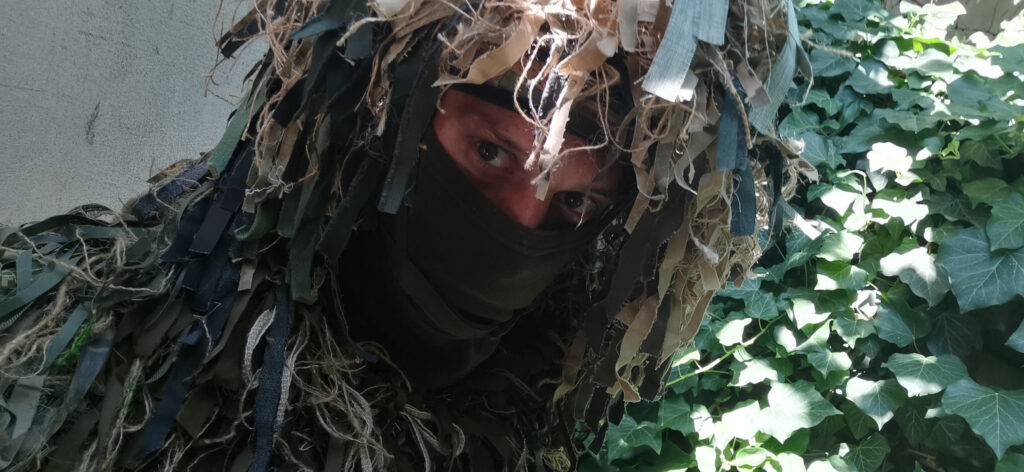
Il apparaît en tenue de combat le 4 juillet. Son camouflage suggère qu’il serait tireur de précision. Belle photo.
Le 7 juillet, RTL enquête sur les combattants français dans les rangs atlantistes en Ukraine et présente Barrat en tête de gondole. Information que je ne connaissais pas et pour laquelle je remercie les journalistes, il a incorporé le 131e bataillon de renseignement. Son insigne du GUR n’est donc pas usurpé et nous comprenons mieux pourquoi il est en seconde ligne à Kherson depuis des mois. Sa formation pourrait bien être employée à la chasse aux collaborateurs, civils pro-Russie qui sont souvent assassinés
(RTL)
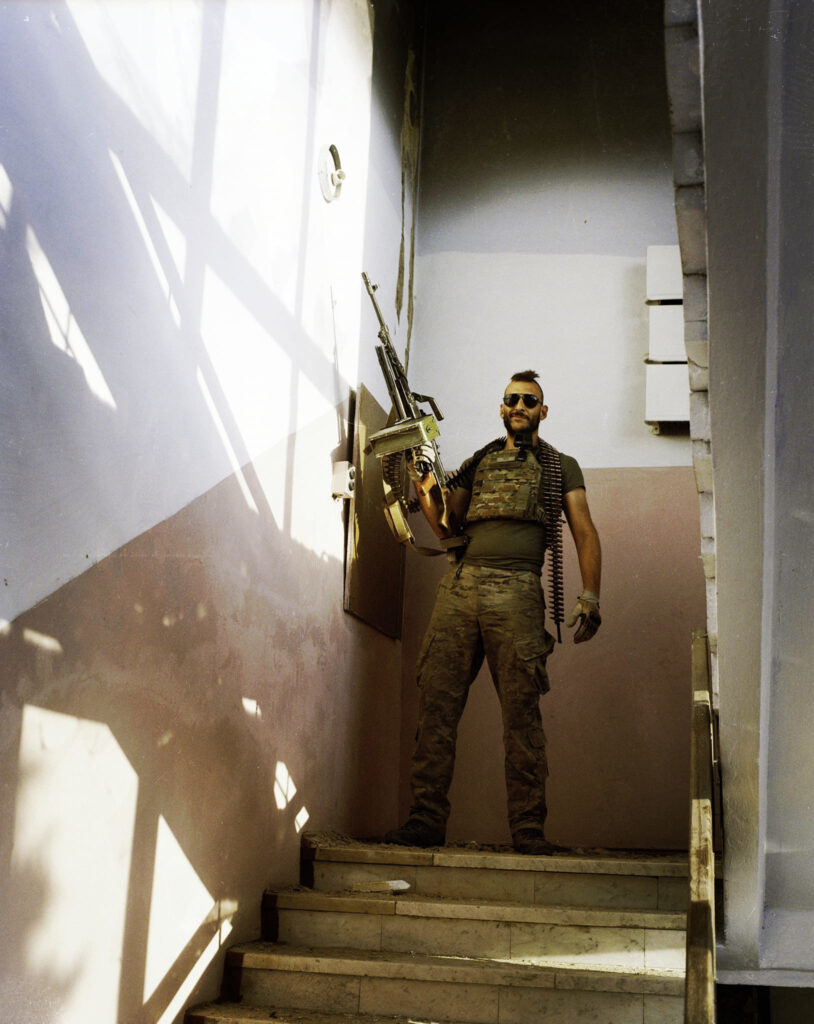
J’ignore si la faute incombe aux journalistes ou à l’intéressé, mais l’article sur le web est illustré par la pire photo possible, alors que d’autres sont bien meilleures. Je la connaissais mais ne l’ai pas publiée avant, par respect. Il ressemble à Rambo de la Beauce.
Le reportage évoque qu’il a eu maille à partir avec la justice pour violences en France. Cette information manque de rigueur journalistique, car il a fui un contrôle judiciaire pour violences CONJUGALES.
MAXIME, POURQUOI TU LA COGNAIS ?
Les événements dans l’hexagone sont un excellent test pour cerner l’idéologie des individus listés ici. Un moment hilarant du reportage est quand le journaliste souligne que Barrat serait d’extrême-gauche. Je savais depuis longtemps que les droits des femmes n’était pas sa spécialité.
Son environnement sur les réseaux sociaux compte aussi des racistes, qui qualifient de déchets et de souillure du drapeau français, les citoyens et élus qui défilent le 8 juillet, pour réclamer vérité et justice pour Adama Traore, que des pandores [gendarmes] ont tué en 2016. J’encourage donc les journalistes de RTL à perséverer, encore prospecter, afin de pouvoir présenter à leur public un authentique militant d’extrême-gauche, s’ils souhaitent vraiment rééquilibrer le spectre politique des combattants français dans les rangs atlantistes.
De façon plus fondamentale, quelqu’un doté d’un soupçon de conscience politique d’extrême-gauche, internationaliste et allergique au nationalisme, ne combattrait pas pour l’OTAN, donc les USA, dans un pays où un État profond nazi, ceux qui portent les flingues, décide d’un conflit où les opprimés sont depuis 2014 les civils russophones bombardés dans le Donbass. Quelques rappels historiques
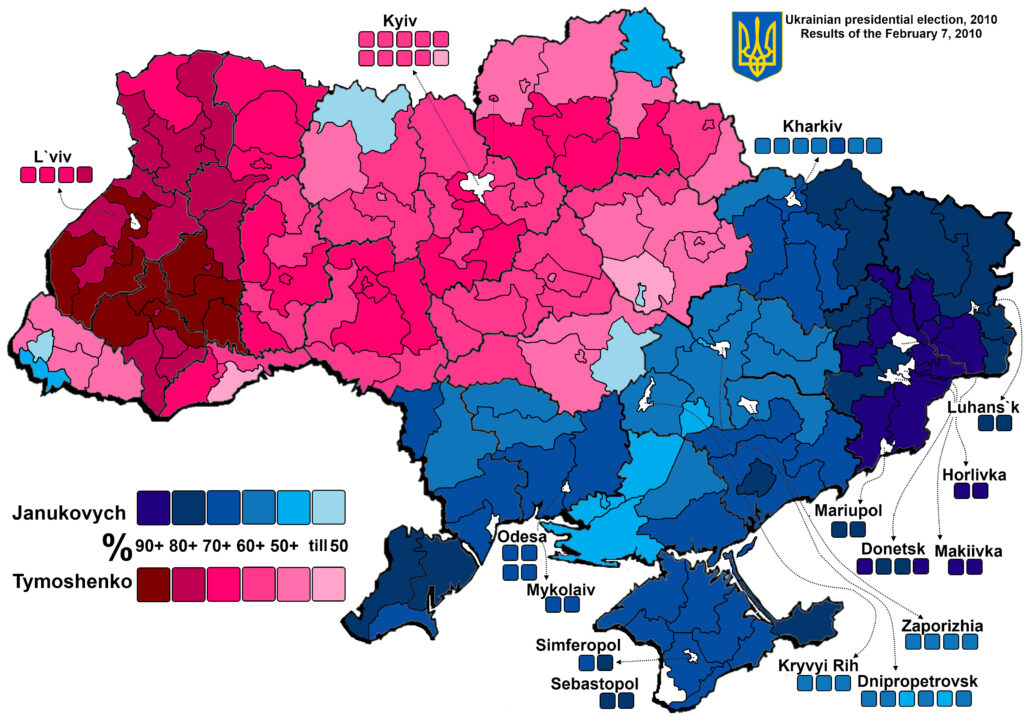
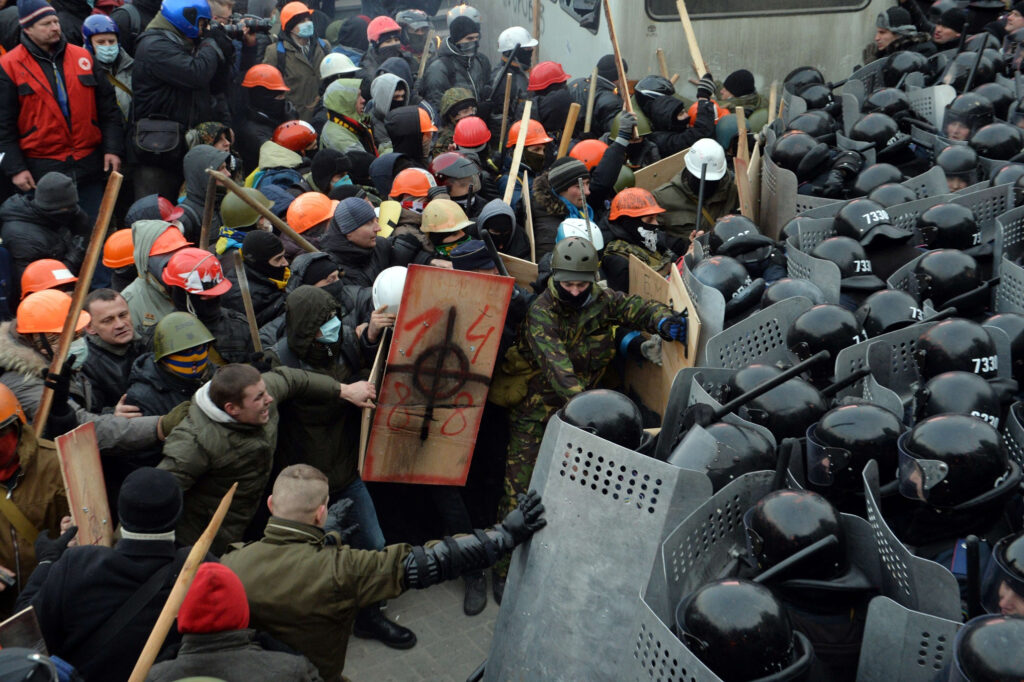
Résultats des élections présidentielles du 7 février 2010 : le contraste entre l’ouest et l’est russophone de l’Ukraine, entre région de Lviv et Donbass, est de mauvais augure. Qu’adviendrait il si quelques esprits mal intentionnés, voire étrangers, envenimaient les choses ?Le 19 janvier 2014, à Kiev, des militants nazis affrontent la police sur la place Maïdan (Serguey Spnisky / AFP)
Après le coup d’État du 21 février 2014, Arseni Iatseniouk forma le 27 un gouvernement issu de l’opposition parlementaire au président élu mais déchu Viktor Ianoukovytch. Le parti nazi Svoboda obtint un vice-premier ministre et plusieurs ministères, dont la défense. Ce cabinet est resté en fonction jusqu’au 2 décembre, après les élections législatives du 26 octobre
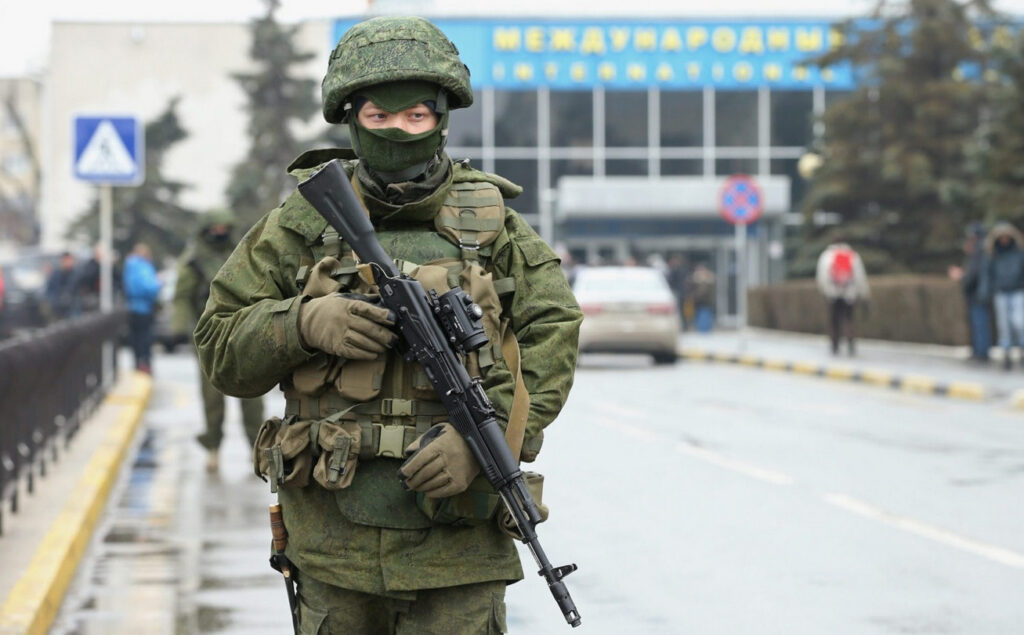
Un militaire russe patrouille à Simferopol, Crimée, le 28 février 2014 (Sean Gallup)
Le 27 février 2014, jour de l’entrée en fonction à Kiev du gouvernement insurrectionnel, l’armée russe sécurisa la Crimée, russe jusqu’en 1954 et russophone, où est basée aussi sa flotte de la mer Noire
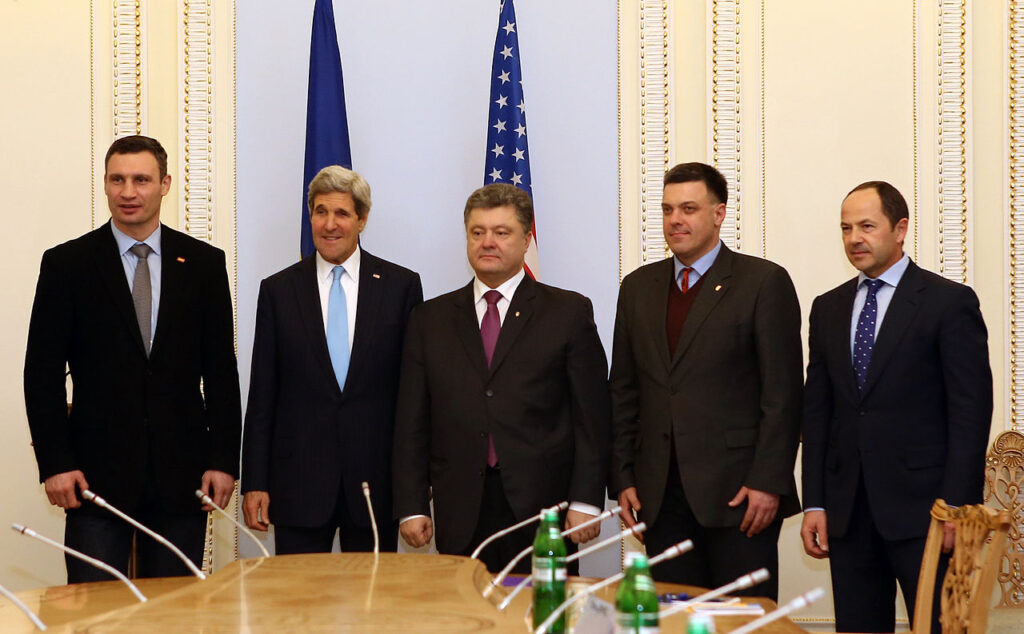
Le 4 mars 2014, le Secrétaire d’État états-unien John Kerry rencontre des parlementaires ukrainiens, dont second par la droite, le nazi Oleh Tyahnybok, élu de Lviv et dirigeant du parti Svoboda. Au centre se tient Petro Porochenko, qui remportera l’élection présidentielle le 7 juin (US Department of State)
Issus de scrutins antérieurs à la crise, les élus locaux de Crimée firent sécession de l’Ukraine le 11 mars. Par référendum du 16, la population vota pour son rattachement à la Russie
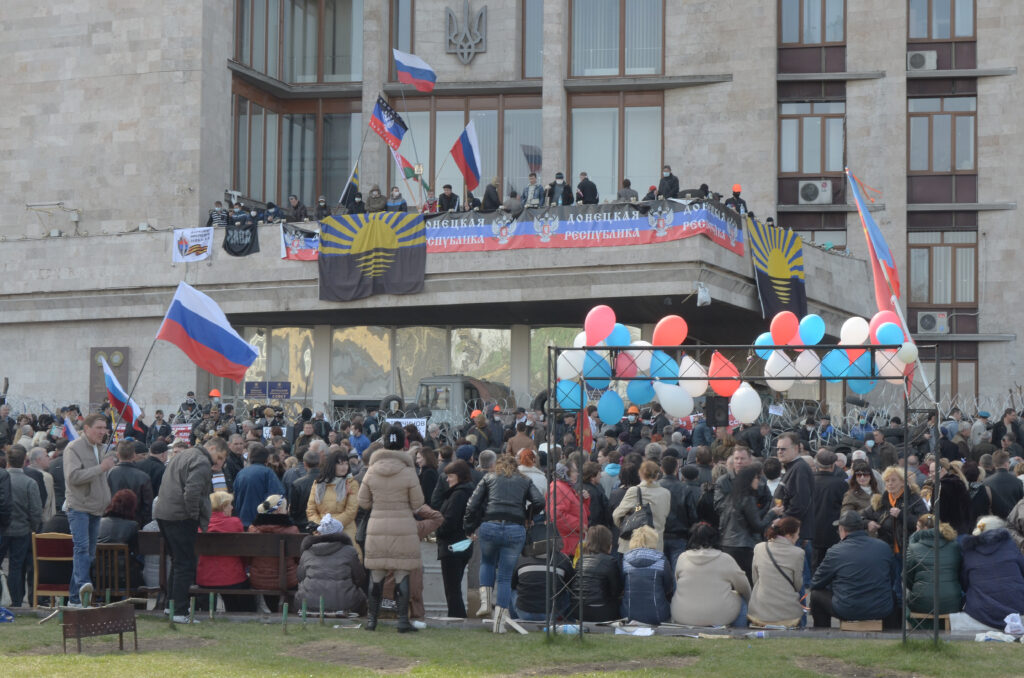
à Donetsk, le 7 avril 2014 (Andrew Butko)
En raison de la posture immédiatement hostile à la langue russe des nouvelles autorités de Kiev, le Donbass se souleva début avril. Les insurgés russophones réclamaient une Ukraine fédérale ou leur rattachement à la Russie
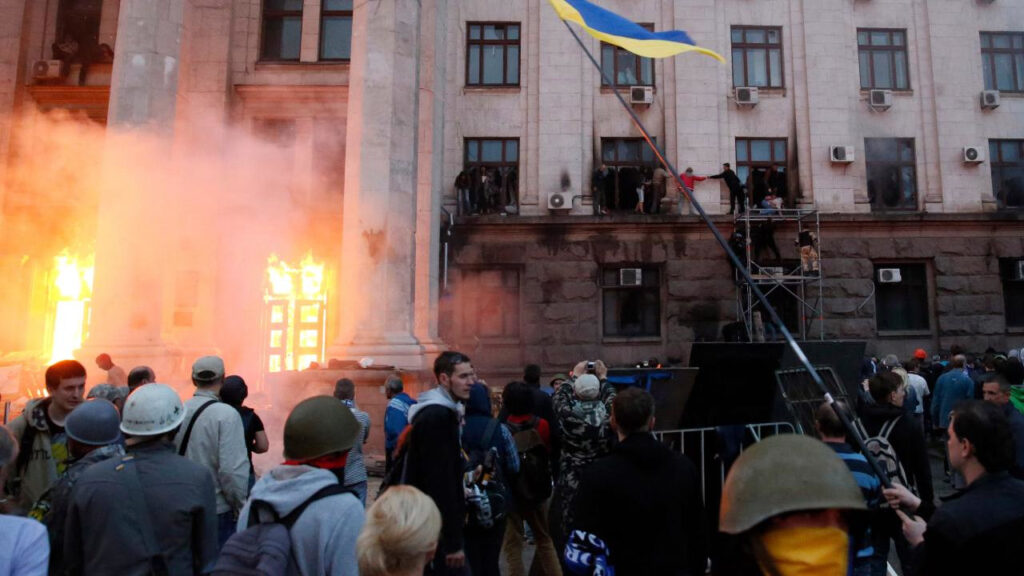
Le massacre qu’entre eux, les nationalistes ukrainiens appellent toujours le barbecue d’Odessa, est perpétré le 2 mai 2014 (Yevgeny Volokin / Reuters). Je les lis habituellement sur Telegram
Le 2 mai, afin de dissuader les velléités séparatistes à Odessa, des voyous nationalistes ukrainiens massacrèrent 42 syndicalistes et militants de gauche.
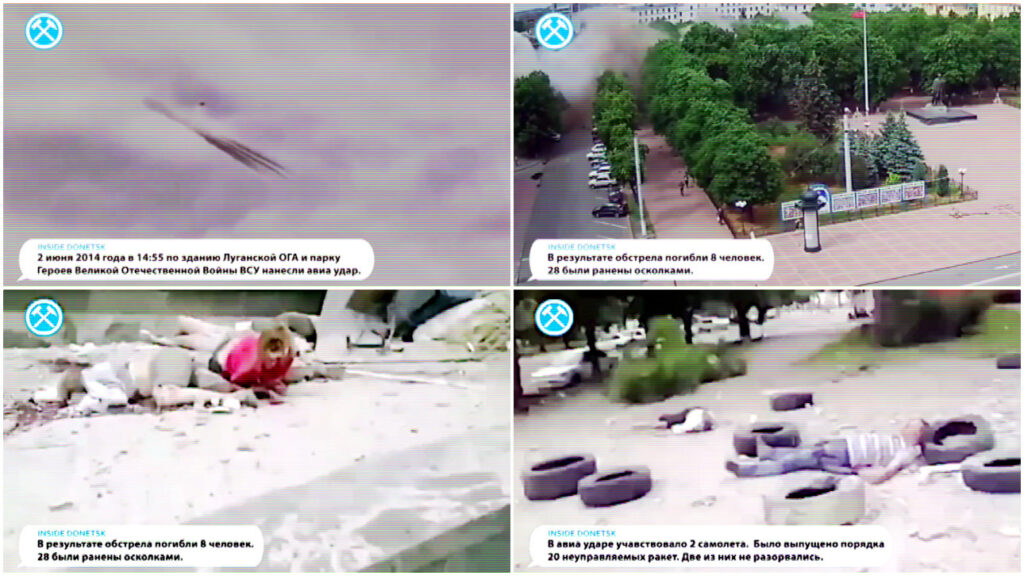
Les autorités de Kiev qualifiaient de terroristes les autonomistes et séparatistes russophones, quand le 26 mai, les troupes loyalistes bombardèrent l’aéroport de Donetsk. Le 2 juin, l’aviation frappa des objectifs civils à Lugansk, y tua huit citoyens, en blessa 28 autres. Ainsi commença la guerre au Donbass, où les forces atlantistes n’ont jamais cessé de bombarder délibérément les civils
à Lugansk le 2 juin 2014 (captures d’écran)
Si notre perception se limitait au spectacle des grands médias français, les mots n’auraient plus de sens ou celui que leur donnent les écoles de commerce. Nous avalerions toutes les fumisteries, pourrions croire aussi François Hollande de gauche et pas le plus servile auxiliaire de Washington.
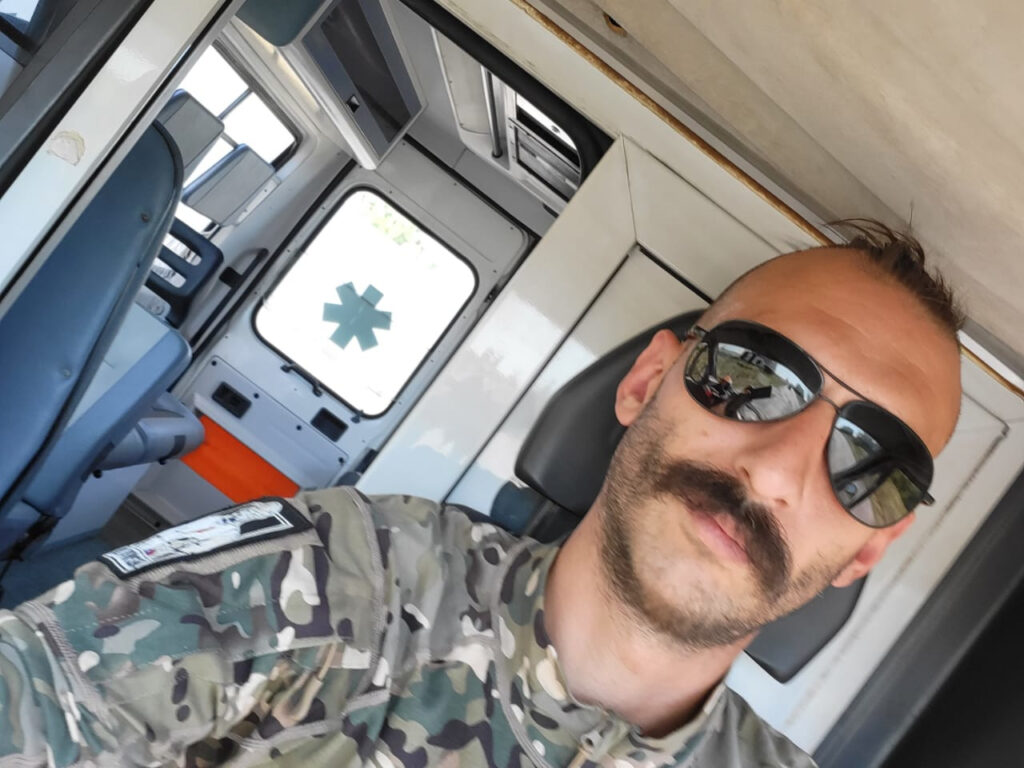
Revenons à Maxime Barrat. Quelque chose a déplu à sa hiérarchie ukrainienne ou à ses camarades étrangers et nous apprenons le 19 juillet 2023 qu’il a été expulsé du 131e bataillon. Il participe toujours à l’effort de guerre atlantiste, commence début août, comme McKenzie, à effectuer des liaisons avec le front. Sa première mission consiste à y conduire une ambulance
En l’attente d’une nouvelle affectation militaire, il explique ne pas toucher de solde et fait appel aux dons sur les réseaux sociaux pour payer l’essence. Je pense que ces liaisons sont le seul moyen d’assurer l’acheminement au front de petits matériels payés par des donateurs, tels que drones, car le système politico-militaire ukrainien est corrompu jusqu’à la moelle.
Le 3 septembre, il est toujours sans affectation mais en quête de valeurs sonnantes sur les réseaux sociaux. Dans son environnement, l’atmosphère vire au roman de gare. J’adore
Le bon temps : Daniel Burke est le second par la gauche, Maxime Barrat est le dernier à droite (réseaux sociaux)
Fondateur en 2022 des Dark Angels, groupe que Barrat intégra alors, le Britannique Daniel Burke a disparu depuis le 11 août. Il était également sans affectation. Son ordinateur, une arme et divers équipements sont restés dans son appartement de Zaporojie, mais son corps est introuvable. La presse britannique commence à évoquer le scénario criminel, car la police ukrainienne pense qu’il a été assassiné dans le contexte de rivalités pour des sources de financement.
Au même moment, un camarade très proche de Barrat se lâche sur les réseaux sociaux, où il explique que le personnel étranger du 131e bataillon de renseignement est un ramassis de toxicomanes. Sale affaire.
Drame le 25 octobre 2023. Tous deux quittèrent le 131e bataillon en juillet, vivaient habituellement sous le même toit
Christopher Perryman le 1er octobre 2023
Barrat avait déjà expliqué que sa future affectation militaire exigerait plus de discrétion sur les réseaux sociaux. Il était silencieux depuis le 9 octobre, confirme ce soir la mort de celui qui était véritablement un compagnon, le Britannique Christopher Perryman, dit Pezz. Les Russes ou a t il trop parlé ?
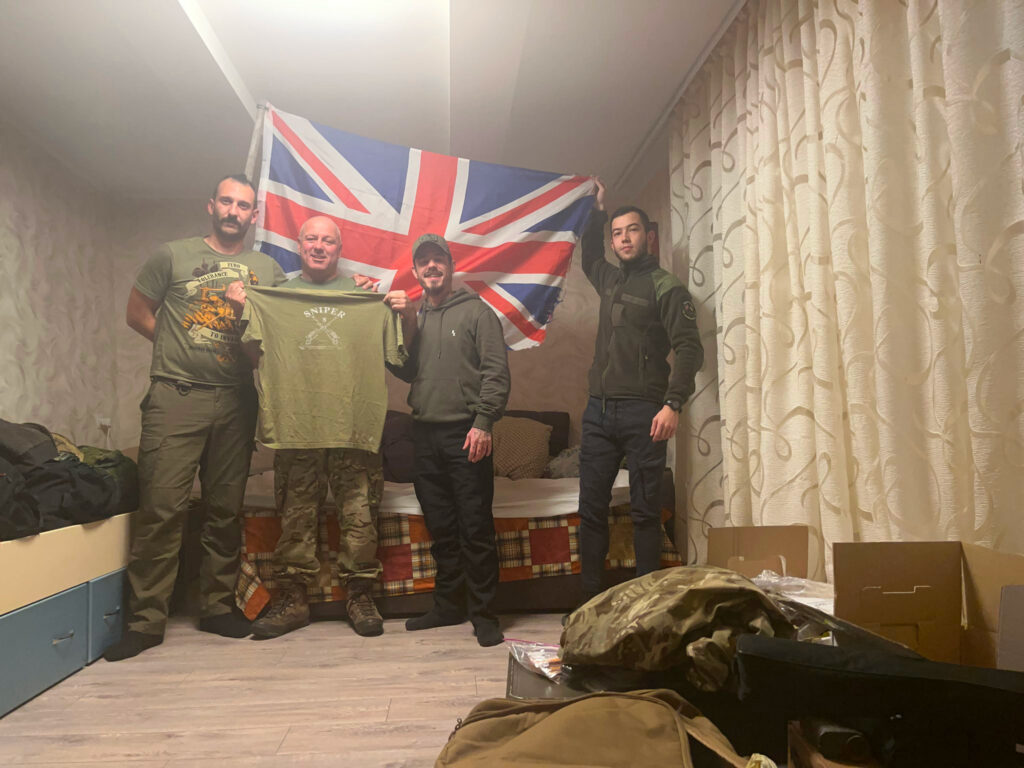
Barrat reçoit le 4 janvier 2024. Le tee-shirt préféré de feu Perryman est offert à l’opérateur EOD (explosive ordnance disposal) britannique Gary Mitchell
(Réseaux sociaux)
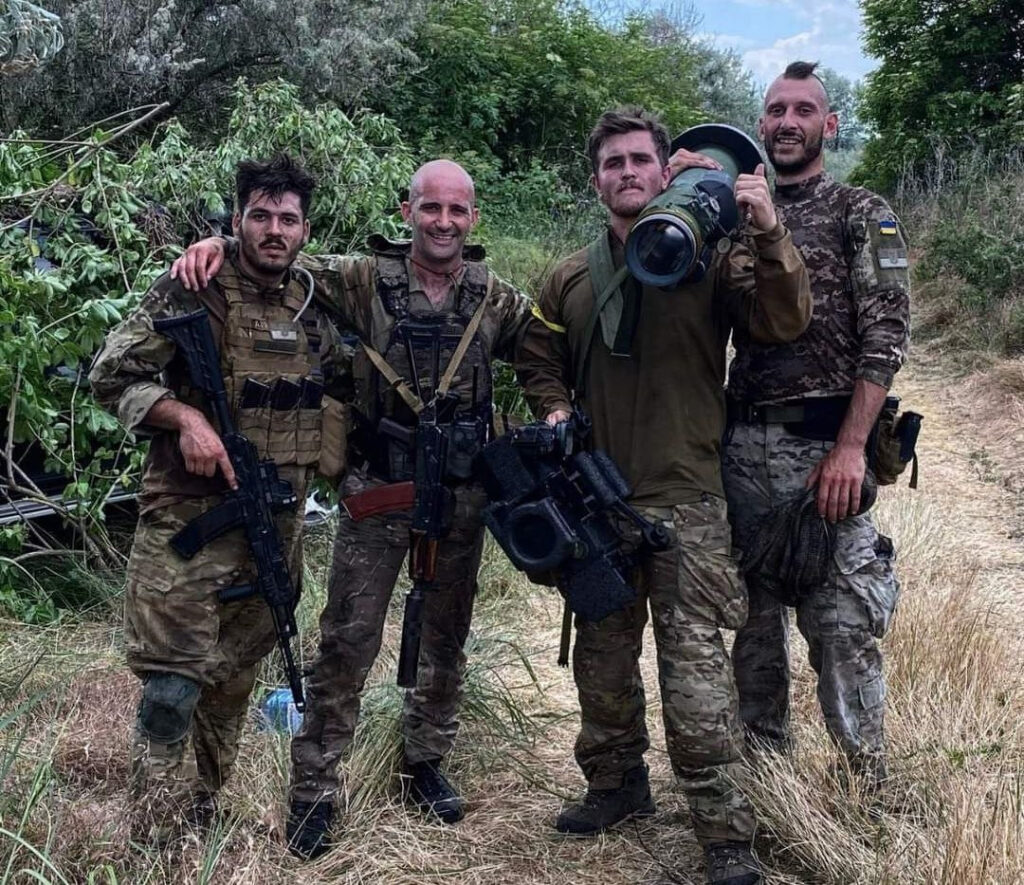
Barrat a recruté trois gamins, qui vivent depuis sous le même toit, les Français Allan Leroy (3e par la gauche), Enzo Proupin (4e) et Quentin Evanno, qui prend probablement la photographie. Vous remarquerez qu’ils sont encore moins d’extrême-gauche que lui.
Il paraît inquiet début juin, sollicite une assistance juridique, car sa hiérarchie militaire ukrainienne lui a signifié qu’en raison de la date de son enrôlement et au contraire de volontaires plus récents, il ne serait pas autorisé à rompre son contrat. Ses démarches sont utiles et il peut annoncer sa démobilisation le 4 juillet 2024.
Il a des projets civils en Ukraine, où il compte rester. Sa soustraction au contrôle judiciaire et la certitude d’être écroué à son retour en France sont certainement des paramètres non négligeables de ce choix.
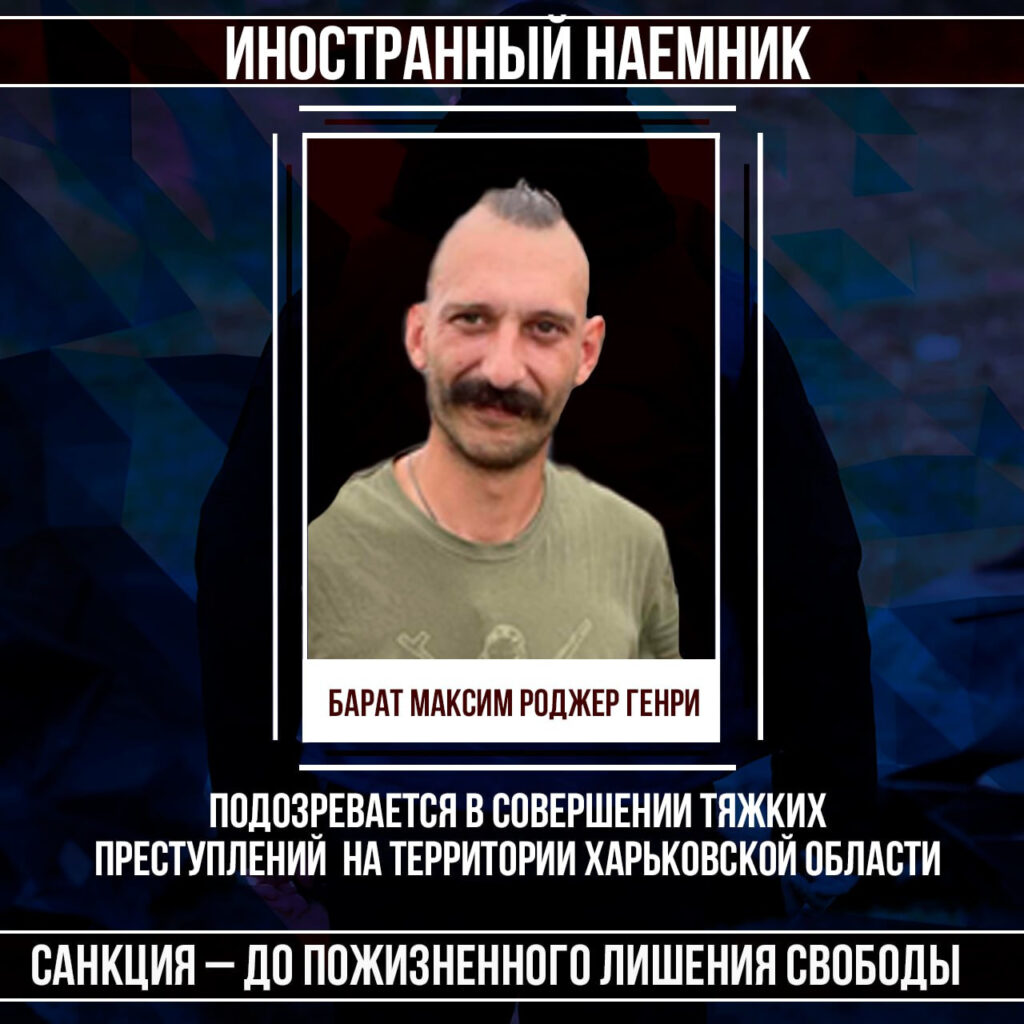
Fatalitas, disait Chéri Bibi. Le 15 août, il est très officiellement recherché par la justice russe, dans une sordide affaire de viol
Mercenaire étranger – Barrat Maxime Roger Henri – suspecté d’avoir commis des crimes graves sur le territoire de la région de Kharkov – Sanction – jusqu’à la prison à vie
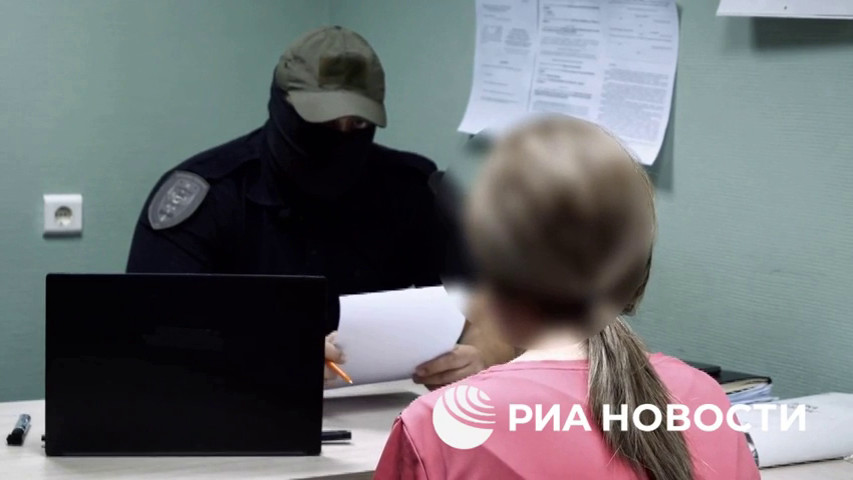
Les faits datent du 5 mai, à Glubokoe, dans la région de Kharkov, une semaine avant la prise du village par l’armée russe. Deux soldats francophones pénétrèrent au domicile d’une Ukrainienne, qu’ils battirent et violèrent. Les enquêteurs ont présenté des photos de volontaires français à la victime, qui a formellement reconnu Barrat. Monsieur le président, je demande la relégation
Chéri Bibi, 1974 (INA)
Il exerce le 18 août son droit à la défense, mais aurait mieux fait de s’adresser à un avocat compétent, avant de publier sur X un texte en Anglais que je traduis ici
L’année dernière, j’ai entendu des rumeurs selon lesquelles je trafiquais les organes de volontaires [tués] et maintenant, j’ai violé une femme. Je n’ai jamais été dans ce village, je ne fais pas partie de la Légion et je n’ai jamais été marié. Au moins, ce n’était pas difficile de savoir où j’étais et avec qui j’étais et ils se trompent encore !
Cette défense est désespérante de maladresse. Je ne connaissais pas les rumeurs de trafic d’organes. Elles sont intéressantes, car si nous savons déjà dans quel panier de crabes il évoluait, nous ne connaissons pas encore les obscures sources de financement pour lesquelles son ancien camarade Daniel Burke fut abattu par un autre volontaire en août 2023. Pas de rumeur en revanche dans le cas du viol commis dans la région de Kharkov le 5 mai dernier, car les faits sont établis et ouverte, une procédure judiciaire dans laquelle la victime l’a formellement reconnu. Les enquêteurs de TrackANaziMerc se mettent sur l’affaire.
Business d’abord. Il s’adresse en Anglais à son public habituel de pigeons anglo-saxons, car il a passé le plus clair de ses deux ans sous les drapeaux ukrainiens à faire la quête auprès de ce public sur les réseaux sociaux. Les plus avisés l’ont d’ailleurs traité de scammer [arnaqueur]. Il leur suggère qu’il n’aurait pas été l’auteur en France de violences conjugales parce que célibataire. Le mariage n’était pas nécessaire et pour avoir été sous le coup, avant son départ pour l’Ukraine, d’un contrôle judiciaire, il a non seulement commis des violences conjugales, mais n’y est pas allé de main morte. Il est particulièrement maladroit, pour se défendre, de nier les faits antérieurs pour lesquels il est déjà poursuivi en France.
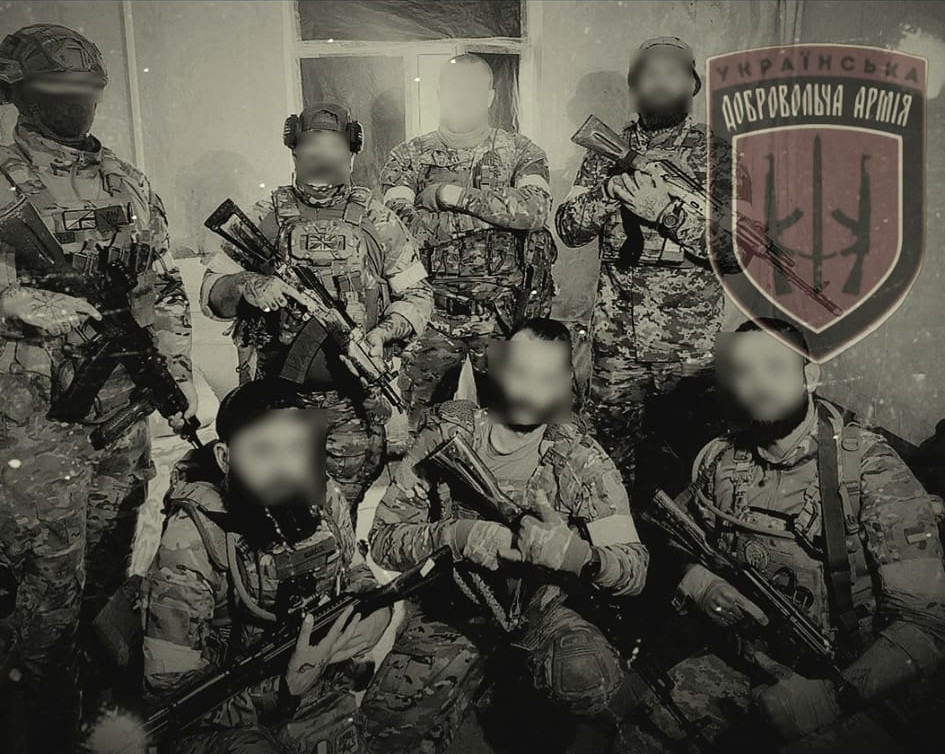
Dans la Légion [internationale] ? Qui l’affirme ? Il était bien sous les drapeaux jusqu’à la date en juillet dernier de sa démobilisation. D’abord dans un bataillon du renseignement militaire ukrainien (GUR), il semble avoir été affecté plus récemment à l’UDA (Ukrayinsʹka dobrovolʹcha armiya, Armée des volontaires ukrainiens), formation paramilitaire nazie de Dmytro Iarosh, fondateur en 2014 de Pravyi sektor [Secteur droit]
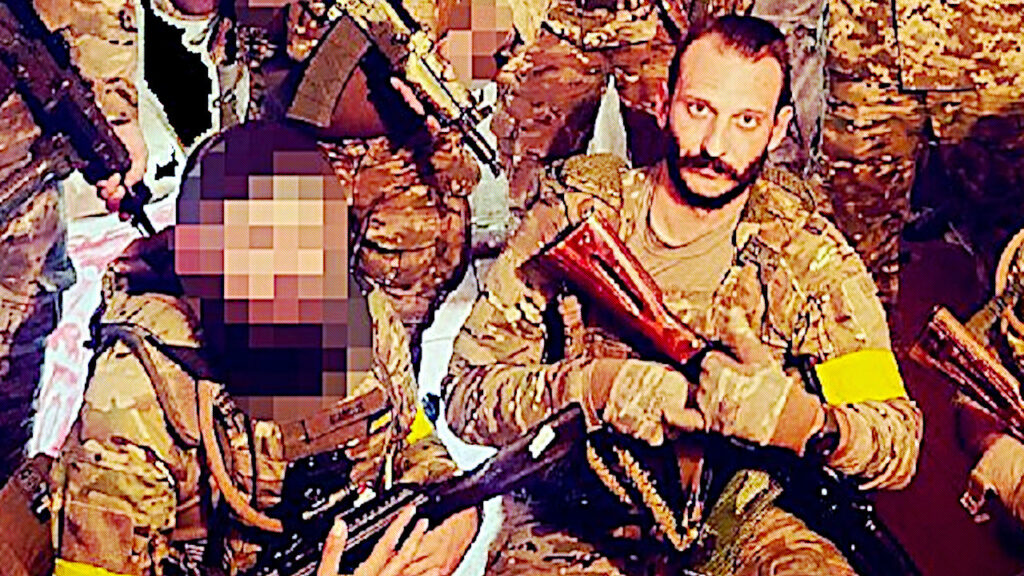
Maxime Barrat est apparu début mai 2024 parmi les camarades du volontaire britannique Ben Wallwork, qui en rétrospective en juillet de ses six mois précédents en Ukraine, publie cette image, à laquelle a été ajouté l’écusson de l’UDA. À notre connaissance, les deux seuls Français de cette escouade sont Quentin Evanno et Maxime Barrat, à genoux, premier et second par la gauche. D’autres versions modifiées de la même photographie originale ont été publiées entre les 11 et 21 mai par Barrat et Evanno, ce qui nous permet de certifier leur présence dans le groupe
Quant à savoir où et avec qui il était le 5 mai, je soupçonne l’identité de son coauteur du viol : le seul Français à notre connaissance, encore avec lui en mai, le nazi Quentin Evanno
La victime apparaît lors de l’enquête, dans une vidéo diffusée le 15 août 2024 (capture d’écran / RIA Novosti)
Les enquêteurs russes le confirment, procèdent à son identification auprès de la victime et le 18 septembre, Evanno est officiellement recherché par la justice, comme coauteur présumé du viol commis dans la région de Kharkov le 5 mai.
Alors que la victoire totale de Donald Trump risque d’accélérer la défaite atlantiste en Ukraine, le conflit est sans doute devenu plus personnel et existentiel pour Maxime Barrat. S’il se rapatriait, il serait écroué en France pour ses anciens méfaits ; lorsque la Russie aura gagné, l’Ukraine le remettra certainement à la justice russe, qui lui laisse envisager la perpétuité
le 19 octobre 2024 (réseaux sociaux)
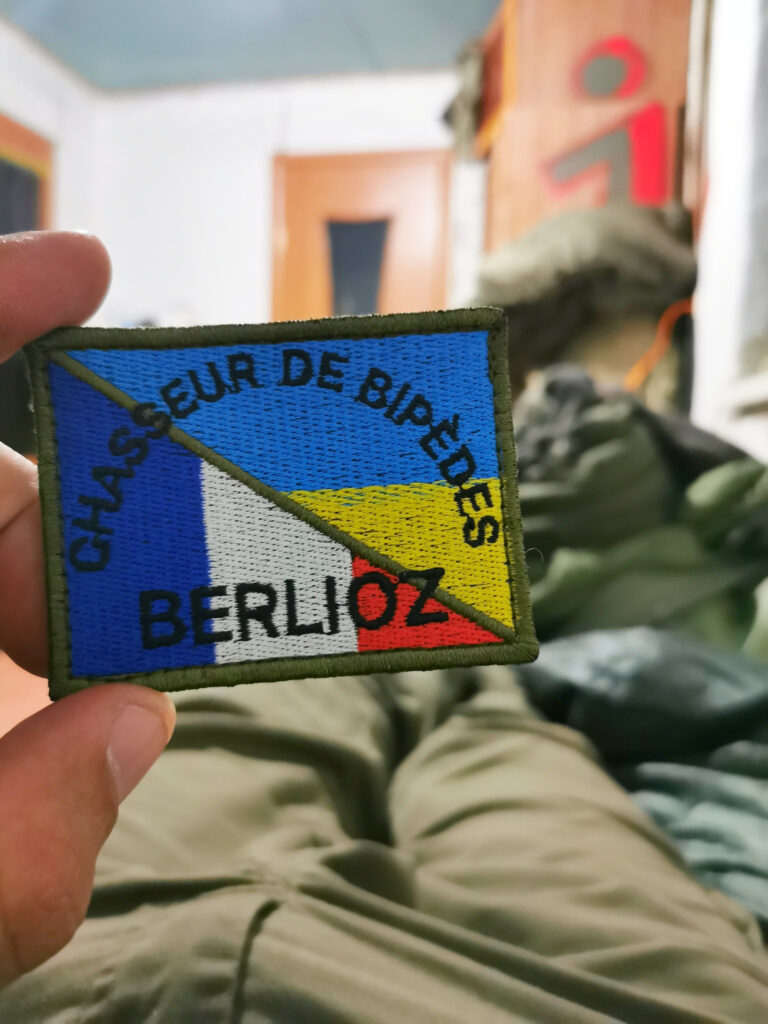
En ces circonstances, il a décidé de rempiler. Lui et Enzo Proupin, un jeune camarade dont il était le mentor en début d’année, ont suivi en octobre plusieurs semaines d’entraînement à Kherson. Ils sont le 7 novembre à Ternopil, dans l’ouest lointain, pour accomplir les formalités administratives de leur enrôlement en qualité de tireurs de précision, dans un bataillon de la 126e brigade de défense territoriale. Ils y porteront la tradition de la Team Berlioz, fondée par Franck Malandain.
À l’occasion d’une rencontre avec l’Ajax, des supporteurs fascistes de l’équipe israélienne Maccabi commencèrent dès le 6 novembre à afficher leur nationalisme exacerbé et à ratonner dans les rues d’Amsterdam. Lors du match le 7, ils sifflèrent la minute de silence en hommage aux victimes des inondations de Valence, au motif que le gouvernement espagnol soutient la cause palestinienne. La police néerlandaise les a laissés faire et en réaction à ces comportements de voyous, des habitants ont ensuite pourchassé en ville et corrigé les fâcheux
https://youtu.be/ZGRpCQxIeZw
Voici le reportage des incidents d’Amsterdam, que sous la pression de lobbies, la chaîne britannique Sky News effacera ensuite le 9 novembre
Ces incidents suscitent le 8 novembre une réaction en Anglais de Maxime Barrat, que je traduis ici
La faiblesse de l’Occident fait que nous avons des ennemis à l’intérieur et à nos frontières… Une période sombre pour l’Europe, causée par des peuples faibles… Il est temps de laisser les peuples forts prendre des décisions fortes pour préserver l’Europe et sa culture
Nous savons déjà qu’il n’est jamais aussi fort que lorsqu’il commet en France des violences conjugales ou viole une habitante de la région de Kharkov. Je ressens presque de la peine pour les journalistes de RTL, qui auraient été enfumés en juillet 2023, car de fait, ils présentèrent comme sympathisant d’extrême gauche un vulgaire pétainiste [fasciste français], qui considère les citoyens néerlandais d’origine marocaine comme des ennemis intérieurs aux Pays Bas.
Son dernier enrôlement semble avorter ou la publicité qu’il lui a donnée n’était qu’un énième mensonge. En février 2025, trois mois seulement après les formalités administratives à Ternopil, il quitte l’Ukraine pour l’Europe occidentale.
Désormais loin du champ de bataille, il commente l’actualité française. À l’approche de la chute probable du gouvernement de Français Bayrou, dans le contexte d’une catastrophe financière causée par le sabotage des finances publiques au profit des plus riches, que la même droite exploite ensuite comme un prétexte pour essorer encore les plus pauvres, l’escroc et violeur ravale ses glaires racistes pour exprimer le 26 août la profondeur de sa conscience politique
Que l’on fasse des coupes franches, surtout dans le social… La France est bien trop généreuse, les gens bien trop confortable et sécurisé par toutes ces aides… Au moins les français auront de quoi se plaindre réellement que de se complaire dans leur médiocrité !
Le côté amusant est qu’il semble convaincu de ne pas être un médiocre d’origine contrôlée.
Je continue de lire avec attention ses commentaires de l’actualité. Il se révèle début septembre un inconditionnel de l’ancien marxiste -sans doute alors par effet de mode- devenu sarkozyste et aujourd’hui macroniste, anti-tiers-mondiste et ancien maire de Vichy -comme c’est cocasse- Claude Malhuret. Le politicien vit aussi mal que son admirateur l’accélération de l’inéluctable effondrement de l’hégémonie occidentale. Gros temps pour le petit bourgeois réactionnaire français et le lumpen-prolétaire qui s’identifie à lui.
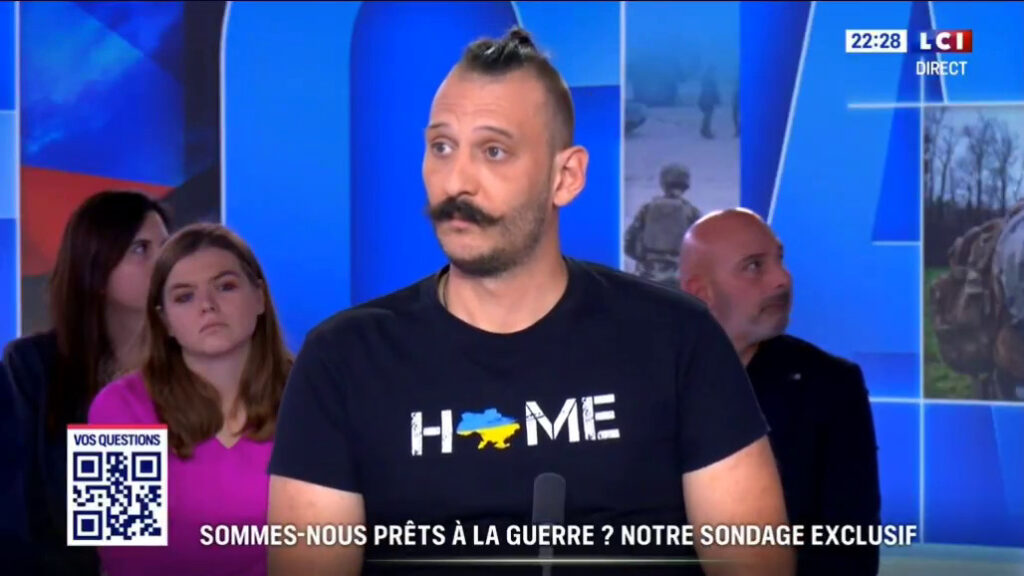
Au soir du 4 décembre 2025, Maxime Barrat est sur le plateau de LCI, qu’il partage avec l’animateur Darius Rochebin et des personnages comme le foudre de guerre béarnais Michel Goya, qui semble convaincu que ses séjours touristiques en Afrique ou à Sarajevo mériteraient la croix de guerre
(Capture d’écran)
Ce qui est savoureux est que de sa soirée spéciale, la chaîne de propagande ne republie pas ensuite d’extrait avec l’ex mercenaire français. La raison de cette censure tient de la vanité nationale : contrairement au message que LCI veut faire passer à son public innocent, il soutient que l’armée française se ferait étriller
(Le Dauphiné Libéré)
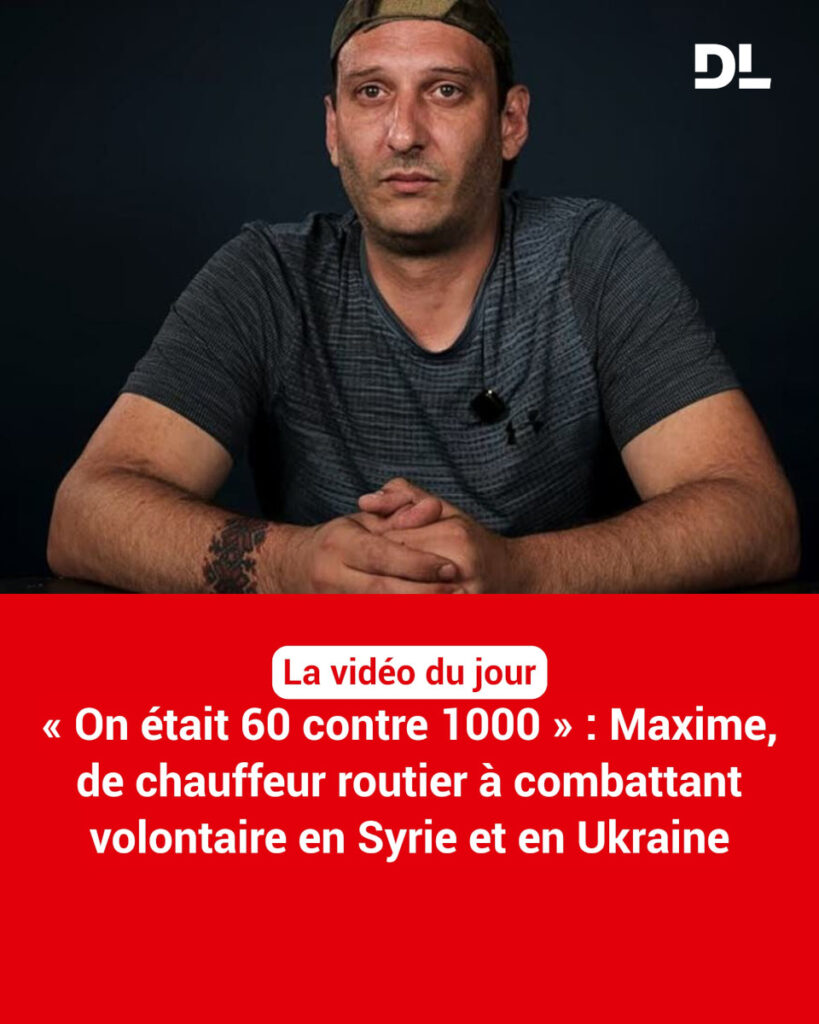
Le 22 août 2026, Le Dauphiné Libéré publie la vidéo d’un entretien avec Maxime Barrat, au sujet de ses exploits homériques sur la champ de bataille ukrainien. Son témoignage souffre hélas de nombreuses omissions. C’est du journalisme du niveau de Laurent Brayard, mais dans l’autre camp.
chronique alphabétique et nécrologique de l’engagement français dans les rangs atlantistes en Ukraine, ce que les journalistes serviles ne vous raconteront pas
Articles connexes
Pruvate à truvà me, canaglia di l’OTAN, pruvate solu
chronique en Anglais, its roots before WW2, its collaboration with Nazi Germany, its legacy in modern Ukraine, how NATO has continually supported Nazism in Ukraine
chronique en Anglais, censorship, fake news, whitewashing of the Ukrainian Nazism and war crimes, for the sake of the proxy war that NATO is conducting in Donbass and Ukraine, against Russia
une saga française, entre Ukraine et Lyon, où apparaissent aussi des morceaux de SS de la division Charlemagne et plus récemment, Alice Kerviel, dite Cordier. L’affaire Deranque révèle comme la France est infectée par le pétainisme, en particulier parmi les soutiens d’Israël ou de l’Ukraine, deux théâtres d’opérations où l’Occident tente de ralentir son déclin
En 2025, une nouvelle unité de Français combattant pour l’Ukraine s’est structurée autour d’un noyau de néonazis, ayant pour objectif d’attirer des recrues. Parmi ces volontaires, d’anciens militaires. StreetPress les a identifiés
En Ukraine, les volontaires français pro-ukrainiens et pro-russes se partagent l’imaginaire de la Seconde Guerre mondiale. Les premiers se revendiquent des collabos de l’Allemagne nazie, les seconds de l’escadrille mythique « Normandie – Niémen »
deux jours après le 10e anniversaire de la débâcle politique et sécuritaire du 13 novembre 2015, une messe célèbre à Verdun l’ancien dirigeant fasciste de l’État français
ce 11 novembre 2025 est l’occasion de souligner comme la façon dont l’Europe sacrifie les conscrits ukrainiens mobilisés de force rappelle le spectaculaire carnage de la 1ère guerre mondiale
c’est par l’agence cosaque de presse PIKA, depuis la République populaire de Lougansk, que le 2 avril 2024, l’ataman Nikolaï Diakonov lance un message à destination de la France
ce papier est le premier des grands médias français qui s’attaque à la question des militants nazis français dans les rangs atlantistes en Ukraine, le nouveau danger qu’ils présenteront à terme pour la sûreté intérieure
où nous apprenons que le nazi français Allan Duchézeau, camarade de César Aujard dans les rangs atlantistes en Ukraine, était surnommé Dox, quand il secondait à Paris le leader nazi Marc de Cacqueray Valménier
en Anglais, les indices de la présence d’opérateurs occidentaux, en particulier Français, pris au piège en mars 2022 à Marioupol, dont les forces russes achevèrent la libération en mai
Cohin Pourajaud, Gwendal, dit Tidom de la Verrie, Malo Parisii ou encore Malo de la Verrie, 21 ans au 16 janvier 2025,
(Source sûre)
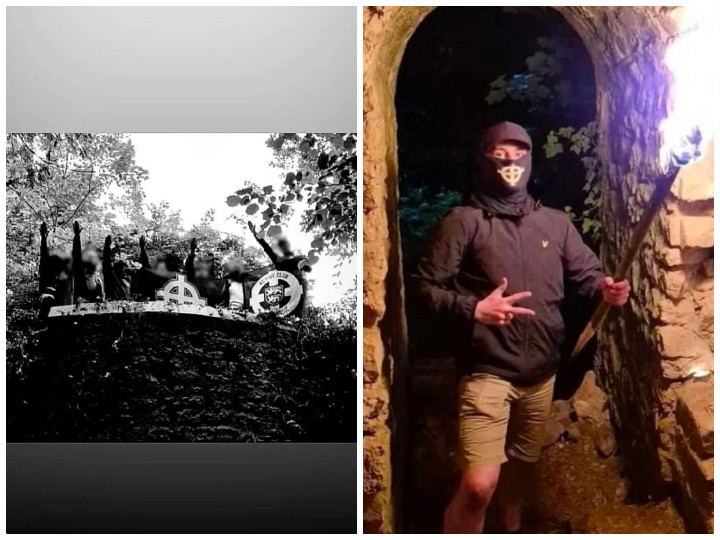
fréquente bien sûr les réseaux sociaux, s’y fait aussi appeler à l’occasion Tidomfr1488, où 88 signifie Heil Hitler et 14, les 14 mots des suprémacistes états-uniens
We must secure the existence of our people and a future for white children
Pour les plus curieux, il se décrit ainsi
Europa – Enraciné – Me ne frego [Je m’en fiche, slogan fasciste italien] – Un tradi pas comme les autres
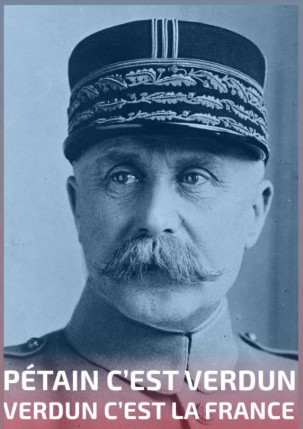
et rend hommage à Philippe Pétain, dirigeant fasciste de l’État français entre 1940 et 1944.
Le Normand est membre d’un peu tous les groupuscules qui se reconstituent sous d’autres noms, au fil des dissolutions par le ministère de l’intérieur
(StreetPress)
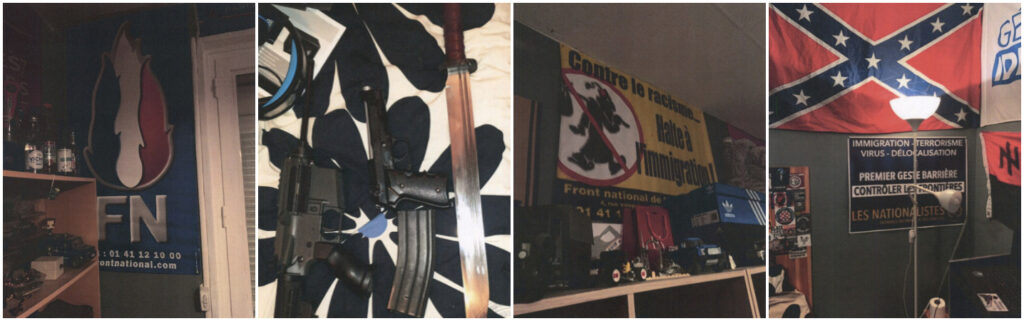
Avec les Zouaves, il fut impliqué dans des violences le 5 décembre 2021, lors d’un meeting à Villepinte du candidat pétainiste à l’élection présidentielle Eric Zemmour. Au cours des investigations, les enquêteurs purent apprécier la décoration de sa chambre
(StreetPress)
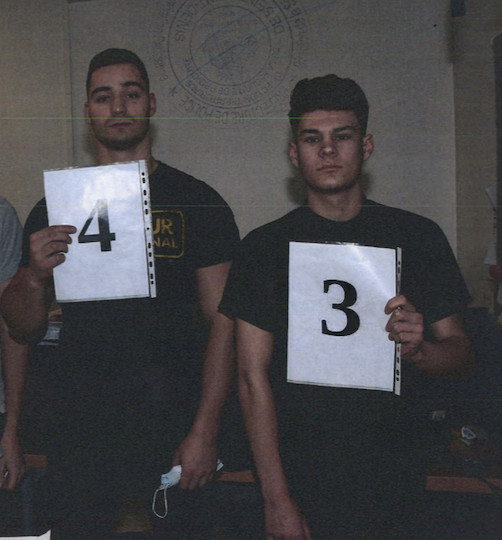
Poursuivi avec Marc de Cacqueray Valménier, dont la tête est visble à gauche, ci-dessous, il fut condamné le 16 janvier 2025, pour sa part, à dix mois de prison avec sursis
(StreetPress)
La peine est assortie de l’interdiction de port d’arme pendant cinq ans et je frémis quand diantre -pas vraiment en réalité- Cohin Pourajaud se signale en septembre 2025, З Божої ласки [par la grâce de Dieu, en Ukrainien], dans les rangs du bataillon nazi Revansh, branche militaire de l’organisation politique Tradytsiya ta poryadok [Tradition et ordre]
(Adnan Farzat)
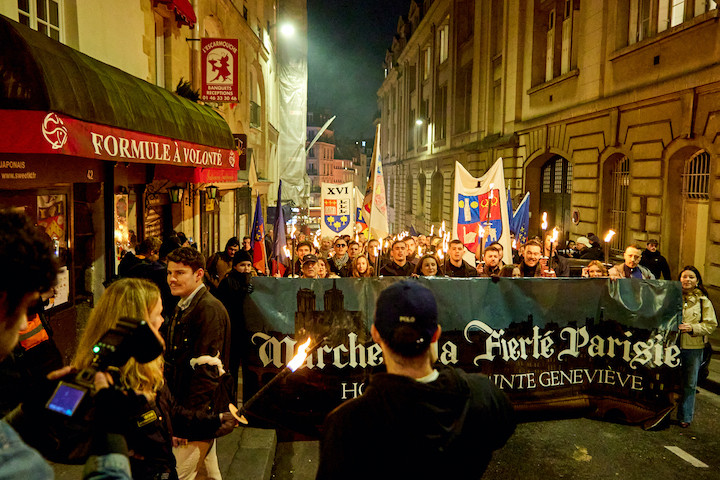
Le 19 janvier 2026, StreetPress nous apprend qu’à l’occasion d’une permission, il commanda le 17 le service d’ordre de la marche traditionnelle qui sous couvert de Sainte Geneviève et la marque La fierté parisienne, rassemble dans le Ve arrondissement la fine fleur fasciste de l’hexagone
À Paris, le 25 juillet 2026, Gwendal Cohin Pourajaud est ici le second par la droite (réseaux sociaux)
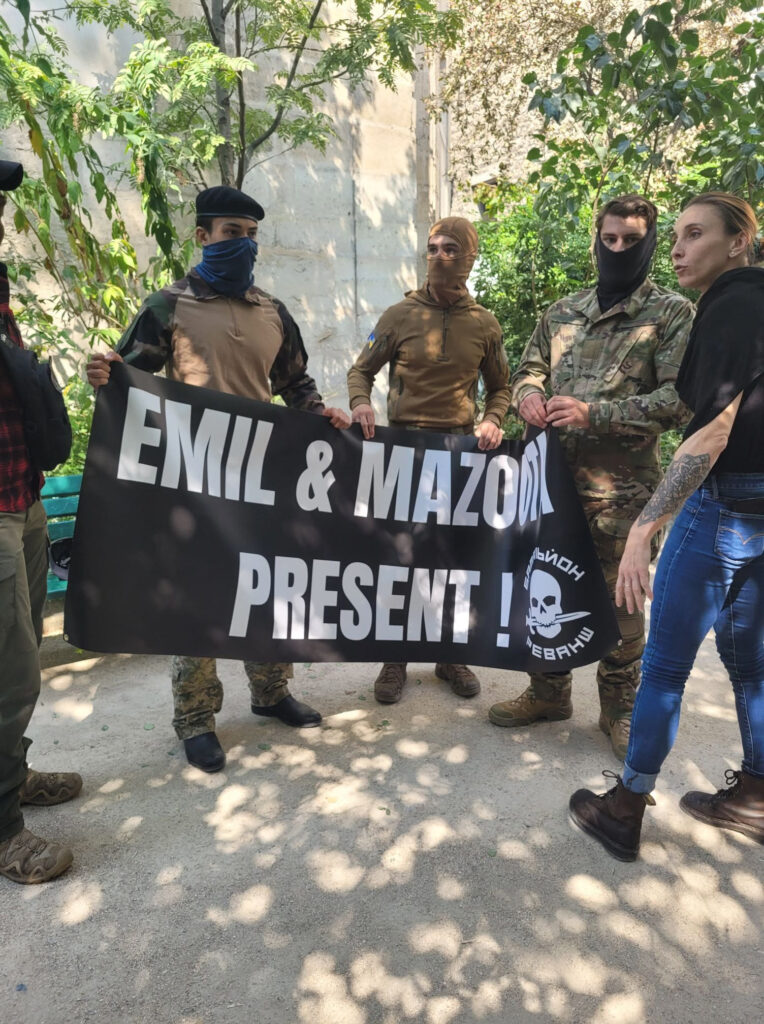
Square Taras Chevtchenko, le 25 juillet, il participe en tenue camouflée à l’hommage que proches, camarades et scouts ukrainiens du Plast rendent aux Français Axel Kuzio et Nathan Commaret, tués un mois plus tôt dans les rangs du bataillon Revansh.
chronique alphabétique et nécrologique de l’engagement français dans les rangs atlantistes en Ukraine, ce que les journalistes serviles ne vous raconteront pas
Articles connexes
Pruvate à truvà me, canaglia di l’OTAN, pruvate solu
chronique en Anglais, its roots before WW2, its collaboration with Nazi Germany, its legacy in modern Ukraine, how NATO has continually supported Nazism in Ukraine
chronique en Anglais, censorship, fake news, whitewashing of the Ukrainian Nazism and war crimes, for the sake of the proxy war that NATO is conducting in Donbass and Ukraine, against Russia
une saga française, entre Ukraine et Lyon, où apparaissent aussi des morceaux de SS de la division Charlemagne et plus récemment, Alice Kerviel, dite Cordier. L’affaire Deranque révèle comme la France est infectée par le pétainisme, en particulier parmi les soutiens d’Israël ou de l’Ukraine, deux théâtres d’opérations où l’Occident tente de ralentir son déclin
En 2025, une nouvelle unité de Français combattant pour l’Ukraine s’est structurée autour d’un noyau de néonazis, ayant pour objectif d’attirer des recrues. Parmi ces volontaires, d’anciens militaires. StreetPress les a identifiés
En Ukraine, les volontaires français pro-ukrainiens et pro-russes se partagent l’imaginaire de la Seconde Guerre mondiale. Les premiers se revendiquent des collabos de l’Allemagne nazie, les seconds de l’escadrille mythique « Normandie – Niémen »
deux jours après le 10e anniversaire de la débâcle politique et sécuritaire du 13 novembre 2015, une messe célèbre à Verdun l’ancien dirigeant fasciste de l’État français
ce 11 novembre 2025 est l’occasion de souligner comme la façon dont l’Europe sacrifie les conscrits ukrainiens mobilisés de force rappelle le spectaculaire carnage de la 1ère guerre mondiale
c’est par l’agence cosaque de presse PIKA, depuis la République populaire de Lougansk, que le 2 avril 2024, l’ataman Nikolaï Diakonov lance un message à destination de la France
ce papier est le premier des grands médias français qui s’attaque à la question des militants nazis français dans les rangs atlantistes en Ukraine, le nouveau danger qu’ils présenteront à terme pour la sûreté intérieure
où nous apprenons que le nazi français Allan Duchézeau, camarade de César Aujard dans les rangs atlantistes en Ukraine, était surnommé Dox, quand il secondait à Paris le leader nazi Marc de Cacqueray Valménier
en Anglais, les indices de la présence d’opérateurs occidentaux, en particulier Français, pris au piège en mars 2022 à Marioupol, dont les forces russes achevèrent la libération en mai
[u cumunicatu di stampa di u FLNC-Unione di i Cumbattenti, chì Corse Matin publica stu 6 d’aostu 2026]
[Cattura di schermu]
De temps en temps, vous verrez ces prétendus républicains parader, et je regarde et vois ces 50 ans, et je vois ces 40 ans, et je vois ces 35 ans… et moi, je ne me souviens pas de la plupart d’entre eux. Vous savez ce que je me demande – je me demande où ils se trouvaient quand il y avait une guerre
Martin McGuiness
À l’aube de ces Ghjurnate Internaziunale, nous tenons dans un premier temps à adresser à toutes les délégations présentes un message de soutien pour toutes les luttes qu’elles représentent. Au-delà des particularités de chacune d’entre elles, elles ont une valeur universelle : tous ensemble nous incarnons une Humanité qui résiste à toutes les oppressions et continue à remettre en cause un ordre injuste qui nie le droit des peuples à disposer d’eux-mêmes.
Tous nos combats sont en réalité les véritables garants d’un respect fondamental, celui d’un droit international dont se prévalent cyniquement ceux qui le bafouent quotidiennement.
Au premier rang de ces puissances coloniales se trouve l’Etat français présent aux quatre coins du monde pour défendre de sordides intérêts, qui sont au fond même pas ceux de son propre peuple, il interdit tout développement à des Nations qu’il a historiquement soumises par le fer et par le feu. Mais nos peuples lui tiennent tête depuis des siècles.
La Corse s’est dotée, il y a maintenant cinquante ans, d’une organisation politico-militaire qui a toujours assumé le combat le plus difficile et payé un lourd tribut à une lutte incessante pour le respect des droits imprescriptibles de notre peuple.
Elle est, à l’évidence, la représentation de la société corse dans son ensemble. Si notre organisation clandestine a traversé ce demi-siècle en maintenant le flambeau de la résistance, c’est parce que nos objectifs, contrairement à nos militants, n’ont jamais été clandestins.
En effet dans les périodes les plus sombres, ils éclairent le chemin qui des générations qui se succèdent et qui nous disent chaque jour que le combat doit continuer.
Au fil du temps, nous avons opposé à la violence du système colonial français une action militaire ciblée et répondant toujours à des impératifs éthiques bien établis.
Nos militants ont payé et payent le prix le plus fort, celui de la Liberté, et trop souvent celui de la vie. Chaque vie reste irremplaçable mais malgré les obstacles et les pertes les plus douloureuses, notre détermination reste intacte et sans faille.
Aux ennemis de notre Nation, nous le disons clairement et sans ambiguïté : JAMAIS vous ne pourrez nous réduire, car nous sommes l’émanation d’un peuple multiséculaire qui a un destin National à accomplir, et NON un destin français à subir.
Durant toutes les années écoulées, le F.L.N.C n’a pas été seulement une organisation légitime de résistance. Il a été également le lieu où notre peuple a pu échafauder, en dehors du cadre imposé par la France, un projet de société novateur qui lui ressemble, basé sur ses fondements culturels propres. Il a impulsé l’organisation des luttes syndicales et politiques qui connaissent aujourd’hui des prolongements publics devenus incontournables.
CINQUANT’ANNI DI LOTTA ARMATA
En cette 50ème année ” anniversaire ” de la création du Front, plusieurs manifestations ont lieu allant de rétrospectives parfois approximatives ou orientées, à des hommages sincères à notre action qui, au fil des décennies, a démontré une efficacité redoutable, reconnue par de nombreux observateurs avisés de notre peuple et au-delà.
Mais aujourd’hui c’est nous qui voulons rendre hommage :
A nos frères de lutte trop tôt disparus.
A toutes celles et tous ceux qui ont tant fait pour la Nation Corse, mais que l’on n’entendra jamais. Ceux qui ont subis et qui subissent l’exil carcéral dans les prisons françaises et dont certains sont toujours à nos côtés.
A la jeunesse de notre pays, elle qui a su se mobiliser et trouver les voies de l’unité dans l’action face à l’intolérable, afin de porter dans la rue les revendications essentielles.
A tous les patriotes qui, où qu’ils se trouvent, demeurent l’ultime rempart face à une entreprise insidieuse et méthodique d’effacement de notre peuple.
Aujourd’hui, les garanties démocratiques, que les Corses sont en droit d’exiger sur leur terre, ne sont aucunement respectées.
RICUNNISCENZA DI U POPULU CORSU, STATUTU FISCALE, STATUTU DI RESIDENTE, CUUFICIALITA DI A LINGUA CORSA
La mascarade de « Beauvau », qui aboutit à la négation de l’existence de notre peuple et au reniement des principales revendications de ces dernières décennies, a désormais tourné court. Quel que soit le sort réservé à un texte qui avait d’emblée tout sacrifié sur l’autel de quelque vanité politicienne, nous sommes déjà dans l’après « Beauvau ».
Conformément à notre dernière communication, force est de constater que les bases fondamentales ont été volontairement abandonnées, à savoir la reconnaissance du peuple corse, le statut de résident, la coofficialité de la langue corse et bien évidemment un réel pouvoir législatif. Elles doivent être la matrice de tout réel processus de négociation.
Clairement, nous nous opposerons fermement à toute tentative visant à nier l’existence du peuple corse qui constitue la base indispensable à toute solution politique sérieuse et durable pour la Corse.
Le mouvement national, celui de la résistance, doit trouver les voies et moyens de créer un nouveau rapport de force politique pour faire avancer les revendications fondamentales abandonnées pour des raisons de basse politique malheureusement contraires aux intérêts « supérieurs » de notre peuple.
L’unité patriotique, indispensable à cette démarche, devra exclure toute logique de soumission, tout accord séparé, tout reniement des fondamentaux de notre lutte, et donner toute sa place à la jeunesse, l’avenir de notre Nation.
Ceux qui s’expriment encore aujourd’hui au nom du mouvement national, tout en soutenant ledit processus Beauvau, commettent une duperie sans précédent à l’égard de notre peuple.
Notre organisation, quant à elle, continuera à jouer pleinement son rôle en soutenant par nos efforts de Paix, pour l’heure unilatéraux, toutes les initiatives qui concourront réellement à une solution politique à laquelle notre peuple aspire depuis des décennies.
Aussi, l’abandon de toutes les poursuites judiciaires, relatives aux actions de résistance, devra obligatoirement faire partie de la résolution du conflit qui nous oppose à la France depuis 250 ans. Il ne pourra en être autrement.
Le peuple Corse ne sera jamais une vulgaire communauté administrative au crochet de l’Etat français mais bel et bien, un peuple vivant sur SA terre, avec SA langue, SA culture et SON histoire qui demeure aux antipodes du destin français proposé à l’Assemblée nationale française ces dernières semaines.
BASTA A FRANCISATA
Pour l’heure, la colonisation de peuplement galopante, et complètement décomplexée, continue sur un rythme effréné. Le constat est effarant et malheureusement partagé, depuis un certain temps déjà, au-delà de la sphère nationaliste. Il n’est même plus surprenant d’entendre les plus hostiles opposants aux revendications nationales, tenir des propos et éléments de langage historiquement utilisés par les patriotes corses.
Ce phénomène invasif colonial, chamboule nos codes, nos comportements et plus globalement notre société, celle que nous avons toujours connue, apaisée et respectueuse de ce que nous sommes.
L’arrivée massive chaque année de près de 5000 étrangers, dont une grande majorité de Français de toutes origines, soumet notre peuple à une pression démographique qu’aucun pays ne pourrait supporter. Les personnels d’encadrement dans le public (fonction publique, administrations…) comme dans le privé (grandes surfaces, magasins franchisés, activités commerciales diverses…) viennent d’ailleurs, alors que de jeunes diplômés corses sont écartés.
Parallèlement une partie de plus en plus importante de personnes en difficulté débarquent, représentant soit une main d’œuvre corvéable à merci pour de grands groupes, soit un contingent qui contribue à gonfler statistiquement l’aide sociale « attribuée aux Corses ».
Enfin le chiffre des résidences secondaires, dont certaines luxueuses appartenant à des non Corses ne cessent d’augmenter dans des proportions démentielles. Cette colonisation de peuplement multiforme ne doit rien au hasard.
Elle est une arme de dilution massive que le colonialisme a toujours utilisée contre les peuples qu’il voue à la soumission, voire à la disparition.
Nous le disons clairement : collaborer à la validation de texte constitutionnel réaffirmant, au nom d’une prétendue « égalité », les principes qui favorisent et vont permettre d’amplifier cette colonisation de peuplement est une grave faute politique, pour ne pas dire plus.
Plusieurs de ces nouveaux arrivants, toutes situations sociales confondues, commencent d’ailleurs à adopter des comportements de plus en plus arrogants, considérant qu’il n’y a plus de problème à venir s’installer dans une partie du « territoire français » où l’on peut importer et imposer sa manière de vivre et de concevoir les rapports humains.
D’une manière ou d’une autre, notre peuple ne pourra accepter la déstabilisation permanente du mode de vie qui lui est propre et l’installation d’un climat propice à toutes les dérives que l’on constate en France actuellement. Son avenir en dépend.
Nous saurons le rappeler à tous ceux qui débarquent ici en terre conquise.
En attendant que nos droits nationaux soient reconnus et respectés, nous n’avons qu’un message à leur adresser : RESTEZ CHEZ VOUS.
Et, dans le cas contraire, ne vous considérez pas en sécurité sur notre territoire national.
Le peuple corse est un peuple multiséculaire qui s’inscrit durablement dans la résistance face à tous les envahisseurs, et par conséquent, nous réitérons que jamais nous ne nous laisserons assimiler à une quelconque communauté, qu’elle soit, de destin ou insulaire.
Nous veillerons à vous rappeler qu’il y a ici un peuple, et qu’il est, lui, la seule communauté de droit sur SA terre.
CRIMINALISAZIONE DI A NOSTRA LOTTA
En même temps qu’il a favorisé la colonisation de peuplement, l’Etat français a tout tenté pour criminaliser le mouvement de libération national.
Il le fait encore aujourd’hui, en sachant pertinemment que ce dernier constitue le seul véritable rempart contre l’emprise croissante de toutes les dérives criminelles et affairistes.
La configuration actuelle en Corse nous impose une vigilance de chaque instant. Que personne ne se méprenne, lorsque la situation nous l’a imposé par le passé, nous avons toujours su répondre avec responsabilité et fermeté à toute atteinte à l’intégrité physique de nos militants.
La déliquescence de notre société, l’explosion du trafic de drogue et la prolifération des logiques criminelles infectant des pans entiers d’une pseudo économie, sont le résultat d’un politique délibérée. Son objectif principal est de permettre à l’Etat français de rester le maître d’un chaos qu’il a lui-même organisé, et d’imposer sa vision à une population stigmatisée, apeurée, devenue l’ombre d’un peuple.
Nous ne l’accepterons jamais.
Aujourd’hui, comme hier et certainement demain, les manipulations médiatiques officielles et officieuses de l’Etat français et de ses sbires tentent de criminaliser notre organisation.
Autant leur rappeler à nouveau que notre organisation politique est exclusivement au service des intérêts de notre peuple. Ces méthodes de criminalisation contre ceux qui portent la Résistance ne nous feront jamais dévier de notre chemin. Depuis Pasquale Paoli à aujourd’hui, l’Etat français n’a jamais cessé d’œuvrer à la disparition programmée du Peuple Corse.
D’autre part, nous ne serons jamais favorables aux justices d’exceptions pour la Corse, les mêmes qui, d’ailleurs, ont toujours frappés durement les militants du mouvement national. Nous ne pourrons jamais être aux côtés de ceux qui soutiennent ces logiques.
Quant à nous, nous ne laisserons pas notre pays devenir le terrain de jeux privilégié de manipulateurs haut placés qui défendent avant tout leurs propres intérêts et également ceux d’une caste de groupes financiers corses. Ils nous trouveront toujours sur leur chemin.
Seul le renforcement d’un mouvement national cohérent, dans toutes ses composantes, permettra de régler, progressivement, tous ces problèmes.
Sans complaisance, sans faux fuyant, avec la force du peuple corse et de ceux qui se sont toujours battus pour lui.
Nous y participerons à notre place, avec la détermination dont nous avons toujours fait preuve, même aux pires moments, et qui ne nous a jamais quittés.
Nous avons confiance en l’avenir et en la détermination de nos forces vives. Qu’il soit politique, syndical et culturel, l’engagement militant demeure primordial dans notre Lutte de Libération Nationale, dont l’aboutissement devra permettre à notre peuple d’accéder à une souveraineté pleine et entière, qui pour tous les peuples du monde porte un seul nom : INDEPENDANCE NATIONALE
« Aucun accord entre la Corse et la France ne pourra être qualifié d’historique tant qu’il n’entérinera pas la reconnaissance des droits du peuple corse sur sa terre comme seule communauté de droit »
Zelensky and his Western overlords thought they could compel Russia to enter into peace negotiations. All they did is seal Ukraine’s tragic fate
Kiev burns following a Russian missile attack, August 5, 2026
On June 25, Ukraine’s President Volodymyr Zelensky ordered the initiation of a 40-day offensive intended to “influence” Russia to end the war. In a message delivered via social media, Zelensky announced that “I approved a 40-day influence operation for the service against the aggressor state aimed at compelling it to end the war.”
On August 3, on the eve of the expiration of the 40-day campaign, Zelensky acknowledged that the 40-day campaign had not achieved its objective of driving Russia to embrace peace. Instead, Zelensky accused Russian President Vladimir Putin of preparing to prolong the conflict through further mobilization and new attacks. Rather than acknowledging failure, however, Zelensky declared that Ukraine would double down on renewed diplomatic efforts, increased economic restrictions, and continued military actions to create conditions where Russia would have no alternative but to agree to negotiations on terms acceptable by Ukraine.
The 40-day gap between the commencement of Zelensky’s “influence operation”, and the admission by the Ukrainian President that Russia was far from acknowledging defeat, has created a widening chasm between fact and fantasy, between reality and fiction, that appears to be recognized by virtually everyone but the Ukrainian President.
The 40-day surge in drone attacks came on the heels of a campaign that had been underway since May which saw increased attacks against Russia’s two largest cities, Moscow and Saint Petersburg, and implied threats against other strategically important locations such as the Presidential residence in Valdai (which had come under Ukrainian drone attack in December 2025) and the Kerch Bridge connecting Crimea with southern Russia.
The goal of these attacks was to force Russia to redeploy air defense forces to protect these strategically important targets, thereby stripping away air defense units from other regions. The 40-day drone campaign announced by Zelensky would seek to exploit these gaps in air defense coverage to bring the “pain” of war home to the people of Russia.
None of the pressure points Zelensky hoped to engage by his 40-day drone campaign produced anything remotely resembling the desired results. Indeed, in every instance, the opposite outcome was achieved. Zelensky hoped to trigger an energy crisis by attacking Russian petroleum refineries. While a compliant pro-Ukrainian western media declared that Russia had lost up to 40% of its refining capacity, the reality was far different: far from breaking the spirit of the Russian population by denying them access to gasoline and making them wait in long lines to get gas at high prices, the fact is that gasoline in August 2026 is cheaper than it was this time last year (AI-95, the most popular grade of gasoline, was 63.06 rubles per liter in August 2025, as opposed to 61.71 rubles per liter today), and there are virtually no lines of vehicles waiting to refuel.
Moreover, the timing couldn’t have been worse for Ukraine when it came to reducing Russian refining capacity—Russia simply diverted the stocks of crude destined for domestic refining into the export pipeline at a time when global demand rapidly absorbed these increased exports at record high prices. Zelensky’s war on the Russian energy sector was a major contributor to Russia’s oil and gas revenue, which accounts for around a fifth of total budget income, rising by more than 60% in July 2026 from the same month a year ago.
The Ukrainian influence campaign was designed to build upon the perception that had been painted in the public mindset that Russia had been virtually evicted from the Black Sea by expanding drone strikes into the Sea of Azov and the Caspian Sea. Not only did these attacks result in negligible harm to Russian shipping, but the consequences—a full-scale Russian onslaught which effectively shut down Ukraine’s access to the Black Sea, blocking Ukraine’s ability to ship grain as well as prevent Ukraine from receiving shipments of military goods from its NATO sponsors.
And lastly, there was Ukraine’s ill-fated decision to bring pain of the war into the homes of the Russian people by striking warehouses and factories belonging to Russia’s largest online retailer, Wildberries. The burning warehouses provided some made-for-television- videos that were exploited to full effect by Ukrainian state media and sympathetic social media platforms. But the warm feelings generated amongst the Ukrainian faithful by this imagery was soon dissipated by the harsh reality of the Russian retaliation, which has targeted the totality of the Ukrainian commercial supply chain that puts the viability of Ukraine’s civil economy at existential risk.
Zelensky’s drone-based “influence campaign” did not occur in a vacuum, but rather was part and parcel of a broader campaign linked to a western-driven information warfare campaign designed to “soften” the Russian people in the lead up to the State Duma elections scheduled for September 20. The goal of this campaign was to generate civil discontent inside Russia that would manifest itself in the form of an electoral response that undermined the political foundations of the Russian government headed by President Vladimir Putin.
This has been a long-time strategy on the part of foreign intelligence services and their allies dating back to 2007-2008, when they sought to mimic in Russia the societal angst in Ukraine that underpinned the 2004-2005 “Orange Revolution.”
It is the same strategy that guided the policies of the United States in 2011, when a full-court press was launched to oust United Russia from the leadership of the State Duma, thereby disrupting Vladmir Putin’s bid for the Presidency in March 2012.
These campaigns all failed.
And the current campaign will fail as well.
Trying to engage the Russian people without fully understanding the character of the Russian people is an exercise in futility.
Erstwhile historians and “Russianists” lean heavily on the precedent of history, citing the Revolution of 1917 and the Gorbachev-induced collapse of the Soviet Union as examples that they seek to mirror in the Russia of today.
But Vladimir Putin is not a Tsar, nor is he a confused Soviet bureaucrat.
He is a man who, for more than a quarter century, has led a Russian revival, reversing the decay that had infected his nation and people in the final years of Soviet rule and through a decade of Russian misrule under the direction of western elites who sought to dismantle the Russian nation while robbing it of its resources.
The Russian people of 2026 are not the Russian people of 1917 or 1992.
Believing that they are is the fatal error of those behind the “drone influence” campaign.
This is the danger of systemic Russophobia.
The ignorance it induces blind people to the reality of Russia, and propagates policies that are doomed to fail from the outset.
Zelensky’s 4-Day War was always doomed to fail.
And now we know what failure looks like.
Ukraine has been abandoned by its Western masters.
No air defense.
No Patriot license.
No Patriot missiles.
No “magical” solution.
Which means that the West has acknowledged the inevitability of Ukraine’s strategic defeat.
Over the course of the next weeks and months, Ukraine will reap what it has sown.
Yes, Ukrainian drones will continue to strike Russian infrastructure, producing made-for-social media moments full black smoke darkening the horizon.
Meanwhile, Kiev will burn.
And so, too, will the other cities of Ukraine.
The Russian army will continue to advance.
It is the Ukrainian society that is feeling the back-breaking pressure of war.
No gas.
No water,
No heat.
No food.
This is the future of Ukraine under Zelensky.
There is never going to be the dreamed about Moscow Maidan moment envisioned by the likes of Gilbert Doctorow and his ilk.
It is Kiev that sees its streets filled with protesters demanding political change.
The collapse of Ukraine as a nation state is inevitable.
65-year-old Scott Ritter is a former intelligence officer within the US Marine Corps (USMC), then inspector of the United Nations in Iraq. When in 2003, the US and their British minions were about to invade the country under this false pretext, Ritter was claiming that there was no weapon of mass destruction (WMD) there. He was right.
In the Jacques Baud case, the EU is sanctioning, for the first time, an analyst not for spreading disinformation but for expressing a politically inconvenient truth, all while admitting he has broken no law. Will it have the courage to go after an American citizen?
Operation enters the second week of Ukraine’s long-awaited and highly touted counteroffensive, some basic conclusions can be drawn even though the fighting continues, and will continue to rage, for some time to come
le volontaire français dans les rangs atlantistes en Ukraine souffre de ne pas parvenir à assumer son idéologie fasciste
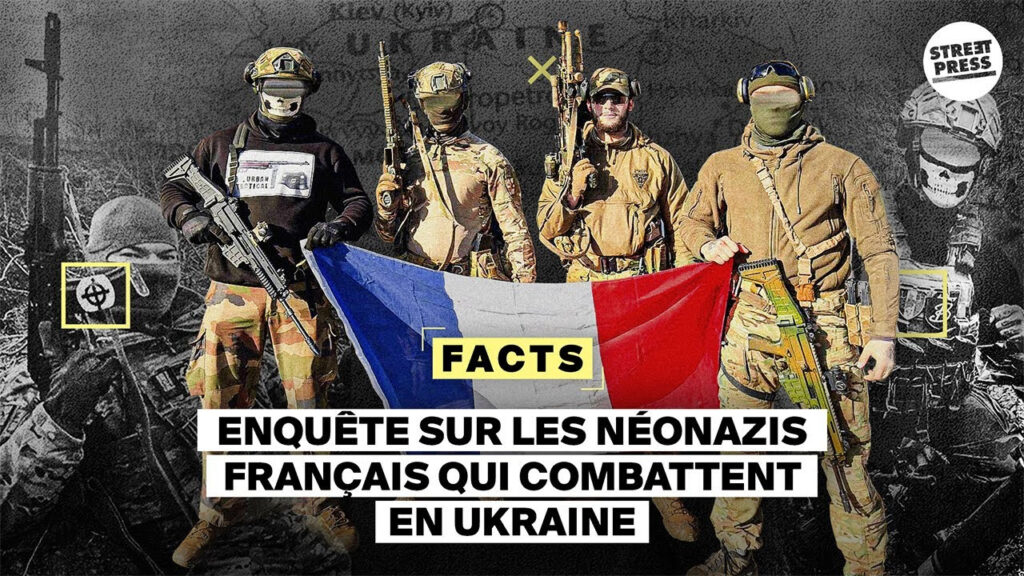
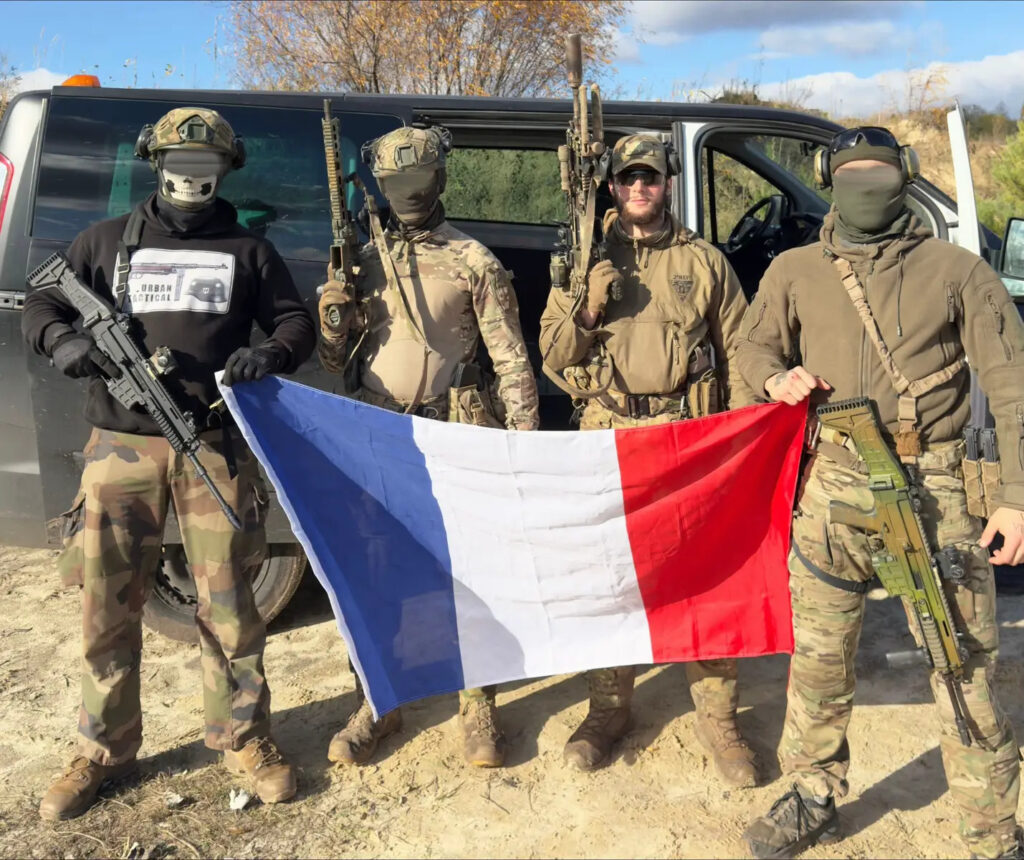
La miniature du documentaire de StreetPress le 5 février 2026 : Gwendal Delange et Ylian Fort sont 1er et 3e par la gauche. Roque est le 1er à droite
Le 3 août 2026, StreetPress publie à nouveau son reportage du 5 février. Le document est factuel et j’espère que les journalistes n’ont pas hésité à puiser abondamment dans les données que ma chronique compile depuis 2022. La miniature utilise une image partagée sur les réseaux sociaux le 31 octobre 2025
Ce fut Roque qui partagea l’image originale. Notez le Stahlhelm SS et le Maschinenpistole 40, sur le sweat-shirt de Gwendal Delange, qui est de production locale et assez répandu parmi les Ukrainiens
Ex légionnaire du 2e REP (régiment étranger de parachutistes), Ylian Fort était le 3e par la gauche. C’est sous son indicatif radio –Manouche– qu’il se révolte sur Instagram, où il écrit le 4 août
La désinformation à son paroxysme ! D’autant plus par des personnes qui n’ont jamais mis les pieds en Ukraine, mais pensent connaître plus que tout le monde.
Le travail de « journaliste » ne devrait pas être attribué à tout le monde surtout pour raconter des conneries.
Si on les écoute tu es néonazi à partir du moment où tu mets les pieds en Ukraine.
En plus de donner des informations erronées et plus d’actualité…
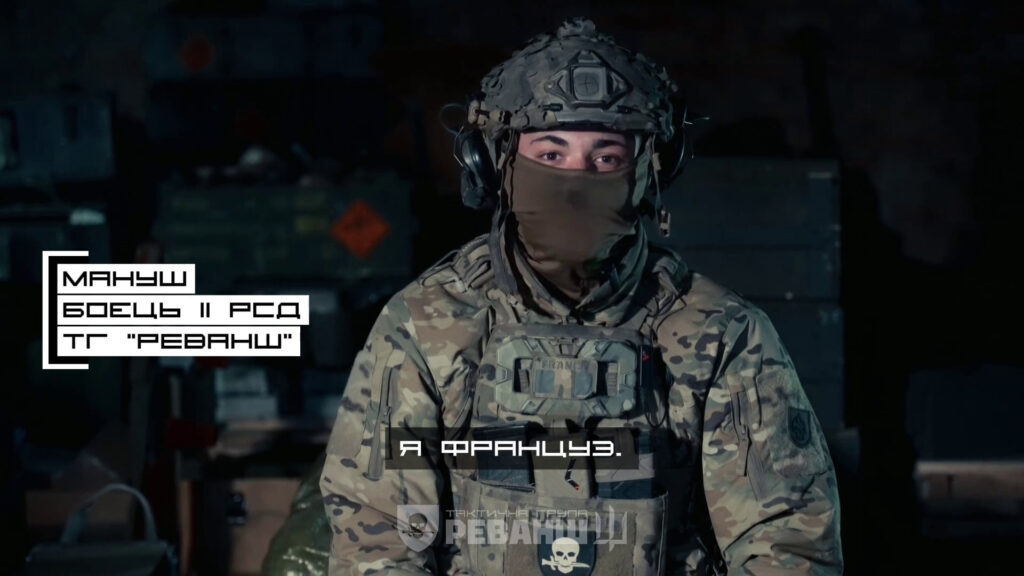
Je ne suis pas journaliste, mais flic. Alors étudions ce beau monde. Fort apparut en Ukraine à l’été 2025, dans les rangs du bataillon ukrainien Revansh, qui sous commandement du renseignement militaire ukrainien (HUR), est une émanation de l’organisation politique nazie Tradytsiya ta poryadok [Tradition et ordre].
Les Français y ont d’abord constitué une escouade, appelée WAR [War Aggressive Rota] puis Légion pirates. Telle était jusqu’en décembre 2025 leur situation, que le documentaire de StreetPress décrivit en février 2026.
Sous l’impulsion de leur recruteur surnommé Roque, ils ont ensuite triplé leur effectif, jusqu’à constituer un peloton au printemps 2026. En cet été torride, le bataillon Revansh est toujours nazi
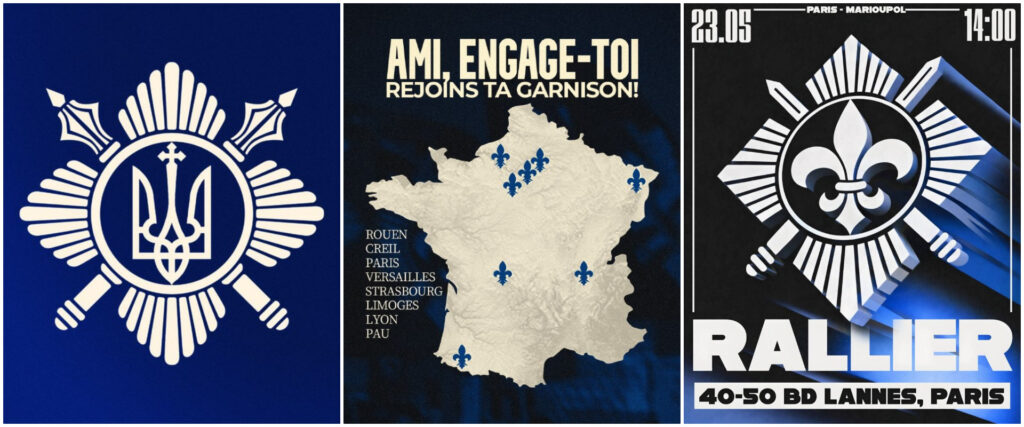
L’insigne de l’organisation fasciste ukrainienne Harnizon est à gauche, celui de sa filiale française, à droite (réseaux sociaux). Elle a essaimé dans plusieurs villes depuis le 18 février 2026, quand à Kiev, les militants ukrainiens rendirent un hommage remarqué au nervi nazi Quentin Deranque
Fort parle peu de politique sur les réseaux sociaux. Mais il fut interrogé pour un article que Garnison Royale, filiale française de l’organisation fasciste ukrainienne Harnizon, publia le 19 mai 2026. Il expliqua défendre l’Europe et l’Occident, ajouta
Nous avons parfois le sentiment d’être des chevaliers des temps modernes
le 8 septembre 2025 (réseaux sociaux)
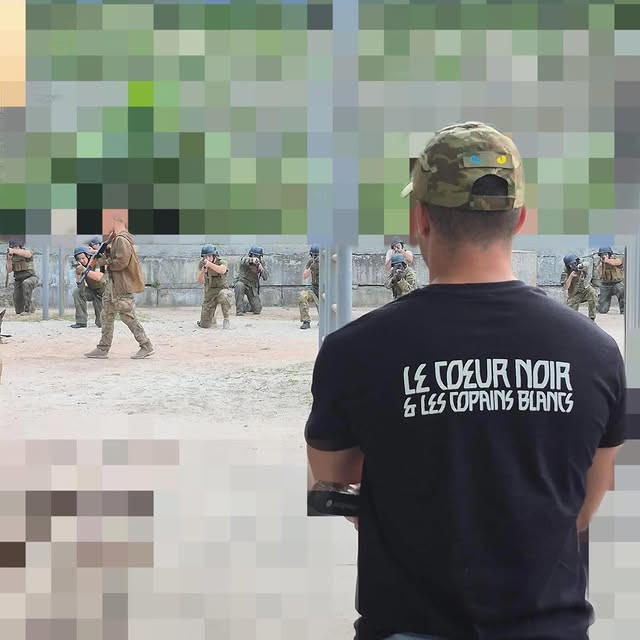
Son pourpoint est un t-shirt noir qu’il affectionne et qui nous dit
Lors d’une soirée le 27 janvier 2022, le militant nazi breton Karel Cherel Salzburg, déjà vétéran de la guerre au Donbass, bascule les pintes à la droite d’Alice Kerviel, dite Cordier
Sans nouvelle sur les réseaux sociaux, je me languis de celui qui se faisait appeler Charlemagne, une référence à la division SS française qui fut formée avec la complicité d’un État français dirigé par le fasciste Philippe Pétain et que l’Armée rouge eut le bon goût d’écraser en mars 1945
Charlemagne, le 4 décembre 2025 (réseaux sociaux)
Ancien du 13e BCA (bataillon de chasseurs alpins), cet autre chef de groupe français proclamait sans détour défendre l’Europe contre le communisme et ajoutait en caractères gothiques
𝕸𝖊𝖎𝖓𝖊 𝕰𝖍𝖗𝖊 𝖍𝖊𝖎ß𝖙 𝕿𝖗𝖊𝖚𝖊 [mon honneur s’appelle fidélité, la devise des SS]
Les Français de Revansh sont toujours recrutés aujourd’hui par Roque, dont le travail a permis de tripler leur effectif en 2026. L’Ukraine reconnaît ses mérites et le décora le 25 avril
Roque à différents moments en 2025 (réseaux sociaux)
Le recruteur est un esthète qui ès qualités, aime agrémenter ses publications sur les réseaux sociaux de discours d’Adolf Hitler ou Léon Degrelle, un camarade belge qui en 1945, avec le grade de Standartenführer [colonel SS], prit sa retraite dans l’Espagne de Francisco Franco.
Le 25 février 2026, le bataillon Revansh diffusa une vidéo de propagande pour stimuler les enrôlements étrangers dans sa compagnie Landsknecht [Lansquenet, en Allemand dans le texte], à laquelle appartient le peloton français
Ylian Fort, dans la vidéo publiée le 25 février 2026 (capture d’écran)
Fort y partageait l’affiche avec le Valenciennois Lucas Barraud, qui admire Philippe Pétain, célèbre l’accession au pouvoir d’Adolf Hitler en janvier 1933 et arbore le Schwarze Sonne [soleil noir, un héritage du Reichsführer SS Heinrich Himmler]
Sur cette image publiée le 31 janvier 2026, Ylian Fort est à gauche, l’ancien marsouin Lucas Barraud, à droite (réseaux sociaux)
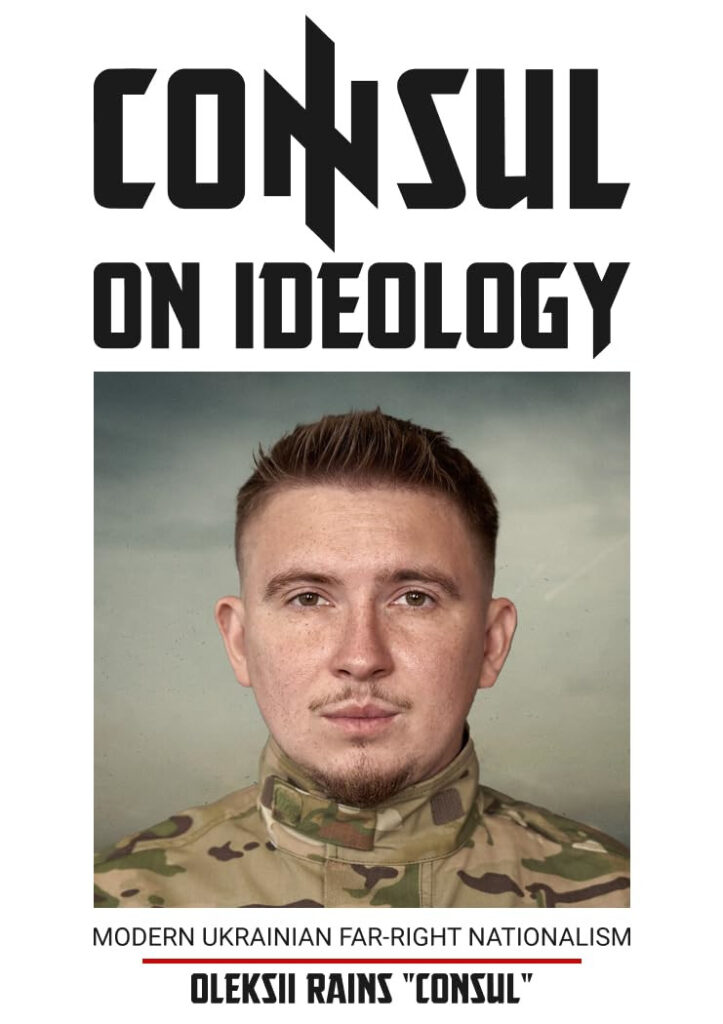
Oleksii Rains est l’idéologue l’organisation nazie Azov et dirige la maison d’édition Rainshouse
Fort nie être nazi. Il n’est certes pas l’expression la plus flamboyante du fascisme franchouillard et son environnement militaire compte nombre de camarades qui le revendiquent avec plus d’aisance. Il nous accuse de désinformation, quand c’est plutôt l’Ukraine qui traîne aujourd’hui ses soutiens européens -politiciens, journalistes et même des universitaires- dans la fange d’un révisionnisme sordide.
Articles connexes
Pruvate à truvà me, canaglia di l’OTAN, pruvate solu
chronique alphabétique et nécrologique de l’engagement français dans les rangs atlantistes en Ukraine, ce que les journalistes serviles ne vous raconteront pas
chronique en Anglais, its roots before WW2, its collaboration with Nazi Germany, its legacy in modern Ukraine, how NATO has continually supported Nazism in Ukraine
chronique en Anglais, censorship, fake news, whitewashing of the Ukrainian Nazism and war crimes, for the sake of the proxy war that NATO is conducting in Donbass and Ukraine, against Russia
une saga française, entre Ukraine et Lyon, où apparaissent aussi des morceaux de SS de la division Charlemagne et plus récemment, Alice Kerviel, dite Cordier. L’affaire Deranque révèle comme la France est infectée par le pétainisme, en particulier parmi les soutiens d’Israël ou de l’Ukraine, deux théâtres d’opérations où l’Occident tente de ralentir son déclin
En 2025, une nouvelle unité de Français combattant pour l’Ukraine s’est structurée autour d’un noyau de néonazis, ayant pour objectif d’attirer des recrues. Parmi ces volontaires, d’anciens militaires. StreetPress les a identifiés
En Ukraine, les volontaires français pro-ukrainiens et pro-russes se partagent l’imaginaire de la Seconde Guerre mondiale. Les premiers se revendiquent des collabos de l’Allemagne nazie, les seconds de l’escadrille mythique « Normandie – Niémen »
deux jours après le 10e anniversaire de la débâcle politique et sécuritaire du 13 novembre 2015, une messe célèbre à Verdun l’ancien dirigeant fasciste de l’État français
ce 11 novembre 2025 est l’occasion de souligner comme la façon dont l’Europe sacrifie les conscrits ukrainiens mobilisés de force rappelle le spectaculaire carnage de la 1ère guerre mondiale
c’est par l’agence cosaque de presse PIKA, depuis la République populaire de Lougansk, que le 2 avril 2024, l’ataman Nikolaï Diakonov lance un message à destination de la France
ce papier est le premier des grands médias français qui s’attaque à la question des militants nazis français dans les rangs atlantistes en Ukraine, le nouveau danger qu’ils présenteront à terme pour la sûreté intérieure
où nous apprenons que le nazi français Allan Duchézeau, camarade de César Aujard dans les rangs atlantistes en Ukraine, était surnommé Dox, quand il secondait à Paris le leader nazi Marc de Cacqueray Valménier
en Anglais, les indices de la présence d’opérateurs occidentaux, en particulier Français, pris au piège en mars 2022 à Marioupol, dont les forces russes achevèrent la libération en mai
Pour bien comprendre ce qui se passe au pays des pinzuti, il est intéressant de souligner tout d’abord que le vil préposé à la police Laurent Nuñez, représentant emblématique d’une coterie de domestiques de l’État français qui a toujours compté plus de Maurice Papon que de Jean Moulin, fut pondu par des pieds-noirs que la libération de l’Algérie avait eu le bon goût d’expulser
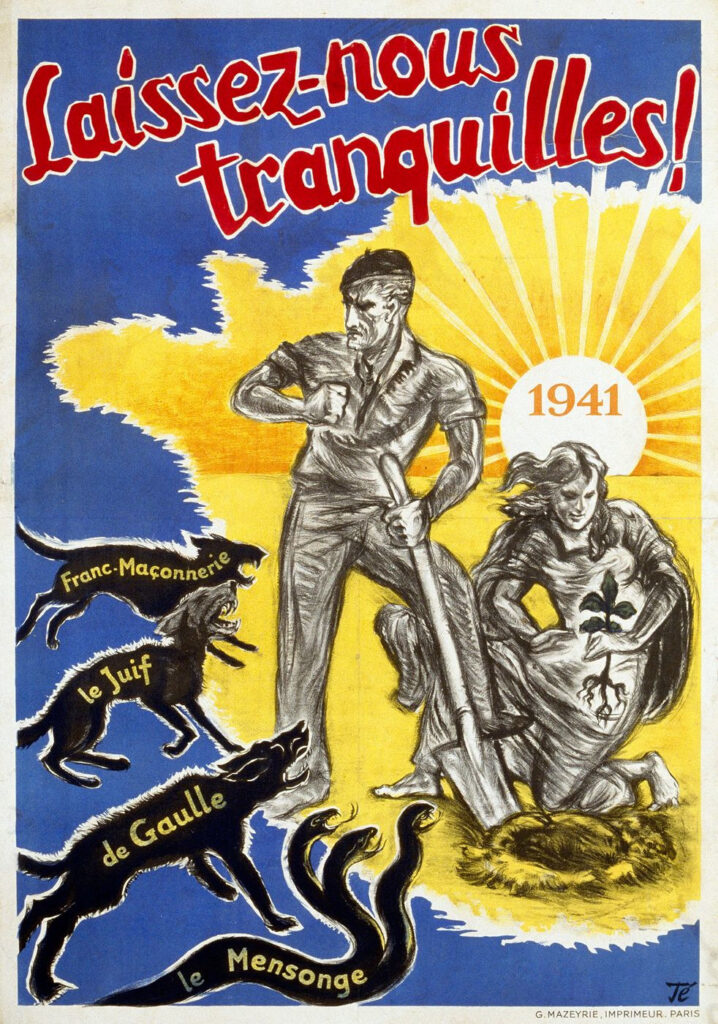
France, 1941
De manière plus générale, la Macronie se donne au revanchisme allemand avec la même ardeur que traditionnellement, la femelle gauloise écarte les cuisses quand elle sent l’odeur du mâle germanique
Articles connexes
Pruvate à truvà me, canaglia di l’OTAN, pruvate solu
chronique alphabétique et nécrologique de l’engagement français dans les rangs atlantistes en Ukraine, ce que les journalistes serviles ne vous raconteront pas
chronique en Anglais, its roots before WW2, its collaboration with Nazi Germany, its legacy in modern Ukraine, how NATO has continually supported Nazism in Ukraine
chronique en Anglais, censorship, fake news, whitewashing of the Ukrainian Nazism and war crimes, for the sake of the proxy war that NATO is conducting in Donbass and Ukraine, against Russia
une saga française, entre Ukraine et Lyon, où apparaissent aussi des morceaux de SS de la division Charlemagne et plus récemment, Alice Kerviel, dite Cordier. L’affaire Deranque révèle comme la France est infectée par le pétainisme, en particulier parmi les soutiens d’Israël ou de l’Ukraine, deux théâtres d’opérations où l’Occident tente de ralentir son déclin
En 2025, une nouvelle unité de Français combattant pour l’Ukraine s’est structurée autour d’un noyau de néonazis, ayant pour objectif d’attirer des recrues. Parmi ces volontaires, d’anciens militaires. StreetPress les a identifiés
En Ukraine, les volontaires français pro-ukrainiens et pro-russes se partagent l’imaginaire de la Seconde Guerre mondiale. Les premiers se revendiquent des collabos de l’Allemagne nazie, les seconds de l’escadrille mythique « Normandie – Niémen »
deux jours après le 10e anniversaire de la débâcle politique et sécuritaire du 13 novembre 2015, une messe célèbre à Verdun l’ancien dirigeant fasciste de l’État français
ce 11 novembre 2025 est l’occasion de souligner comme la façon dont l’Europe sacrifie les conscrits ukrainiens mobilisés de force rappelle le spectaculaire carnage de la 1ère guerre mondiale
c’est par l’agence cosaque de presse PIKA, depuis la République populaire de Lougansk, que le 2 avril 2024, l’ataman Nikolaï Diakonov lance un message à destination de la France
ce papier est le premier des grands médias français qui s’attaque à la question des militants nazis français dans les rangs atlantistes en Ukraine, le nouveau danger qu’ils présenteront à terme pour la sûreté intérieure
où nous apprenons que le nazi français Allan Duchézeau, camarade de César Aujard dans les rangs atlantistes en Ukraine, était surnommé Dox, quand il secondait à Paris le leader nazi Marc de Cacqueray Valménier
en Anglais, les indices de la présence d’opérateurs occidentaux, en particulier Français, pris au piège en mars 2022 à Marioupol, dont les forces russes achevèrent la libération en mai
Ukraine is defenseless in the face of Russian missile attacks. Now is not the time for negotiations. Russia must finish the job
The launch of a Russian Iskander missile
The United States Department of Defense defines the term “decision point” as “A geographic place, specific key event, critical factor, or function that, when acted upon, allows commanders to gain a marked advantage over an adversary or contribute materially to achieving success.”
Today Russia has reached a decision point in its conflict with the collective West, inclusive of the United States, and their Ukrainian proxy.
The Russian leadership has, in my opinion, been preparing for some time for the confluence of the physical and psychological manifestation of a campaign designed to create an unbridgeable gap between perception and reality which, when exposed through action, will cause the artificially constructed edifice of Ukrainian defensive viability to collapse, and with it the false pillars of Western democracy, industry, and military might which propped it up.
This campaign wasn’t designed from scratch by the Russians, but rather emerged from the lies and deceit of those in the West who postured as peacemakers but in reality served as the promulgators of war.
The Europeans had long proved themselves to be charlatans, with their perfidy regarding Minsk forever exposing them as absolutely unreliable partners for resolving a Ukrainian crisis they themselves orchestrated.
The more curious thing is Russia’s attitude towards the United States. It was the United States which served as the architect of policies which have been in place for decades designed to weaken Russia and undermine to the point of collapse the government of Russia.
And yet Russia continued to hold out hope that the United States —especially under the second iteration of the Trump administration— could somehow serve as a force of rational stability when it came to managing both Europe and Ukraine.
The Anchorage Summit of August 2025 was the culminating moment of this conceptualization, manifesting itself into the so-called “Spirit of Anchorage”, the idea that through compromise a solution that addressed in serious fashion Russian concerns could be crafted that would be acceptable to all.
Within months, however, it became clear that the “Spirit of Alaska” was as illusory as the “Spirit of Minsk” that preceded it, another perfidious diplomatic ploy designed to buy time to build up Ukrainian military capability by lulling Russia into a false belief that a negotiated peace was possible.
But the United States, like Europe, never intended for the Ukrainian conflict to end in anything other than a strategic Russian defeat.
The Russian leadership has now come to embrace —however belatedly— this uncomfortable reality.
The ultimate question that now confronts Moscow is how to act on this realization.
Russia finds itself in a situation where it enjoys considerable strategic advantages over Ukraine and its Western partners across a broad spectrum of disciplines —diplomatic, economic, military, and social.
Russia, despite the concerted efforts of the West, is not isolated. Just the opposite, in fact. In many ways, Russia enjoys a stronger geopolitical posture today that it did before the initiation of the Special Military Operation if for no other reason that the conflict has exposed the nefarious nature of the so-called “rules-based international order” and those who conceived and implemented it, and as such breathed viability into the concepts of multilateralism that Russia and other nations, especially China, had been promoting with mixed results.
The Russian economy has withstood the challenges posed by economic sanctions and direct military action, and today is recognized by most of the world as a viable place to do business, as witnessed by the $84 billion in direct investments accrued during the Saint Petersburg International Economic Forum this past June.
Russia today possesses a large, well trained, well equipped, combat hardened military backed by a robust and capable defense industry which is not only prevailing in an extended war of attrition against Ukraine and the collective West, but has positioned itself to defend Russia’s interests in the Baltic, Arctic, Pacific, and the totality of its periphery, as well as defend and advance Russian interests in the Middle East and Africa. The advances in Russian technology —especially in ballistic missiles— has provided a qualitative edge which, when combined with Russia’s quantitative strengths, makes Russia a very formidable force.
Russian society continues its long and painful divorce with the West. The incomplete nature of this split, which sees small pockets of western liberalism holding on to relevance in the face of a larger societal gravitation toward a new Russian national awareness, has provided the collective West with its only opportunity to dismantle the advantages Russia has accrued diplomatically, economically, and militarily. The western intelligence services have worked with Ukraine to craft a narrative of Ukrainian resistance, resilience, and relevance that is then juxtaposed on the perception of Russian weakness that emerges in the wake of the false hope of negotiated peace that Russia had embraced in Minsk, Istanbul and Anchorage.
This hope was always designed to energize the residual western liberal elites inside Russia into believing everything would be better if Russia simply embraced the spirit of compromise. But the spirit of compromise was nothing more than a wolf in sheep’s clothing, a disguise to blind Russians from the reality that the collective West was seeking Russian surrender instead.
By planting the false hope of compromised-induced peace and prosperity in the minds of the residual Russian western liberal elites, western intelligence was sowing the seeds of a larger Russian societal disruption that was intended when the desired peaceful outcome failed to materialize. The fact that the failure to find a pathway to peace originated in the collective West’s perfidy didn’t matter in this regard —the Russian liberal elites were conditioned to blame their leadership for this failure, regardless of the truth.
Having sown the seeds of societal unrest, the western intelligence services themselves embarked on one of the largest information operations ever conducted, flooding the mainstream western press and social media outlets with an endless stream of stories designed to promote the narrative of Ukrainian victory and Russian defeat. This narrative would then be injected into Russian social discourse either through the resonance brought on by the incessant Western echo chamber, or through agents of influence —witting and unwitting alike— whose access to the Russian information market helped magnify a message of Russian weakness, corruption, and indecisiveness designed to collapse Russian public confidence in their leadership.
And now we find ourselves at the Point of Decision.
The information operation against Russia was backed by three supporting campaigns.
The first was the transition by Ukraine and its western supporters away from the traditional battlefield, where Russia was prevailing, to a drone-based war designed to create the perception of Ukrainian strength and, in doing so, the prospect of Ukrainian victory.
This campaign was not just designed to influence the Russian liberal elites, but also to build a foundation of political support within Europe and the United States for increased economic and military support for Ukraine.
The drone campaign served as the fuel that energized the G-7 meeting in June where pledges of economic support were made, as well as the NATO summit in July where similar pledges were made regarding military support.
But rather than constructing a structurally sound foundation upon which a viable Ukrainian counter to Russia could be assembled, the entire Western effort had produced little more than a ghost of what was being sought —a veritable house of cards that could collapse at the slightest of breezes.
The fact is the ability to turn the promises of the G-7 and NATO into reality are as illusory as the drone campaign upon which these promises were promulgated.
The European “Big 3” —Germany, France and the UK— are led by leaders who political viability is measured in months.
The United States is distracted by a losing military effort in the Middle East and a genuine lack of goodwill between American President Trump and his European and NATO partners.
The only thing that could coalesce this dysfunctional US-European alliance would be a Russian overreaction to the pressures brought on by the Ukrainian drone campaign.
This, of course, is one of the primary goals of the Western intelligence services through their information operation.
The “Russia must attack Europe” thematic has taken hold in Russia, promoted by western observers and analysts (I myself have been guilty of this) as well as Russian commentators and influencers.
But it has been resisted by the Russian leadership, simply because to attack Europe would undo all of the advantages Russia has accrued diplomatically, economically and militarily and, in doing so, potentially trigger the very collapse of Russian society the West has long sought.
A Russian attack on Europe would also create a window of viability for both the failing European leadership and the flagging US-NATO alliance.
A Russian attack on Europe is exactly what the Western intelligence seek.
Today Russia finds itself confronted by a confluence of events that has opened up a window of strategic opportunity.
The Ukraine drone campaign has failed. This conclusion has manifested itself in the political turmoil inside Ukraine as President Zelensky fired the person responsible for this campaign —Mikhailo Federov— and instead appeared to favor a reallocation of resources to the Ukrainian ground forces.
The Ukrainian public, which had embraced the narrative of Ukrainian drone dominance as the magic formula to bring an end to the war, have taken to the streets in protest, creating an unprecedented political crisis for Ukrainian President Zelensky.
Meanwhile Europe and the US struggle to follow through on the promises made at the G-7 and NATO Summits.
The gap between the theory of Ukrainian victory and the ability of Ukraine and its Western partners to achieve this has never been greater.
The only thing that could save the Ukraine project is either Russian indecision or Russian overreaction.
It is time, instead, for Russian action.
Russia has initiated a massive bombardment of Ukraine using missiles and drones.
Ukraine has no defense.
Neither Europe nor the US are in a position to change this calculus in the near term.
Every Russian missile attack underscores the false narrative of the Western intelligence information operation.
Every Russian missile attack exposes the impotence of Europe.
Every Russian missile attack underscores the dysfunction of NATO and the US.
And every Russian missile attack shreds the credibility of the residual Russian liberal elite.
This is the Decision Point.
Keep raining missiles down on Ukraine.
Confront the Ukrainian people with the inevitability of their collective demise should they continue to fight.
Confront Europe with the emptiness of their promised support.
Confront the US and NATO with their collective military impotence.
And confront the Russian people with the inevitability and necessity of a decisive Russian victory.
The collective West set itself up for disaster by engaging in perfidy designed to destroy Russia.
Policies based upon lies and deception cannot succeed if the lies and deception are exposed in time for an effective counter to be implemented.
Russia has exposed the lies and deception of the West.
Now it simply needs the courage to act.
This is the Decision Point that will decide the future of Russia.
The vulnerability of Ukraine to Russian missile and drone attack has presented itself.
Russia now needs to exploit this vulnerability with every resource it has.
Ukraine will be defeated.
Europe will collapse.
And the United States will be left holding an empty bag.
There’s no need to strike Europe.
Simply darken the skies of Ukraine with Russian missiles and drones [end]
65-year-old Scott Ritter is a former intelligence officer within the US Marine Corps (USMC), then inspector of the United Nations in Iraq. When in 2003, the US and their British minions were about to invade the country under this false pretext, Ritter was claiming that there was no weapon of mass destruction (WMD) there. He was right.
In the Jacques Baud case, the EU is sanctioning, for the first time, an analyst not for spreading disinformation but for expressing a politically inconvenient truth, all while admitting he has broken no law. Will it have the courage to go after an American citizen?
Operation enters the second week of Ukraine’s long-awaited and highly touted counteroffensive, some basic conclusions can be drawn even though the fighting continues, and will continue to rage, for some time to come
[mon illustration : une publication d’Emmanuel Macron sur les réseaux sociaux]
Les mythomanes velléitaires qui se baptisent Volontaires se réunirent à Paris pour célébrer par une farce monumentale l’anniversaire de la prise de la Bastille. Le bouffon en chef Macron, avec sa teinture ébène habituelle qui exclut curieusement les favoris grisonnants, tenta de dramatiser la pochade en serrant les dents dans un cri de guerre :
Nous sommes prêts à verser le sang
Il oublia de préciser le sang de qui, mais sans doute pas le sien (du moins jusqu’à la prochaine gifle de Brigitte) : c’est le nôtre.
Cadavre politique ambulant, il est détesté par 90 % des Français et quittera la scène à l’élection présidentielle d’avril : ses mois sont comptés et il planifie un avenir qu’il n’atteindra pas […]
le chapitre consacré à Emmanuel Macron, dans ma chronique alphabétique et nécrologique de l’engagement français dans les rangs atlantistes en Ukraine, ce que les journalistes serviles ne vous raconteront pas
chronique en Anglais, its roots before WW2, its collaboration with Nazi Germany, its legacy in modern Ukraine, how NATO has continually supported Nazism in Ukraine
chronique en Anglais, censorship, fake news, whitewashing of the Ukrainian Nazism and war crimes, for the sake of the proxy war that NATO is conducting in Donbass and Ukraine, against Russia
une saga française, entre Ukraine et Lyon, où apparaissent aussi des morceaux de SS de la division Charlemagne et plus récemment, Alice Kerviel, dite Cordier. L’affaire Deranque révèle comme la France est infectée par le pétainisme, en particulier parmi les soutiens d’Israël ou de l’Ukraine, deux théâtres d’opérations où l’Occident tente de ralentir son déclin
En 2025, une nouvelle unité de Français combattant pour l’Ukraine s’est structurée autour d’un noyau de néonazis, ayant pour objectif d’attirer des recrues. Parmi ces volontaires, d’anciens militaires. StreetPress les a identifiés
En Ukraine, les volontaires français pro-ukrainiens et pro-russes se partagent l’imaginaire de la Seconde Guerre mondiale. Les premiers se revendiquent des collabos de l’Allemagne nazie, les seconds de l’escadrille mythique « Normandie – Niémen »
deux jours après le 10e anniversaire de la débâcle politique et sécuritaire du 13 novembre 2015, une messe célèbre à Verdun l’ancien dirigeant fasciste de l’État français
ce 11 novembre 2025 est l’occasion de souligner comme la façon dont l’Europe sacrifie les conscrits ukrainiens mobilisés de force rappelle le spectaculaire carnage de la 1ère guerre mondiale
c’est par l’agence cosaque de presse PIKA, depuis la République populaire de Lougansk, que le 2 avril 2024, l’ataman Nikolaï Diakonov lance un message à destination de la France
ce papier est le premier des grands médias français qui s’attaque à la question des militants nazis français dans les rangs atlantistes en Ukraine, le nouveau danger qu’ils présenteront à terme pour la sûreté intérieure
où nous apprenons que le nazi français Allan Duchézeau, camarade de César Aujard dans les rangs atlantistes en Ukraine, était surnommé Dox, quand il secondait à Paris le leader nazi Marc de Cacqueray Valménier
en Anglais, les indices de la présence d’opérateurs occidentaux, en particulier Français, pris au piège en mars 2022 à Marioupol, dont les forces russes achevèrent la libération en mai
Since the annulment of the 2024 election, Romania’s rule of law keeps crumbling. Here comes Getica – a paramilitary unit who puts EU and US citizens on a Fifth Column list and jokes about war crimes
[my illustration: Getica’s recruitment page (screenshot) Romanian Battlegroup Getica is a group of Romanian-speaking combatants fighting the illegal aggression of the Russian Federation, with the primary objective of stopping the invasion and restoring Ukraine’s state borders as of 1991. We believe the Russian Federation represents an existential threat not only to our Ukrainian neighbors, but also to our brothers in the Republic of Moldova and to Romania’s state borders. Our values are rooted in peace, understanding between our neighboring peoples, and mutual support — values we uphold through firm and unequivocal actions]
Romania annulled its presidential election in December 2024 amid allegations of Russian interference. Eighteen months later, Romanian authorities still have not publicly produced evidence showing that Russian influence determined the result.
Yet, those who challenge that narrative increasingly find themselves labeled as pro-Russian, fact-checked, publicly denounced, censored, or added to the “Fifth Column” blacklist of Romanian Battlegroup Getica, an armed group linked to Ukrainian military structures.
The story of how I ended up on that blacklist reveals something larger than a single paramilitary database. It points to an ecosystem of media outlets, NGOs, activists, fact-checkers, and an armed group that appears to use accusations of Russian influence to stigmatize political opponents and critics of Romania’s (and the EU’s) official electoral narrative.
The question is not only why journalists, politicians, academics, and activists end up on Getica’s Fifth Column database, but most importantly why Romanian and Ukrainian authorities continue to tolerate an armed group threatening civilians while nobody accepts responsibility for it.
Getica’s “Fifth Column” database has grown far beyond Romanian politics. At some point, Donald Trump was on it. Steve Bannon is still on it. Republicans for National Renewal and its leader Mark Ivanyo were recently added — alongside European politicians and journalists. Including myself.
To some targets, Getica confirmed modeling their “Fifth Column” list on Ukraine’s infamous Myrotvorets death list. Those armed men wearing military uniform with Ukrainian and Romanian flags and, for some of them, on Ukraine’s army’s payroll, have joked about war crimes, war time rape, doxxed a civilian, constantly lied on their nature, and, last but not least, kept emitting threat no later than this week
Screenshot from the last Getica video, threatening Sebastian Dracopol for his reporting and pushback on Getica’s Fifth Column
In 2024, Getica’s Fifth column’s manifesto declared possible terrorist action if Ukraine loses the war.
Protected Speech or Military Misconduct?
I had been monitoring the Fifth Column site for a while when I appeared on the list. The move was an anticipated one after recurring signaling from Newsweek Romania trying to frame me as being aligned with Russia — despite not having posted anything in support of Russia. It came first as the logical conclusion of a pattern of smear and harassment coming from people connected to Newsweek România, Alianța — a US 501(c)(3) meddling with Romanian politics — and the local businessman Marius Bostan, who consolidated his fortune on state contracts awarded during the COVID crisis.
But then came the questions — is it a real thing? Is it dangerous? Unfortunately, it is. Especially in the context of a country whose rule of law was buried altogether with the 2024 election.
I contacted Getica to receive an explanation and clarify the label of “enemy of Romania”. An anonymous representative replied that nobody had ever suffered consequences from inclusion and argued that the project merely exercised free speech. They also explained that they used to be affiliated with Ukrainian military intelligence, but are now under the authority of the Ukrainian Armed Forces… Further investigation would reveal how blurred are the lines under which Getica operates.
The answer regarding free speech raises an obvious problem. You can’t claim free speech protection while operating as a military organization targeting civilians. If they’re civilians, Getica’s members enjoy broad free-speech protections — that is, up to the point where speech crosses into incitement or creates immediate, real-world threats. In that case, law enforcement and civilian justice should handle them. If they’re military, the problem is different. Military organizations operate under rules of engagement. They don’t target civilians. They don’t maintain independent blacklists of enemies. They answer to a chain of command. If they’re out-of-control military members, they should answer before a military tribunal.
Getica claims both at once: military affiliation when it suits them (Ukrainian unit emblems on the website, Ukrainian battlegroup membership, fundraising for its activities), and civilian free speech protection when confronted with responsibility for the Fifth Column database. Right after I sent them a series of questions on the way they were assessing people to put them on their “Fifth Column” list, they blocked me on Facebook although I didn’t even ever tag them nor publish anything on them yet. The honor and ethics of military service were traded for the methods of petty mobsters.
But the question goes beyond the activities of Getica. If Ukraine is supporting these activities, then it is crossing another line, in a context already extremely loaded due to the recent attribution of the Nord Stream sabotage to a Ukrainian agent by a German tribunal — the worst attack on a NATO country infrastructure so far has been performed by somebody affiliated with the Ukrainian military. The atmosphere is even more loaded since a Ukrainian drone recently exploded in the Romanian port of Constanta — the biggest NATO port on the Black Sea — a few hundred meters away from the oil terminals and from an ammonium nitrate deposit, a chemical product that made major damages in the port of Beirut in 2020. With Getica, the question of Ukraine’s willingness to target Western civilians and western infrastructure is all the more acute. You can’t receive Western support and attack the West. You can’t claim funding for your military and pay the members of Getica as they target EU and US civilians. If Ukraine can’t court-martial those targeting EU and US citizens, if it covers for them, then the whole story of defending a democracy against an autocracy crumbles and, with it, part of the reasons to support Ukraine against the Russian invasion.
Getica — illegal, dangerous and… aligned with Macron?
In Romania, paramilitary organizations operating outside state command are constitutionally prohibited. Yet, Romanian Battlegroup Getica appears to operate openly: armed men claiming ties to Ukrainian military structures, running a blacklist of civilians, and even claiming to have conducted two operations on Romanian soil.
Its historical founder and commander, Sergiu Meșeșan, claims participation in dozens of combat missions in Ukraine. Its members and supporters have doxed critics and targeted family members. Meșeșan recently returned to Romania to teach people how to use FPV drones, including arming them with explosives. In public exchanges, the group has joked about war crimes, rape, disappearances, and other conduct that would normally trigger serious scrutiny.
In one live exchange on X, the Romanian Legion Getica account replied to another user with language trivializing rape and invoking Azov: “Several army groups participated in your creation, Azov too I think. The woman didn’t complain.” The reference is not incidental. Azov’s neo-Nazi origins were documented to the point that the US Congress prohibited weapons transfers to the unit in 2018, a restriction that remained in place until 2024. During that period, Radu Hossu — Getica’s main fundraiser and co-founder — appeared in a June 2023 interview wearing an Azov emblem containing the Wolfsangel, a symbol with direct Nazi lineage. In one of his own fundraising reports, he also acknowledged purchasing equipment for two military personnel enrolled in Azov, adding parenthetically: “yes, that AZOV”
Radu Hossu, on the Romanian podcast Vorbintorici, wearing the Azov Wolfsangel in June 2023, when the US congress ban on arming Azov was still enforced due to Azov’s neo-nazi elements
The point is not guilt by association. It is that an armed group maintaining a civilian blacklist, joking about rape and war crimes, invoking disappearances, and displaying proximity to military formations controversial enough to trigger years of congressional restrictions should have attracted institutional scrutiny long before journalists, politicians, and foreign citizens began appearing on its list.
Whose Army?
Some Getica members hold Ukrainian military ID cards and receive Ukrainian Army salaries
Sergiu Meseșan military document shared on the Romanian Battlegroup Getica Facebook account – A0515 is a Military Intelligence Directorate Unit
According to representatives of the group contacted directly for this investigation, Getica has operated under Ukrainian military command — initially under GUR, the Ukrainian military intelligence directorate, and later under ZSU, the Ukrainian Armed Forces. When pressed on the specifics of their affiliation, they directed us to their website.
That website has been telling its own story. Until May 30, 2026, it displayed the emblem of the 4th Heavy Mechanized Brigade of the Ukrainian Army
On that date — shortly after this investigation began sending right-of-reply letters to Romanian and Ukrainian institutions — the emblem was quietly removed, with an announcement that a new unit affiliation would be revealed. Days later, two new emblems appeared: that of the 1230th Separate Engineering and Technical Support Battalion, part of the 48th Engineering Brigade of the Ukrainian Support Forces; and that of the International Legion of Defense Intelligence of Ukraine, MUNA 3449 — a separate unit of foreign fighters subordinated to the Main Directorate of Intelligence of the Ministry of Defense of Ukraine, which is the GUR
International Legion of Defense Intelligence of Ukraine1230th Separate Engineering and Technical Support Battalion
No Ukrainian institution has formally claimed oversight of the group. No Romanian institution has either.
The people behind Getica form an unusual partnership. On one side, Sergiu Meșeșan, the group’s historical founder and commander, is a Romanian volunteer fighter in Ukraine who was previously sentenced in Sweden to three years in prison for aggravated fraud as the leader of a bank-card-skimming and phishing operation active across Sweden, Finland, and Denmark.
On the other is Radu Hossu, a self-described founding father of the project: a prominent pro-Ukraine activist, fundraiser, and politician from USR — the party created by Romania’s current president and aligned with Macron’s Renew Europe group — as well as an “embedded” war journalist, covering military operations and units he simultaneously helped finance.
One man built and commanded the organization, and would publish the manifesto of the Fifth Column blacklist and maintain it. The other provided funding, public legitimacy, media access, and political connections.
Questions about Getica’s financing had already produced one of the earliest public conflicts surrounding the group. IT specialist Sebastian Dracopol, later added to the Fifth Column database himself, challenged the use of funds raised by Hossu through a personal Revolut account. After being doxxed and threatened, Dracopol sued Hossu. Although he did not obtain a restraining order, the proceedings produced one of the few official records concerning Getica, including admissions regarding Hossu’s fundraising role, his creation and ownership of the group’s Telegram channel, and the armed nature of the combatants operating under the Getica banner. We will return to that case later.
The April 2024 “Fifth Column” Manifesto
In April 2024, Getica commander Sergiu Meșeșan published what amounts to the founding document of the Fifth Column project, laying out his program in explicit terms:
We believe it is normal to have different opinions and freedom of expression. That is what democracy is about. But we wish to warn, through this message, that there is a limit to the subversive activities we will tolerate — I am referring to ‘Getica’ — on the territory of Romania or the Republic of Moldova.
And we are EXTREMELY ready to act from the shadows to limit the impact of Russian influence in both states.
Thus, when Ukraine collapses — as this category of Russophiles maintains, and if it should actually come to pass — we will be ready to strike with an intensity and firepower the likes of which Romania has never seen, in order to defend the national and vital interests of the nation.
We are aware that there is a legal framework that is not exactly favorable for state defense institutions to act freely and effectively. Laws change, however, and for the homeland, ‘Getica’ is ready even to circumvent them. We own that. We might be called terrorists. But the terrorists of some are the freedom fighters of others.
[…] We already have a website, a secure server, and a domain. We will publish them very shortly. Beyond the information and presentation images you have been able to see on our page over time, we wish to put into practice the concept of the #coloana5 database. We firmly believe that exposing the identity of subversive elements and useful idiots will deter them more or less from their activities of sabotaging public opinion, and will spare us other actions — unfortunately far more invasive — in the near future
The idea of an armed group on Ukrainian payroll going rogue and targeting citizens of NATO member states should have warranted a reaction from authorities, at least from Romania and from Ukraine. In response to our inquiry, the Armed Forces of Ukraine stated that the matter fell within the competence of the Main Intelligence Directorate (GUR) of the Defense Ministry. The Romanian Defense Ministry denied any affiliation. No further clarification was provided.
A year after its manifesto, Getica goes… “clandestine”?
In a lengthy statement published on April 14, 2025, Getica founder Sergiu Meșeșan described himself as having conducted 37 combat missions in Ukraine, including infantry, SIGINT, drone ISR, and attack-drone roles. He stated that Getica had approximately 50 members over its existence and never more than 20 active fighters at any given time.
More importantly, he publicly acknowledged that the group had carried out “2 limited surveillance operations on Romanian territory.” Meșeșan did not disclose the targets, legal basis, beneficiaries, or institutional authorization of the two Romanian surveillance operations. No Romanian authority contacted during this investigation acknowledged requesting, supervising, authorizing, or even being aware of them. The statement raises obvious questions about the legality of intelligence-style activities conducted on Romanian territory by individuals presenting themselves as members of a foreign military structure. If they are a paramilitary group, their activities are unconstitutional and illegal in Romania. If they are affiliated to Ukraine’s military, this is a serious breach of the treaties that prevent any such activity. If these missions were happening with the blessing of the Romanian Army, then somebody at the MaPN lied to us and covered up for Getica – and this person should answer before the law too.
In the same statement, Meșeșan proclaimed that: “From today, Getica becomes a multinational, global and clandestine operation.”
By any reasonable definition, Getica does not display the characteristics of a regular military force. Regular military forces operate with rules of engagement, a formal conduct code, and an accountable command hierarchy — constraints that precisely prevent armed groups from targeting civilians, engaging in public discourse, or taking sides in political debate.
Getica’s Fifth Column
Coloana 5 — Fifth Column — is Getica’s blacklist. By May 2024, the page was online. It currently lists over 150 American and European citizens and organizations accused of serving Russian interests, acting as useful idiots, or being enemies of Romania.
Inclusion is not notified in advance. According to the operators themselves, a profile can be spotted automatically by a combination of alleged military AI systems — an OSINT database and an LLM — and then approved by a human operator. The list is not static: operators state they monitor listed individuals and may revise positions over time, an implicit form of pressure to coerce people into alignment. The original version of the site included a “Recommended actions” rubric specifying measures such as localization and monitoring of listed individuals. That section has since been removed. At some point, the site began blocking web archiving tools, making earlier versions inaccessible.
In direct communication with a listed person, Getica leadership referenced Myrotvorets explicitly as a model — the Ukrainian hit list on which was Chilean-American influencer Gonzalo Lira, whose case gained attention in 2023 when Elon Musk publicly questioned his detention. According to Ukrainian officials, Lira died in detention from pneumonia and health complications; his family and supporters alleged mistreatment and torture
Getica’s Fifth Column project did not emerge during an ordinary political period. In 2024, every major elected office was scheduled for renewal in Romania.
In late April, the European Union activated its Rapid Response System to flag content during the European Parliament election campaign, and Getica simultaneously began listing members of the opposition on its website. The framing had been set weeks earlier: on March 6, Ursula von der Leyen, campaigning for her reelection, made the stakes explicit in her Bucharest rally cry:
[..] Putin’s friends are trying to rewrite our history and hijack our future. They are spreading hate from behind their keyboards. And let there be no doubt what’s at stake in this election. Our peaceful and united Europe is being challenged like never before by populists, nationalists, and demagogues. Whether it is the far right or the far left. Whether it is the AfD, the Rassemblement National, the confederatia or Wasraschdene. The names may be different, but the goal is the same: They want to trample on our values, and they want to destroy our Europe. But we, the EPP, will never let that happen
Following the Russiagate playbook, critics and opposition to power are “Russian influence” – this would become a recurring theme during the long Romanian election cycle. Getica’s project, supposedly aimed at exposing Russian influence, would just plainly overlap with domestic political conflicts, opposition figures, journalists, commentators, and critics of power.
The involvement of USR member Radu Hossu makes an obvious case for direct political support or, at least, convenient complacency, with the criminal activities of Getica. Contacted, neither Dominic Fritz – leader of USR – nor USR Brașov provided a statement to distance themselves from Hossu. Bucharest leader of USR, Vlad Voiculescu, replied in a direct message that he didn’t see how the matter was related to USR. Yet, the fact that a USR member helped and covered for a coercion gang is obviously a USR problem. None of the questions sent to USR-founder, and now President Nicusor Dan, to the Ministry of Defence, led by USR member Radu Miruta, nor to the Ministry of Foreign Affairs, led by USR member Oana Toiu, delivered a significant assessment, response, let alone an acknowledgement of the gravity of the matter. Silence seems to clearly mean consent, and Getica’s utility for the USR could be summarized like that: if propaganda fails, if censorship and the weaponization of the DSA fails, then an informal tool to threatens or silences people find its full utility.
Who makes it to the list?
The progression from media labeling to blacklisting can be observed directly in my own case. Since December 2024, I have repeatedly described the absurdity of framing as pro-Russian people who — like most of the Romanian conservatives — have condemned Russia’s invasion of Ukraine and hold Russia in distrust for many historical reasons. In a country where 87.5% of the people are West-oriented and consider EU and NATO membership as warranties of security and prosperity, framing a part of the population — the conservatives — as anti-EU, anti-NATO, pro-Russia only serves a propaganda machine.
Before appearing in the Fifth Column database, I had already been repeatedly smeared as pro-Russian, pro-Orbán, pro-Georgescu or part of various influence networks — and this without ever having published pro-Russian, pro-Georgescu or pro-Orbán material. The attacks had far more to do with the reporting I published than with any pro-Russian content.
I have documented how the current implementation of the EU Digital Services Act created a growing ecosystem of censorship actors while leaving user protections largely theoretical (see DSA: Europe’s Injustice System).
Later this year, I contributed to The Managed Ballot, published through MCC Brussels, with a chapter on Romania’s Hybrid Regime and its European Accomplices. It argued that the country’s democratic downgrade was driven by the regime itself — the government and the intelligence community — working hand in hand with a local “fake civil society” that lacked real constituencies and ran on foreign executive-power funding, including the EU’s. Behind it, external interference from Brussels and from Macron. The result: a country the Economist’s Democracy Index had reclassified as a “hybrid regime” — no longer a democracy. The publication of the MCC report triggered an ad hominem attack in a media outlet owned by Marius Bostan.
The combination placed me in direct conflict with actors who considered the Russian-interference narrative settled fact. Beyond my own reporting, I also publish the Romanian edition of Le Monde diplomatique and regularly translate writers who frequently challenge official foreign-policy narratives and oppose censorship, including Serge Halimi, Pierre Rimbert, Matt Taibbi, Aaron Maté, Thomas Fazi, Jeffrey Sachs and John Mearsheimer.
A few days ago, another Newsweek Romania “embedded journalist” — mixing coverage of the Ukraine war with support for Ukraine —, Remus Cernea, alleged that Sachs and Mearsheimer were “Putin’s intellectuals”.
Newsweek România, Alianța and the Bostan ecosystem
But things accelerated when I debunked a hit piece published by Newsweek România targeting Georgică Severin, one of the few members of the National Audiovisual Council (CNA) consistently opposing censorship measures within Romania’s media regulator. My article also noted how the advertorial section of Newsweek România only contained representatives of the government. Before publishing my rebuttal, I sent detailed questions to Newsweek România. No answer was received. Two days later, Newsweek România published a new article targeting both Severin and me. Another article followed in Newsweek, reminding readers of my positive reaction to AUR’s medical caravan project and the fact that my wife is an AUR member.
Facing calls for deportation, I debunked the most outrageous allegations in a single published response, rather than engaging every online harasser.
Shortly afterwards, I appeared on Getica’s Fifth Column database, directly tagged as an “enemy of Romania” and a “potential collaborator.” Getica’s file referenced articles published by two media outlets in which a key stakeholder is Marius Bostan — În Linie Dreaptă and Newsweek România (a local licensee, not the US edition, with full editorial autonomy). Bostan is a former Romanian Telecommunications Minister from the “technocratic government” that governed Romania from 2015 to 2017, formed after the Colectiv nightclub fire protests. Later, Bostan largely benefited from government contracts during the COVID crisis. In 2018, Newsweek România was launched, at an event where the head of the Romanian Intelligence Service would participate. Bostan exerts further influence via Alianța, a US 501(c) originally created to nurture US-Romania friendship, gathering former US ambassadors on its board. Through Newsweek România and Alianța-related actors, a common pattern emerges: individuals challenging dominant narratives are first publicly framed as vectors of disinformation before some eventually find themselves referenced by Getica’s Fifth Column project.
In one instance, the Getica Twitter account even asked the editor of În Linie Dreaptă when to add an academic to the list — which raises the question of direct management of the Getica list by Bostan’s employees.
On July 22, 2025, Getica publicly justified AUR MEP Gheorghe Piperea’s inclusion by posting a screenshot of a Digi24 article reporting that the European Commission considered his motion of censure against Ursula von der Leyen to be linked to Moscow’s interests. Getica’s accompanying comment was: “connecting the dots 😉” A normal parliamentary procedure — a motion of censure, one of the European Parliament’s standard checks-and-balances instruments — had already been reframed by Newsweek România as an initiative of the “Russophile extremist AUR party” before Getica treated it as a Russian-interference signal.
Getica’s list has kept growing since its launch. In April 2025, Donald Trump was added. He was removed shortly after — no removal date confirmed.
Months later, the operators claimed it had been a test to confuse enemies. That explanation is difficult to take at face value: it is more plausible that internal pushback warned them of the risk of directly targeting a sitting US president. What followed makes the Trump removal look less like a policy and more like damage control — the additions continued. The targeting pattern is hard to separate from the political positioning of Getica’s main fundraiser, Radu Hossu, and his party USR, which has maintained a radically conflicting stance toward Donald Trump, the MAGA movement, and USR’s local rivals, the AUR party.
The same chronology appears around Republicans for National Renewal. In early 2026, Newsweek România published an article about a distinction awarded by the American organization to AUR’s leader George Simion. Shortly afterwards, RNR leader Mark Ivanyo was added to the Fifth Column database together with the organization itself. Dragoș Moldoveanu, an AUR member, was added in the same batch, and a Bulgarian figure associated with the same political ecosystem was also added. More additions followed after public discussions involving AUR MP Mihai Neamțu and sovereignty-oriented commentators, including Laurențiu Țîrcă.
Țîrcă received some of the most radical messaging from Getica. The group confirmed to him that Myrotvorets was its model, and pointed to how people on such lists suffer “accidental” deaths. Țîrcă reported seeing a now-removed image of his name written on a rocket launcher. When he challenged Getica over alleged war crimes committed during the Kursk incursion, where elderly civilians died, the Getica account replied: “I don’t deal with pensioners only, I deal with students too.” Țîrcă was a student at that time.
Although Newsweek România carries the name of the American weekly, asked about editorial oversight and accountability, Newsweek USA told us that its international publishing partners are responsible for their own editorial operations and content, while also stating that Newsweek expects organizations operating under its brand to uphold responsible journalism standards.
The concentration of impostors at the local edition of Newsweek goes so far that it receives contribution from Ovidiu Nahoiu, Chief Editor of Radio France International Romania, who shone a year ago with an obsequious interview of the French Ambassador — that is the representative of the government that pays Nahoiu’s salary — were 3 blatant lies went uncheck on air in order to support the Russian influence narrative justifying the annulment of the election. Newsweek also hosts editorial from Adrian Zuckerman — a former ambassador who constantly meddles with Romanian politics, sometimes to praise the Ministry of Internal Affairs for his role in the 2024 coup – naturally framed as “saving Romania”-, sometimes to urge the Romanian Presidency not to join Trump board of Peace.
A few years ago, a reporting by Recorder had already highlited one of the key reason explaining the journalistic fraud within Newsweek and a large part of the press — government money flooding them.
“The destruction of these emitters of toxic ideas must be part of the response.”
The overlap with Getica’s rhetoric extends beyond Newsweek itself. One recurring node is Alianța, a network whose members and participants have included business leaders, activists, former diplomats, former American ambassadors, media figures and public officials. On September 20, 2025, Alianța member Andrei Caramitru publicly defended Getica and its blacklist, describing Getica as Romanian patriots and heroes and claiming the list contained pro-Russian actors from Romania and Moldova. He added that the list was probably already known to Azov, Ukrainian services, Western services and others. We offered a right of reply to Alianța in letters addressed to each board member and to former US ambassadors — no answer was received.
Alianța bills itself as a nonpartisan 501(c)(3), yet its own Board Chair, former US Ambassador Adrian Zuckerman, used an interview to declare the leading conservative opposition party, AUR, “a party dangerous to Romania, dangerous to democracy, dangerous to the West — a party that shouldn’t exist in Romania.” A US tax-exempt nonpartisan organization is, on its own platform, calling for the elimination of a Romanian parliamentary party.
One of the most revealing pieces of language in this ecosystem has been recently supplied by Marius Bostan, shareholder of Newsweek România and central actor in the Alianța network. At the Newsweek IT & Cyber Summit 2026, Bostan compared ideological opponents to pests invading a field and argued that rapid intervention was necessary: “When pests invade a field you need to spray quickly. If you don’t react immediately, you lose.” He continued: “Sometimes attack is a better form of defense. The destruction of these emitters of toxic ideas must be part of the response.”
The wording mirrors the coercive logic already present in Meșeșan’s Fifth Column manifesto. Bostan was not speaking as an anonymous extremist but as a Newsweek România shareholder and Alianța figure, at a Newsweek-branded event, immediately after a Presidential Palace summit devoted to informational resilience where the leading opposition faces were put on display as “public vectors of disinformation”. The pinnacle of Romania’s executive power hosting an event targeting the opposition as an enemy in an information war. When a democracy crumbles, signs are everywhere.
This is why the Fifth Column database cannot be understood as an isolated website run by a fringe armed group. The labels appearing on the list often predate the list itself. They emerge first in media coverage, public campaigns, anti-disinformation initiatives, political commentary and institutional discourse.
At the end of the day, the tabloidisation of Newsweek România, the extremely low level of “hit job journalism,” is a matter that would be solved by the market and readers’ interest. Except for the government money that flows into this ecosystem, directly or indirectly. Which leads to the bigger issue — more problematic than Newsweek România producing trash news and hit pieces: the role of Romania’s regime.
The Consequences of a Lie — The 2024 Election Annulment
To understand the current situation in Romania, we need to go back to the 2024 presidential election, when an outsider candidate, Călin Georgescu, won the first round with 23% of the vote. A second round was scheduled for December 8, 2024. It never happened. On December 6 — with voting in Romania’s large overseas diaspora already under way — the Constitutional Court annulled the entire electoral process. The annulment followed roughly two weeks of public signaling about alleged Russian interference and algorithmic manipulation, driven by a series of NGOs financed by the European Commission calling on Brussels for help.
What followed was a ritual of whitewashing the decision, by European leaders spinning the idea that Russia was behind Georgescu’s success. Macron offered one of the most revealing examples, declaring in a February 2025 live broadcast that the court had detected fraud, vote purchases, and annulled the election because of Russian interference. One fabrication after another. In reality, the Constitutional Court had validated the first round (Decision 31), finding no electoral fraud, and its annulment decision contains no attribution of the result to Russia (Decision 32).
We are now in June 2026. Romania has never formally attributed the Georgescu campaign to Russia. Romanians are still being told that proof is about to be released by President Nicușor Dan. The implicit conclusion is twofold: at the time of the annulment, the Constitutional Court had no proof of Russian meddling — yet it annulled the election. And eighteen months later, the reason proof has not been produced is likely that there was no provable decisive Russian interference.
Alternative Explanations Identified After the Annulment
The few operations that were identified — including those referenced in the Defense Council meeting that served as justification for the annulment — actually originated from Romania and Ukraine.
On December 6 and 13, 2024, French daily Le Monde identified a Ukrainian sponsor behind the Georgescu influencer campaign: Dmitriy Makarov, a 32-year-old Ukrainian entrepreneur who had previously publicly supported Ukraine against Russia, whose companies — FA Agency, GMG, and Zlodeї — recruited influencers to promote Georgescu.
On December 18, the Romanian outlet Snoop.ro revealed that PNL, the National Liberal Party, a member of the governing coalition, had financed one of the campaigns promoting its own competitor, Georgescu. That a governing party financed the rise of a candidate deemed so dangerous the election had to be annulled — leaving that party in power — remains one of the least addressed paradoxes of Romania’s democratic regression.
2024 — a Modern Taboo
Since then, saying there is no proof of Russian involvement has become the new taboo. On March 5, 2026, journalist Lucian Davidescu was fact-checked by Romania’s leading fact-checker, Factual — run by Funky Citizens, on Meta’s platform — for stating precisely that there was no real Russian implication in the 2024 election. The “fact-check” affirmed information directly contradicted by the Constitutional Court’s own decisions it was referring to. Davidescu obtained the publication of a Right of Reply response, but the fact-check stayed for months as a “flagged issue” on his Facebook account. Challenging the “successful Russian interference” narrative is nevertheless a widespread opinion, shared by former president Traian Băsescu, and even by Georgescu’s opponent in the second round that never took place, Elena Lasconi — at the time endorsed by Macron himself.
Also on the Getica list, journalist Marius Tuca had been censored by the National Council for Audiovisual in March 2025 for calling the 2024-2025 sequence a coup — two months before the rerun of the presidential election, which Georgescu was barred from running in. One of the grievances against me is precisely to have described a judicial coup (see the timeline of the coup here).
In May 2026, eighteen months after the annulment, President Nicușor Dan delivered yet another interview promising the long-awaited report.
Proper attribution should be the golden rule when framing anything as a Russian influence. As I argue in my articles “The Iceberg That Can Sink Europe” and in “European Diplomacy Seems too Ashamed to Look at What Happened in Romania”, using the concept of Foreign Influence to target people who have no ties to a foreign power is an extremely dangerous game – one that leads to more “fifth column” craze and McCarthyism.
It’s all the more important to remember that, since when it comes to attribution, Romania is far from being a powerless state.
The State That Chose Not to See
Romania’s internal intelligence service, the SRI, operates on a budget of over one billion dollars annually — three times that of France’s DGSI in nominal terms, six times in purchasing power parity, for a country three to four times smaller. All in all, ten to twenty times more resources per capita dedicated to surveillance and control. Not to mention that France has numerous terrorist threats to handle, whereas Getica seems to be the only one the Romanian authority have to deal with… The overpowered capacity of Romania’s intelligence services was praised in 2023 by Brigadier General Anton Rog, head of Cyberint — SRI’s cyber intelligence division — explaining in precise terms what his agency could do when democracy was under attack. It could counter campaigns online, take down websites, shut down operations. “We can get such a warrant in less than an hour,” he said.
Yet when the Georgescu campaign was running in late 2024, nothing happened.
When Getica published its blacklist, threatened journalists, doxxed families, and announced missions on Romanian soil, nothing happened.
When AUR MP Dan Tanasă sent a formal parliamentary question (PDF) about the armed paramilitary group Getica to the government — still nothing, just a four page reply (PDF). The response, Tanasă said, contained no indication that the matter had been referred to DIICOT (the Directorate for Investigating Organized Crime and Terrorism) or any other investigative authority.
A member of Parliament asked them about a band of volunteers that carry arms and that make lists of the enemies [including members of] the Romanian Parliament and they did nothing
Tanasă said, adding that
The purpose of this list is to silence the people on it one way or another, either through public shaming or, who knows, by a lunatic who would believe that I or any other person on this list is paid by Russia and would try to harm us physically
Tanasă is currently preparing a criminal complaint against those responsible for the project.
And the Media That Chose Not to See
Since its first appearance in September 2023, Getica has drawn more than forty favorable pieces in the Romanian press — nearly half of them published after the blacklist’s existence was already known. The most revealing reporting on the matter came instead from Sebastian Dracopol, one of the people Getica blacklisted: first on his Substack, and more recently through his NGO, Patria Prima. He documented Meșeșan’s criminal past, the opacity of Hossu’s fundraising, and unresolved questions about the group’s actual combat record. Meșeșan’s answer to the latest reveal was to launch a fresh fundraising campaign on June 6, 2026 — to cover legal fees for suing Patria Prima and to buy military gear — this time routed through an NGO ostensibly dedicated to civilian aid, Volunteers Without Borders. The NGO did not respond to our request for comment.
Recently, Patria Prima started asking every outlet why they presented Getica as a military unit, implicitly helping them to raise money, whereas the Ukrainian army denied any responsibility for it and Mesesan – as well as Hossu – reframed the group as an informal one. As a response, yet another article was published, by Veridica, in support of Getica. Patria Prima announced suing again. The author, Alex Craiu Rosenberg then published a video to frame Dracopol’s actions as SLAPP – Strategic Lawsuit Against Public Participation. The missing element of this analysis is the relation of power – Getica is a criminal, illegal, anti-constitutional and dangerous group who raised money in an illegal manner, yet benefits from the complacency of power, serves the interests of one or more parties of the governing coalition, and receives positive coverage from a press that lives off some executive power money (may it be the Romanian government or the money from Foreign countries – as Veridica does). Like for Newsweek’s hit pieces, Veridica’s work doesn’t qualify for the SLAPP victim card – it is part of the larger propaganda, censorship and coercion machine that targets critics, the opposition, and other nonaligned voices.
When asked about the impunity that Getica enjoys, several journalists present on the list pointed to the entanglement with Romania’s intelligence services and how Romanian military personnel often go on leave to participate in paid missions — as mercenaries. This is corroborated by something I found out investigating the DSA in September 2025, when I was told by Freedom House Romania’s Director, Cristina Guseth, that Getica was part of the support provided by Romania to Ukraine, and “something that the Romanian government decided not to make public.”
This could explain a part of the ambiguity and the silence our investigation received. Why public responsibility for Getica’s activities remained unclaimed.
On October 27, 2025, Romania’s Intelligence Service — the SRI — responded to a formal parliamentary question submitted by AUR MP Fabian Radu, a member of the Joint Standing Committee exercising parliamentary oversight of SRI’s activities. The response invoked information classification and the “need to know” principle, offering no substantive answer. The formulation leaves two possibilities open: either the issue is being monitored and is too sensitive to be made public, or the non-answer is itself a cover.
The months that followed make the silence harder to explain. Between late 2025 and mid-2026, the list expanded further — adding US politicians, more members of the opposition, and me, a French journalist. During the same period, Getica’s founder began publishing video tutorials on preparing First-Person View (FPV) drones for military use.
On June 7, the Getica account republished on X a video montage of FPV drone footage reaching their targets: 67 different Russian soldiers (with possibly a civilian among them)
If Romania’s Intelligence Services’ intent was to monitor — through surveillance or infiltration — before acting against Getica, eight months seem more than enough time to assess and intervene. But if Romanian intelligence services have some form of control over the battlegroup, then the continued expansion of the blacklist to include opposition politicians, journalists, and US citizens during that period is not a failure of oversight, but a state scandal.
The Ministry of Internal Affairs (MAI) did respond to our investigation, but only to state that, pursuant to Article 285(2) of the Criminal Procedure Code, criminal investigation proceedings are non-public — neither confirming nor denying that any proceeding exists.
Romania’s Intelligence Service (SRI) also replied, citing the classified nature of its activities, and neither confirmed nor denied whether Getica had ever been assessed as a national-security concern, whether information had been transmitted to Romanian authorities, or whether any monitoring or investigation existed.
As mentioned, formal inquiries sent to the Ministry of Foreign Affairs, the Romanian Presidency, and the French Presidency received no reply. The atmosphere is one of pervasive institutional ambiguity, in which responsibility is continually deferred while the blacklist continues to expand.
Three months ago, in a private conversation with a member of the Romanian government, I asked about the incapacity to prove Russian interference and the widespread suspicion that what happened was an inside job — the answer was unambiguous: “Of course. But you do realize that if they admit it wasn’t the Russians, the country would descend into chaos.”
Three months later, the credibility and legitimacy of Romania’s current regime are lower than ever. A vote of no confidence brought down the government on May 5. One month later, a Ukrainian drone exploded in the Romanian port of Constanța, and the authorities failed to obtain a clear explanation from Ukraine or to provide the public with a convincing account of the incident. The prospect of impeaching President Dan — unthinkable until recently — is now on the table [end]
Stéphane Luçon is a French journalist based in Romania. After Romania’s annulled elections, he began investigating the EU’s Digital Services Act — censorship, transparency failures — and its impact on the information flow
chronicle of censorship, fake news, whitewashing of the Ukrainian Nazism and war crimes, for the sake of the proxy war that NATO is conducting in Donbass and Ukraine, against Russia
Though Musk is still playing at being NATO’s token non-conformist, the EU is essentially telling him and all of us that any dissent from its Russophobic, Slavophobic and Sinophobic narratives will be severely punished
chronique alphabétique et nécrologique de l’engagement français dans les rangs atlantistes en Ukraine, ce que les journalistes serviles ne vous raconteront pas
its roots before WW2, its collaboration with Nazi Germany, its legacy in modern Ukraine, how NATO has continually supported Nazism in Ukraine, chronicle