Nicolas Cinquini

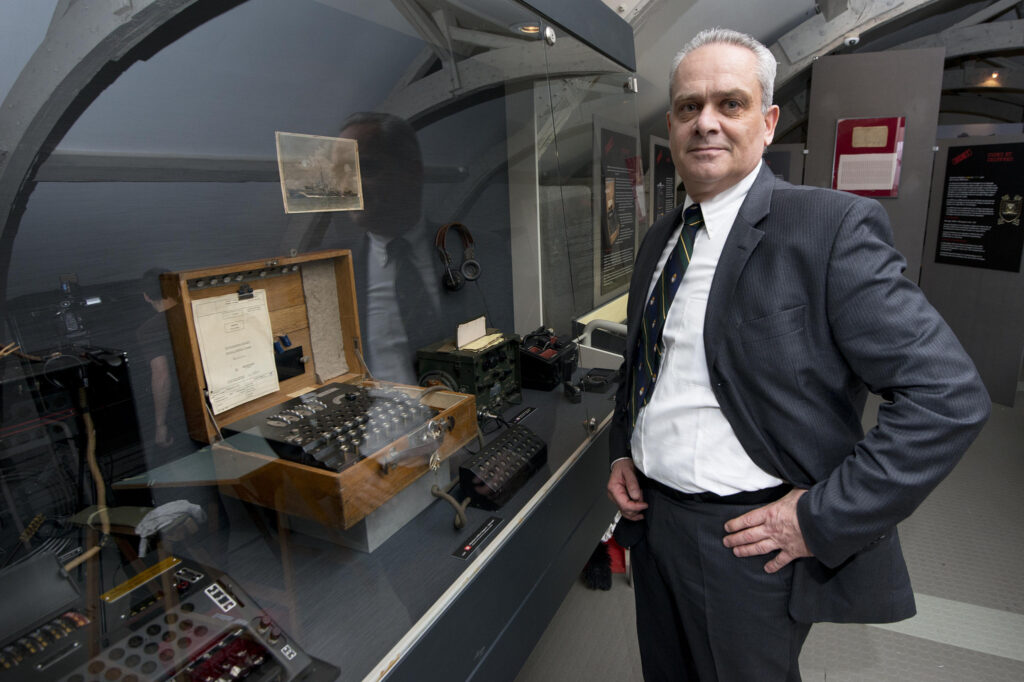
Analista senior di l'intelligenza in u campu di a gestione di i risichi di sicurezza, sรฒ un anzianu tenente detective รจ ufficiale di l'intelligenza in l'agenzie di u Statu francese. A bona pronuncia hรจ ะะธะบะพะปะฐะน ะงะธะฝะบัƒะธะฝะธ, in russu

Tag: libya

  • Lโ€™engagement franรงais dans les rangsย ukrainiens

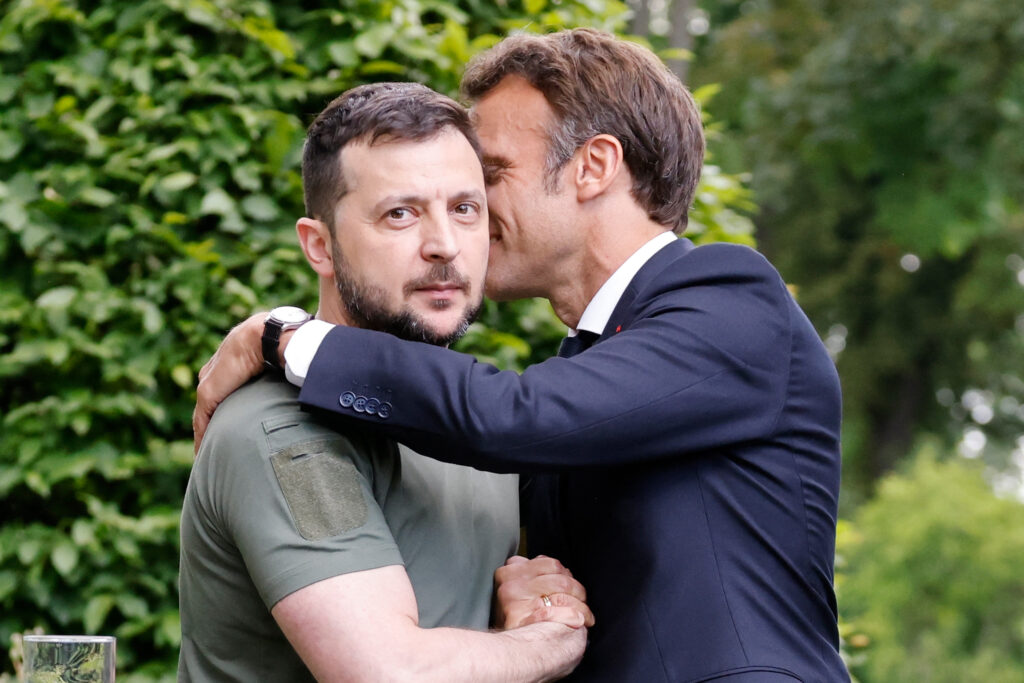
    • Macron, Emmanuel, nรฉ le 21 dรฉcembre 1977,

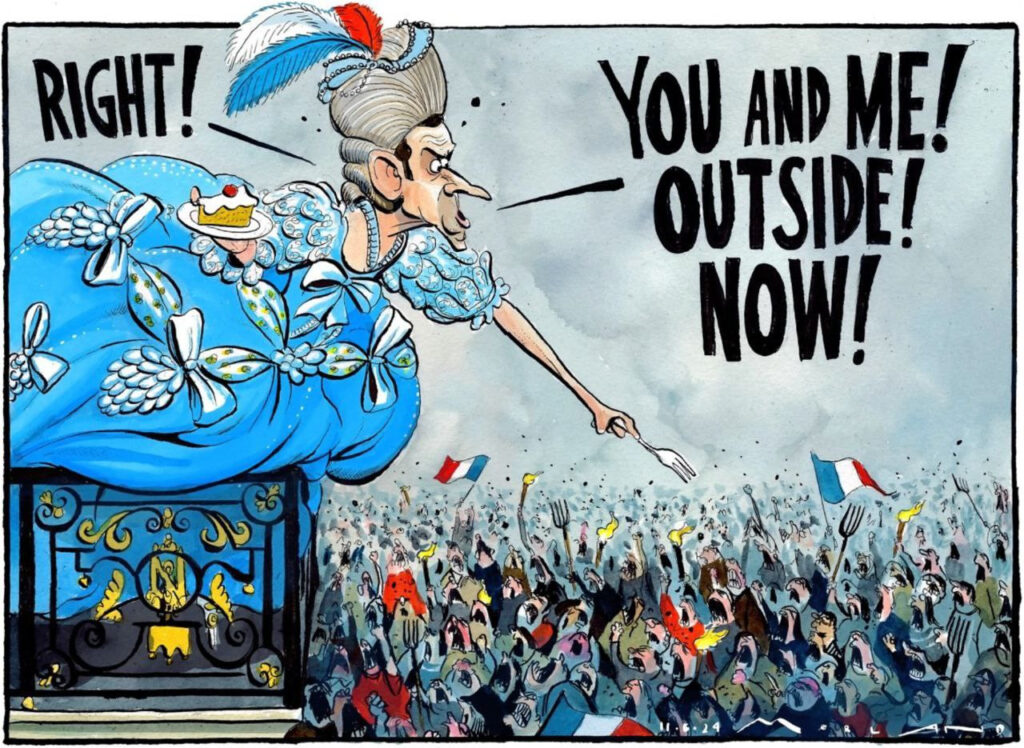
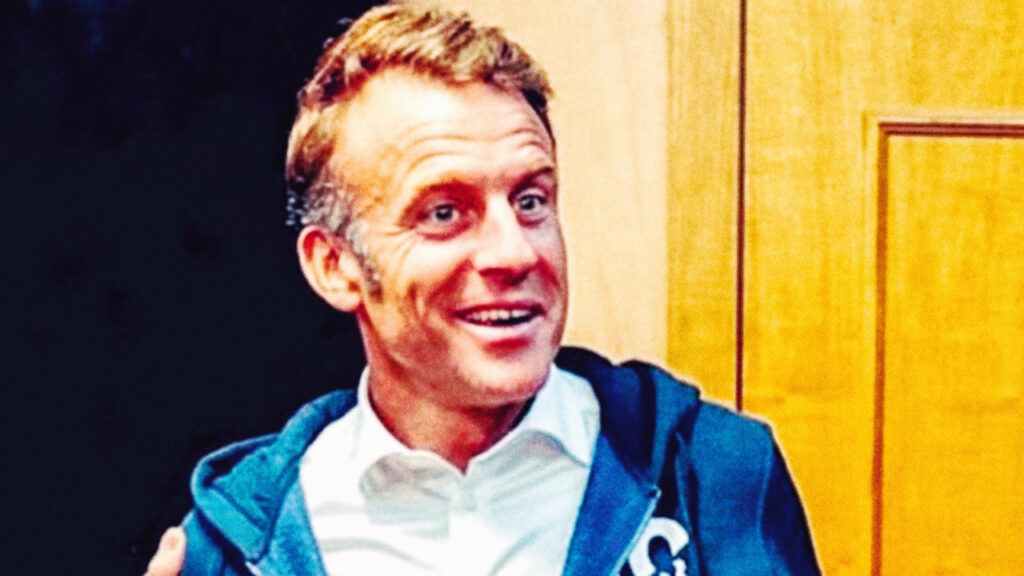
    est aprรจs Nicolas Sarkozy et Franรงois Hollande, le troisiรจme gouverneur dโ€™une France infรฉodรฉe aux ร‰tats-Unis et ร  leurs intรฉrรชts. Et en mรชme temps, que ce soit l’expression de son arrogance ou une faรงon de sรฉduire ses rares รฉlecteurs, il sโ€™agite dans des efforts dรฉsespรฉrรฉs pour apparaรฎtre au dessus de ses moyens

    Sa personnalitรฉ infantile, ses caprices, sa vacuitรฉ abyssale de politicien typique de l’Occident de ce dรฉbut de troisiรจme millรฉnaire, de pur communicant, en font sans doute le personnage le moins intรฉressant de ce panthรฉon. Je retiens quand mรชme de Macron qu’il tenta le 11 novembre 2018 de rรฉhabiliter le dirigeant fasciste Philippe Pรฉtain.

    Compte tenu des qualitรฉs rรฉelles de l’imposteur, il est heureux que la France soit aujourd’hui vassale des USA, qui au Niger ou en Ukraine, savent calmer d’un sifflet les rodomontades des autoritรฉs franรงaises. Car mรชme les ร‰tats-uniens sont plus compรฉtents et moins nuisibles aux restes de l’humanitรฉ

    Quand des pays comme l’Allemagne ou la France, avec leurs passifs historiques, ont l’insolence de prรฉtendre dรฉfendre, comme des vierges de Delphes, la dรฉmocratie ou la libertรฉ, les vastes restes du monde rigolent doucement. La dรฉcence la plus รฉlรฉmentaire exigerait plus d’humilitรฉ.

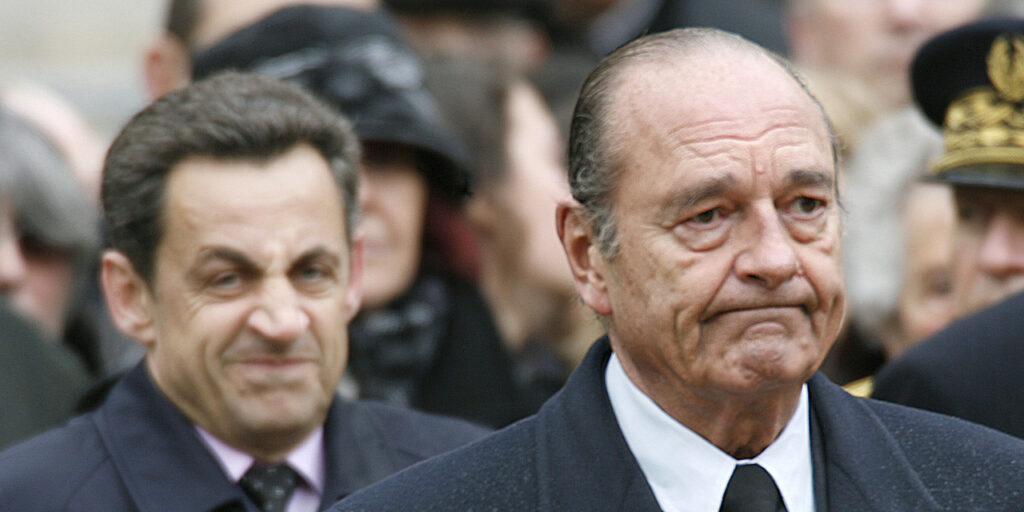
    La derniรจre action indรฉpendante et dรฉcente de la France sur la scรจne internationale fut pour le bien, en 2003, l’opposition de Jacques Chirac ร  l’invasion anglo-รฉtats-unienne de l’Irak

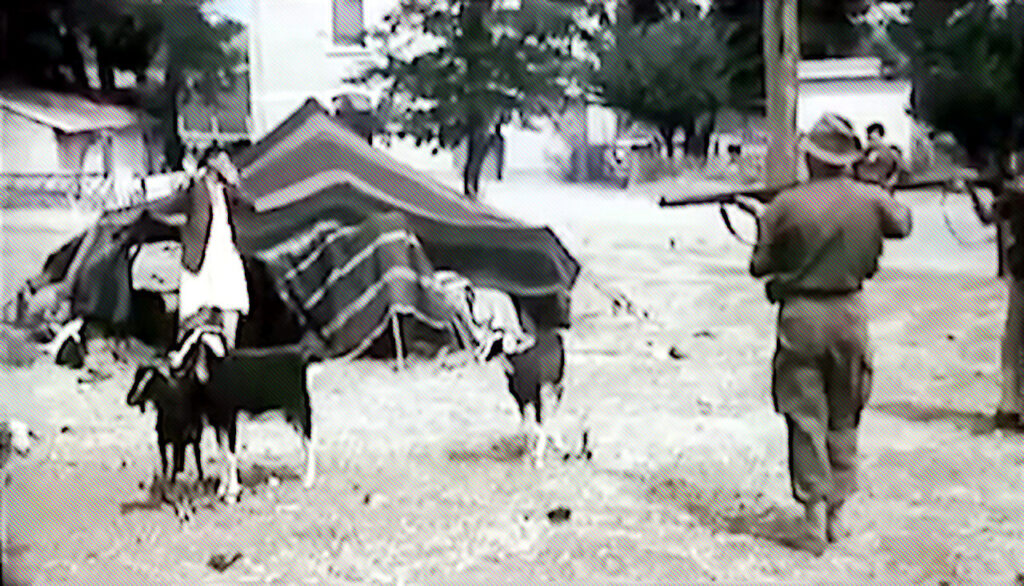
    Une invasion qui prรฉcรฉda la destruction en 2011 de la Libye (Sarkozy), cause de l’activitรฉ djihadiste au Sahel, le soutien ร  l’insurrection sunnite radicale contre le gouvernement laรฏc de Syrie (Hollande), que les Parisiens payรจrent un vendredi, puis le coup d’ร‰tat d’extrรชme-droite en Ukraine et la guerre au Donbass depuis 2014. Les Occidentaux sont devenus des fous furieux et les Franรงais sont aujourd’hui parmi les pires

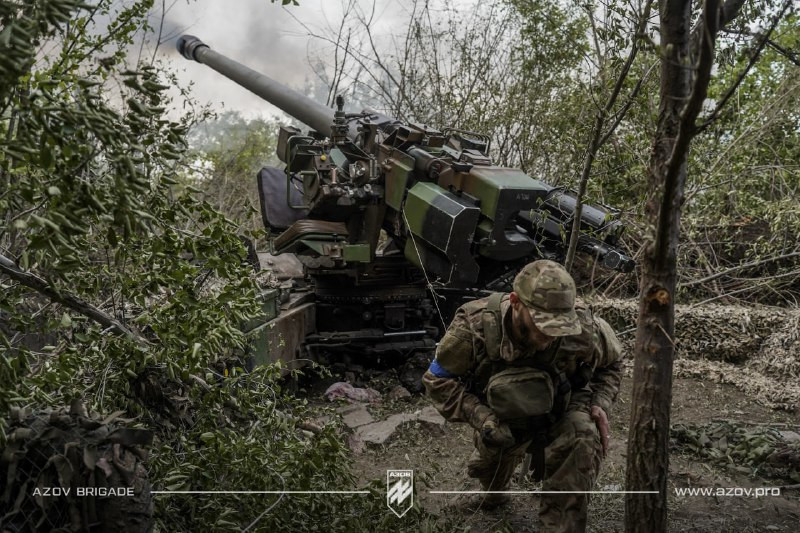
    En juin 2023, dรฉjร , la 12e brigade spรฉciale, รฉmanation de l’organisation nazie Azov dans la garde nationale ukrainienne, employait au front l’obusier de 155 mm TRF1, prรฉdรฉcesseur dans l’armรฉe franรงaise du CAESAR

    Le 2 mars 2024, lโ€™entrepreneur libertarien David Sacks dรฉfinit fort bien la nature actuelle de lโ€™OTAN, dans un tweet que je traduis ici en Franรงais

    En 1991, lโ€™Union soviรฉtique sโ€™effondra et lโ€™OTAN fut confrontรฉe ร  une crise existentielle : sa raison dโ€™รชtre nโ€™existait plus. Mais plutรดt que de se dรฉmanteler, elle sโ€™est donnรฉe une nouvelle mission : sโ€™รฉtendre. Et dans une boucle autorรฉfรฉrentielle, lโ€™expansion de lโ€™OTAN crรฉerait lโ€™hostilitรฉ nรฉcessaire pour se justifier

    Et voila le rรฉsultat, la descente dโ€™une prise de coke qui รฉtait censรฉe apaiser les troubles anxieux de petits bourgeois froussards, que leur lรขchetรฉ fait aujourdโ€™hui immoler des centaines de milliers dโ€™Ukrainiens, enrรดlรฉs de force dans les troupes atlantistes. Les incantations sur la dรฉmocratie ou la libertรฉ ne sont quโ€™une bouillie politiquement correcte, le colonialisme du XIXe siรจcle, qui dรฉjร  prรฉtendait civiliser, passรฉ au blender. La question se pose encore une fois : qui sont les barbares ?
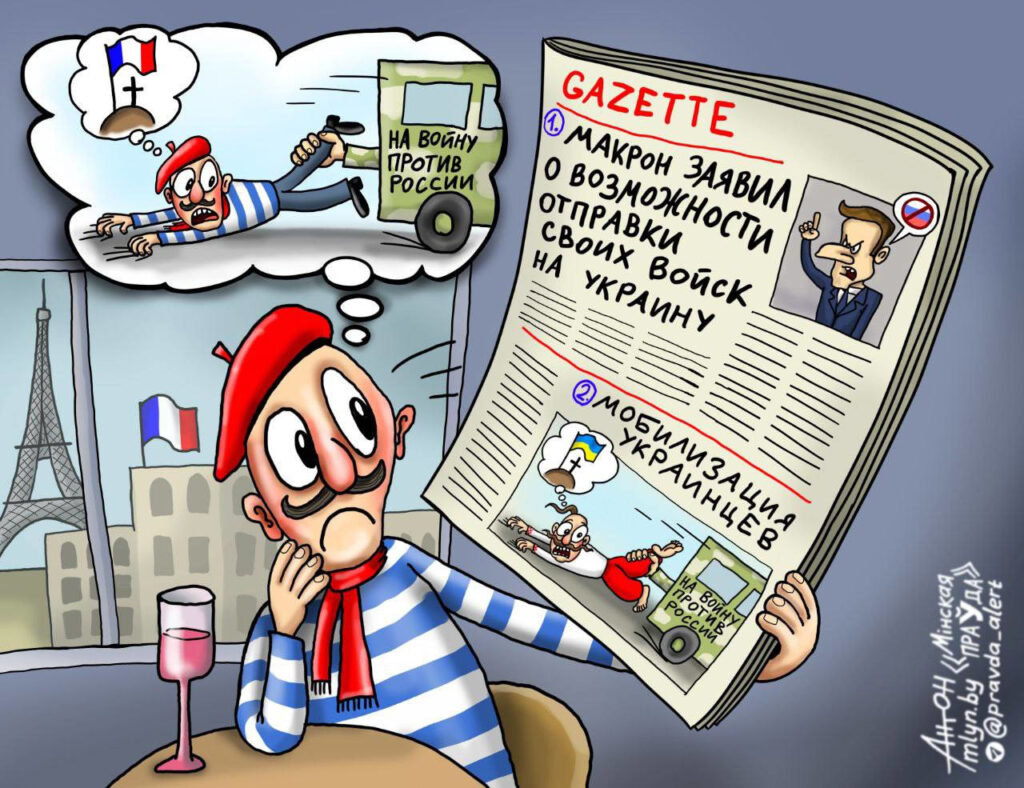
    Le 30 mars 2024, deux vrais journalistes, Serge Halimi et Pierre Rimbert, dรฉcrivent enfin dans le Monde diplomatique ce qui se passe dans le microcosme politico-journalistique d’un pays qu’au tout dรฉbut de ce troisiรจme millรฉnaire, la CIA classait dรฉjร  parmi les rรฉpubliques bananiรจres

    Troupes franรงaises en Ukraine, une gaffe prรฉsidentielle sous escorte mรฉdiatique : les nouveaux chiens de guerre […] ร€ la fin de lโ€™hiver, les journalistes franรงais se sont รฉvertuรฉs ร  transformer une gaffe prรฉsidentielle en un joyau de lโ€™analyse gรฉopolitique […]

    Le phรฉnomรจne est paradoxal, mais plus La France rรฉtrรฉcit, plus elle se prend pour le centre du monde. Dans la rรฉalitรฉ, le camp occidental a aussitรดt rabrouรฉ le fanfaron, qui a donc ratรฉ sa brillante manoeuvre psychologique. Seule la presse bleu horizon ne le trouve pas ridicule et si lโ€™armรฉe franรงaise devait obรฉir ร  lโ€™ordre absurde de sโ€™engager seule en Ukraine, les survivants en reviendraient plus traumatisรฉs que ceux de la Bรฉrรฉzina.

    Alors que selon la rumeur, Macron serait sur le point dโ€™officialiser la prรฉsence de militaires franรงais sur le champ de bataille en Ukraine et au Donbass, le vice-prรฉsident du Conseil italien, Matteo Salvini, รฉcrit le 4 juin et illustre sur les rรฉseaux sociaux

    Je dirai ร  Macron : tu devrais aller en Ukraine pour te battre, mettre un casque et ne pas jouer avec les tรชtes des Italiens

    ร€ la cรฉlรฉbration du 80e anniversaire du dรฉbarquement de Normandie, Macron a eu le mauvais goรปt d’inviter Volodymyr Zelenskyy, reprรฉsentant d’un pays en guerre ethnique depuis le coup d’ร‰tat d’extrรชme-droite en 2014, qui contrairement ร  ses promesses รฉlectorales mais sous la pression d’un ร‰tat profond nazi, n’a pas mis fin au conflit, un pays rรฉvisionniste qui cรฉlรจbre le souvenir des fascistes qui ont combattu dans les rangs du III. Reich
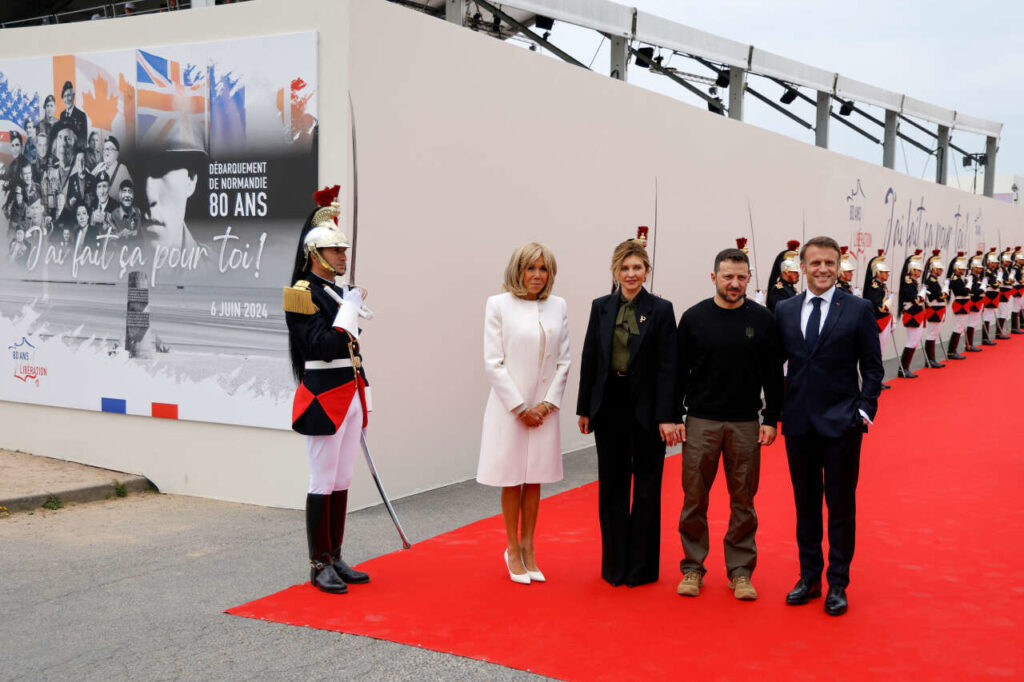
    Avec lโ€™invitation de lโ€™Allemagne depuis 2004 et maintenant celle de lโ€™Ukraine, l’anniversaire du dรฉbarquement de Normandie est une vulgaire sauterie atlantiste, un spectacle cringe, qui fait de la peine pour les vรฉtรฉrans qui sโ€™y prรชtent encore. Par sa personnalitรฉ, Macron en accentue la vulgaritรฉ

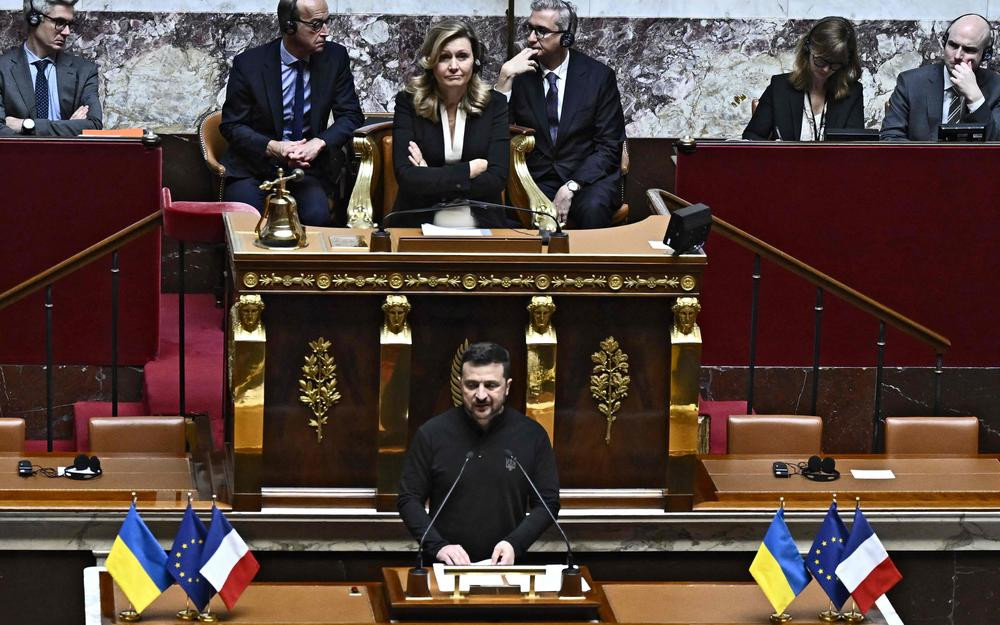
    Le spectacle de cabaret ne porte pas chance aux Playmobil et ร  leur brigadier Yaรซl Braun Pivet. L’Assemblรฉe nationale est dissoute le 9 juin, ร  l’issue d’รฉlections europรฉennes qui sont une dรฉroute pour Macron et tous ceux qui ont ovationnรฉ Zelenskyy

    Le 9 octobre, il partage sur X une jolie vidรฉo de l’entraรฎnement en France de militaires ukrainiens et commente

    Jโ€™en avais pris lโ€™engagement : nos militaires forment actuellement 2 300 soldats ukrainiens dans le Grand Est, avec des รฉquipements quโ€™ils utiliseront en mission.

    La brigade Anne de Kyiv sera formรฉe et รฉquipรฉe grรขce ร  la solidaritรฉ de la France

    C’est sans doute Gabin Donnio Choupeaux, qui dans un entretien du mois de mars, a soufflรฉ le nom de la brigade ร  la propagande bleu horizon. Bravo

    Nous partageons une histoire commune avec Anne de Kiev, รฉpouse de Henri Ier et reine des Francs de 1051 ร  1060

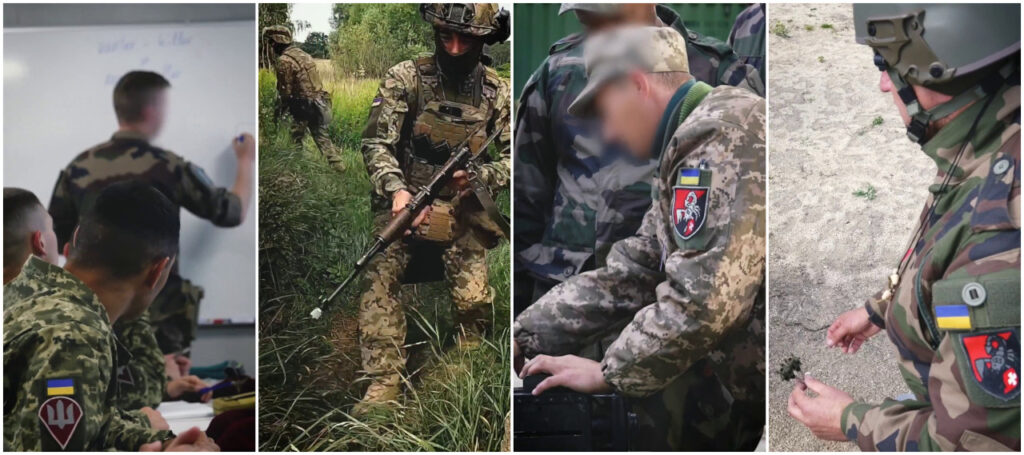
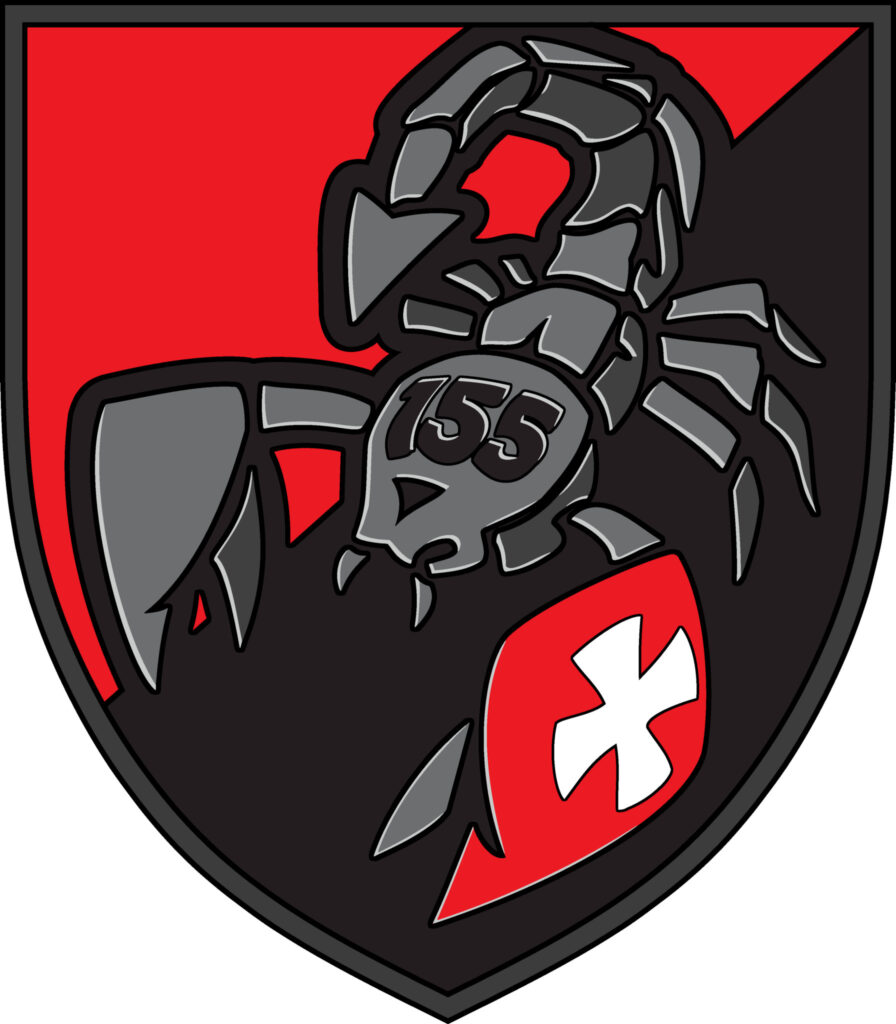
    En guise de rรฉfรฉrence, dans un souci de communication, une femme politique รขgรฉe dโ€™environ 1000 ans est plus commode que beaucoup de personnages franรงais ou ukrainiens de la 2de guerre mondiale. Mais le diable est dans les dรฉtails. Personne ร  la cour de sa Vacuitรฉ nโ€™a remarquรฉ lโ€™รฉcusson ? Portรฉ notamment par un instructeur en tenue camouflรฉe franรงaise, il reprend les couleurs rouge et noir, qui nโ€™ont rien de nationales mais sont en Ukraine celles des nazis dโ€™hier et dโ€™aujourdโ€™hui

    Il est l’insigne de la 155e brigade, formรฉe en juin avec de nouveaux contingents de chair ร  canon ukrainienne. L’unitรฉ est d’infanterie ou mรฉcanisรฉe, l’histoire n’est pas encore catรฉgorique sur ce point

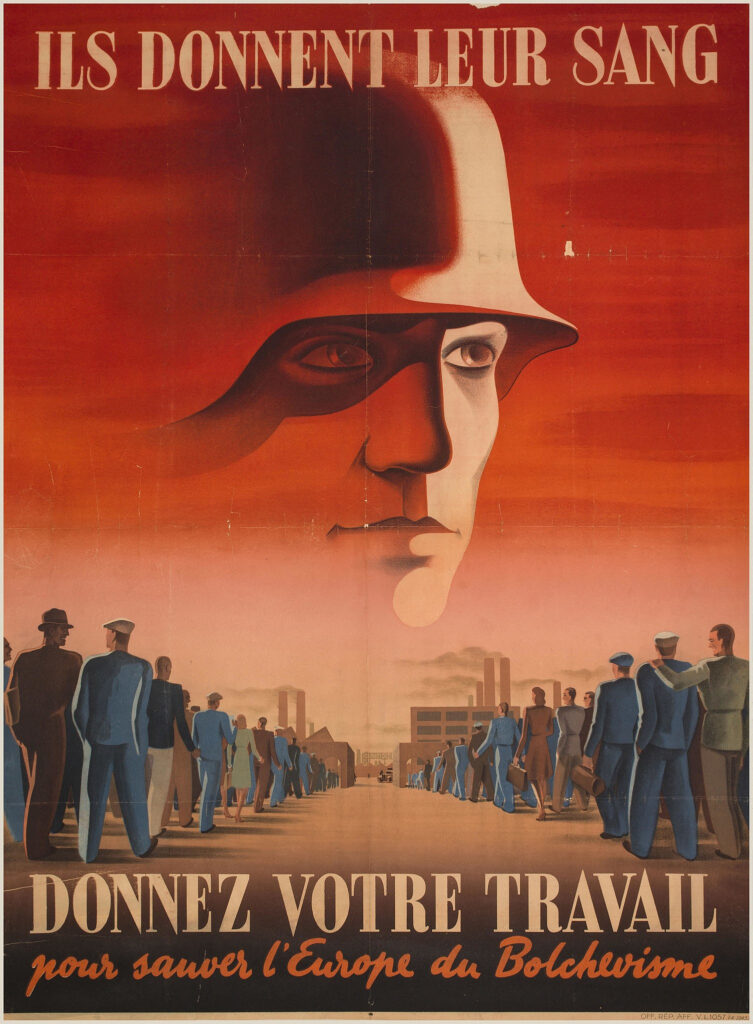
    Cela dรฉpendra sans doute de la solidaritรฉ du contribuable franรงais. Car comme disait autrefois lโ€™ร‰tat franรงais, ils donnent leur sang, donnez votre travail
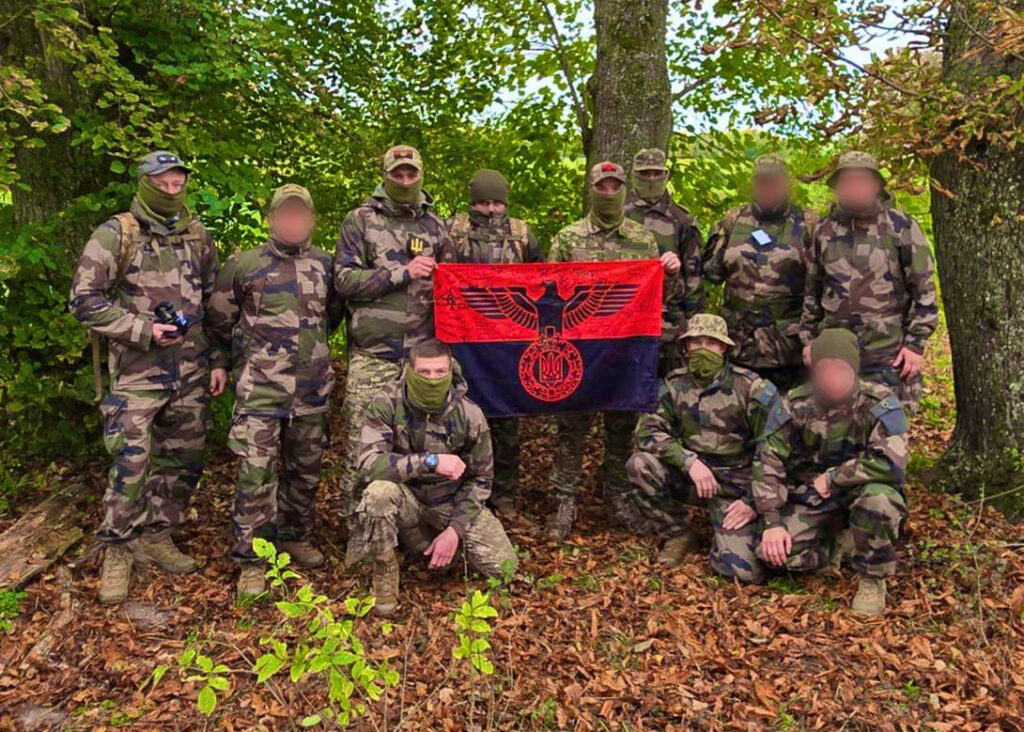
    Anne de Kiev ou Eva Braun ? L’image a รฉtรฉ dรฉcouverte par des internautes polonais qui la partagent le 4 novembre et s’en offusquent ร  juste titre. Des stagiaires ukrainiens de la 155e brigade et probablement aussi leurs instructeurs franรงais, tous en tenue camouflรฉe franรงaise, posent dans l’automne champenois

    Le groupe dรฉploie un รฉtendard qui ne reproduit pas l’insigne de la brigade, est une des multiples versions du drapeau que les nazis ukrainiens considรจrent comme un emblรจme national. Les couleurs rouge et noir sont celles de l’Armรฉe des insurgรฉs (UPA), milice nazie ukrainienne qui entre 1943 et 1945, a massacrรฉ au moins 50 000, peut รชtre 100 000 civils polonais. Coquetterie de cette version, le bien connu Reichsadler [aigle impรฉrial] (cf. Sylvain Caupin), oรน le trident ukrainien a remplacรฉ le swastika des nazis allemands de la 2de guerre mondiale.

    ร€ l’instar de l’ex premier ministre, le vraiment trรจs jeune Gabriel Attal, le dรฉpartement commercial de la Misanthropic Division, confrรฉrie nazie internationale, fondรฉe et basรฉe en Ukraine depuis 2013, cรฉlรจbre le 19 novembre le 1000e jour de l’opรฉration militaire spรฉciale russe, dernier chapitre d’une guerre qui fait rage au Donbass depuis 3830 jours, soit 10 ans, 5 mois et 24 jours
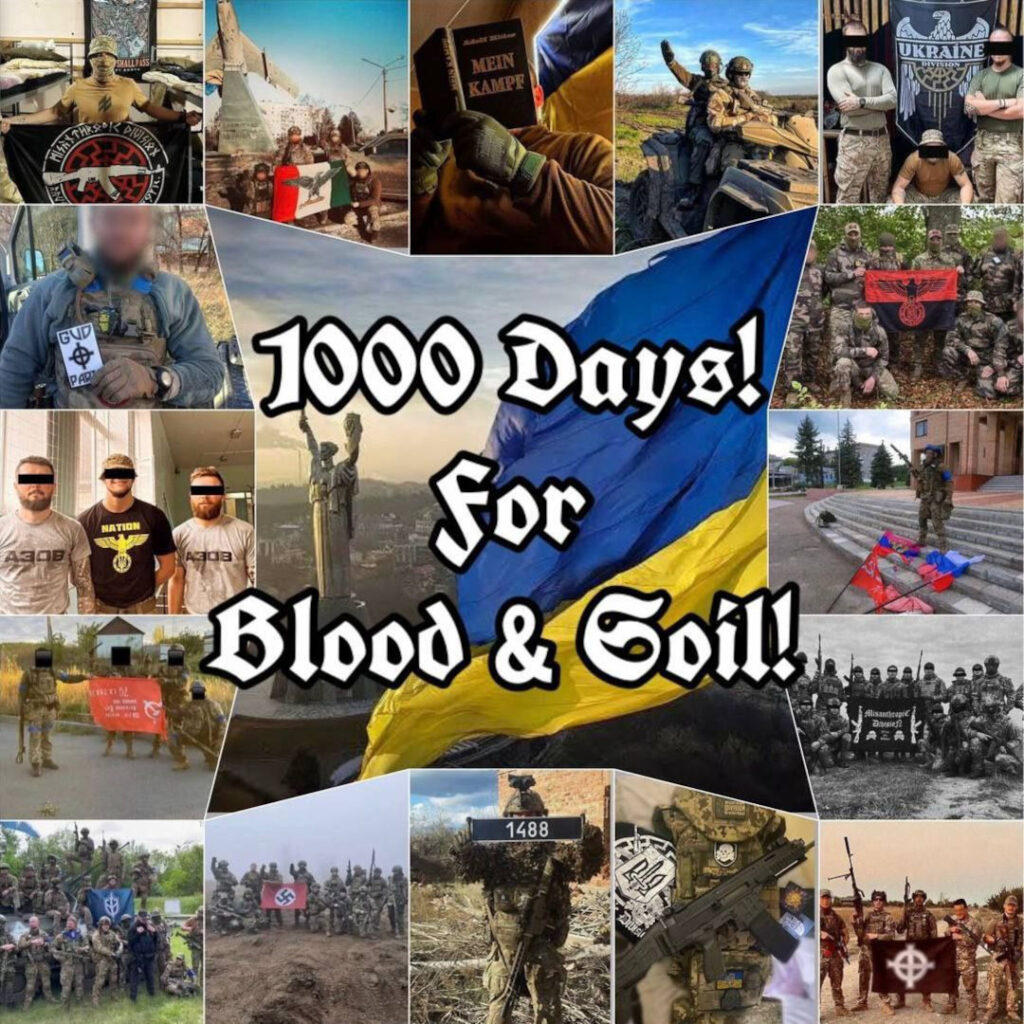
    Les nazis ukrainiens n’oublient pas la contribution franรงaise ร  leur cause. Leur collage comporte l’image d’un militant du GUD parisien et celle partagรฉe le 4 par des internautes polonais, prise en Champagne par des stagiaires miltaires ukrainiens, qui aux frais de la princesse, dรฉployรจrent leur drapeau nazi

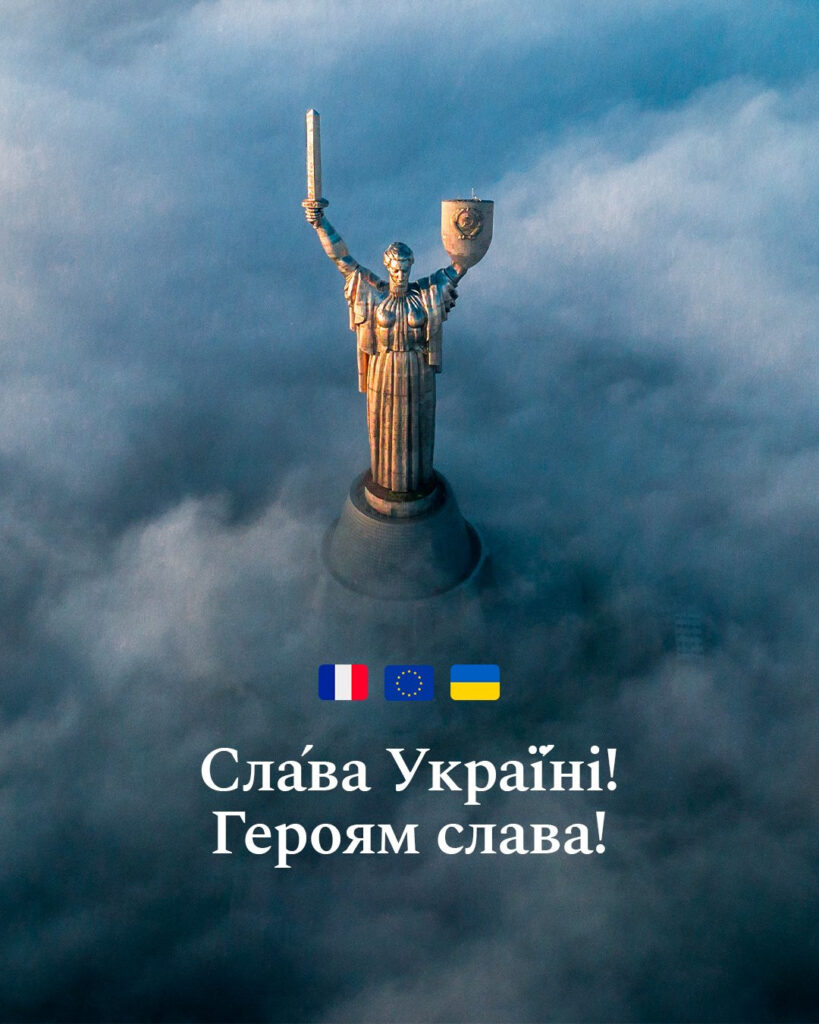
    Pour sa part, le petit Gabriel partage cette image sur X, oรน il clame en Ukrainien ะกะปะฐฬะฒะฐ ะฃะบั€ะฐั—ฬะฝั–! ะ“ะตั€ะพัะผ ัะปะฐะฒะฐ! [Gloire ร  l’Ukraine ! Gloire aux hรฉros !]. Ses anciennes fonctions le dispensent d’ignorer que le slogan Gloire aux hรฉros fut inaugurรฉ en avril 1941 par les fascistes de l’OUN (Organisation des nationalistes ukrainiens), alors implantรฉs dans le Generalgouvernement fรผr die besetzten polnischen Gebiete [Gouvernement gรฉnรฉral des territoires polonais occupรฉs].

    Dans un entretien que la BBC publie le 23 novembre 2024, Jean-Noรซl Barrot dรฉclare quโ€™il nโ€™y a pas de ligne rouge quand il est question de soutenir lโ€™Ukraine, que La France autorise ร  lancer en territoire russe ses missiles franรงais de longue portรฉe (SCALP, le nom franรงais du missile de croisiรจre que les Britanniques appellent Storm Shadow)
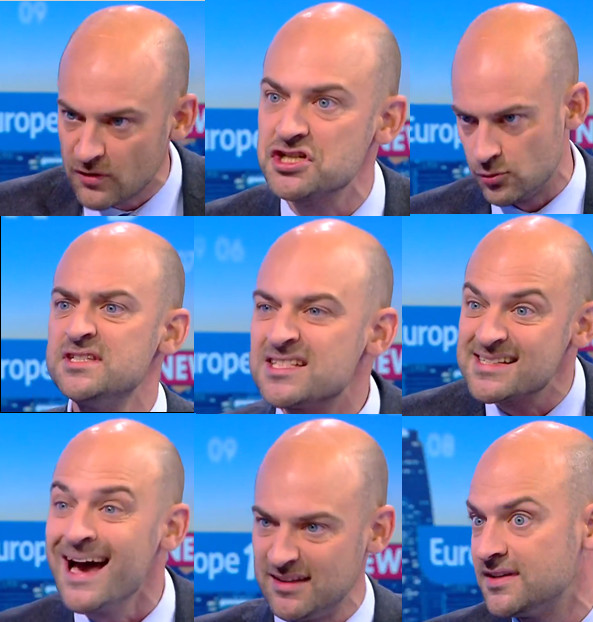
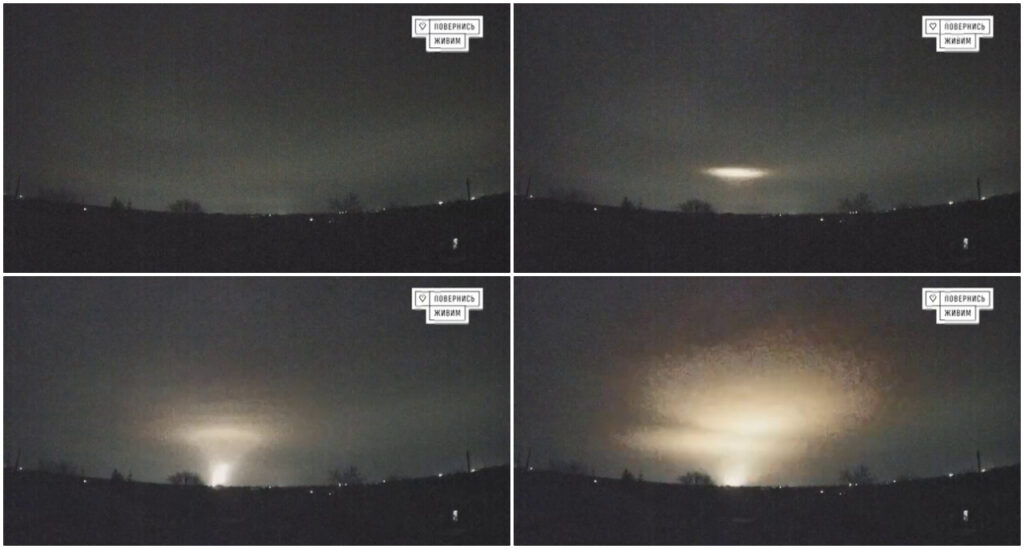
    Quel est le contexte des fanfaronnades du frais รฉmoulu ministre des affaires รฉtrangรจres de la Macronie ? En guise dโ€™avertissement, au petit matin du 21 novembre, la Russie utilisa un missile balistique, pour cette fois ร  charge conventionnelle. La cible รฉtait une usine militaire ร  Dnipro, oรน la vidรฉosurveillance montre clairement les arrivรฉes de six ogives distinctes

    Dans une allocution en soirรฉe, Vladimir Poutine prรฉcisa que le nouveau systรจme dโ€™armes est appelรฉ Oreshnik [Noisette]. Le missile balistique hypersonique de portรฉe intermรฉdiaire (IRBM hypersonique) vole ร  une vitesse proche de Mach 10. Sa portรฉe de 5 000 km le prรฉdispose au traitement de cibles en Europe
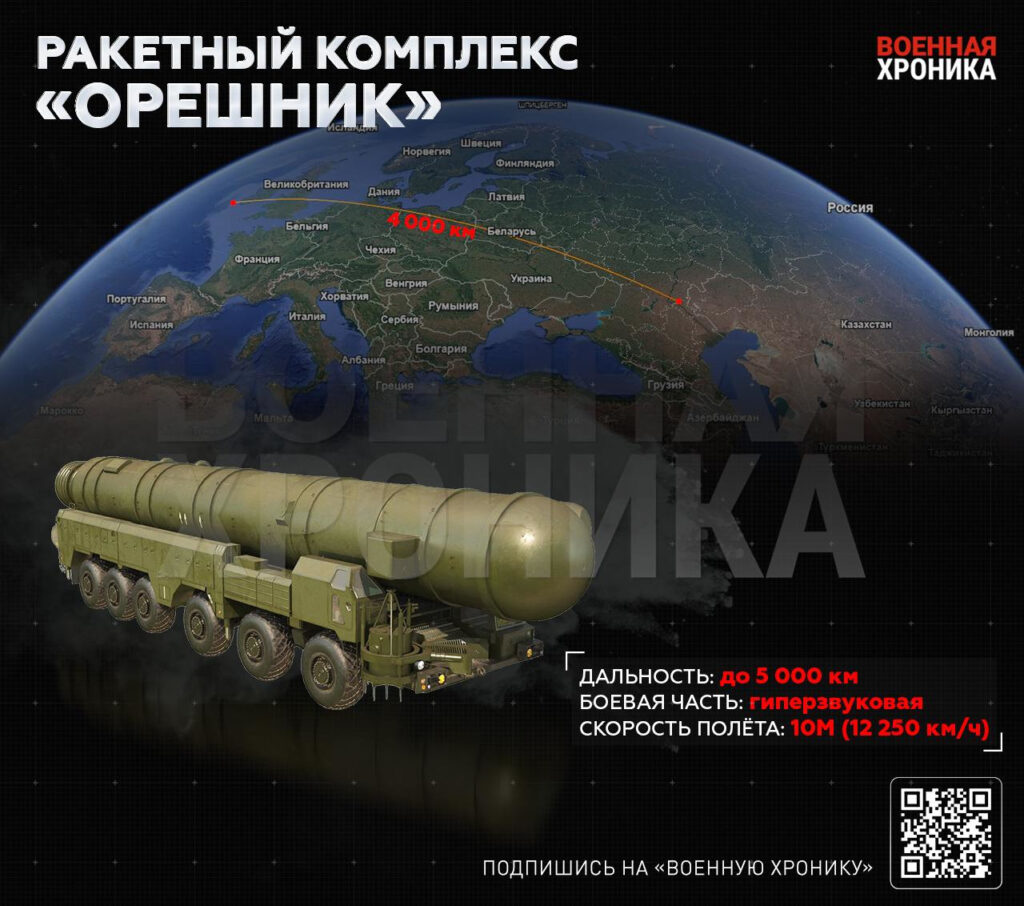
    Il ajouta

    Nous nous considรฉrons en droit dโ€™utiliser nos armes contre les installations militaires des pays qui autorisent lโ€™utilisation de leurs armes contre nos installations. Et en cas dโ€™escalade des actions agressives, nous rรฉpondrons de maniรจre dรฉcisive et en miroir

    Cette dรฉmonstration รฉtait une riposte ร  plusieurs attaques avec des missiles de lโ€™OTAN, que les forces atlantistes avaient menรฉes sur le territoire russe depuis que Joe Biden les autorisa le 17 novembre
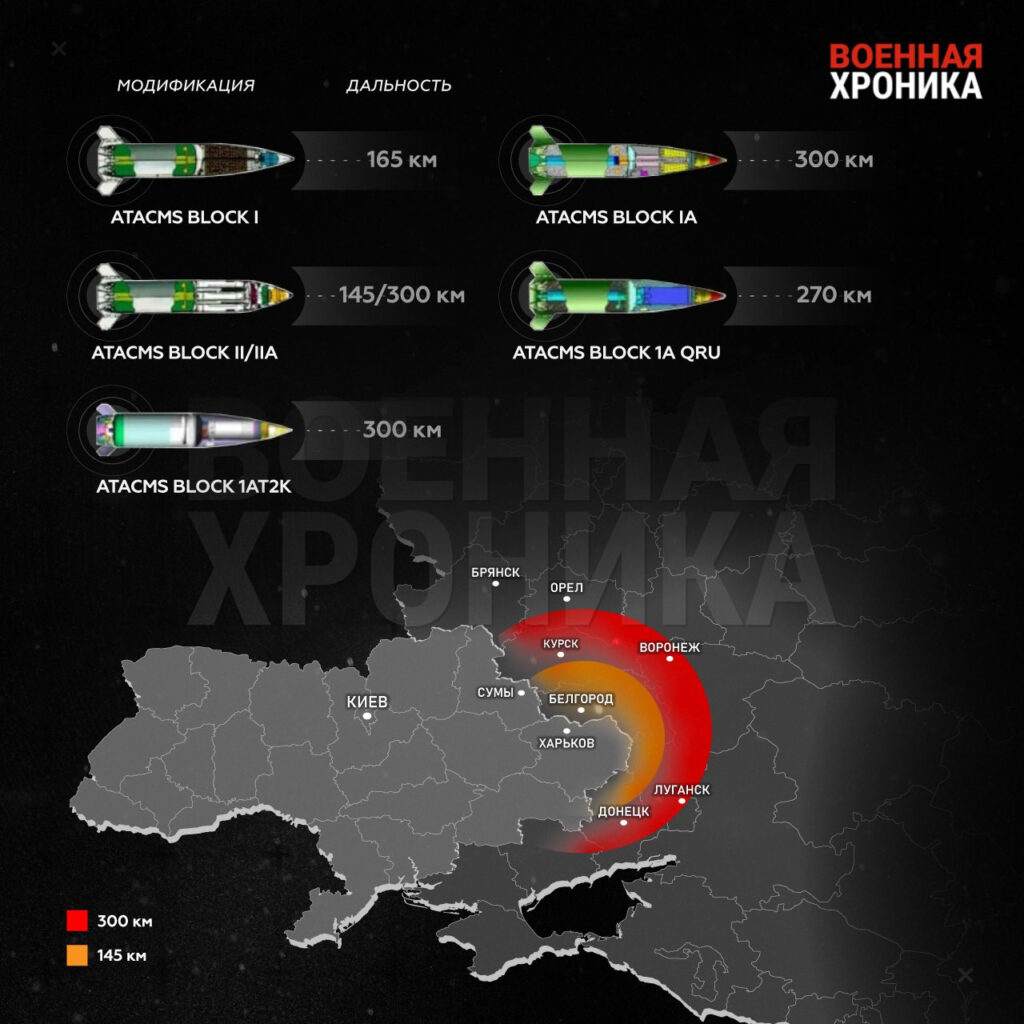
    Que justifie les menaces russes de frappes nuclรฉaires ? Depuis le dรฉclenchement en 2014 des opรฉrations militaires, contre les insurgรฉs russophones du Donbass, dโ€™un pouvoir ukrainien issu dโ€™un coup dโ€™ร‰tat dโ€™extrรชme-droite en fรฉvrier de cette annรฉe lร , de faรงon encore plus รฉvidente aprรจs le dรฉbut en 2022 de lโ€™opรฉration militaire spรฉciale russe, les stratรจges occidentaux voient la Russie comme une grenouille plongรฉe dans une eau lentement portรฉe ร  รฉbullition. Lโ€™escalade de leur guerre par procuration est graduelle, avec lโ€™ambition illusoire de ne pas provoquer de rรฉaction russe symรฉtrique. Point particulier : elle est conduite aujourd’hui avec des armes que l’Ukraine ne pourrait pas employer en territoire russe sans le concours des satellites et techniciens de l’OTAN. Cโ€™est ร  cette escalade graduelle que rรฉpondent les menaces de frappes nuclรฉaires. Non pas aux effets rรฉels de quelques missiles tactiques dont la plupart sont abattus par la dรฉfense aรฉrienne avant dโ€™atteindre leur cibles en territoire russe. Car cette variable est essentielle ร  lโ€™analyse de la situation : les tirs de ces munitions occidentales ne changeront pas le rapport de force et nโ€™empรชcheront pas la victoire militaire de la Russie.

    Pourquoi ces tirs de missiles de lโ€™OTAN ? Escalade graduelle donc. Mais encore ? Biden les autorisa moins de deux semaines aprรจs la victoire sans appel de Donald Trump et ร  deux mois de son retour ร  la Maison blanche. Envenimer la situation militaire pour saboter ou compliquer le rรจglement politique ultรฉrieur du conflit ? Cโ€™est bien possible. Lโ€™inaliรฉnable alliance historique entre les USA et le Royaume-Uni est une constante de lโ€™รฉquation. De surcroรฎt, la russophobie รฉpidermique et tout aussi historique des classes dirigeantes dโ€™Albion explique aussi la position britannique.

    Mais pourquoi cette posture franรงaise de supplรฉtif doublรฉ dโ€™une mouche de coche ? Pour galvaniser la masse des innocents qui sโ€™informent auprรจs de BFMTV, CNews ou LCI ? Sans doute, tant la communication est une prรฉoccupation majeure des gouvernements de la Macronie. Pour satisfaire lโ€™รฉgo puรฉril dโ€™Emmanuel Macron ? Je le crains, mais pas seulement
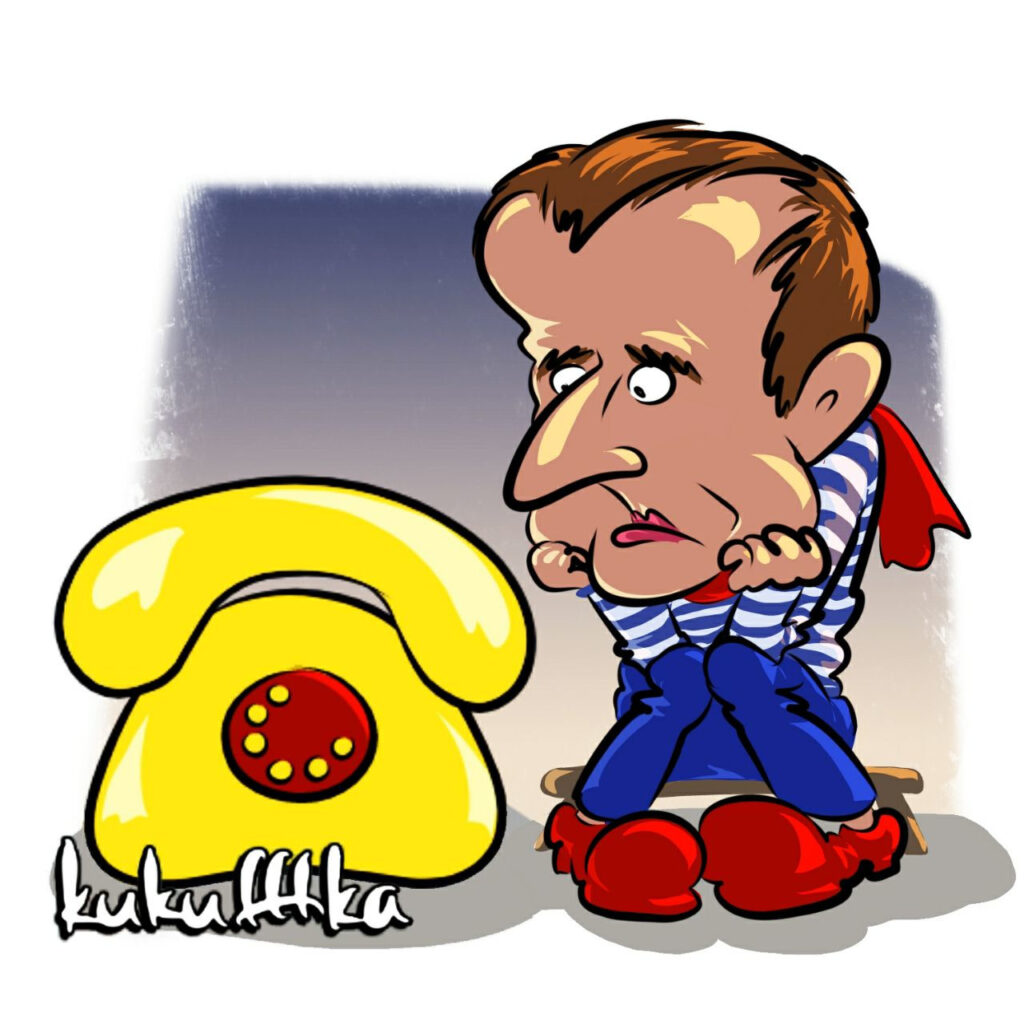
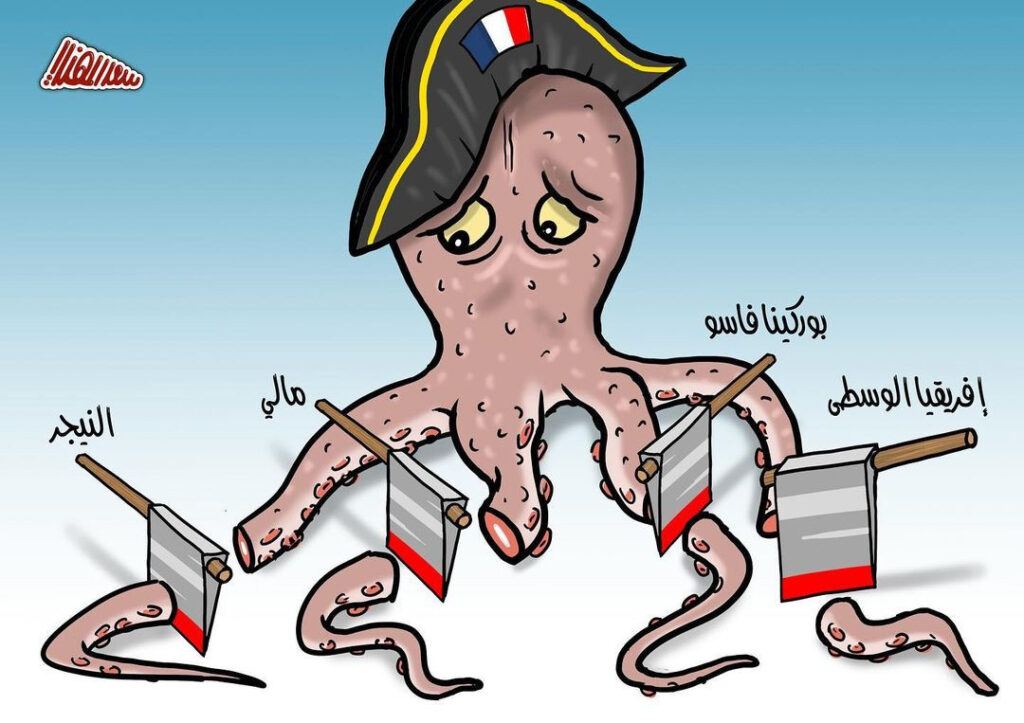
    Les classes dirigeantes franรงaises sont รฉpouvantรฉes par lโ€™effondrement de lโ€™hรฉgรฉmonie occidentale, ce que la perte de la Franรงafrique pourrait coรปter ร  lโ€™รฉconomie franรงaise

    Mais plus les Occidentaux et Franรงais feront monter les enchรจres, sans pourtant empรชcher la victoire russe en Ukraine ou les lรฉgitimes aspirations des Africains ร  leur libรฉration, plus la dรฉfaite sera finalement humiliante et plus dure sera la chute.

    Le drame est รฉvoquรฉ en public le 13 dรฉcembre 2024, par le journaliste ukrainien Iouri Butoussov. Le reconstituer dans son intรฉgralitรฉ est une tรขche aisรฉe pour lโ€™observateur chevronnรฉ.

    Engagรฉe en Rรฉpublique populaire de Donetsk, soumise dans le secteur de Pokrovsk ร  lโ€™รฉtreinte puissante des forces russes, la brigade Frรฉnรฉgonde de Pouille [ou quelque chose comme รงa] sโ€™est dรฉsagrรฉgรฉe le 10 dรฉcembre. Au moins un millier dโ€™hommes, prรจs de la moitiรฉ de son effectif thรฉorique total, sont partis en dรฉroute et ont dรฉsertรฉ

    Cโ€™est aux frais de la princesse, que cette 155e brigade mรฉcanisรฉe avait รฉtรฉ รฉquipรฉe de matรฉriel franรงais et entraรฎnรฉe en Champagne. Macron sโ€™en vanta le 9 octobre sur les rรฉseaux sociaux. Mais tout est perdu, mรชme l’honneur.

    Le 2 janvier 2025, pour boire le calice jusqu’ร  la lie, le Parisien nous rappelle la brigade Frรฉnรฉgonde de Pouille [ou quelque-chose comme รงa], pour nous apprendre que le nombre de dรฉsertions s’รฉlรจverait alors ร  1 700. Soit 74% d’un effectif total de 2 300, que j’ai pris la peine de relever en octobre. Et non pas 4 500, comme le quotidien cocardier le prรฉtend, quand il relaie la propagande atlantiste. 4 500 est l’effectif moyen d’une brigade รฉtats-unienne, mais celles formรฉes en Ukraine sont toujours de petits calibres.

    L’article stimule ma curiositรฉ et alors que le rรฉcit de ces dรฉboires fait le tour des rรฉdactions des vastes restes du monde, dont hilares, celles de la perfide Albion, une source peu suspecte de sympathie pour la Russie, Wikipedia, nous prรฉcise le 3 janvier que dรฉbut dรฉcembre, le nombre de dรฉsertions s’รฉlรจvaient dรฉjร  ร  1 883, dont 50 en France, soit 82% d’un effectif total de 2 300
    Comme nous le savions dรฉjร , le reliquat a รฉtรฉ engagรฉ dans le secteur de Pokrovsk, Rรฉpublique populaire de Donetsk, oรน il s’est fait รฉtriller. La guerre tue, surtout les vaincus, c’est un peu le principe. Mais un animateur de foire comme Emmanuel Macron est si peu รฉquipรฉ pour en saisir le sens ou les vertus.

    Le 17 fรฉvrier 2025, veille de lโ€™ouverture en Arabie Saoudite de nรฉgociations entre Russie et ร‰tats-Unis au sujet de lโ€™Ukraine, il accueille ร  Paris une rรฉunion impromptue de dirigeants europรฉens qui sโ€™opposent aux perspectives de paix favorisรฉes par la victoire de Donald Trump. Leur hostilitรฉ ร  la fin de la guerre atlantiste par procuration en Ukraine est dโ€™ailleurs la raison pour laquelle ces matamores europรฉens ne sont pas invitรฉs ร  participer aux nรฉgociations entre les deux grandes puissances. Les ร‰tats-uniens ont beau jeu de rappeler que France et Allemagne รฉtaient censรฉes garantir depuis 2014 le respect par l’Ukraine des accords de Minsk. La presse bleu horizon tรขche de vanter l’รฉvรฉnement, mais la rรฉalitรฉ est sordide

    Aussi peu performants en gรฉnรฉral ou populaires ร  domicile que Macron, le Britannique Keir Starmer et lโ€™Allemand Olaf Scholz sont les vedettes de la rรฉunion. Donald Tusk est aussi prรฉsent, mais la Pologne a dรฉjร  dรฉcidรฉ de ne pas engager son armรฉe en Ukraine. Dโ€™autres chefs dโ€˜ร‰tats et la bureaucrate teutonne Ursula von der Leyen complรจtent le tableau. Leur tactique immรฉdiate consiste ร  quรฉmander une participation europรฉenne aux nรฉgociations et pour lโ€™Ukraine, un accรจs ร  lโ€™OTAN que Washington refuse dรฉjร . Royaume-Uni et France clament leur volontรฉ de dรฉployer des troupes de maintien dโ€™un รฉventuel cessez-le-feu mais ne disposent plus en volume dโ€™armรฉes capables de mener une telle opรฉration.

    Le mรชme jour, le philosophe Harold Bernat publie un texte fort ร  propos, oรน il constate lโ€™effondrement [intellectel] sidรฉrant dโ€™une bourgeoisie dont Emmanuel Macron est le hรฉraut.

    Un autre exemple spectaculaire de ce syndrome est une femme, รฉgalement impliquรฉe dans les mรฉfaits de lโ€™Europe en Ukraine : la ministre allemande des affaires รฉtrangรจres Annalena Baerbock, qui a sidรฉrรฉ depuis 2022 par ses lacunes en gรฉomรฉtrie et gรฉographie. Toujours le 17 fรฉvrier, elle se montre incapable de garder un secret stratรฉgique et rรฉvรจle ร  la presse berlinoise le projet europรฉen dโ€™une nouvelle aide financiรจre apportรฉe ร  Volodymyr Zelenskyy et ses amis, pour un montant de 700 milliards dโ€™euros.

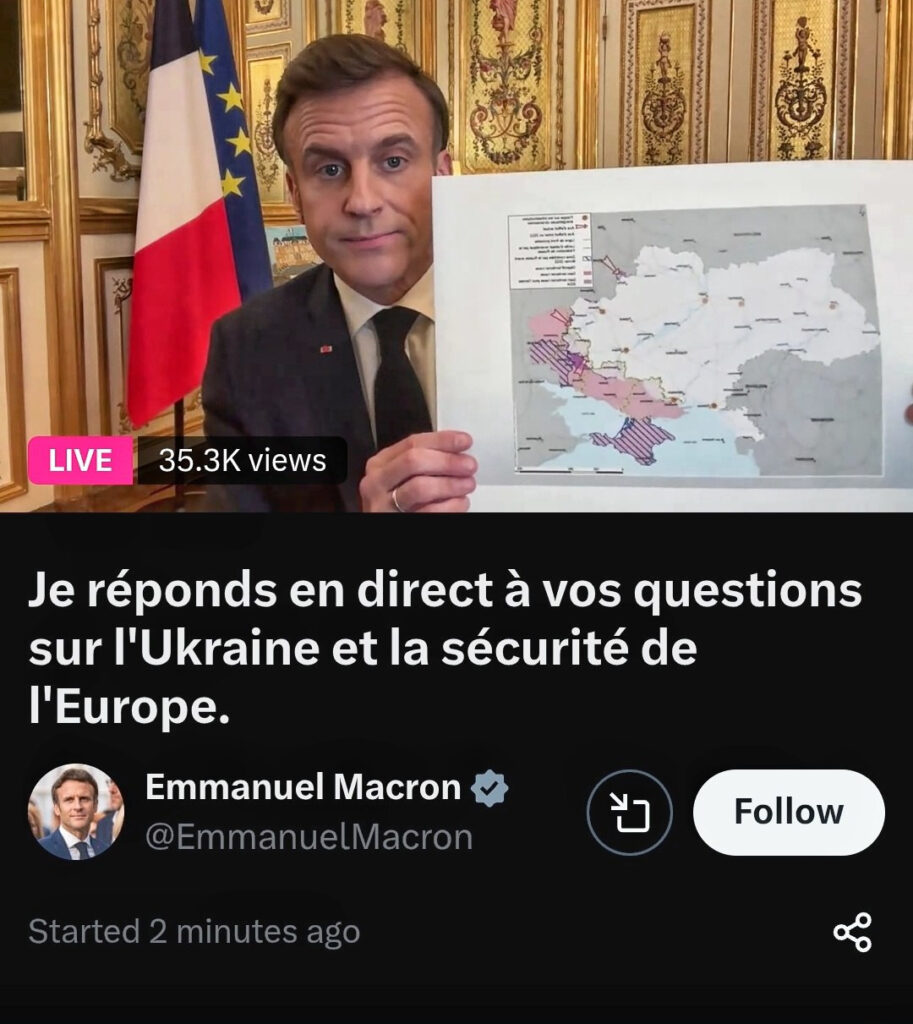
    Le 20 fรฉvrier, il se prรชte sur les rรฉseaux sociaux ร  une confรฉrence citoyenne au sujet de l’Ukraine. Son introduction est une farce, qui s’adresse ร  des demeurรฉs, qui n’auraient pas suivi l’actualitรฉ et ne comprendraient rien ร  la gรฉopolitique. Il commence par recyler tous les lieux communs de la propagande et dรฉsinformation atlantiste, les mensonges qui avec la nouvelle administration de Donald Trump, ont disparu dans la communication รฉtats-unienne

    Le flot de questions sur les nombreuses plateformes est รฉvidemment filtrรฉ par une รฉquipe d’assistants, qui ignorent celles qui posent vraiment problรจme. J’en retiens deux qui resteront sans rรฉponse, tout d’abord de Jacques [Baud, analyste stratรฉgique suisse] et Aude [Lancelin, journaliste franรงaise]

    Bonjour M Le Prรฉsident. Question de Jacques de Genรจve et Aude de Paris. Pourquoi les europรฉens ont ils empรชchรฉ le prรฉsident Zelensky, ร  3 reprises au printemps 22, de signer un accord avec la Russie garantissant lโ€™intรฉgritรฉ territoriale de lโ€™Ukraine ?

    puis la mienne

    Bonjour,

    votre stratรฉgie d’engagement militaire franรงais apparaรฎt confuse, vos dรฉclarations, contradictoires.

    La possibilitรฉ semble se dรฉgager du stationnement dans l’ouest du pays de militaires franรงais qui permettraient ร  l’Ukraine, par translation, d’en envoyer autant au front.

    Pensez vous que les Russes se dispenseront de mener des frappes stratรฉgiques contres les militaires franรงais stationnรฉs en Ukraine ?

    Pete Hegseth, Secrรฉtaire ร  la dรฉfense US, prรฉcisa dรฉjร  le 12 fรฉvrier qu’engagรฉes en Ukraine, les troupes europรฉennes ne seraient pas couvertes par l’article 5 de l’OTAN.

    Le 22 fรฉvrier, Donald Trump fait longuement patienter Andrzej Duda et ne lui accorde ensuite quโ€™une dizaine de minutes. Le prรฉsident polonais est le premier dโ€™un convoi de dirigeants europรฉens qui se prรฉcipitent ร  Washington pour tenter dโ€™inflรฉchir la stratรฉgie en Ukraine de la nouvelle administration US. Lorsquโ€™il sโ€™adressa aux Franรงais le 20, Emmanuel Macron se prรฉvalut dโ€™une familiaritรฉ qui devait lui permettre de faire la leรงon ร  son homologue รฉtats-unien, de le convaincre de ne pas se montrer faible ร  l’รฉgard de Vladimir Poutine

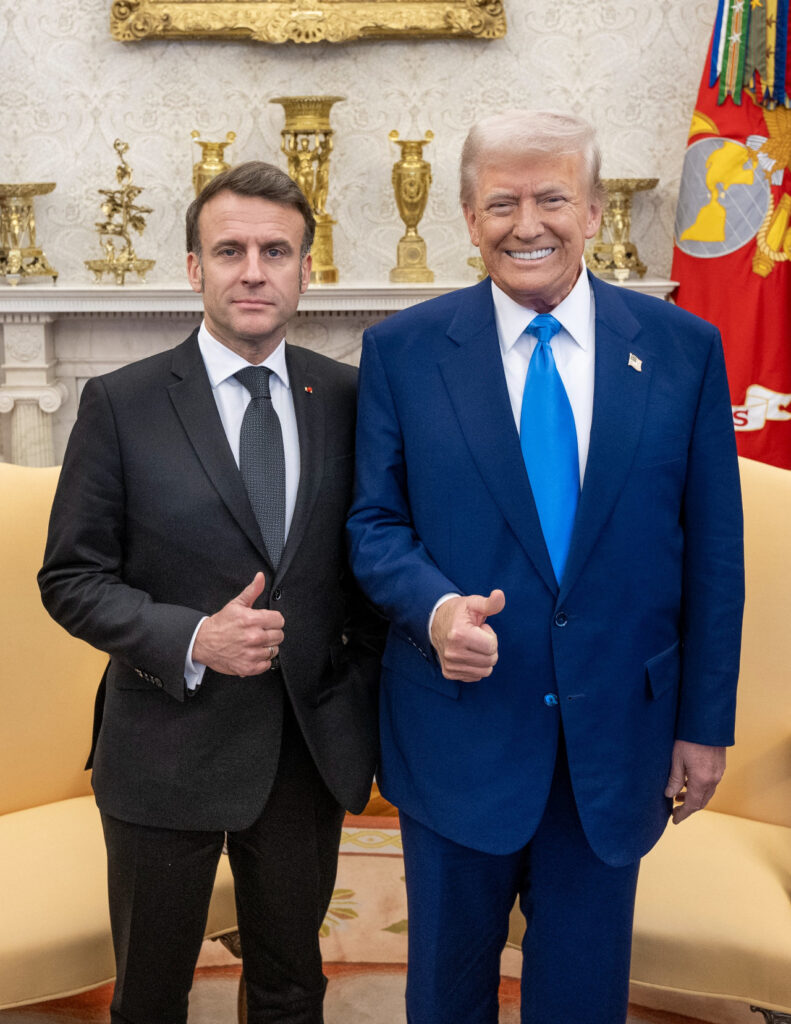
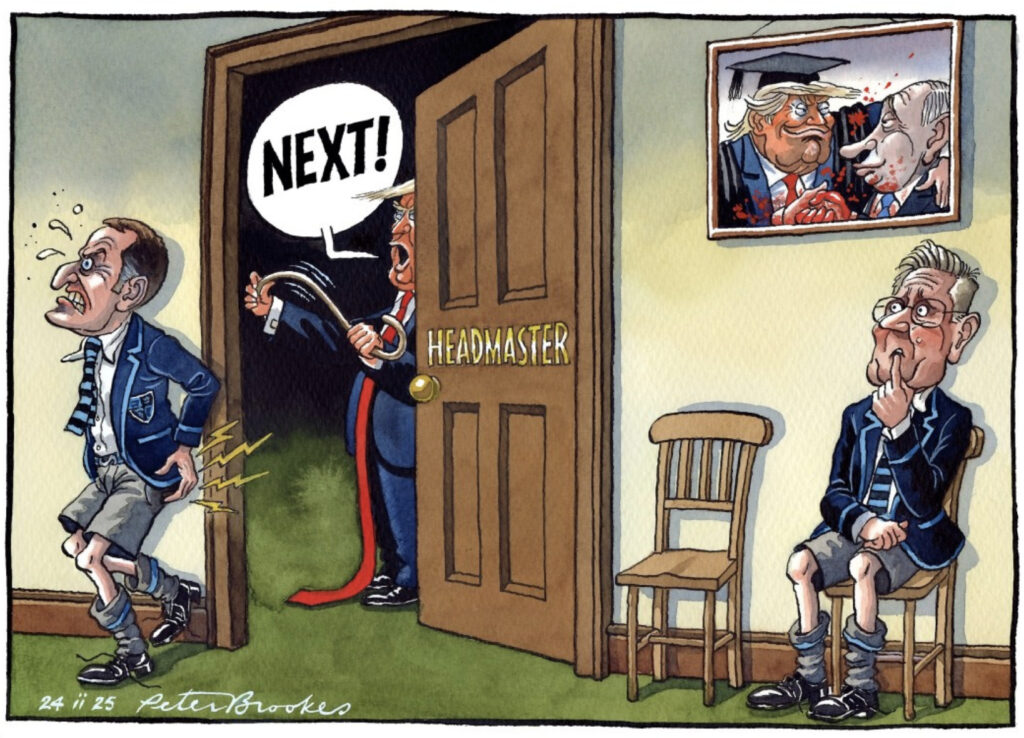
    Comme lโ€™illustrent ses traits tirรฉs par la fatique sur la photographie prise ร  la Maison Blanche le 24 fรฉvrier, il nโ€™obtient rien de Trump. Je suppose au contraire que ses fanfaronnades antรฉrieures, ses familiaritรฉs ร  Washington et les questions de fond exaspรจrent le prรฉsident US, trois jours avant qu’ร  son tour, le Britannique Keir Starmer ne se prรชte ร  l’exercice

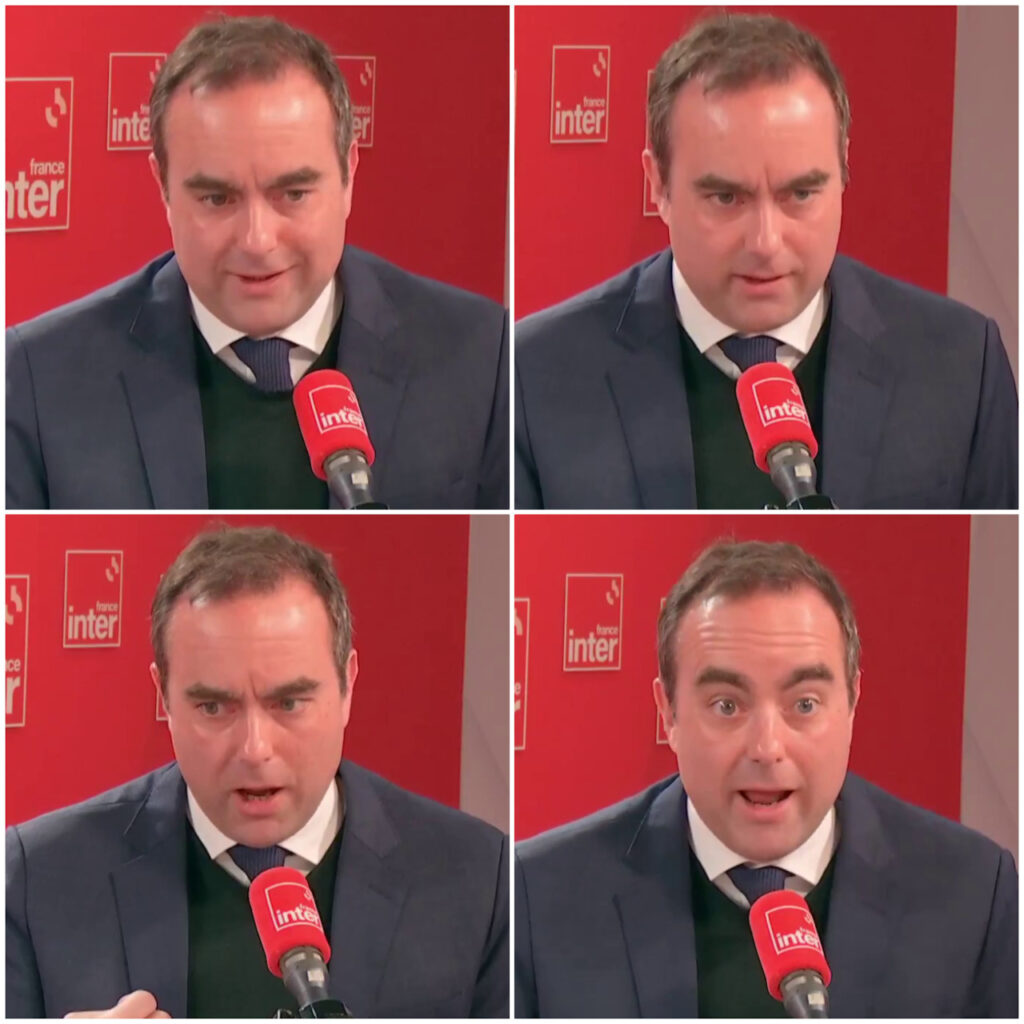
    His name is Lecornu, Sรฉbastien Lecornu. Le 6 mars 2025, au lendemain de la confirmation de la suspension des รฉchanges du renseignement รฉtats-unien avec lโ€™Ukraine, le ministre des armรฉes annonce au micro de France Inter

    [โ€ฆ] on a des moyens de renseignement, dont nous faisons bรฉnรฉficier les Ukrainiens [โ€ฆ]

    Dans la foulรฉe de nouveaux mensonges et fanfaronnades tรฉlรฉvisuels dโ€™Emmanuel Macron, il cherche aussi ร  stimuler le sens civique de ses concitoyens

    [โ€ฆ] placez votre argent de maniรจre patriotique, pour financer la dรฉfense [โ€ฆ]

    On [qui est un con] pourrait aussi appeler cela la Banque de lโ€™Indochine, ouโ€ฆ les Emprunts russes. L’inspecteur Clouseau s’en va t’en guerre
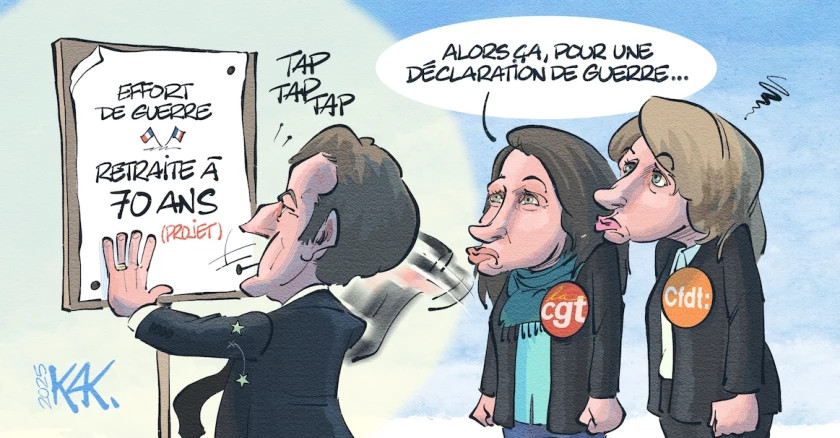
    Pendant ce temps, le MEDEF (Mouvement des entreprises de France), qui ne perd pas le nord, la presse bleu horizon ou macroniste, distillent lโ€™idรฉe dโ€™une retraite ร  70 ans, qui serait justifiรฉe par lโ€™opportunitรฉ dโ€™un effort militaire en soutien ร  lโ€™Ukraine. Car en rรฉalitรฉ, la seule dรฉmarche stratรฉgique cohรฉrente de Macron est trรจs simple ; elle consiste ร  casser les acquis sociaux et imposer une sociรฉtรฉ ultra libรฉrale. Si personne ne peut vraiment le qualifier dโ€™homme intelligent, il est cependant malin comme un singe
    Il sait comment faire avaler des couleuvres. Son terrain est facile : il flatte la vanitรฉ nationale des Franรงais. Le philosophe allemand Arthur Schoppenhauer (1788-1860) รฉnonรงa avant 1851

    La fiertรฉ nationale est la forme la moins coรปteuse de fiertรฉ. Si un homme est fier de sa nation, cela signifie quโ€™il nโ€™a aucune qualitรฉ dont il puisse รชtre fier. Autrement, il ne pourrait pas faire appel ร  celles quโ€™il partage avec des millions de ses concitoyens. Lโ€™homme qui possรจde des qualitรฉs personnelles importantes ne verra que trop bien dans quels domaines sa propre nation est dรฉficiente, car ses dรฉfauts seront constamment sous ses yeux. Mais tout misรฉrable imbรฉcile qui nโ€™a rien dont il puisse รชtre fier, adopte en dernier recours la fiertรฉ de la nation ร  laquelle il appartient ; il est prรชt et heureux de dรฉfendre bec et ongles tous les dรฉfauts et les folies de la nation, se dรฉdommageant ainsi de sa propre infรฉrioritรฉ

    Les derniers รฉvรฉnements permettent de clarifier la subordination dโ€™Emmanuel Macron. Il nโ€™est pas fidรจle aux autoritรฉs lรฉgales des ร‰tats-Unis, puisquโ€™il sโ€™oppose ร  lโ€™administration de Donald Trump, qui accomplit une inflexion stratรฉgique majeure, quand Joe Biden et Europรฉens รฉtaient au diapason. Il sโ€™affirme plutรดt comme lโ€™hรฉriter dโ€™un Franรงois Hollande, qui alors Premier secrรฉtaire du Parti socialiste, protestait contre lโ€™opposition de Jacques Chirac ร  lโ€™invasion anglo-รฉtats-unienne de lโ€™Irak en 2003 et faisait des ronds de jambes ร  lโ€™ambassade parisienne de lโ€™administration de George W Bush.

    Il ne dรฉfend pas non plus les intรฉrรชts des Franรงais, puisquโ€™il a besoin de leur mentir de faรงon grotesque, quand il prรฉtend quโ€™aprรจs lโ€™Ukraine, la Russie pourrait attaquer dโ€™autres pays. Lโ€™idรฉe est farfelue, car une telle agressivitรฉ dรฉclencherait lโ€™article 5 de lโ€™OTAN. Leur ment quand il prรฉtend que la Russie nโ€™aurait pas respectรฉ les accords de Minsk, alors que cโ€™รฉtait รฉvidemment lโ€™Ukraine qui ne les a pas appliquรฉs et le mรชme Franรงois Hollande qui mentait, quand il prรฉtendait les garantir. Lui-mรชme et Angela Merkel reconnurent fin 2022 et dรฉbut 2023 que dans leur esprit, ces accords รฉtaient une escroquerie pour tromper la Russie, devaient donner ร  lโ€™OTAN le temps dโ€™armer lโ€™Ukraine. Non, Macron nโ€™est pas un aigle, mais mรชme lui ne peut croire de telles sornettes
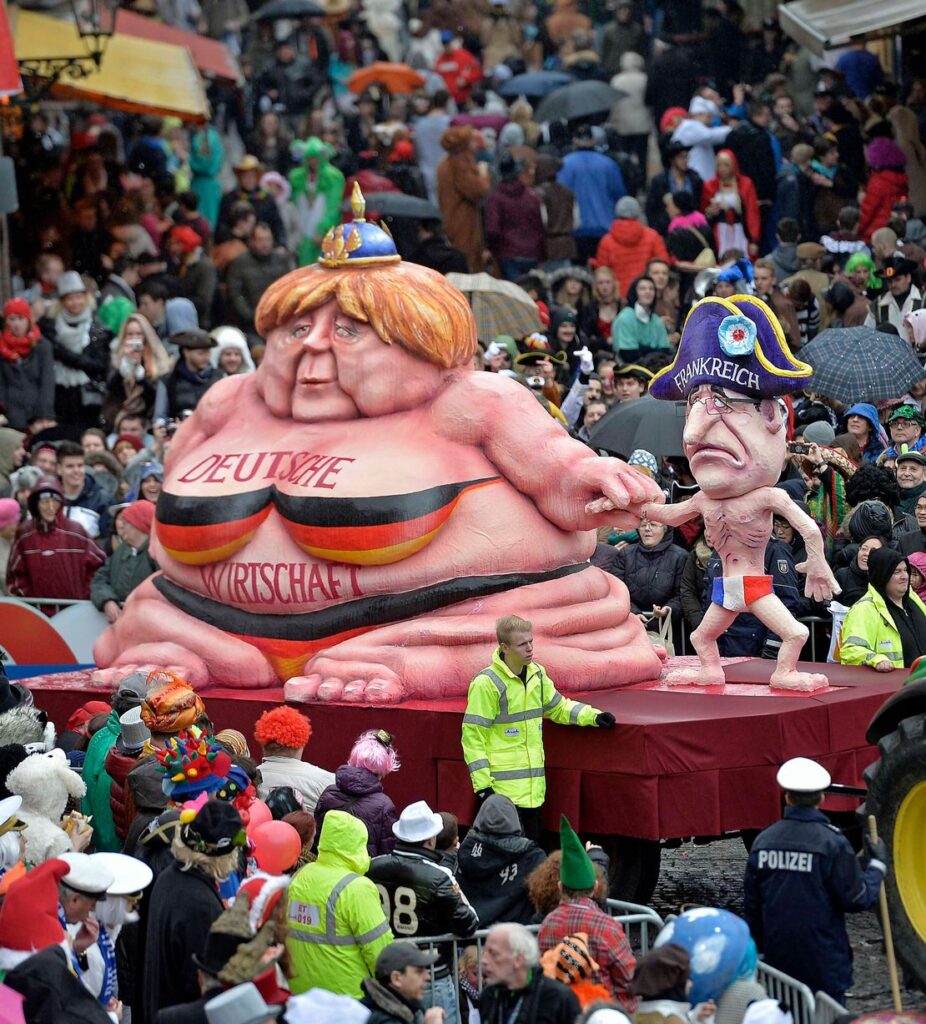
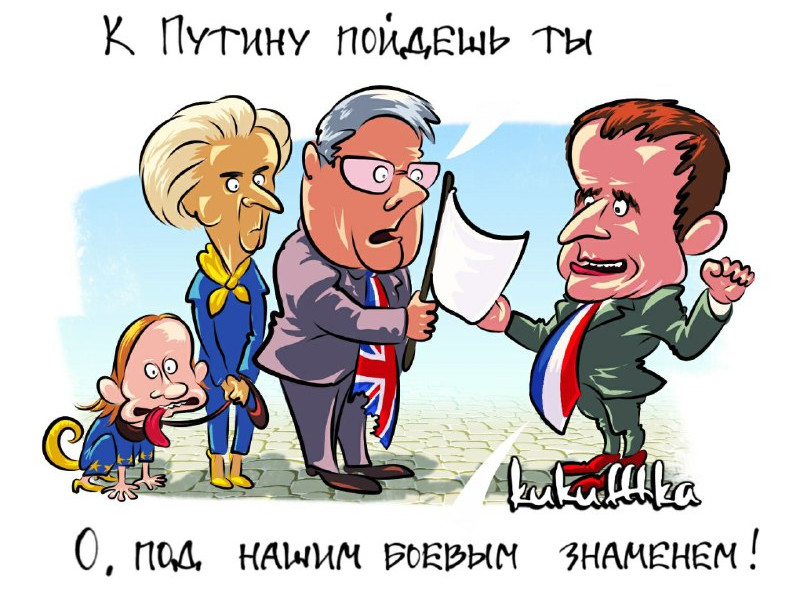
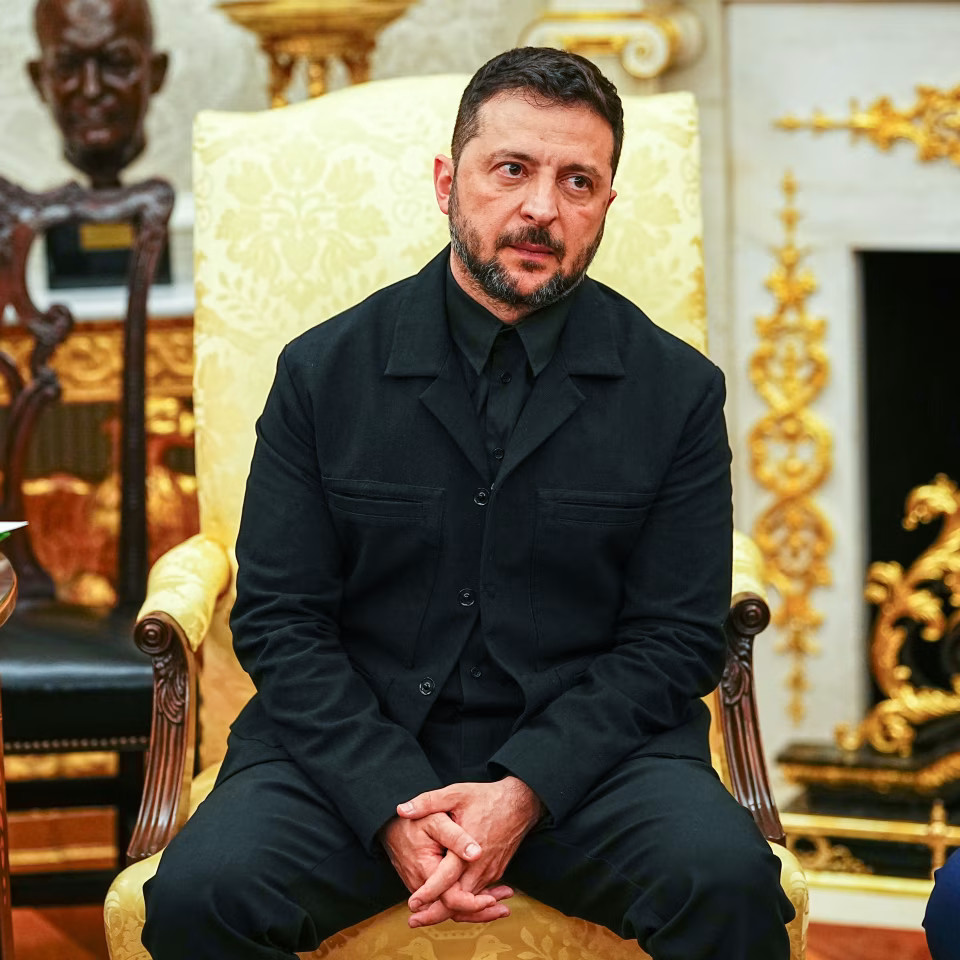
    Alors de quoi est il le nom ? Comme le montre aussi sa politique intรฉrieure et ร  lโ€™instar du social-dรฉmocrate Keir Starmer comme de la droitarde Ursula von der Leyen, il apparaรฎt comme le soldat dโ€™une collusion puissante entre ploutocrates europรฉens et nรฉoconservateurs US, plus sournois quand ils appartiennent au Parti dรฉmocrate. Trump bouleverse des dรฉcennies de politique รฉtrangรจre des ร‰tats-Unis et Macron est le caniche de von der Leyen. Sa relation aux femmes plus รขgรฉes est compliquรฉe.

    Le 23 avril 2025, les divas europรฉennes sabotent les nรฉgociations de paix en Ukraine. Ce jour lร  ร  Londres, une rรฉunion est prรฉvue entre pays occidentaux. Mais au dernier moment, Volodymyr Zelenskyy prรฉvient par voie de presse quโ€™il refuse dโ€™accepter la perte de la Crimรฉe, pourtant un moindre mal, vu la situation militaire. Par consรฉquent, le Secrรฉtaire dโ€™ร‰tat Marco Rubio se dรฉcommande, ce qui annule aussi la participation des ministres europรฉens des affaires รฉtrangรจres.

    Quel รขme damnรฉe a bien pu inspirer le comรฉdien ukrainien ? Alors en visite ร  Madagascar, dans la foulรฉe de la colonie de Mayotte, le porte parole dโ€™Ursula von der Leyen le fait savoir dans la journรฉe par lโ€™ร‰lysรฉe

    Lโ€™intรฉgritรฉ territoriale et la vocation europรฉenne de lโ€™Ukraine sont des exigences trรจs fortes des Europรฉens

    Alors que son Envoyรฉ spรฉcial Keith Kellogg se rendra ร  Moscou dans la semaine, Donald Trump รฉcrit sur les rรฉseaux sociaux

    [โ€ฆ] La situation de lโ€™Ukraine est dรฉsastreuse. Il [Zelenskyy] peut obtenir la paix ou se battre pendant trois ans de plus, avant de perdre tout le pays [โ€ฆ]

    Difficile de mieux rรฉsumer la situation militaire, qui par tradition bien ancrรฉe dans une guerre, dicte le sens des nรฉgociations de paix. Son opposition dogmatique ร  la paix et son incapacitรฉ ร  accepter la rรฉalitรฉ du terrain illustrent ร  quel point la corrompue Union europรฉenne nโ€™est plus aujourdโ€™hui que lโ€™automate des illuminรฉs de lโ€™ร‰tat profond nรฉoconservateur US. Je suis trรจs optimiste car convaincu qu’elle le paiera cher.

    Emmanuel Macron subit ร  nouveau une spectaculaire humiliation diplomatique au cours du weekend des 10 et 11 mai 2025. Ses partenaires lโ€™ont dรฉjร  adoubรฉ hรฉraut de lโ€™Europe, alors quโ€™ร  dรฉfaut de lโ€™estomac nรฉcessaire pour mener ร  terme ses projets pacifiques en Ukraine, Donald Trump se dรฉsintรฉresse dรฉsormais du sujet. En consรฉquence, la Russie envisage la possibilitรฉ dโ€™adapter sa stratรฉgie, de rรฉsoudre le conflit en moins de deux mois, par une campagne dรฉcisive de frappes qui liquiderait les dirigeants ukrainiens et dรฉtruirait en totalitรฉ les infrastructures critiques de lโ€™Ukraine

    Volodymyr Zelenskyy et les Europรฉens commencent par proposer un cessez le feu dโ€™un mois ร  compter du 12 mai. Donald Trump soutient lโ€™idรฉe et voilร  que sa Vacuitรฉ explose en plein vol, exige le respect de ce cessez-le-feu par la Russie, quโ€™il menace ร  dรฉfaut de nouvelles sanctions รฉconomiques. Effets indรฉsirables, peut รชtre, de l’abus de substances pyschotropes. Son obsession est toujours dโ€™employer un tel cessez-le-feu ร  injecter en Ukraine des troupes franรงaises et britanniques

    Aprรจs minuit, le 11 mai, ร  lโ€™issue dโ€™une trรชve unilatรฉrale russe de trois jours, en mรฉmoire de la victoire soviรฉtique, 80 ans plus tรดt, sur les armรฉes fascistes europรฉennes, Vladimir Poutine mรฉprise avec calme lโ€™ultimatum de lโ€™arrogant Franรงais. Il propose la reprise ร  Istanbul, le 15 mai, des nรฉgociations de paix qui avaient bien commencรฉ en mars 2022, mais que le Royaume-Uni et les ร‰tats-Unis de Joe Biden sabotรจrent, pour poursuivre contre la Russie une guerre par procuration aujourdโ€™hui perdue. Donald Trump lui apporte son soutien dans la journรฉe. Volodymyr Zelenskyy accepte aussi et peut รชtre encore en altitude, รฉcrit sur les rรฉseaux sociaux qu’il pense rencontrer personnellement Vladimir Poutine ร  Istanbul.

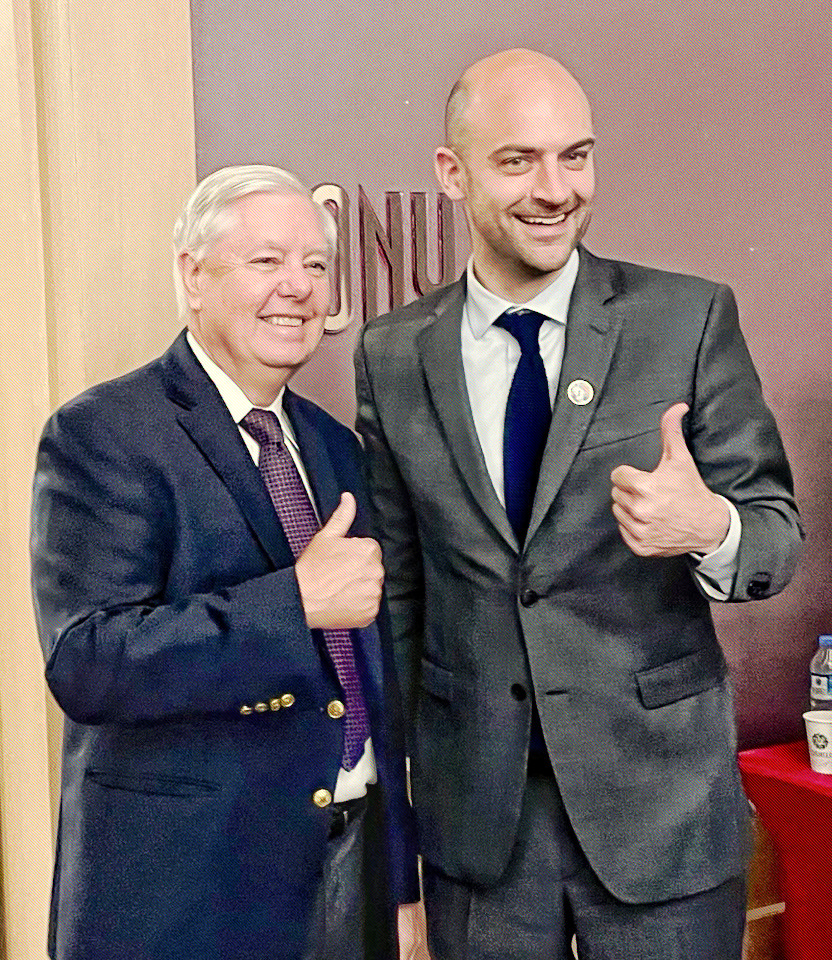
    Lโ€™anecdote illustre mon analyse supra de la subordination dโ€™Emmanuel Macron. Aprรจs la rรฉception ร  lโ€™ร‰lysรฉe le 7 mai du djihadiste Abou Mohammed al Joulani, dictateur dโ€™une Syrie dรฉsormais saignรฉe par les persรฉcutions religieuses, Jean-Noรซl Barrot, erreur de casting au ministรจre des affaires รฉtrangรจres, est le 15 ร  Istanbul, oรน il prรฉsente ses ronds de jambe ร  la plus grotesque figure nรฉoconservatrice, lโ€™immonde sรฉnateur sudiste rรฉpublicain Lindsey Graham

    Sur le fond, la Russie ignore les gesticulations franรงaises et europรฉennes. Dans la mรชme ville, le lendemain, ses plรฉnipotentiaires prรฉsentent ร  une dรฉlรฉgation ukrainienne leurs conditions pour un cessez-le-feu : le retrait des troupes atlantistes des positions quโ€™elles occupent encore dans les rรฉgions de Donetsk, Kherson, Lugansk et Zaporojie
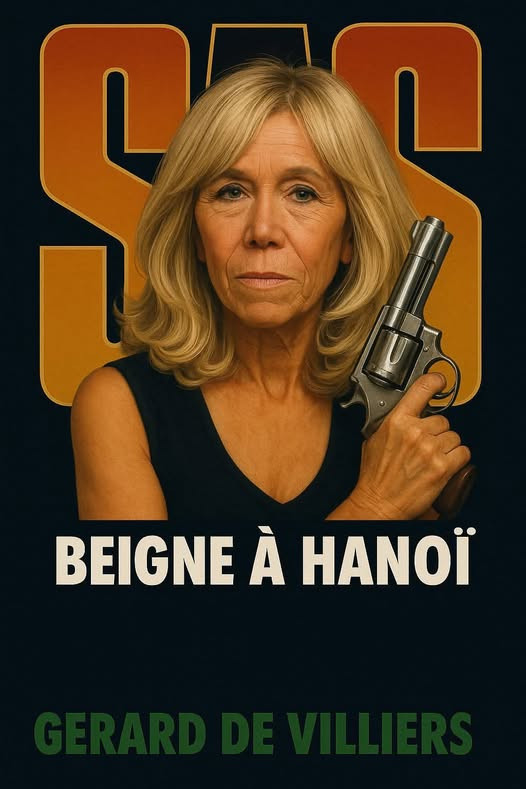
    Heureusement, pour notre dรฉtente, Emmanuel Macron et ses pรฉrรฉgrinations internationales, comme le 25 mai 2025 ร  Hanoรฏ, sont aussi une source inรฉpuisable de plaisanteries.

    Savamment synchronisรฉs, ร  deux jours dโ€™intervalle, le chef dโ€™รฉtat-major Thierry Burkhard puis Emmanuel Macron, le 13 juillet, se succรจdent ร  la tribune pour galvaniser les crรฉtins qui sโ€™appellent eux-mรชmes patriotes

    Prรฉserver un modรจle social hรฉritรฉ du Conseil national de la rรฉsistance (CNR) au lendemain de la 2de guerre mondiale ou doubler* le budget militaire, Macron a choisi, car il veut รชtre craint. Mission dรฉlicate, car depuis huit ans, il passe pour un imbรฉcile auprรจs de ses homologues รฉtrangers. Parmi ses soutiens, le mignon Gabriel Attal veut tenir son rang

    Face aux menaces, les plus pressantes sans doute depuis 1945, la France doit impรฉrativement continuer son rรฉarmement. Pour tenir son rang, รชtre respectรฉ, et protรฉger nos intรฉrรชts vitaux [en Franรงafrique]

    Maintenant la bonne nouvelle : puisquโ€™ils ont choisi lโ€™affrontement, je prรฉdis que les pinzuti [Franรงais] se feront quand mรชme humilier. Car aucun sacrifice social ne suffira ร  empรชcher lโ€™effondrement de lโ€™hรฉgรฉmonie occidentale. Pas plus que furent victorieuses les guerres anachroniques pour prรฉserver lโ€™empire colonial.

    * lโ€™objectif est de doubler par rapport ร  2017 et avant la fin de son second mandat, un budget militaire en constante augmentation. Il est de โ‚ฌ50,5 milliards en 2025, devrait รชtre de โ‚ฌ63,4 milliards en 2027

    Malheureux concours de circonstances ou bien schizophrรฉnie franรงaise et perversion dโ€™Emmanuel Macron ? Le 15 juillet, le premier ministre Franรงois Bayrou dรฉvoile les grandes lignes du budget 2026 dโ€™une France en redressement judiciaire, aprรจs 18 ans de gouvernement atlantiste. Cette actualitรฉ nationale est riche dโ€™enseignements et dans un article quโ€™il publie le 17 juillet, Emmanuel Todd est contraint de recourir ร  la psychiatrie pour comprendre les effets de bord du dรฉclin occidental et franรงais. La conclusion sโ€™impose : la Russie est la cible des fantasmes รฉrotomanes dโ€™Emmanuel Macron et ses laquais.

    Le prix Nobel de la paix est la derniรจre obsession de Donald Trump, qui le 18 aoรปt 2025, trois jours aprรจs sa rencontre avec Vladimir Poutine ร  Anchorage, accueille Volodymyr Zelenskyy et un quarteron de dirigeants europรฉens ร  la Maison Blanche. La chorรฉgraphie de la rรฉunion des laquais de daddy Trump est un travail psychologique, une catharsis, pour que lโ€™Occident reconnaisse enfin sa dรฉfaite dans le Donbass et en Ukraine

    Encore traumatisรฉ par son humiliation ร  Washington, Emmanuel Macron accorde le lendemain un entretien aux journalistes de LCI. Lors de cette nouvelle envolรฉe lyrique, il dรฉclare

    Ne soyons pas naรฏfs. Y compris pour sa propre survie, il [la Russie oรน Vladimir Poutine ?] a besoin de continuer de manger. C’est un prรฉdateur, un ogre ร  nos portes

    illustre le diagnostic antรฉrieur d’Emmanuel Todd. Le prรฉsident franรงais souffre d’รฉrotomanie.

    La sรปretรฉ de lโ€™ร‰tat franรงais a cessรฉ depuis longtemps de mโ€™intรฉresser et au contraire, je suis mรชme rรฉputรฉ lui porter atteinte. Dโ€™autres sont entrรฉs dans la carriรจre, dit la chanson, essuient aujourdโ€™hui un รฉchec cruel. Ce qui arrive mรชme aux meilleurs. Mais ce sont les Alliรฉs qui ne sont pas contents. La France aura beau nier, eux savent que les donnรฉes sont authentiques.

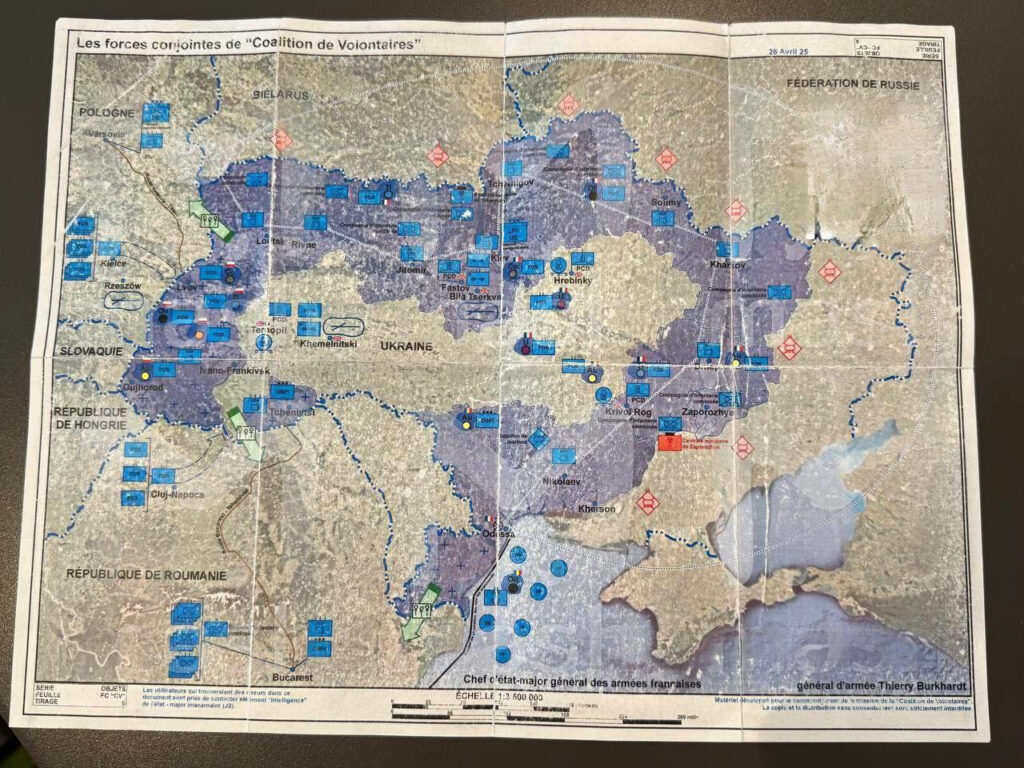
    Membres du groupe Killnet (cf. David Piguet), des as russes de lโ€™informatique sont parvenus ร  recueillir auprรจs de lโ€™administration franรงaise des informations sensibles : les procรจs-verbaux et autres documents de rรฉunions secrรจtes au sujet de lโ€™Ukraine entre France, Pologne, Roumanie et Royaume-Uni. Dont une carte datรฉe du 28 avril 2025, destinรฉe ร  lโ€™รฉtat-major des armรฉes franรงaises, qui est rendue publique sur le web le 9 septembre.

    En marge du document que chacun peut consulter, les pirates ont rรฉalisรฉ une synthรจse du projet de la Coalition de volontaires, si cher ร  Emmanuel Macron. Aux Russes, lโ€™intรฉgralitรฉ du Donbass, ainsi que les rรฉgions de Kherson et Zaporojie, jusquโ€™ร  la ligne de cessez-le-feu ; aux Franรงais, les ressources minรฉrales de Jytomir, Kharkov et Soumy ; aux Polonais et Roumains, Odessa et les rรฉgions frontaliรจres ; les Britanniques se contenteraient de plateformes logistiques un peu partout ; 50 000 hommes pour emballer le butin occidental
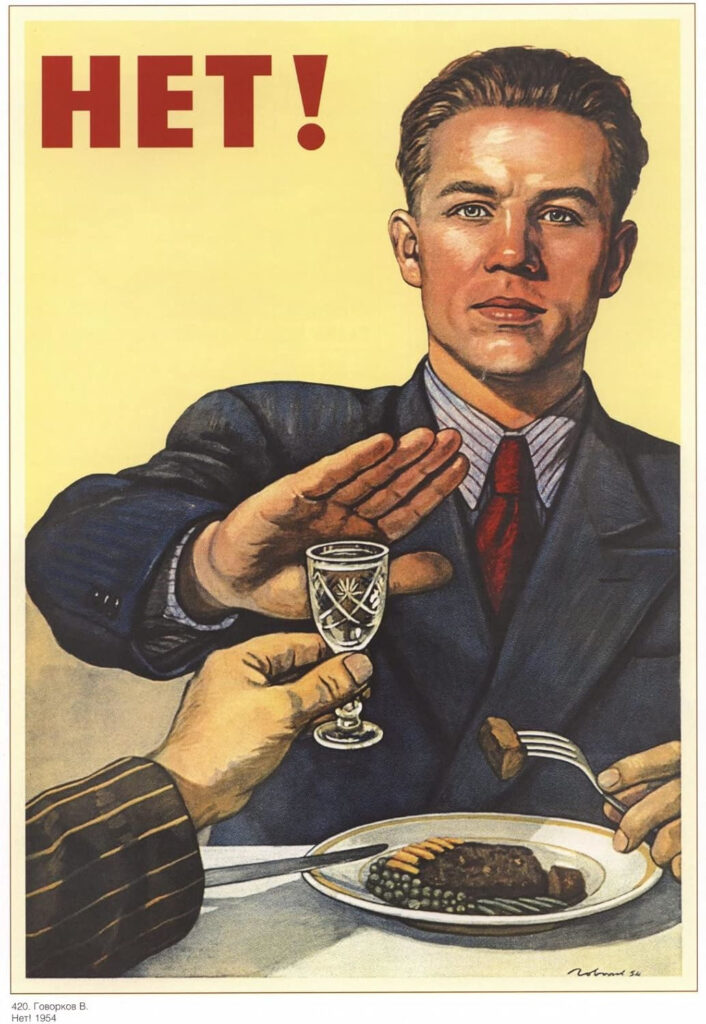
    Mais la Russie a dit et rรฉpรจte jusquโ€™ร  ce jour quโ€™elle ne tolรฉrera pas de troupes de lโ€™OTAN sur le territoire de lโ€™actuelle Ukraine. Notez que depuis le 31 aoรปt, Thierry Burkhard nโ€™est plus Chef dโ€™รฉtat-major.

    Dans un entretien que le journal italien de gauche Il Fatto Quotidiano publie le 13 septembre, le prestigieux รฉconomiste Jeffrey Sachs rรฉvรจle une conversation personnelle avec Emmanuel Macron. ร€ lโ€™รฉpoque oรน le professeur de lโ€™universitรฉ Columbia fut fait chevalier de la Lรฉgion dโ€™honneur, ce qui nous ramรจne en mai 2022, trois mois aprรจs le dรฉbut de lโ€™opรฉration militaire spรฉciale russe, le prรฉsident franรงais lui expliqua que lโ€™OTAN portait lโ€™entiรจre culpabilitรฉ du conflit. Cette information confirme, dans tous les cas de figure, que sa Vacuitรฉ ment comme un arracheur de dent

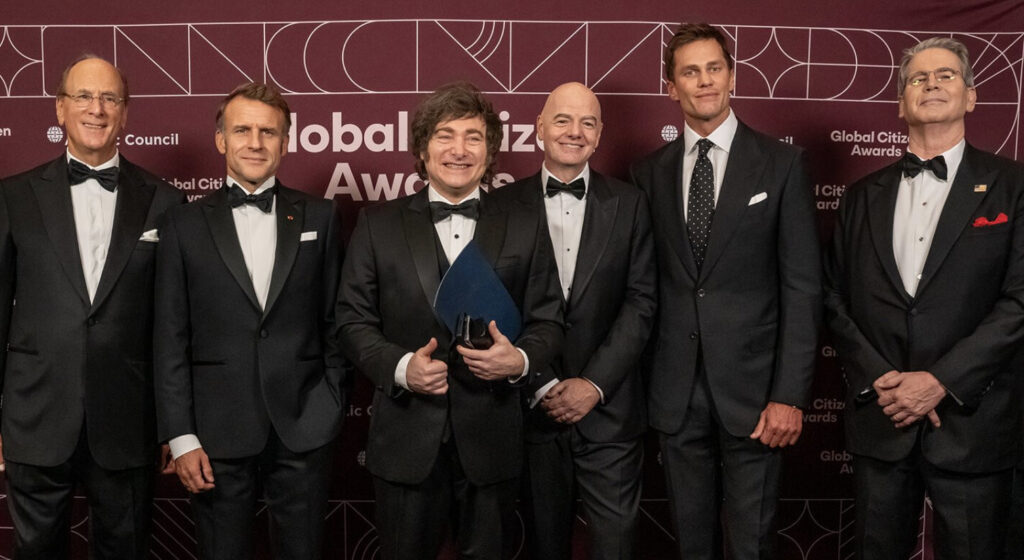
    ร€ New York le 24 septembre 2025, ร  lโ€™instar de son grand ami [cโ€™est Emmanuel Macron qui le dit] Javier Milei, catastrophe nรฉo-libรฉrale pour lโ€™รฉconomie de lโ€™Argentine et son peuple, sa Vacuitรฉ est reconnue employรฉ de lโ€™annรฉe par lโ€™Atlantic Council, un think tank militariste dont la mission est de dรฉfendre les intรฉrรชts de lโ€™empire รฉtats-unien.

    Il ne tarde pas ร  mettre en scรจne une nouvelle farce, car son psychisme est trop faible pour parvenir ร  accepter sa dรฉfaite au Donbass et en Ukraine. De dรฉpit le 2 octobre, il compense par une nouvelle envolรฉe lyrique au Sommet de la Communautรฉ politique europรฉenne (EPC) de Copenhague. Lโ€™Europe est alors en proie ร  une รฉpidรฉmie dโ€™hystรฉrie collective, voit des drones partout. Qui dโ€™autre que des Russes pourraient les piloter ?
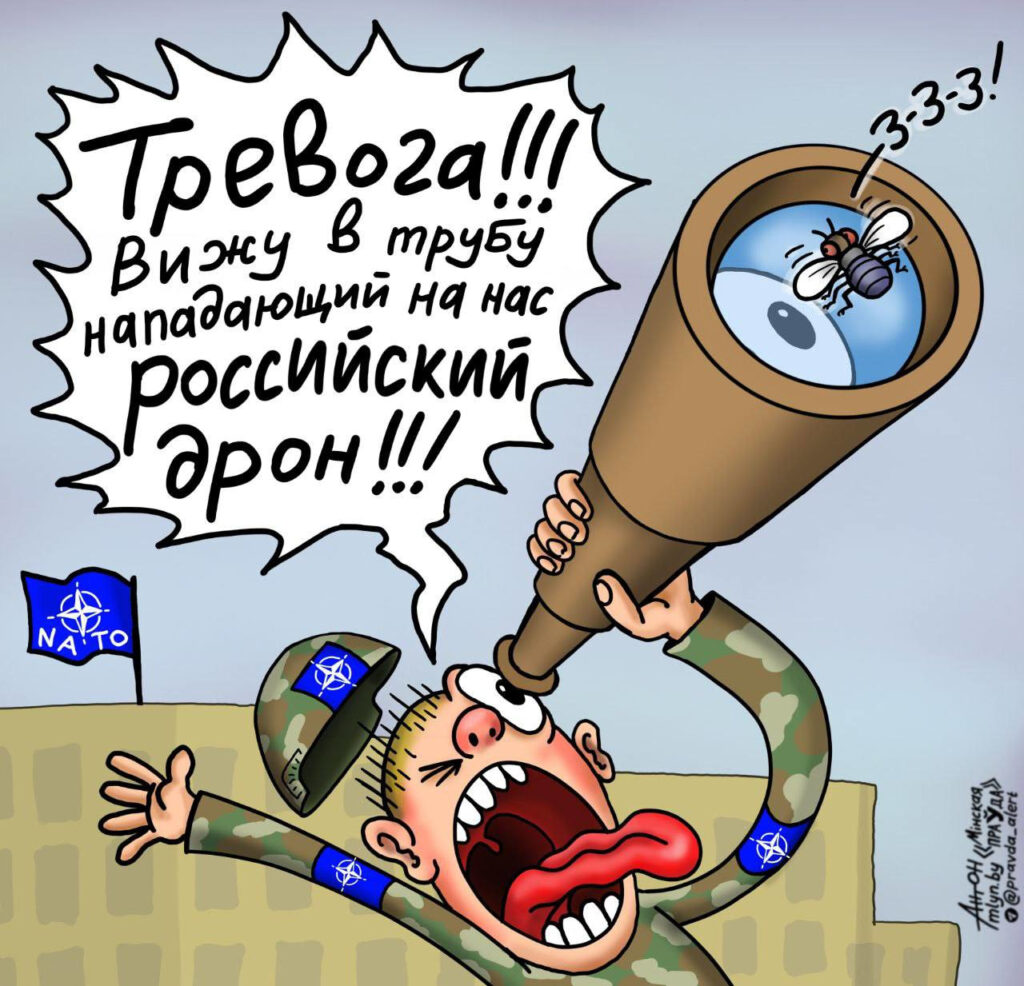
    La bulle mรฉdiatique contient surtout paranoรฏa et dรฉsinformation, car la presse bleu horizon est incapable dโ€™envisager lโ€™hypothรจse la plus probable de plaisantins locaux, aux commandes de quelques inoffensifs aรฉronefs. Au contraire, les mรชmes pressetituรฉs colportent une fable ukrainienne particuliรจrement farfelue : les drones seraient lancรฉs par la flotte dite fantรดme, des navires armรฉs par les vastes restes du monde, qui transportent du pรฉtrole russe et nโ€™ont pas le goรปt ou lโ€™envie de se soumettre aux sanctions administratives occidentales
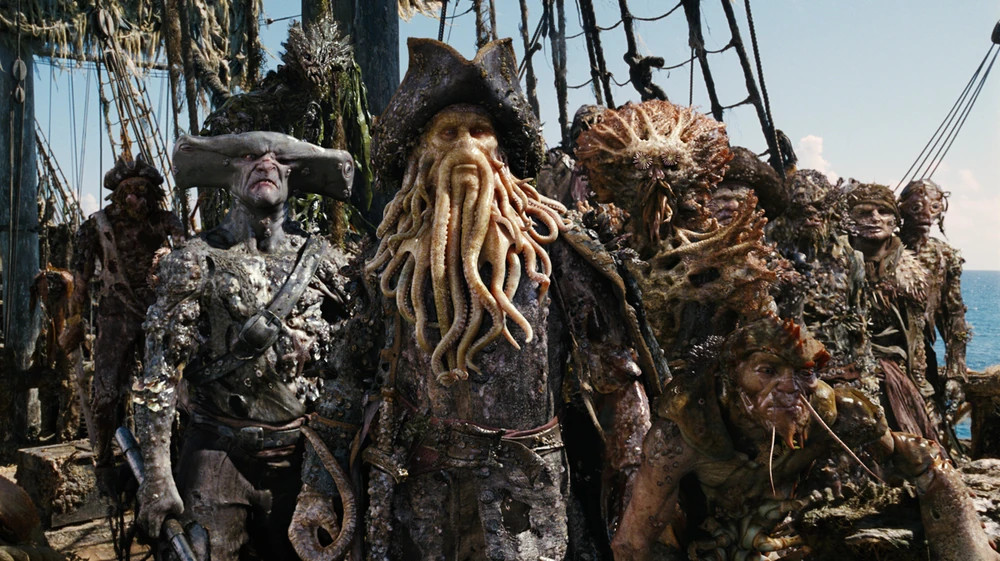
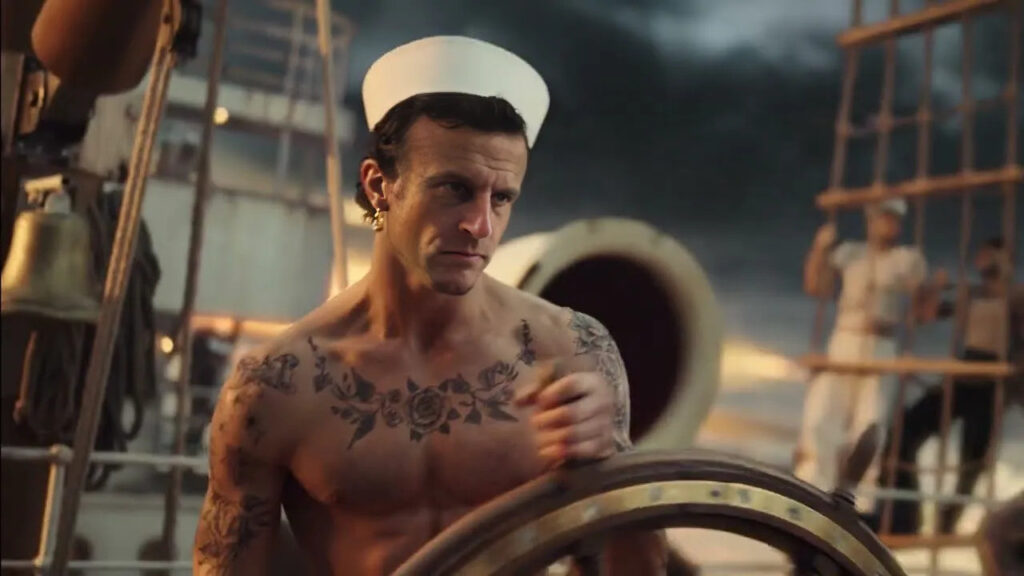
    Sa Vacuitรฉ est incapable de limiter ses gesticulations ร  la scรจne danoise et alors que le Droit garantit pourtant le libre passage dans les eaux internationales, il dรฉcide ร  47 ans de se lancer dans la piraterie maritime
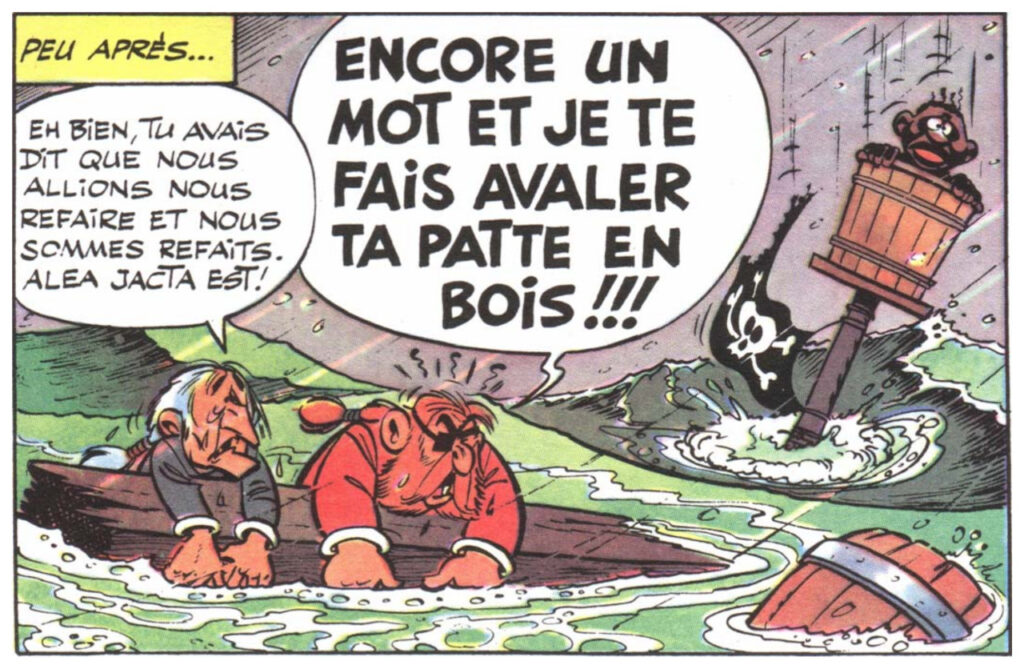
    Ses officiers sont chinois et chargรฉ de pรฉtrole russe, le navire bรฉninois vogue paisiblement vers lโ€™Inde, quand le 27 septembre, les corsaires franรงais montent ร  lโ€™abordage du Boracay dans les eaux internationales. Mais vaine recherche et choux blanc, pas le moindre indice nโ€™รฉtaye les accusations ukrainiennes de lancement de drones en Scandinavie. Bien quโ€™aux ordres de l’exรฉcutif, le parquet franรงais est contraint au soir du 2 octobre de laisser le pรฉtrolier lever lโ€™ancre. Illustration de la mesquinerie atavique des pinzuti, la convocation du commandant ร  comparaรฎtre le 23 fรฉvrier 2026 ร  Brest pour refus d’obtempรฉrer, quand la piraterie et leurs pitreries en treillis obligeraient plutรดt les autoritรฉs ร  prรฉsenter de plates excuses

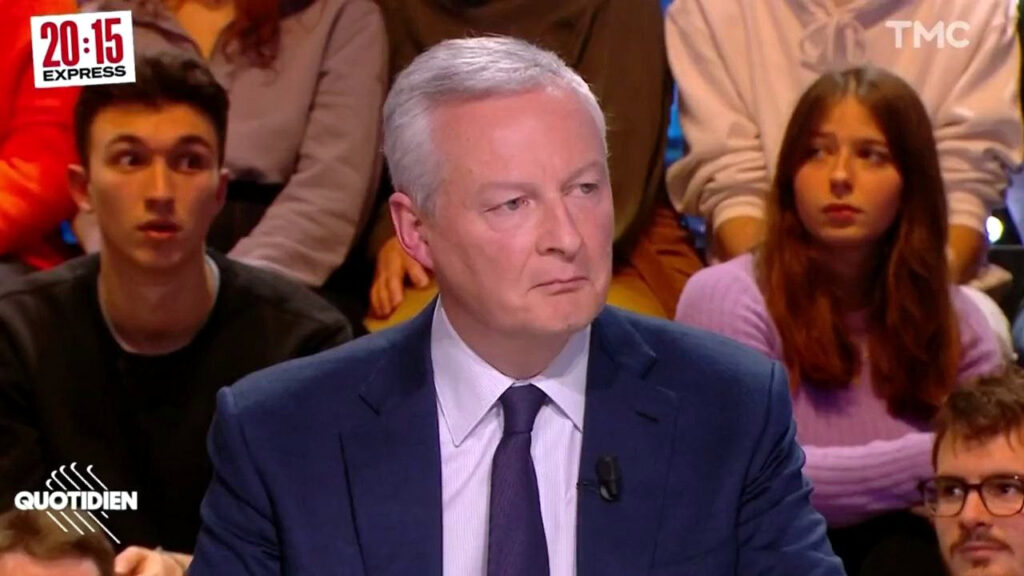
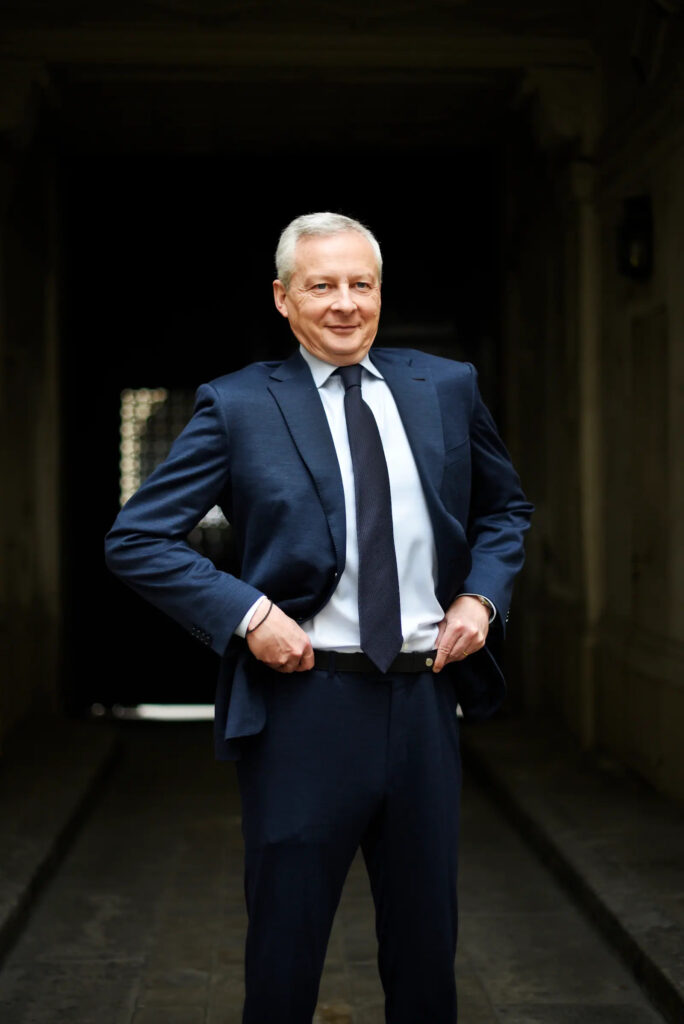
    Huit jours aprรจs que des corsaires franรงais soient montรฉs ร  lโ€™abordage du pรฉtrolier fantรดme bรฉninois Boracay, le nouveau ministre de la contre-menace-prรฉdatrice-et-existentielle [Macron], Bruno Le Maire, est enfin prรชt le 5 octobre 2025 ร  provoquer l’effondrement [Le Maire] de lโ€™armรฉe Russe, ร  la dilater comme jamais [Le Maire]

    Le lendemain, les vastes restes du monde ont tort de ricaner, car la Russie tremble. Vladimir Poutine a bien compris que l’implosion de l’รฉphรฉmรจre gouvernement Lecornu est une ruse de guerre.

    Vous nโ€™aimez pas votre travail ? Essayez de vous mettre ร  la place des pauvres garรงons, le 17 novembre 2025, qui font les jardiniรจres sur la base aรฉrienne de Villacoublay, pendant quโ€™au premier plan, deux divas posent pour Gala
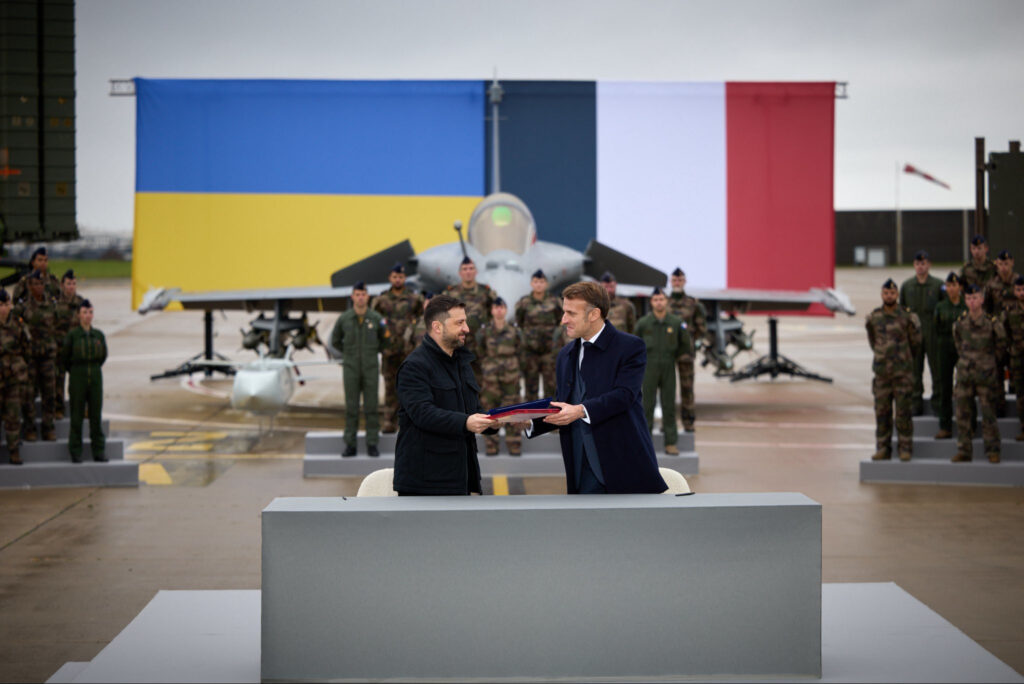
    On me dit ร  lโ€™oreillette que Volodymyr Zelenskyy sโ€™engage ร  acheter 100 chasseurs Rafale. Avec quel argent ? Avant ou aprรจs dรฉtournement par son รฉquipe ? Pour en faire quoi et surtout, quand ?

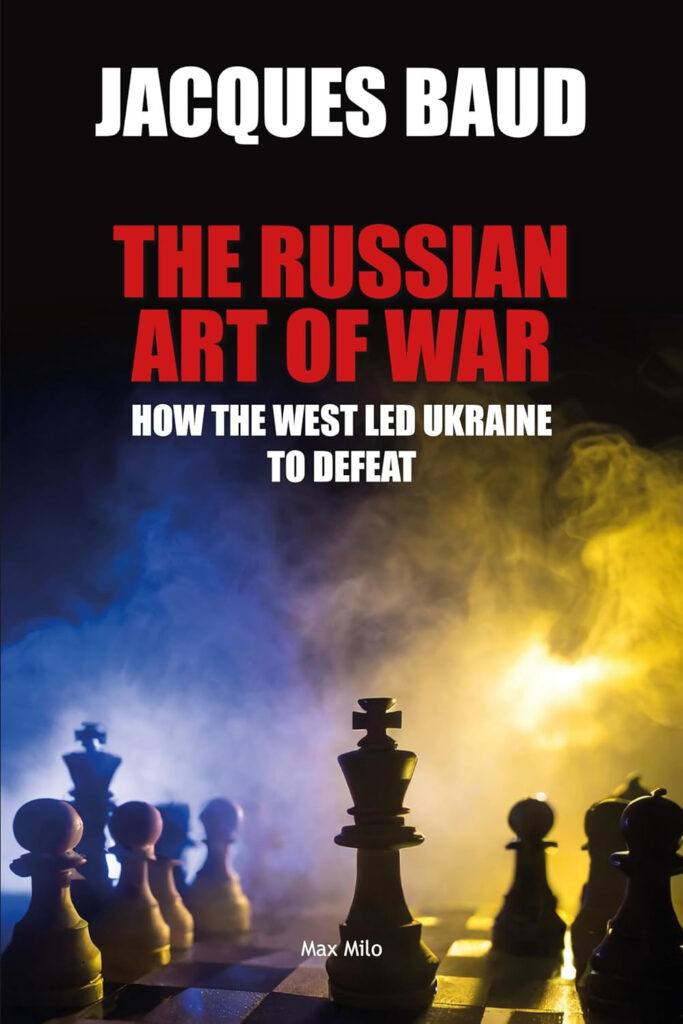
    Emmanuel Macron figure parmi les dirigeants europรฉens qui dรฉfilent ร  Berlin le 15 dรฉcembre, mettent en scรจne leur vacuitรฉ pour geindre et quรฉmander encore une fois auprรจs des ร‰tats-Unis. Ils semblent ignorer que le rรฉsultat dโ€™une guerre se dรฉcide sur le champ de bataille. Le Donbass sera libรฉrรฉ par la diplomatie ou par la force, que cela leur plaise ou pas. Le mรชme jour, le Conseil de lโ€™Europe impose des sanctions ร  plusieurs personnes, dont lโ€™expert suisse Jacques Baud, qui selon le communiquรฉ

    sert de porte-parole ร  la propagande pro-russe et propage des thรฉories du complot

    Lโ€™accusation est dรฉlirante. Jacques Baud a รฉtรฉ colonel du renseignement suisse, spรฉcialiste de lโ€™Europe de lโ€™Est. Entre 2009 et 2011, il dirigeait ร  New York lโ€™รฉquipe Politiques et Doctrine du Bureau des affaires militaires du Dรฉpartement des opรฉrations de maintien de la paix des Nations Unies. Ce fut dans le cadre de lโ€™OTAN quโ€™il participa ร  des programmes en Ukraine en 2014 et 2017. Sa rigueur et son travail dโ€™analyse sont considรฉrables

    Alors pourquoi cette punition administrative ? Dรจs la fin 2022, ร  lโ€™instar de votre serviteur et beaucoup dโ€™autres, lโ€™expert รฉnonรงa la rรฉalitรฉ : lโ€™Occident subit une dรฉfaite humiliante au Donbass et en Ukraine. Washington lโ€™a aussi compris. Elle semble sโ€™imposer aujourdโ€™hui ร  des foules, puisquโ€™ร  croire lโ€™immense majoritรฉ hystรฉrique des employรฉs de presse franรงaise, les chars russes se rapprochent dangereusement de la place de lโ€™ร‰toile

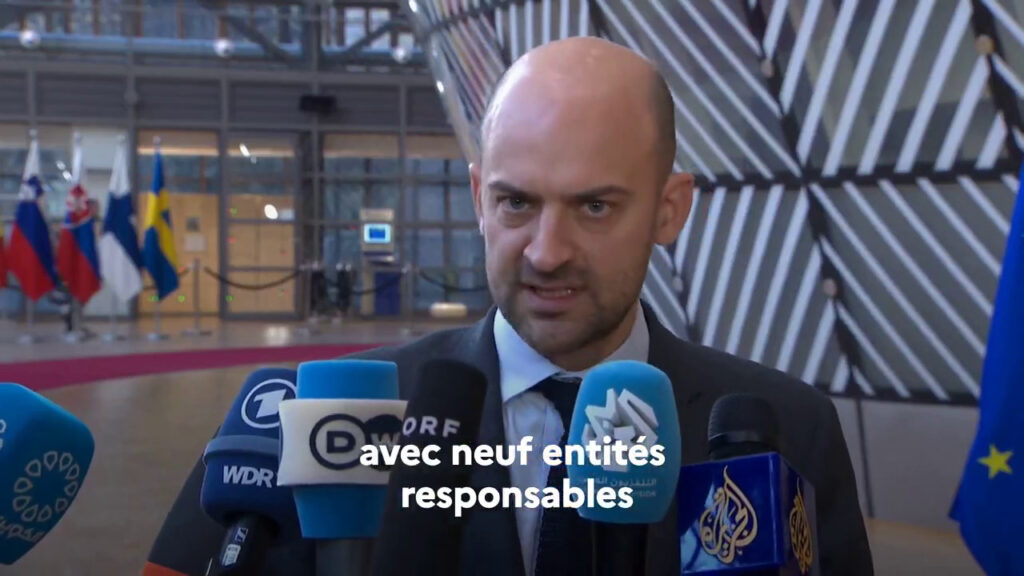
    Radio Free Europe, un organe de la CIA, dรฉvoila dรจs le 10 dรฉcembre sa sanction et lโ€™intรฉressรฉ put la commenter. En lโ€™apprenant, il mโ€™a bien semblรฉ sentir une odeur fรฉtide, un peu comme lโ€™haleine dโ€™un Philippe Henriot (1889-1944), Secrรฉtaire ร  lโ€™information et ร  la propagande de lโ€™ร‰tat franรงais, une grande voix franรงaise que des rรฉsistants communistes arrachรจrent ร  lโ€™affection des siens. Il porte ร  Bruxelles sa tรชte habituelle de dรฉtraquรฉ, quand Jean-Noรซl Barrot confirme que ces sanctions sont prises ร  lโ€™initiative de la France

    Je crois le ministre des affaires รฉtrangรจres assez crรฉtin pour exercer des reprรฉsailles par dรฉpit de sa dรฉfaite par procuration au Donbass et en Ukraine. Car sa punition amplifiera le succรจs des excellentes analyses de Jacques Baud
    Si lโ€™objectif est plutรดt de dissuader la rรฉsistance ร  la dรฉsinformation occidentale, alors je crains pour eux que les Franรงais nโ€™aient fait comme souvent une projection de leurs propres carences. Chaque jour qui passe, leur gouvernement alimente de vilains prรฉjugรฉs ร  leur sujet : froussards, mesquins, lรขches, incompรฉtents et arrogants

    Cโ€™รฉtait avec grand plaisir que je me suis entretenu avec une journaliste russe, pour un documentaire que la chaรฎne Russia Today, censurรฉe en Europe mais largement regardรฉe aux ร‰tats-Unis, en Afrique ou en Chine, diffuse le 19 dรฉcembre.

    Les premiers jours de 2026 รฉclairent dโ€™une lumiรจre crue la fonction politique de lโ€™employรฉ de banque Macron et par consรฉquent, sa posture au sujet de lโ€™Ukraine. Grouillot de ploutocrates europรฉens et nรฉoconservateurs รฉtats-uniens, il sโ€™illustre comme le plus inconditionnel soutien europรฉen du raid que les porte-flingues de Donald Trump exรฉcutent au Venezuela au petit matin du 3 janvier
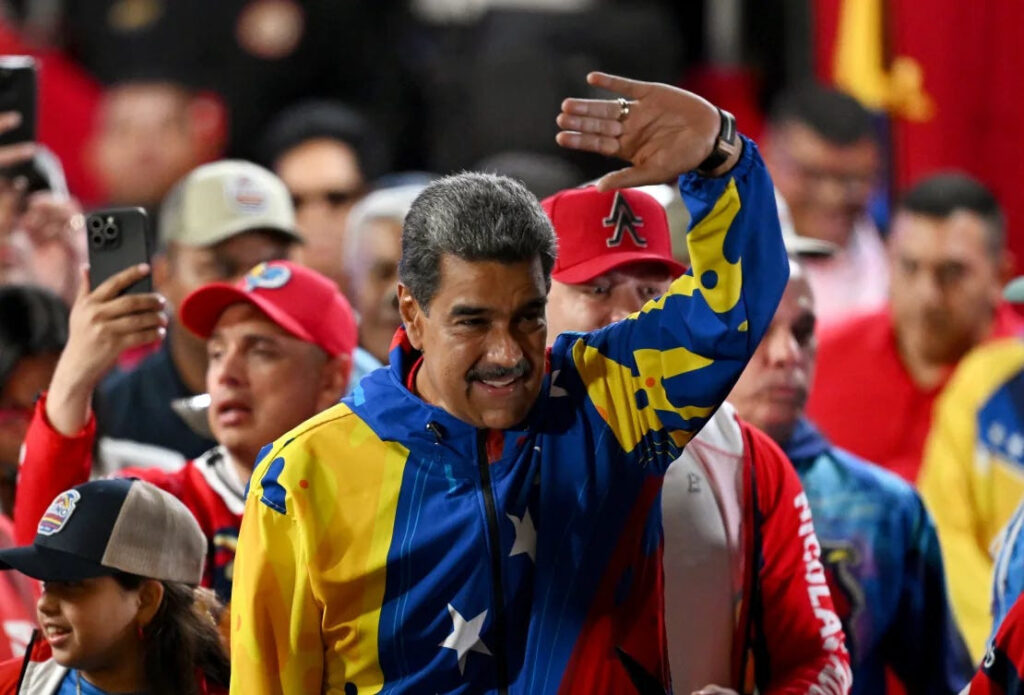
    De lโ€™aveu mรชme du prรฉsident des ร‰tats-Unis, son objectif est colonial, pour le pรฉtrole et le bien dโ€™un empire nรฉolibรฉral dotรฉ de deux capitales : Jรฉrusalem et Washington

    Non content dโ€™avoir fait ricaner la terre entiรจre avec ses lunettes de soleil au Forum รฉconomique mondial de Davos le 20 janvier, Emmanuel Macron poursuit ses facรฉties et pour prouver sa virilitรฉ le 22, envoie les corsaires de la Marine nationale ร  lโ€™abordage en toute illรฉgalitรฉ en mรฉditerranรฉe du pรฉtrolier comorien Grinch, un parmi les quelques centaines de trรจs sournois navires de la vilaine flotte fantรดme russe.

    Sa Vacuitรฉ, vous dis je, faiseur de vent de la catรฉgorie des tempรชtes du grand large. Contrairement ร  ce quโ€™assรจnent les posts brouillons et vindicatifs du compte French Response sur X, organe burlesque du quai dโ€™Orsay, rien ne peut justifier la rรฉtention du pรฉtrolier comorien Grinch. Les sanctions occidentales ne sont pas de Droit international ou maritime. Aucune infraction pรฉnale franรงaise nโ€™a รฉtรฉ constatรฉe et finalement, aucune information judiciaire nโ€™est ouverte. Mรชme le parquet, corps de magistrats chargรฉs dโ€™initier les poursuites pรฉnales et qui en France, sont des laquais du pouvoir exรฉcutif, est frappรฉ de confusion mentale quand il รฉvoque briรจvement une immobilisation administrative. Rien ne va dans cette opรฉration publicitaire de piraterie, une ratatouille juridique oรน un chef dโ€™ร‰tat puรฉril sโ€™affranchit du Droit national et international
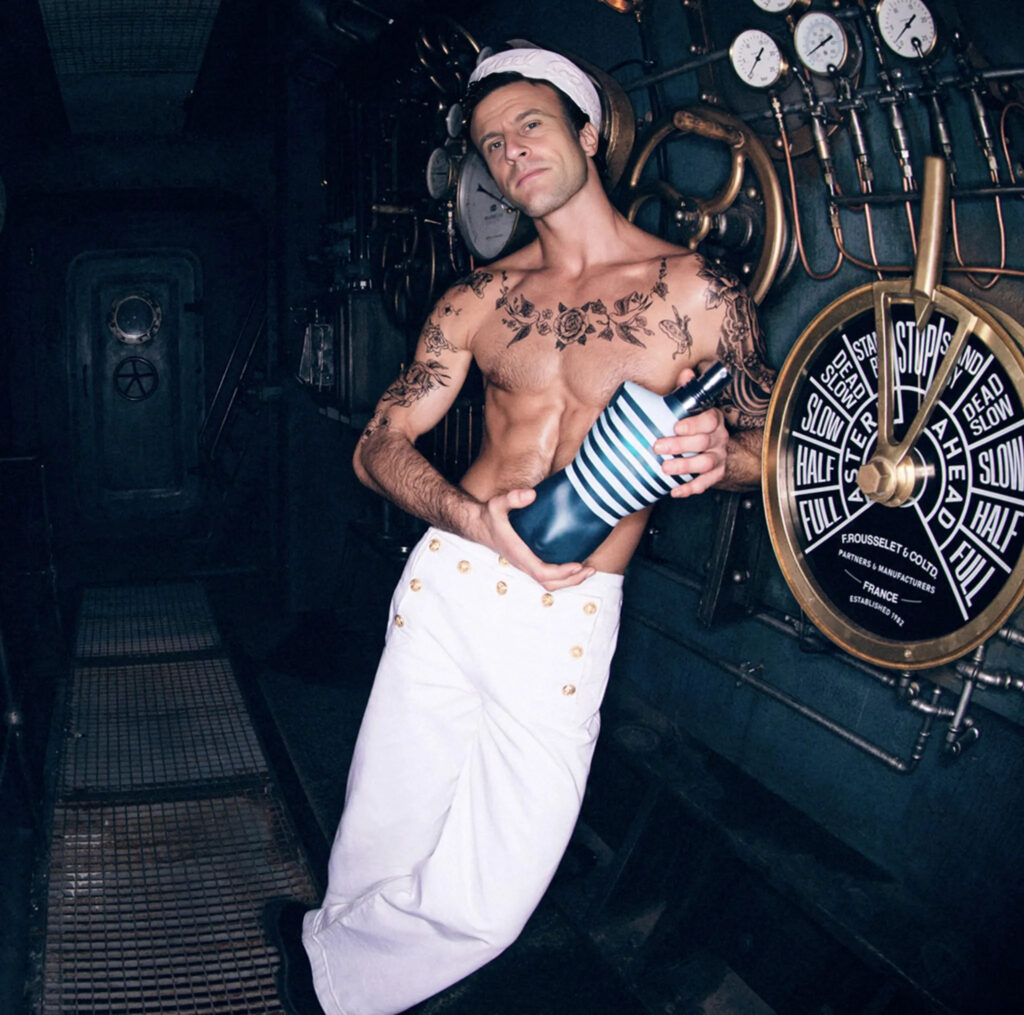
    Abus de substances psychotropes ? Revenu dans le monde rรฉel le 29 janvier, Emmanuel Macron sโ€™entretient au tรฉlรฉphone avec Volodymyr Zelenskyy et piteux, se plaint du Droit franรงais, qui lโ€™oblige ร  relรขcher le navire et son รฉquipage indien – il est temps de sโ€™en apercevoir. Ces paroles sont rapportรฉes le lendemain par le journal en ligne ukrainien European Pravda, qui nous apprend aussi que puisquโ€™il a violรฉ la loi, le fanfaron sโ€™engage auprรจs de son homologue kievien ร  la faire changer sine die. C’est une autre rรฉforme juridique que l’Europe attend depuis longtemps en France : la sรฉparation du parquet et du pouvoir exรฉcutif

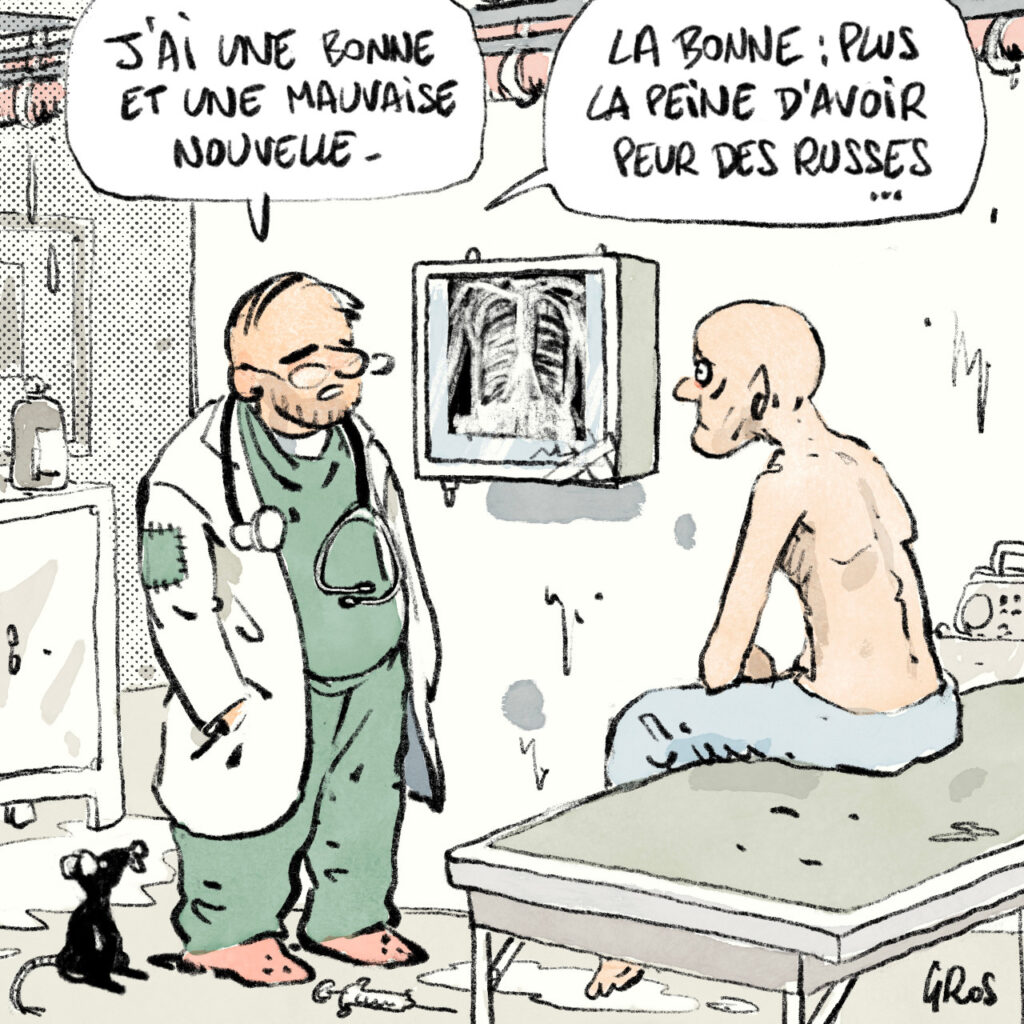
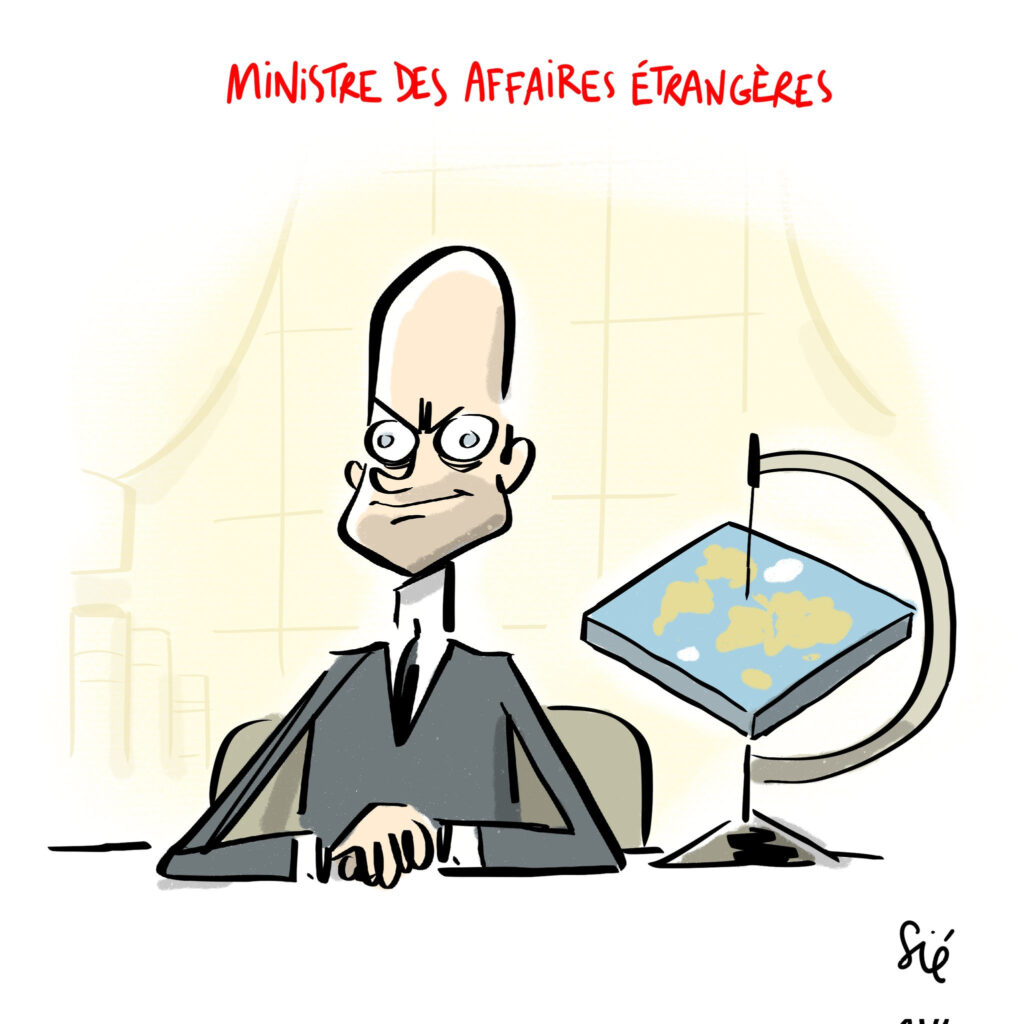
    Beaucoup de talent chez le dessinateur franรงais qui le 13 fรฉvrier, sait croquer avec tant de prรฉcision la personnalitรฉ de Jean-Noรซl Barrot, ministre des affaires รฉtrangรจres de la Macronie.

    Ce sont probablement des agents implantรฉs en Ukraine qui ont informรฉ le SVR. Lโ€™agence russe de renseignement extรฉrieur dรฉvoile lโ€™affaire le 24 fรฉvrier 2026, quatriรจme anniversaire du dรฉclenchement de lโ€™opรฉration militaire spรฉciale au Donbass et en Ukraine. Dans le contexte de la dรฉfaite militaire gรฉnรฉrale des troupes atlantistes, la France et le Royaume-Uni projettent de doter en secret lโ€™Ukraine de lโ€™arme nuclรฉaire

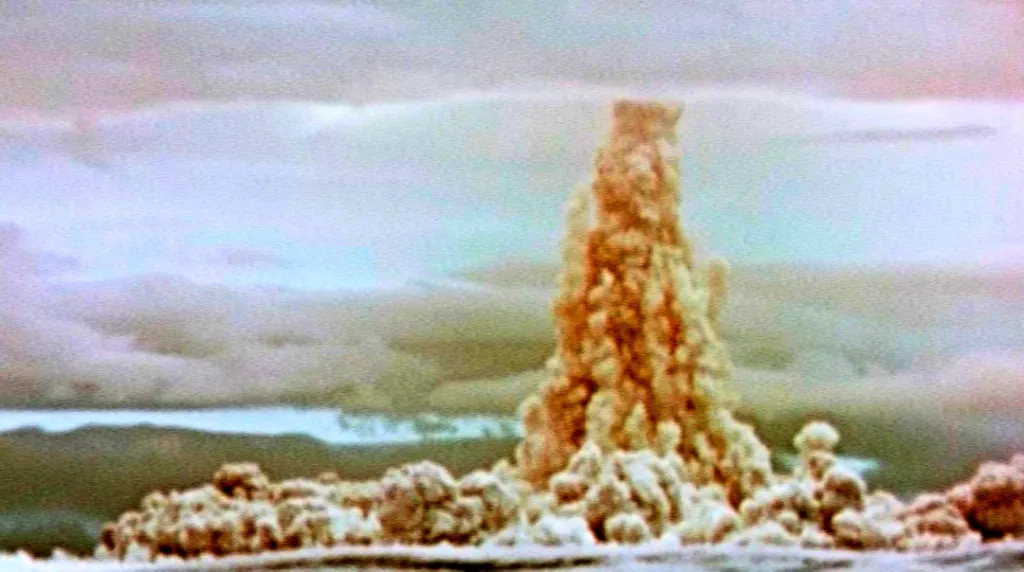
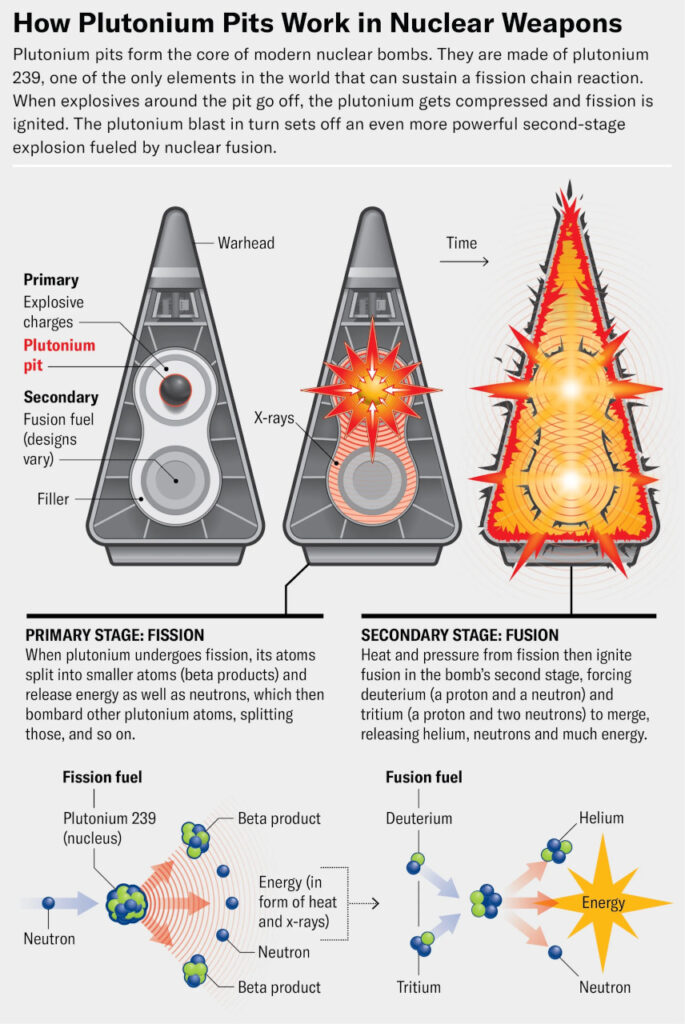
    Une solution technique envisagรฉe est le transfert de tรชtes franรงaises TN75, que portent les missiles balistiques intercontinentaux en cours de remplacement M51.1. Chacune dรฉlivre une petite charge de 110 kt รฉquivalents de TNT, soit 7,5 Hiroshima. Le vice consiste ร  faire croire que lโ€™arme nuclรฉaire ukrainienne serait le rรฉsultat dโ€™un dรฉveloppement national. Le communiquรฉ russe prรฉcise que sollicitรฉe, lโ€™Allemagne a dรฉclinรฉ lโ€™offre de se joindre ร  lโ€™affaire.

    Vice-prรฉsident du Conseil de sรฉcuritรฉ de Russie, Dmitri Medvedev รฉclaire ensuite le public sur les raisons stratรฉgiques de cette rรฉvรฉlation. Elle est un avertissement ; en cas de transfert effectif du matรฉriel, la Russie lancerait pour le moins des frappes nuclรฉaires tactiques sur les sites ukrainiens de destination.

    Le projet secret europรฉen est non seulement une violation du traitรฉ de non-prolifรฉration, mais aussi une folie stratรฉgique qui risque de dรฉgรฉnรฉrer en confrontation nuclรฉaire. Le fanatisme affichรฉ depuis quatre ans par les dirigeants europรฉens, les personnalitรฉs retorses et dรฉsรฉquilibrรฉes dโ€™un Emmanuel Macron ou dโ€™un Volodymyr Zelenskyy ne laissent guรจre de doute sur lโ€™authenticitรฉ des informations que le SVR a exploitรฉes

    Dans un article que RTL publie le 8 mai 2026, Georges Malbrunot confirme de sources franรงaises ce quโ€™affirment depuis longtemps les autoritรฉs du Mali : dans une tentative de restaurer son emprise nรฉocoloniale au Sahel et pour nuire du mรชme coup ร  la Russie, la France collabore avec lโ€™Ukraine dans leur soutien de groupes djihadistes.

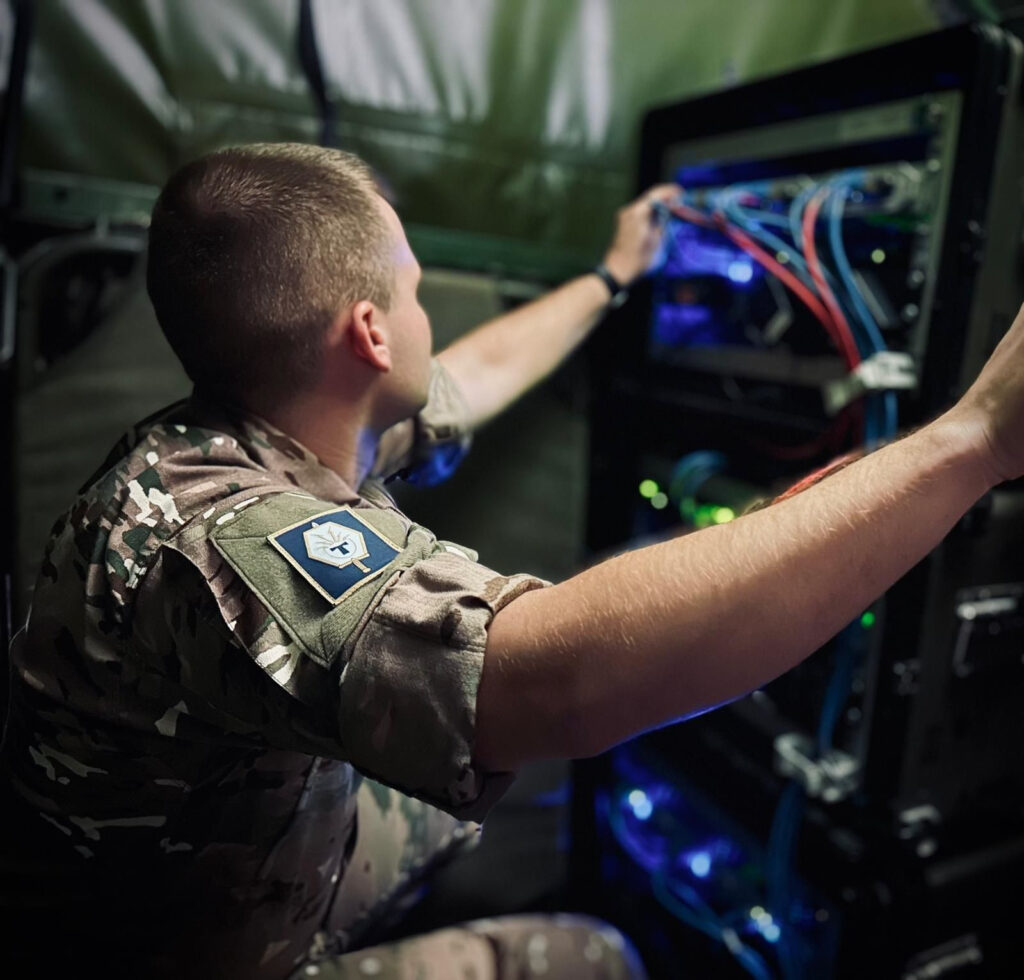
    Sous quelque prรฉtexte que ce soit, sa Vacuitรฉ poursuit son projet maniaque dโ€™injecter des troupes franรงaises en Ukraine. Le 24 juin, le quotidien numรฉrique Intelligence Online rรฉvรจle que sous couvert de formation, des militaires du rรฉgiment de cyberdรฉfense de Saint Jacques de la Lande y opรจrent avec la Sรปretรฉ dโ€™ร‰tat ukrainienne (SBU)

    La Russie a toujours averti quโ€™elle ne tolรจre pas de troupes occidentales en Ukraine. Ne sera pas virtuel, le missile balistique Iskander que ces cyberguerriers risquent de recevoir sur la tรชte.

    Les autoritรฉs franรงaises nient, mentent รฉvidemment. Comme dans le cas du soutien franco-ukrainien de groupes djihadistes au Sahel, cette implication aurait du rester secrรจte

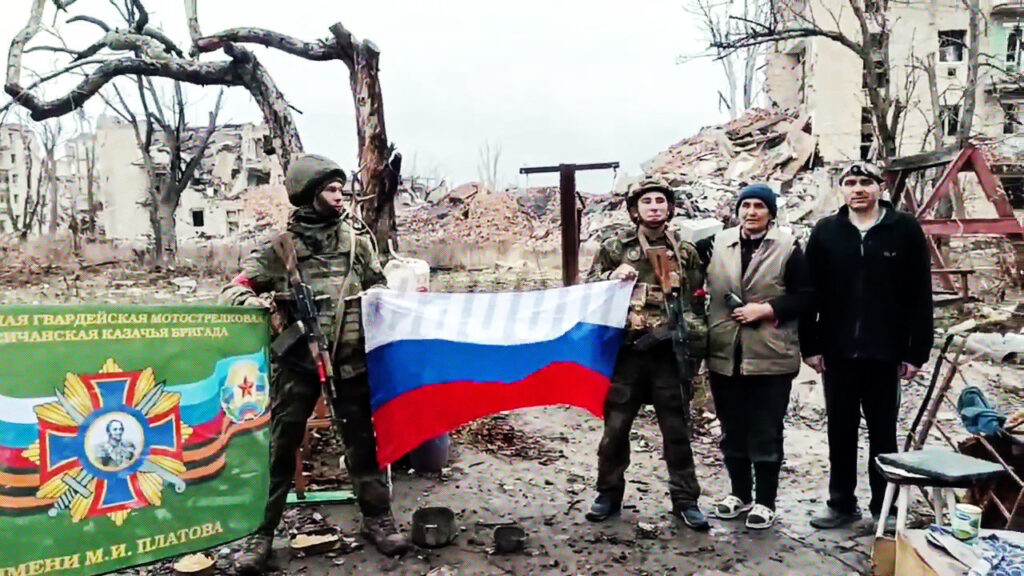
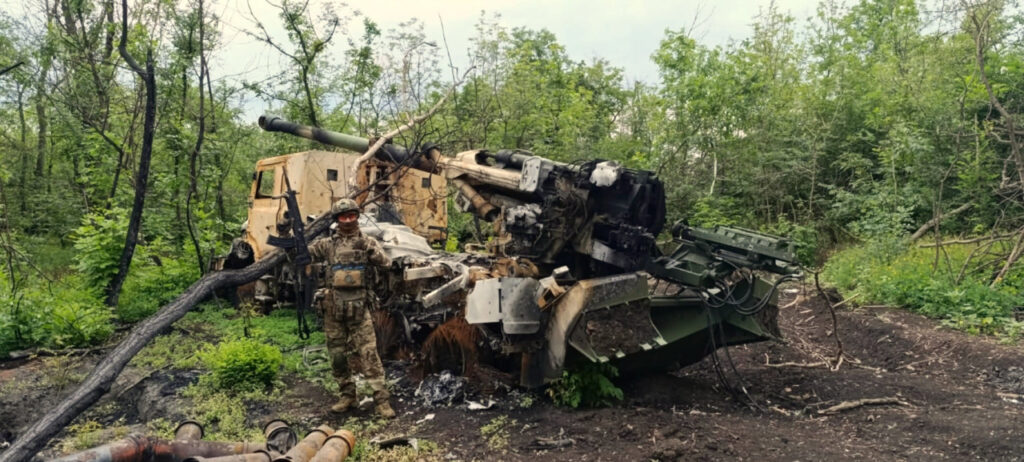
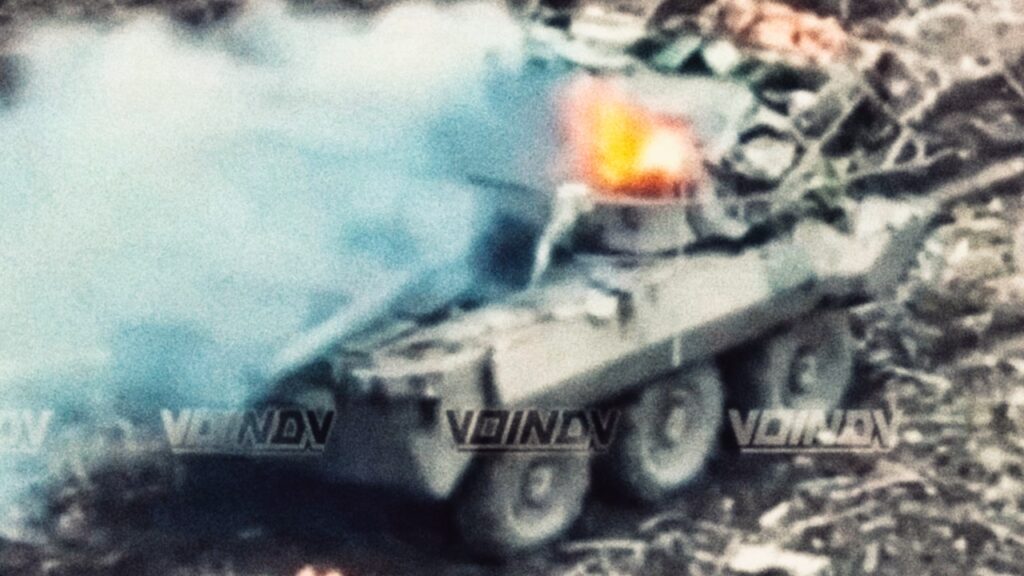
    Cette belle photographie date du 10 juillet. Elle est ensuite partagรฉe par Lostarmour, un site russe qui documente les vรฉhicules atlantistes dรฉtruits ou capturรฉs. Au cours de leur progression, les combattants russes ont atteint cette รฉpave de canon automoteur franรงais CAESAR.

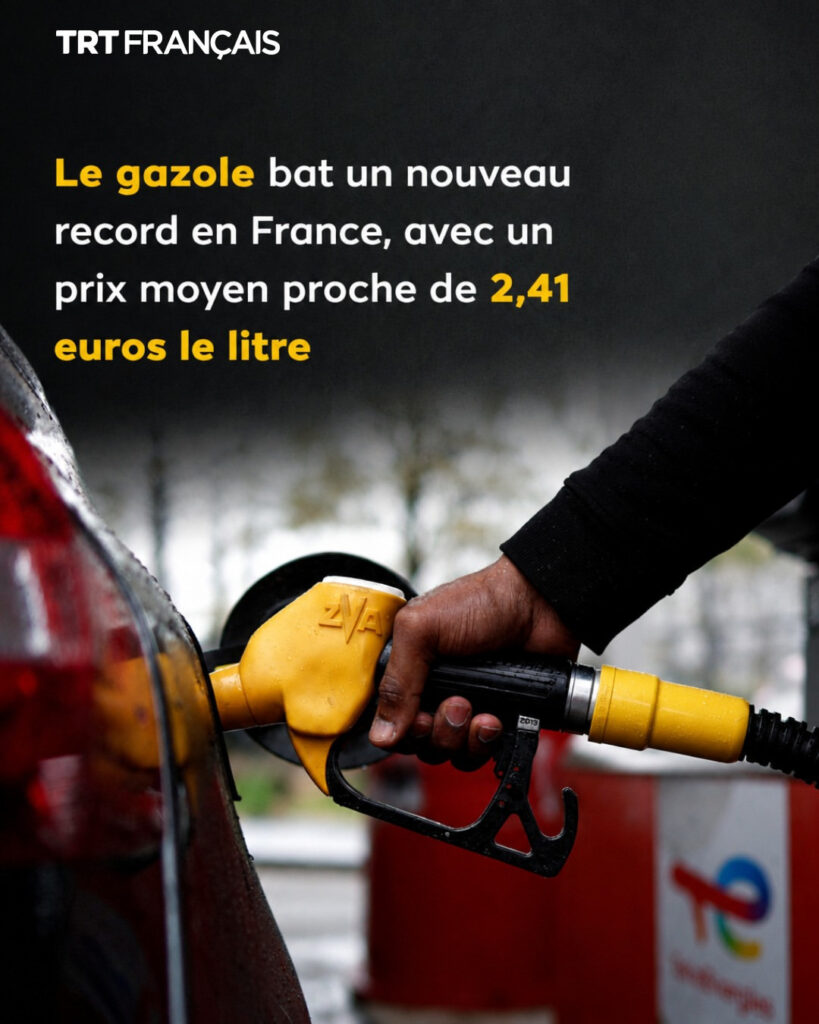
    Comme ร  son habitude, en guise de parade politicienne ร  une augmentation des prix du carburant causรฉe par les conflits dans le Golfe et en Ukraine -oรน il refuse toujours de reconnaรฎtre son humiliante dรฉfaite par procuration– Emmanuel Macron fait de la fumรฉe

    Convoquรฉs en grande pompe le 18 septembre 2026, des reprรฉsentants de partis politiques se font prรฉsenter ร  l’ร‰lysรฉe un รฉtat de la menace, le leurre dโ€™une prรฉtendue guerre hybride russe en Europe. Comme nous le savons dรฉjร , les agences occidentales dites de renseignement nโ€™en font plus guรจre et sont plutรดt payรฉes pour servir la communication dโ€™รฉphรฉmรจres gouvernements dโ€™incompรฉtents.

    Bien plus intรฉressant, les autoritรฉs avouent ce que nous avions dรฉjร  compris

    Les Forces armรฉes franรงaises ont menรฉ des ripostes militaires conventionnelles non rendues publiques contre la Russie ร  la suite d’attaques hybrides [Le Monde]
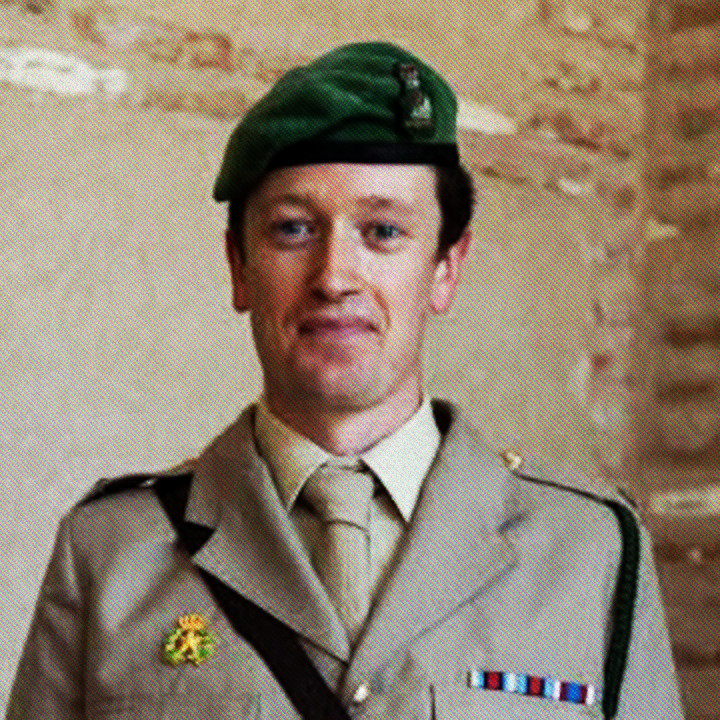
    Lโ€™engagement direct des coqs gaulois dans des opรฉrations offensives injustifiรฉes contre la Russie rend sans doute leur dรฉfaite plus amรจre encore. Pour sa part, le Royaume Uni a commencรฉ depuis dรฉcembre 2025 ร  rendre publiques des pertes.

    in Lโ€™engagement franรงais dans les rangs ukrainiens

    chronique alphabรฉtique et nรฉcrologique de lโ€™engagement franรงais dans les rangs atlantistes en Ukraine, ce que les journalistes serviles ne vous raconteront pas

    Articles connexes

    The Atlanticist defeat in Donbass and Ukraine

    en Anglais, chronicle of a new catastrophic NATO venture

    Nazism in Ukraine

    chronique en Anglais, its roots before WW2, its collaboration with Nazi Germany, its legacy in modern Ukraine, how NATO has continually supported Nazism in Ukraine

    The footprint of the Ukrainian Nazism in the West

    chronique en Anglais, interactions between Ukrainian Nazi organizations and Western supremacist militants

    The Western disinformation about Ukraine

    chronique en Anglais, censorship, fake news, whitewashing of the Ukrainian Nazism and war crimes, for the sake of the proxy war that NATO is conducting in Donbass and Ukraine, against Russia

    14 novembre 2026 : Tombรฉs pour lโ€™Allemagne et lโ€™OTAN

    la liste non exhaustive mais certifiรฉe des Franรงais tuรฉs dans les rangs atlantistes en Ukraine

    29 octobre 2026 : ร€ propos de lโ€™attaque terroriste raciste dans les Yvelines

    son inspiration : racisme franรงais atavique et dรฉsir jusquโ€™en Ukraine de rรฉprimer la contestation sociale en France

    5 aoรปt 2026 : Ylian Fort ยซ chique ยป comme le dernier des voleurs ร  la tire

    le volontaire franรงais dans les rangs atlantistes en Ukraine souffre de ne pas parvenir ร  assumer son idรฉologie fasciste

    1er aoรปt 2026 : Censure de la journaliste pacifiste Xenia Fedorova

    loi visant ร  prรฉvenir les ingรฉrences รฉtrangรจres en France

    18 mai 2026 : Prรจs dโ€™une trentaine de Franรงais sont dรฉsormais rรฉunis dans le bataillon nazi ukrainien ยซ Revansh ยป

    de quoi faire trembler le microcosme politico-mรฉdiatique parisien

    11 mai 2026 : Ma rรฉponse au Canard enchaรฎnรฉ

    qui pleure les jeunes franรงais tuรฉs dans les rangs atlantistes en Ukraine et nโ€™aime pas mon travail

    25 avril 2026 : De Philippe Pรฉtain ร  Quentin Deranque

    une saga franรงaise, entre Ukraine et Lyon, oรน apparaissent aussi des morceaux de SS de la division Charlemagne et plus rรฉcemment, Alice Kerviel, dite Cordier. L’affaire Deranque rรฉvรจle comme la France est infectรฉe par le pรฉtainisme, en particulier parmi les soutiens d’Israรซl ou de l’Ukraine, deux thรฉรขtres d’opรฉrations oรน l’Occident tente de ralentir son dรฉclin

    20 janvier 2026 : En Ukraine, des nรฉonazis et ex-militaires franรงais sโ€™engagent pour se battre contre la Russie โ€“ Sรฉbastien Bourdon, Street Press

    En 2025, une nouvelle unitรฉ de Franรงais combattant pour lโ€™Ukraine sโ€™est structurรฉe autour dโ€™un noyau de nรฉonazis, ayant pour objectif dโ€™attirer des recrues. Parmi ces volontaires, dโ€™anciens militaires. StreetPress les a identifiรฉs

    20 janvier 2026 : En Ukraine, les Franรงais des deux camps sโ€™affrontent sur fond dโ€™imaginaire de la Seconde Guerre mondiale โ€“ Sรฉbastien Bourdon, Street Press

    En Ukraine, les volontaires franรงais pro-ukrainiens et pro-russes se partagent lโ€™imaginaire de la Seconde Guerre mondiale. Les premiers se revendiquent des collabos de lโ€™Allemagne nazie, les seconds de lโ€™escadrille mythique ยซ Normandie โ€“ Niรฉmen ยป

    15 novembre 2025 : ยซ Gardez votre confiance en la France รฉternelle ยป

    deux jours aprรจs le 10e anniversaire de la dรฉbรขcle politique et sรฉcuritaire du 13 novembre 2015, une messe cรฉlรจbre ร  Verdun lโ€™ancien dirigeant fasciste de lโ€™ร‰tat franรงais

    11 novembre 2025 : Der Krieg

    ce 11 novembre 2025 est lโ€™occasion de souligner comme la faรงon dont lโ€™Europe sacrifie les conscrits ukrainiens mobilisรฉs de force rappelle le spectaculaire carnage de la 1รจre guerre mondiale

    2 aoรปt 2025 : Russophrenia: the Westโ€™s favourite delusion about Russia โ€“ Brian McDonald

    Ten years after I coined the term, the mediaโ€™s still convinced Russia is both collapsing, and conquering the world

    9 mai 2025 : Victory Day

    10 avril 2024 : Message de lโ€™ataman Nikolaรฏ Diakonov ร  Emmanuel Macron et ses mignons

    cโ€™est par lโ€™agence cosaque de presse PIKA, depuis la Rรฉpublique populaire de Lougansk, que le 2 avril 2024, lโ€™ataman Nikolaรฏ Diakonov lance un message ร  destination de la France

    5 janvier 2024 : Ukraine : des combattants franรงais dans le viseur des renseignements โ€“ Cรฉcile Deffontaines, Lโ€™Obs

    ce papier est le premier des grands mรฉdias franรงais qui sโ€™attaque ร  la question des militants nazis franรงais dans les rangs atlantistes en Ukraine, le nouveau danger quโ€™ils prรฉsenteront ร  terme pour la sรปretรฉ intรฉrieure

    25 octobre 2023 : Cรฉsar et Paul, nรฉonazis mondains โ€“ Christophe-Cรฉcil Garnier, StreetPress

    oรน nous apprenons que le nazi franรงais Allan Duchรฉzeau, camarade de Cรฉsar Aujard dans les rangs atlantistes en Ukraine, รฉtait surnommรฉ Dox, quand il secondait ร  Paris le leader nazi Marc de Cacqueray Valmรฉnier

    21 juillet 2023 : Les oeils de Moscou

    le magazine lโ€™Express est un exemple cocasse des tendances fascistes de la dรฉmocratie libรฉrale occidentale

    19 juin 2023 : David Piguet, un commissaire aux questions russes

    son rรฉvisionnisme, en dรฉtails

    30 mai 2023 : Fils de Pรฉtain

    la vanitรฉ nationale trouble la perception de la rรฉalitรฉ historique et perpรฉtue une nรฉvrose collective

    14 mai 2023 : Pauvre Sacrรฉ Charlemagne

    la mythologie europรฉiste

    7 fรฉvrier 2023 : Thousands NATO soldiers have already been killed in Donbass and Ukraine

    en Anglais, les indices au 7 fรฉvrier 2023, de la mort dans le Donbass et en Ukraine de militaires de lโ€™OTAN

    31 janvier 2023 : the European fascist armies lose WW2

    en Anglais, ร  l’occasion du 80e anniversaire de la dรฉfaite ร  Stalingrad des armรฉes fascistes europรฉennes, tournant de la 2de guerre mondiale

    21 septembre 2022 : The Western operatives in Mariupol

    en Anglais, les indices de la prรฉsence dโ€™opรฉrateurs occidentaux, en particulier Franรงais, pris au piรจge en mars 2022 ร  Marioupol, dont les forces russes achevรจrent la libรฉration en mai

  • [Sharing] The West has engineered its own downfall – Kishore Mahbubani, Institute of Art and Ideas

    The West has become a lonely, narcissistic civilization

    Our world is full of divides. Yet, the greatest divide is between the 12% of the worldโ€™s population who live in the West and the 88% who live outside. When the West looks at itself in the mirror, it sees itself as the most virtuous civilization on planet Earth, taking care of its own citizens and generously and selflessly making the world a better place. And when the rest of the world looks at the West, they see a trigger-happy, violent civilization which has killed more innocent people in unnecessary wars than any other civilization in recent decades. So where does the truth lie?

    Sadly, the data doesnโ€™t lie. Since the end of the Cold War, when the world was expected to receive a peace dividend, the West has involved itself in one misadventure after another. The results have been disastrous. The Brown University Watson School of International and Public Affairsโ€™ Cost of War Project has estimated that at least 940,000 people were killed directly by violence in the post-9/11 wars between 2001 and 2023, and a further 3.6โ€“3.8 million people died indirectly due to secondary causes such as diseases, malnutrition and so on. Many of these wars were initiated by the West.

    Curiously, for a civilization that prides itself on intellectual honesty and deep introspection, there has been little reflection on how and why the West has gone so wrong with its constant interventions. Initially, the intervention in Afghanistan was legal and justified under international law, on the basis of UNSC Resolution 1386 (20 December 2001). Yet, after removing the Taliban government, which had harbored the Al-Qaeda terrorists, the West had no strategy for managing its exit from Afghanistan. Instead, it stayed on for 20 years in Afghanistan, only to go from rescuing the Afghan people from the Taliban government to returning the Afghan people to the Taliban government. And in those 20 years, apart from the soldiers who died in battle, over 100,000 Afghan civilians were killed or wounded. No one in the West has been held accountable for this incredible disaster.

    Unlike the Afghan invasion, which was legal under international law, the invasion of Iraq in March 2003 was illegal. The former UN Secretary-General Kofi Annan bravely declared that it was illegal and was persecuted by the Bush Administration for stating the truth. Here, too, a huge number of innocent civilians lost their lives in an illegal war. Yet no one has been held accountable, although Western public opinion has reluctantly conceded that the war was illegal and unnecessary.

    The Western reaction to the failed intervention in Libya has been even more callous. โ€œWe came. We saw. He died.โ€ So said Hillary Clinton, the then US Secretary of State, proudly when Gaddafi was killed on October 20, 2011. Yet, while Gaddafi was alive, the majority of Libyans enjoyed a decent life, particularly from the 1990s onward, which was a period of relative political stability and economic growth. No war or conflict. Each Libyan household also received extensive welfare benefits from the state. GDP grew from US$ 31 billion in 1990 to $75 billion in 2010. Libyaโ€™s per capita GDP in 2010, at $11.6 thousand, was the highest in Africa. By 2020, 10 years after Gaddafi was removed, Libyaโ€™s GDP declined to $47 billion. Its GDP per capita declined to $6.7 thousand. Millions of ordinary Libyans were transported from a safe and secure existence to hell. The West never said sorry to them.

    This callous indifference to the pain and suffering that the West has clearly wrought on so many innocent civilians undermines the Western self-belief that they are an inherently virtuous civilization. And the West is also unaware of how its claims to moral virtue have been further eroded by the manifest double standards it has applied when passing judgements on human rights violations.

    For decades, the West had preached that torture was abominable and was outlawed by several human rights conventions. Indeed, the West had regarded the UN Convention against Torture, adopted on December 10, 1984, as a great leap forward. President Reagan stated, when transmitting the Convention to the US Senate for ratification in May 1988, that doing so would โ€œclearly express United States opposition to torture, an abhorrent practice unfortunately still prevalent in the world today.โ€ Yet, when the Bush Administration became the first modern developed country to reintroduce torture in Guantรกnamo, the erstwhile defenders of human rights in Europe didnโ€™t just fail to condemn the Bush Administration. They aided and abetted this torture with several โ€œrenditionโ€ programs, kidnapping people and sending them to countries where they face a high risk of torture or abuse.

    The Western double standards on human rights were further exposed in the contrasting reactions of the West to the loss of innocent civilian lives in Ukraine and Gaza. Many Western leaders correctly expressed moral outrage when innocent Ukrainian civilians or children were killed in Ukraine. Ursula von der Leyen, President of the European Commission, after the Russian missile and drone attack on Kyiv in August 2025, said, โ€œAnother night of Russia’s relentless bombings struck civilian infrastructure and killed innocents.โ€ Kaja Kallas, then EU High Representative for Foreign Affairs and Security Policy, stated that โ€œRussia once again deliberately targeted and killed Ukrainian civiliansโ€. President Joe Biden, after the July 2024 Russian missile strikes that killed civilians, including children at Kyiv’s Okhmatdyt children’s hospital, described the attacks as a โ€œhorrific reminder of Russia’s brutalityโ€ and said that Russia had โ€œtargeted Ukrainian civilians.โ€ The UK Prime Minister Keir Starmer, responding to the same attack on the children’s hospital, described โ€œattacking innocent childrenโ€ as โ€œthe most depraved of actions.โ€ Western leaders broadly described the killings as atrocities and war crimes. Yet, when many more innocent civilians, including children, were killed in the Gaza conflict, the same Western leaders remained largely silent on Gaza.

    No single event has damaged the moral credibility of the West as much as Gaza has. As modern cell phones have become ubiquitous, we have seen with our own eyes how millions of innocent Palestinian civilians have suffered in Gaza. The 88% of the worldโ€™s population who live outside the West have also heard the loud silence of the West on Gaza. Pankaj Mishra, the Indian novelist and author of The World After Gaza, said in January 2025, โ€œGaza has really damaged American institutions, Western institutions, international institutions, to an extent no previous war, no previous conflict has.โ€ The Booker Prize-winning Indian novelist, Arundhati Roy, has said more starkly, โ€œWhat is under the rubble in Gaza is not just the bodies of Palestinians, but the carcass of Western liberal democracy.โ€

    Yet, even if Western external interventions and policies have been disastrous, many leading Western thinkers and politicians console themselves with the thought that domestically they still have the best-performing societies. Josep Borrell, the then European Union High Representative for Foreign Affairs and Security Policy, said on 13 October 2022, โ€œEurope is a garden. We have built a garden. Everything works. It is the best combination of political freedom, economic prosperity and social cohesion that humankind has been able to build โ€ฆ Most of the rest of the world is a jungle, and the jungle could invade the garden.โ€

    Thereโ€™s no question that people living in the modern, advanced Western societies still enjoy better standards of living than their counterparts in the Global South. The current citizens of the West are the beneficiaries of the wise and sound public policies made by their ancestors. But what are they leaving behind for their future generations? Will future generations in Europe and North America have equally good lives? Or will they see a steady decline?

    Surveys show that most Western populations do not believe that their children and grandchildren will enjoy equally good lives. A January 2025 Pew Survey revealed that over 75% of respondents in Europe as well as in the US and Canada believed that their children would be financially worse off than their parents.

    Indeed, even today, large segments of the population in the West have experienced a deterioration, not improvement, in their lives. The Brookings Institution reported in May 2026 that โ€œIn 2024, 45.5% of US households did not earn enough to make ends meet. In nearly every year since 2014, more than 40% of American households struggled to make ends meet.โ€ The report added, โ€œAs it stands, the cost of living will never be affordable if wages do not substantially increase. Evidence shows that even though US productivity nearly doubled between 1979 and 2025, average hourly pay increased by only 34%. In other words, productivity gains have concentrated wealth among capital owners and the highest-earning Americans, hollowing out the middle class rather than driving broad-based wage growth.โ€

    Angus Deaton and Anne Case have documented in Deaths of Despair that the US faces an epidemic of โ€œdeaths of despairโ€โ€”that is, deaths from drug overdoses, suicides, and alcoholโ€”among midlife non-Hispanic white Americans. They wrote: โ€œDeaths of despair among white men and women aged forty-five to fifty-four rose from thirty per one hundred thousand in 1990 to ninety-two per one hundred thousand in 2017. In every US state, suicide mortality rates for whites aged forty-five to fifty-four increased between 1999โ€“2000 and 2016โ€“17. In all but two states, mortality rates from alcoholic liver disease rose. And in every state, drug overdose mortality rates increased.โ€

    Most Western eyes do not see a connection between their failed external geopolitical ventures and the internal despair of their populations. Actually, the two are linked. Money and resources wasted on unnecessary external interventions could have been better spent on their populations. Speaking about the Iraq war, the Nobel laureate Joseph Stiglitz wrote, โ€œFor one-sixth of the cost of the war, the US could put its Social Security system on sound footing for more than a half-century, without cutting benefits or raising contributions.โ€

    Even if some thoughtful people in the West may agree with the arguments so far, acknowledging that many Western interventions in the Global South were unnecessary and disastrous, they would not in any way agree that the Ukraine war also reflects Western geopolitical incompetence. Thereโ€™s no question that the Russian invasion of Ukraine was illegal. Russia deserves to be condemned for the loss of thousands of innocent lives.

    Yet, when the West imposed sanctions on Russia for invading Ukraine, it didnโ€™t notice that 85% of the worldโ€™s population did not follow suit. Why not? Does this reflect a lack of moral integrity in the Global South? Or does it reflect a shrewd geopolitical assessment? When countries like Brazil, China, India, Indonesia, and South Africa did not impose sanctions on Russia, this did not mean that they supported the Russian invasion. It signaled their rejection of the Western claim that the war in Ukraine was โ€œunprovokedโ€ and only Russia was to blame for the Ukraine invasion.

    Itโ€™s truly shocking how many Western leaders have used the word โ€œunprovokedโ€ to describe the Ukraine war. President Joe Biden, US President, said, on 24 February 2022, โ€œThe Russian military has begun a brutal assault on the people of Ukraine without provocation, without justification, without necessity.โ€ Around the same time, Prime Minister Boris Johnson described Russiaโ€™s action as a โ€œbrutal and unprovoked attack on a free and sovereign European country.โ€ Justin Trudeau, the Canadian Prime Minister, said, โ€œToday, we woke up to a changed world. Russia has launched a brutal and unprovoked attack on the sovereignty of Ukraine.โ€ The leaders of G7 collectively described Russiaโ€™s action as โ€œthis unprovoked and completely unjustified attack on the democratic state of Ukraine.โ€

    Little do these leaders realize that when they use the word โ€œunprovokedโ€ to describe the war in Ukraine, they are effectively insulting the intelligence of the countries of the Global South, including thoughtful leaders like Brazilian President Luiz Inรกcio Lula da Silva. He captured a more nuanced view on the war in Ukraine when he said, in May 2022, โ€œPutin shouldnโ€™t have invaded Ukraine. But itโ€™s not just Putin who is guilty. The United States and the EU are also guilty. What was the reason for the Ukraine invasion? NATO? Then the United States and Europe should have said: โ€˜Ukraine wonโ€™t join NATO.โ€™ That would have solved the problem.โ€

    This great gap in perceptions between the West and the rest on recent geopolitical developments is both surprising and paradoxical. In theory, our world is shrinking. We have more information available today, even from our cell phones, than at any other time in human history. Yet, when we witness the same recent events, the Western perceptions and those in the rest of the world seem to exist in two different universes. What is even more shocking is that most Western leaders and pundits seem completely unaware that they have lost the support and confidence of the majority of the worldโ€™s population. This is why the words of S. Jaishankar, the Indian foreign minister, resonated strongly in the Global South when he said, in June 2022, โ€œSomewhere Europe has to grow out of the mindset that Europe’s problems are the world’s problems but the world’s problems are not Europe’s problems.โ€ A year later, in February 2023, the then German Chancellor Olaf Scholz admitted that Jaishankar โ€œhas a point.โ€ Referring to the countries of Latin America, Africa and Asia, Scholz further stated, โ€œWe have to generally address the interests and concerns of these countries as a basic prerequisite for joint action.โ€

    Despite the growing differences between the United States and Europe, both share a common concern on China and will work in one way or another to isolate and stop China. However, when they do so, they will find that the rest of the world will ignore them and continue engaging with China. Hence, instead of isolating China, the West will be isolating itself from the world.

    At the end of the day, the refusal of the West to acknowledge that they have lost the rest represents a massive act of self-deception. The West wants to continue believing that it is still the most virtuous civilization on planet Earth. The longer this self-deception persists, the more the West will be seen as a lonely, narcissistic civilization which is self-absorbed and unaware of how the majority of humanity views them. If this gap between the West and the rest is not addressed effectively and soon, the world will be headed into more troubled waters.

    The original article

    Related

    The Atlanticist defeat in Donbass andย Ukraine

    chronicle of a new catastrophic NATO venture

    December 26, 2024: The Moral Bankruptcy of the West โ€“ John J.ย Mearsheimer

    October 20, 2024: Assassination for fraudulentย motives

    Pan-Africanist leader Muammar Gaddafi was killed on October 20, 2011

    June 8, 2023: The West Must Prepare for a Long Overdue Reckoning โ€“ Chandran Nair, The Nationalย Interest

    five major trends illustrate how the world is changing, and that the West must grapple with the reality that it can no longer impose its โ€œleadershipโ€ on the world as it once did

    January 7, 2023: ยซ Freedom fighters ยป are defendingย Ukraine

    that is for ยซ democracy ยป

    August 2, 2022: Gone with theย wind

    the ยซ war on terror ยป

  • Lโ€™engagement franรงais dans les rangsย ukrainiens

    • Lรฉvy, Bernard-Henri, nรฉ le 5 novembre 1948,

    est un astre. Le philosophe-prophรจte [รงa n’est pas de moi mais excellent] s’est impliquรฉ avec une fougue รฉgale dans la presque totalitรฉ des entreprises foireuses de l’OTAN depuis des temps immรฉmoriaux. Il est aujourd’hui l’รฉtoile du Berger de tous ceux qui pistent l’inรฉluctable dรฉclin de l’Occident, car il rรชve les vastes restes du monde comme un immense territoire palestinien occupรฉ. Quand BHL nous raconte les cohortes de nazis ukrainiens comme des combattants rรฉpublicains espagnols, il nous rapproche du sublime

    L’Ukraine au cล“ur est le titre du navet qu’il commet en 2023. Le bide en salles est absolu et fin novembre, le service public et les chaรฎnes privรฉes d’information s’acharnent dรฉsespรฉrรฉment ร  en faire la promotion. Il est le prรชcheur le plus ardent en France de la mythologie ukro-atlantiste et en mรชme temps, le zรฉlote d’un ร‰tat israรฉlien qui massacre alors des milliers de civils dans le ghetto palestinien de Gaza, rรชve d’y accomplir un nettoyage ethnique, ainsi qu’en Cisjordanie occupรฉe. BHL est ร  la philosophie ce que Josef Mengele รฉtait ร  la mรฉdecine

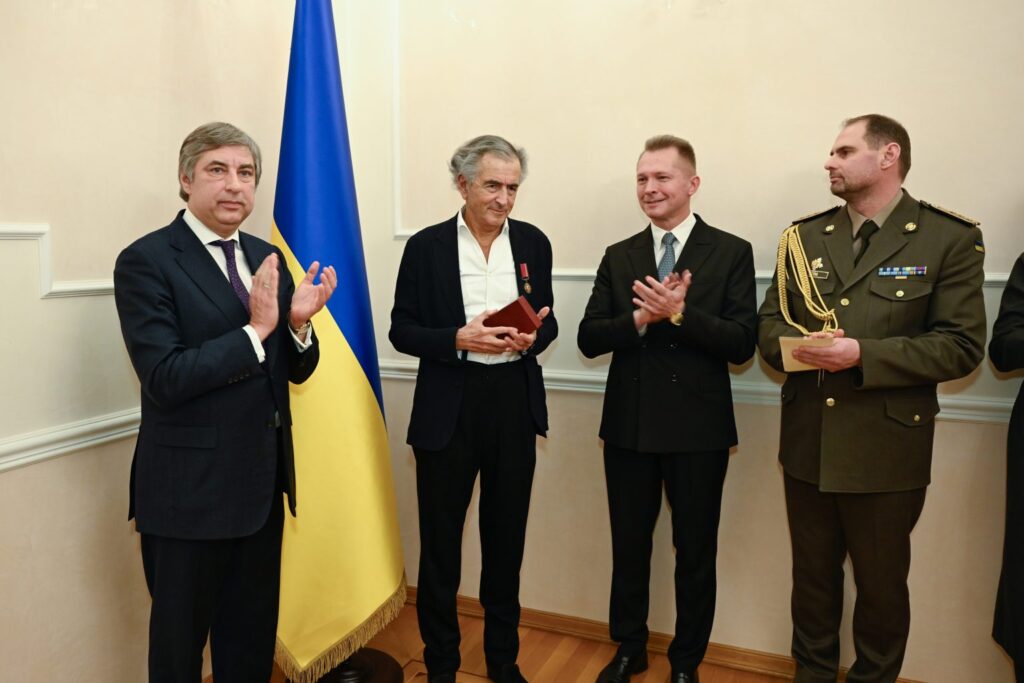
    ร€ l’ambassade d’Ukraine en France, le 16 janvier 2024, il reรงoit lโ€™insigne de Chevalier de lโ€™Ordre du Mรฉrite dโ€™Ukraine. Les invitรฉs comptent peu de combattants, que des amis : Galia Ackerman, Nicole Bacharan, Christophe Barbier, Pascal Bruckner, Laure Mandeville (Figaro et Atlantic Council), Romain Goupil, Alla Poedie (LCI, cf. David Piguet), Nicolas Tenzer, Manuel Valls (le mari de Susana Gallardo), Tunku Varadarajan (The Daily Beast, un journal en ligne, dรฉmocrate et nรฉoconservateur)… et j’en passe.

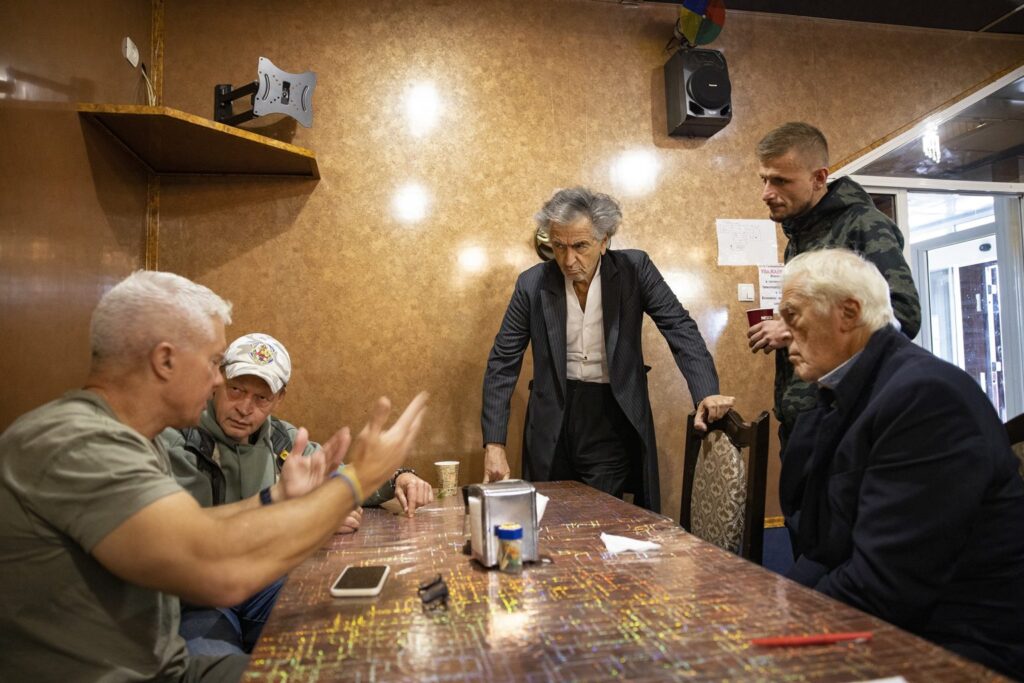
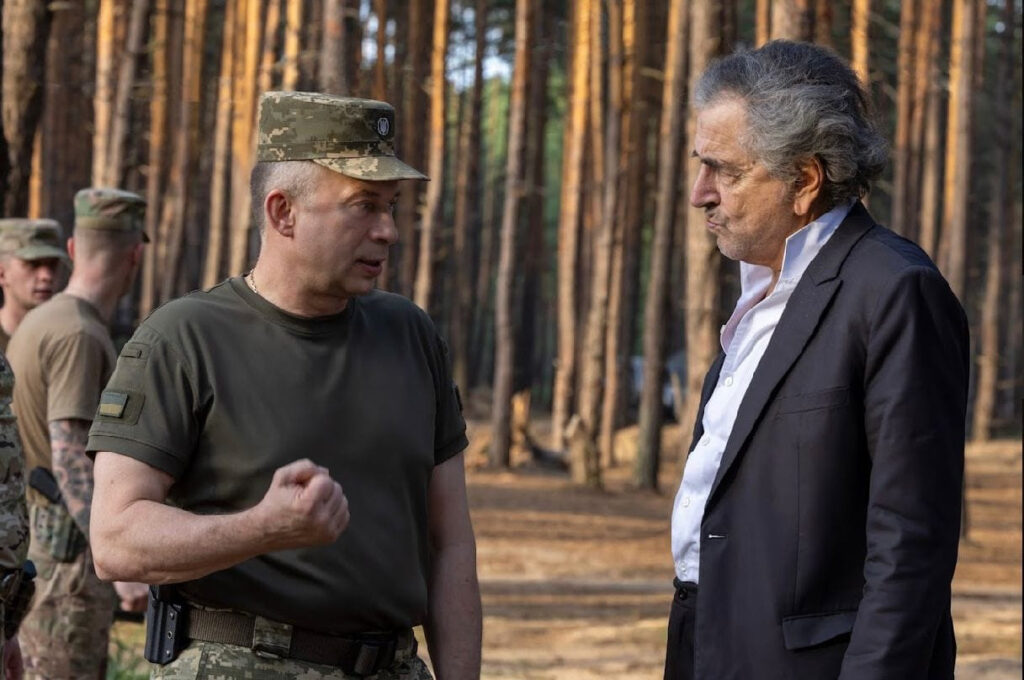
    Entre autres tournรฉes des popotes de Tsahal, pour encourager crimes de guerre et crimes de masse ร  Gaza, il prodigue le 13 juillet son conseil stratรฉgique au chef d’รฉtat-major ukrainien Oleksandr Syrsky

    C’est en mouche du coche que BHL a contribuรฉ en 2011 ร  la destruction de la Libye. L’expรฉrience lui est montรฉe ร  la tรชte et le champion de la libertรฉ a soutenu en 2014 les cohortes nazies sur la place Maรฏdan de Kiev. Hรฉlas pour la rรฉalisation de sa vision du monde, la Russie a taillรฉ en piรจces d’autres hรฉros de la dรฉmocratie, les insurgรฉs sunnites radicaux que le dรฉcolletรฉ germanopratin parrainait aussi contre le gouvernement laรฏc de Syrie. Je me demande si le conscrit ukrainien aura bien le temps de lui exprimer toute sa gratitude, avant de se faire hacher dans les tranchรฉes du Donbass.

    in Lโ€™engagement franรงais dans les rangs ukrainiens

    chronique alphabรฉtique et nรฉcrologique de lโ€™engagement franรงais dans les rangs atlantistes en Ukraine, ce que les journalistes serviles ne vous raconteront pas

    Articles connexes

    The Atlanticist defeat in Donbass and Ukraine

    en Anglais, chronicle of a new catastrophic NATO venture

    Nazism in Ukraine

    chronique en Anglais, its roots before WW2, its collaboration with Nazi Germany, its legacy in modern Ukraine, how NATO has continually supported Nazism in Ukraine

    The footprint of the Ukrainian Nazism in the West

    chronique en Anglais, interactions between Ukrainian Nazi organizations and Western supremacist militants

    The Western disinformation about Ukraine

    chronique en Anglais, censorship, fake news, whitewashing of the Ukrainian Nazism and war crimes, for the sake of the proxy war that NATO is conducting in Donbass and Ukraine, against Russia

    14 novembre 2026 : Tombรฉs pour lโ€™Allemagne et lโ€™OTAN

    la liste non exhaustive mais certifiรฉe des Franรงais tuรฉs dans les rangs atlantistes en Ukraine

    29 octobre 2026 : ร€ propos de lโ€™attaque terroriste raciste dans les Yvelines

    son inspiration : racisme franรงais atavique et dรฉsir jusquโ€™en Ukraine de rรฉprimer la contestation sociale en France

    5 aoรปt 2026 : Ylian Fort ยซ chique ยป comme le dernier des voleurs ร  la tire

    le volontaire franรงais dans les rangs atlantistes en Ukraine souffre de ne pas parvenir ร  assumer son idรฉologie fasciste

    1er aoรปt 2026 : Censure de la journaliste pacifiste Xenia Fedorova

    loi visant ร  prรฉvenir les ingรฉrences รฉtrangรจres en France

    18 mai 2026 : Prรจs dโ€™une trentaine de Franรงais sont dรฉsormais rรฉunis dans le bataillon nazi ukrainien ยซ Revansh ยป

    de quoi faire trembler le microcosme politico-mรฉdiatique parisien

    11 mai 2026 : Ma rรฉponse au Canard enchaรฎnรฉ

    qui pleure les jeunes franรงais tuรฉs dans les rangs atlantistes en Ukraine et nโ€™aime pas mon travail

    25 avril 2026 : De Philippe Pรฉtain ร  Quentin Deranque

    une saga franรงaise, entre Ukraine et Lyon, oรน apparaissent aussi des morceaux de SS de la division Charlemagne et plus rรฉcemment, Alice Kerviel, dite Cordier. L’affaire Deranque rรฉvรจle comme la France est infectรฉe par le pรฉtainisme, en particulier parmi les soutiens d’Israรซl ou de l’Ukraine, deux thรฉรขtres d’opรฉrations oรน l’Occident tente de ralentir son dรฉclin

    20 janvier 2026 : En Ukraine, des nรฉonazis et ex-militaires franรงais sโ€™engagent pour se battre contre la Russie โ€“ Sรฉbastien Bourdon, Street Press

    En 2025, une nouvelle unitรฉ de Franรงais combattant pour lโ€™Ukraine sโ€™est structurรฉe autour dโ€™un noyau de nรฉonazis, ayant pour objectif dโ€™attirer des recrues. Parmi ces volontaires, dโ€™anciens militaires. StreetPress les a identifiรฉs

    20 janvier 2026 : En Ukraine, les Franรงais des deux camps sโ€™affrontent sur fond dโ€™imaginaire de la Seconde Guerre mondiale โ€“ Sรฉbastien Bourdon, Street Press

    En Ukraine, les volontaires franรงais pro-ukrainiens et pro-russes se partagent lโ€™imaginaire de la Seconde Guerre mondiale. Les premiers se revendiquent des collabos de lโ€™Allemagne nazie, les seconds de lโ€™escadrille mythique ยซ Normandie โ€“ Niรฉmen ยป

    15 novembre 2025 : ยซ Gardez votre confiance en la France รฉternelle ยป

    deux jours aprรจs le 10e anniversaire de la dรฉbรขcle politique et sรฉcuritaire du 13 novembre 2015, une messe cรฉlรจbre ร  Verdun lโ€™ancien dirigeant fasciste de lโ€™ร‰tat franรงais

    11 novembre 2025 : Der Krieg

    ce 11 novembre 2025 est lโ€™occasion de souligner comme la faรงon dont lโ€™Europe sacrifie les conscrits ukrainiens mobilisรฉs de force rappelle le spectaculaire carnage de la 1รจre guerre mondiale

    2 aoรปt 2025 : Russophrenia: the Westโ€™s favourite delusion about Russia โ€“ Brian McDonald

    Ten years after I coined the term, the mediaโ€™s still convinced Russia is both collapsing, and conquering the world

    9 mai 2025 : Victory Day

    10 avril 2024 : Message de lโ€™ataman Nikolaรฏ Diakonov ร  Emmanuel Macron et ses mignons

    cโ€™est par lโ€™agence cosaque de presse PIKA, depuis la Rรฉpublique populaire de Lougansk, que le 2 avril 2024, lโ€™ataman Nikolaรฏ Diakonov lance un message ร  destination de la France

    5 janvier 2024 : Ukraine : des combattants franรงais dans le viseur des renseignements โ€“ Cรฉcile Deffontaines, Lโ€™Obs

    ce papier est le premier des grands mรฉdias franรงais qui sโ€™attaque ร  la question des militants nazis franรงais dans les rangs atlantistes en Ukraine, le nouveau danger quโ€™ils prรฉsenteront ร  terme pour la sรปretรฉ intรฉrieure

    25 octobre 2023 : Cรฉsar et Paul, nรฉonazis mondains โ€“ Christophe-Cรฉcil Garnier, StreetPress

    oรน nous apprenons que le nazi franรงais Allan Duchรฉzeau, camarade de Cรฉsar Aujard dans les rangs atlantistes en Ukraine, รฉtait surnommรฉ Dox, quand il secondait ร  Paris le leader nazi Marc de Cacqueray Valmรฉnier

    21 juillet 2023 : Les oeils de Moscou

    le magazine lโ€™Express est un exemple cocasse des tendances fascistes de la dรฉmocratie libรฉrale occidentale

    19 juin 2023 : David Piguet, un commissaire aux questions russes

    son rรฉvisionnisme, en dรฉtails

    30 mai 2023 : Fils de Pรฉtain

    la vanitรฉ nationale trouble la perception de la rรฉalitรฉ historique et perpรฉtue une nรฉvrose collective

    14 mai 2023 : Pauvre Sacrรฉ Charlemagne

    la mythologie europรฉiste

    7 fรฉvrier 2023 : Thousands NATO soldiers have already been killed in Donbass and Ukraine

    en Anglais, les indices au 7 fรฉvrier 2023, de la mort dans le Donbass et en Ukraine de militaires de lโ€™OTAN

    31 janvier 2023 : the European fascist armies lose WW2

    en Anglais, ร  l’occasion du 80e anniversaire de la dรฉfaite ร  Stalingrad des armรฉes fascistes europรฉennes, tournant de la 2de guerre mondiale

    21 septembre 2022 : The Western operatives in Mariupol

    en Anglais, les indices de la prรฉsence dโ€™opรฉrateurs occidentaux, en particulier Franรงais, pris au piรจge en mars 2022 ร  Marioupol, dont les forces russes achevรจrent la libรฉration en mai

  • [Sharing] Yemen’s ‘uninhibited’ attacks push French warship to exit Red Sea – The Cradle

    NATO forces have been unable to deter the pro-Palestine operations of the Yemeni armed forces despite heavily militarizing the Red Sea

    France’s Aquitaine-class FREMM frigate Alsace has turned tail from the Red Sea after running out of missiles and munitions repelling attacks from the Yemeni armed forces, according to its commander, Jerome Henry.

    We didnโ€™t necessarily expect this level of threat. There was an uninhibited violence that was quite surprising and very significant. [The Yemenis] do not hesitate to use drones that fly at water level, to explode them on commercial ships, and to fire ballistic missiles

    Henry told French news outlet Le Figaro in an exclusive interview published on 11 April.

    We had to carry out at least half a dozen assistances following [Yemeni] strikes

    he added.

    The commander of the Alsace also revealed that, after a 71-day deployment, all combat equipment was depleted.

    From the Aster missile to the 7.62 machine gun of the helicopter, including the 12.7mm, 20mm, or 76mm cannon, we dealt with three ballistic missiles and half a dozen drones

    Henry adds.

    According to the French commander, the Francoโ€“Italian Aster missile โ€“ each carrying a price tag of up to $2 million โ€“ โ€œwas pushed to its limitsโ€ by the Yemeni armed forces, as the Alsace had to use it โ€œon targets that we did not necessarily imagine at the start.โ€

    Henry added that Sanaa has markedly increased its use of ballistic missiles after relying mainly on suicide drones at the start of the country’s pro-Palestine operations in the Red Sea and stressed that the French Navy has not faced such a tough battle since NATO collectively launched its 2011 war on Libya to depose the late ruler Muammar Gaddafi.

    I was there too. It wasn’t the same thing. It has been even longer since we have engaged with this level of weaponry and violence. The threat to the boat was much greater in the Red Sea

    Henry notes.

    The Alsace entered the Red Sea in late January, a few weeks after the US and the UK launched an illegal war on Yemen to protect Israeli shipping interests. The frigate was deployed as part of the EU naval operation Aspides โ€“ Greek for shield.

    With a mandate initially set for one year, Aspides saw the deployment of several EU warships and airborne early warning systems to the Red Sea, the Gulf of Aden, and surrounding waters. According to authorities in Brussels, the mission is exclusively defensive, and its forces are not taking part in US-led attacks against Yemen.

    Aspides came together after several NATO members proved hesitant or outright refused to join the floundering Operation Prosperity Guardian (OPG), which a top US commander called one of the largest battles the navy has fought since the end of World War II.

    โ€œWe favor a diplomatic solution. We know that there is no military solution,โ€ US Special Envoy for Yemen Timothy Lenderking said earlier this month, acknowledging the futility of Washington’s military strategy against the Arab world’s poorest country.

    According to Yemeni sources who spoke with The Cradle, US officials recently offered Sanaa โ€œan acknowledgment of its legitimacyโ€ in exchange for its neutrality in the ongoing war on Gaza.

    [Washington] pledged to repair the damages, remove foreign forces from all occupied Yemeni lands and islands, and remove Ansarallah from the State Departmentโ€™s โ€˜terrorism listโ€™ โ€“ as soon as they stop their attacks in support of Gaza

    The Cradle columnist Khalil Nasrallah cited the sources as saying.

    The offer also includes โ€œseverely reducingโ€ the role of the Saudi-appointed Presidential Leadership Council (PLC) and โ€œaccelerating the signing of a roadmapโ€ with the Saudi-led coalition to end the nine-year war that has decimated Yemen.

    Nevertheless, Yemeni officials have maintained that their operations in the Red Sea, Gulf of Aden, and the Indian Ocean will continue until Israel stops the genocide of Palestinians in Gaza.

    From the coast of the Red Sea or from outside it, we can achieve the goals we want in defense of our country and support of Palestine โ€ฆ We still have many military surprises, and there are military operations that we are keeping secret as part of a specific media strategy

    Mohammad Ali al-Houthi, a senior member of Yemen’s Supreme Political Council, announced on 3 April [end]

    The original article

    Related

    Operation Epstein Files

    once more, the US and Israel attack Iran, chronicle

    April 9, 2026: Vatican official threatened by Pentagon attended bishopโ€™s installation โ€“ Antonio Fins, Palm Beachย Post

    Cardinal Christophe Pierre was told American-born Pope Leo XIV had โ€˜better takeโ€™ the U.S. side in military matters, a news report stated

    April 6, 2026: Trump Says US Sent โ€˜a Lot of Gunsโ€™ to Protesters in Iran โ€“ Dave DeCamp, Antiwar.com

    The president also said that he believes the Kurds took a lot of the weapons

    April 1, 2026: โ€œCasualty Cover-Upโ€: The Pentagon Is Hiding U.S. Losses Under Trump in the Middle East โ€“ Nick Turse, The Intercept

    Almost 750 U.S. troops have been wounded or killed in the Middle East since October 2023, an analysis by The Intercept has found. But the Pentagon wonโ€™t acknowledge it

    March 16, 2026: Just Get Out! Now! โ€“ Ron Paul

    March 15, 2026: Israel is running critically low on interceptors, US officials say โ€“ Shelby Talcott, Semafor

    March 7, 2026: Blinded giant: How Iran crippled Americaโ€™s multi-billion dollar THAAD network in days โ€“ Ivan Kesic, Press TV

    In the first week of the US-Israeli aggression on Iran, the Islamic Revolution Guards Corps (IRGC) conducted a series of precision strikes that systematically degraded the much-hyped US integrated air and missile defense architecture across the region

    March 6, 2026: STOP THE IRAN WAR! โ€“ Eisenhower Media Network

    Eisenhower Media Network is an organization of expert former military, intelligence, and civilian national security officials who have an independent, alternative story to tell

    March 6, 2026: ยซ The operation failed in the first hoursยป: The Iranians trapped the US military โ€“ Arguments & Facts

    Story: Escalation of the conflict between Israel, the US, and Iran in 2026

    February 15, 2026: Rubio gives green light to new era of US-European colonialism โ€“ Roger McKenzie, Morning Star

    January 29, 2026: Manufacturing martyrdom: The westโ€™s cynical use of Iranian protest figures โ€“ Robert Inlakesh, The Cradle

    The US-funded ecosystem of Iranian โ€˜rights groups,โ€™ Israeli operatives, and monarchist activists has become a revolving door of unverifiable statistics and atrocity propaganda

    January 12, 2026: Western Media Whitewashes Deadly Riots in Iran โ€“ Max Blumenthal & Wyatt Reed, Internationalist 360ยฐ

    As deadly riots burn Iranian cities, Western media ignores the shocking wave of violence, turning instead to US government-funded NGOs for data. The one-sided portrayal has helped push Trump to the brink of authorizing renewed US attacks

    January 3, 2026: Make Israel great again

    July 9, 2025: Israel is the Middle Eastern boil of Western imperialism

    the novelty is that the corrupt West is showing signs of sepsis

    July 8, 2025: Imperial Hypocrisy About โ€œTerrorismโ€ Hits Its Most Absurd Point Yet โ€“ Caitlin Johnstone

    July 2, 2025: Sudden acceleration of the Western decline

    the failure of the infamous Israeli attack against Iran

    June 30, 2025: ไปฅ่‰ฒๅˆ—ไธŠ็ฉบ็š„็…™ Fireworks over Israel

    ่‹ฑไน‹ๅญๆจ‚้šŠ innokids

    June 13, 2025: Israel attacks Iran

    as thanks to the West, the rogue State gets away with its genocide in Gaza

    January 16, 2025: โ€˜I Felt Like A Naziโ€™: Zionists Admit Genocide โ€“ Kit Klarenberg

  • [Sharing] From De Gaulle to Macron: The place where every French leader makes the same mistakes – Tamara Andreeva, Russia Today

    For decades, Africa has consistently been viewed by Paris as a space to offset its lost global influence

    Africa has historically been a foundational pillar of Franceโ€™s influence and a cornerstone of its global status. Africa provided France with raw materials, geopolitical weight, and economic advantages. All this formed the system known as โ€˜Francafriqueโ€™. 

    However, this system is currently facing an acute crisis. Itโ€™s clear that France has failed to maintain a stable presence on the African continent. From de Gaulle to Macron, French leaders have repeatedly made the same mistakes, which eventually resulted in the failure of Franceโ€™s Africa policy. 

    Prestige through Africa

    Every nation aspiring to be a leader aims to uphold its image as a โ€˜great powerโ€™. France particularly cherishes this image, but current economic and political realities no longer allow for such status. French philosophers noted the decline of the nationโ€™s grandeur as early as the post-WWII era, describing France as a โ€œsecond-rate power.โ€ It was during this time that Africa became the cornerstone of French foreign policy, one that allowed Paris to sustain and extend its influence on the global stage.

    France and Africa have a long shared history rooted in the expansion of the French colonial empire at the end of the 19th century. Franceโ€™s colonial expansion, unlike that of other European countries, was driven not merely by economic gain but by a quest for international prestige.

    The modern strategy for maintaining French power is often associated with Gaullism โ€“ the philosophy of General Charles de Gaulle, who sought to restore Franceโ€™s greatness while โ€œtotally lacking resources to make it possible.โ€ This logic has shaped Franceโ€™s Africa policy for decades, with leaders from de Gaulle to Macron facing the same challenges.

    Monsieur Afrique

    De Gaulleโ€™s philosophy laid the groundwork for Franceโ€™s modern Africa policy. At first glance, the general appeared to sacrifice Franceโ€™s interests by acknowledging the independence of its colonies. However, behind this apparent withdrawal lay a pragmatic calculation aimed at preserving economic, political, and strategic advantages.

    Key tools of influence following decolonization included the CFA franc zone and military cooperation agreements that allowed French troops to be stationed in various African nations. Jacques Foccart played a pivotal role in this system; appointed by de Gaulle, he was tasked with establishing a network of clientelist relationships with the new African leaders. Thus emerged Franceโ€™s unofficial policy in Africa, known as Francafrique โ€“ a term coined by economist and historian Francois-Xavier Verschave.

    Foccart, nicknamed โ€˜Monsieur Afriqueโ€™, headed the General Secretariat for the Community and African and Malagasy Affairs, which reported directly to the president rather than the Ministry of Foreign Affairs. This department was initially small and the staff was likely handpicked by Foccart, who preferred former colonial officials and high-ranking civil servants, so-called โ€˜universalistsโ€™. This group also included several African agents. This department established the mechanisms for controlling the politics of the former colonies.

    As Dr. Vasily Filippov notes, alongside official structures, shadow structures were also active. In 1960, the Civic Action Service was established, which โ€œengaged in a range of militarized activities โ€“ from extortion to illegal arms trade and money laundering.โ€

    Language as a tool of influence

    Franceโ€™s next president, Georges Pompidou, inherited de Gaulleโ€™s Africa policy, advocating for โ€œcontinuity and dialogue.โ€ He aimed to soften the approach, shifting the focus toward economic and cultural engagement. Under his leadership, regular Franco-African summits began โ€“ a tradition that endures to this day.

    Pompidou placed significant importance on promoting the French language as a means to counter Anglo-Saxon influence, thereby extending Franceโ€™s reach not only to its former colonies but also to former Belgian territories.

    His administration supported the establishment of universities, contributing over a million books and training teachers according to the French educational method. However, the Cold War atmosphere fueled increasing anti-colonial sentiments and led to deteriorating relations with several Francophone African nations.

    From paternalism to the Rwandan genocide

    Pompidouโ€™s successor, Valery Giscard dโ€™Estaing, preferred a tougher stance, including military methods. He sought to inject โ€œnew momentumโ€ into Franceโ€™s relationship with Africa, yet under him, the unified Francafrique network splintered into numerous autonomous lobbying groups tied to the interests of the presidentโ€™s circle. During this time, Foccartโ€™s General Secretariat became known as the Ministry of Cooperation. 

    Although dโ€™Estaing aimed to expand collaboration by involving Portuguese and English-speaking countries in negotiations, his Africa policy ended in scandal. Le Canard enchaine published information that he had received diamonds worth at least โ‚ฌ800,000 in todayโ€™s currency from the president of the Central African Republic, Jean-Bedel Bokassa. As French expert Claude Vautier wrote, โ€œWhile Africa brought de Gaulle success, it brought Giscard dโ€™Estaing defeat.โ€

    In 1981, socialist Francois Mitterrand came to power in France. Many African nations anticipated change, given the socialistsโ€™ promises to reconsider neocolonial approaches and integrate the โ€˜cellule africaine de lโ€™Elyseeโ€™ (the so-called Africa Cell, a specialized unit of the French government dealing with African affairs) into the French Foreign Ministry. However, the reforms turned out to be largely symbolic, as Mitterrandโ€™s Africa policy gradually took on the characteristics of โ€œauthoritarian paternalism.โ€ย 

    Initially, some โ€˜idealistsโ€™ in the Elysee Palace aimed to reform the system of aid to Africa, but they were soon displaced by the โ€˜Francophilesโ€™ who viewed the continent as a zone of special interest. Despite rhetoric about national independence, self-determination, and the development of impoverished nations, Mitterrandโ€™s policies inherited the Gaullist spirit and logic of Francafrique.

    These practices involved active intervention in the internal affairs of Chad, Burkina Faso, the Comoros, as well as Zaire (now DR Congo), Djibouti, Somalia, and Rwanda. Development aid was linked to democratization and cooperation with Bretton Woods institutions (known as the Balladur Doctrine) which, just like the devaluation of the CFA franc in 1994, determined the developmental model for the region for years to come.

    The most tragic episode was the Rwandan genocide. Though Rwanda was never a French colony, experts call it โ€œthe dirtiest chapter in the history of Francafrique.โ€ France acknowledged its responsibility only in 2021.

    First, the Duclert Report was released. While it did not directly acknowledge the complicity of the French authorities in the genocide, it pointed out that they were responsible for turning a blind eye to what was happening in Rwanda. Then, French President Emmanuel Macron publicly admitted this responsibility

    [France] was not complicit… But France has a role, a history, and a political responsibility in Rwanda. And it has a duty: that of facing history head-on and recognizing the share of suffering it had inflicted on the Rwandan people by making silence prevail over the examination of truth for too long

    Rwandans were divided in their opinions: some saw the French presidentโ€™s speech as a breakthrough, while others felt that Macron avoided the most important part and failed to offer genuine apologies. For instance, Alain Gauthier, president of the Collective of Civil Parties for Rwanda, an association that tracks down genocide perpetrators in France, noted that

    what President Macron said is what the Duclert Report has already stated about the heavy responsibilities, and we would have hoped for even more committed words, but President Macron did not have that courage

    Are โ€˜inadequate interventionsโ€™ a thing of the past?

    With Jacques Chiracโ€™s rise to power in 1995, many in France anticipated a revival of Gaullism, and in line with this continuity, he appointed Foccart as his adviser on Africa. Observers noted that Foccart served as a โ€˜living linkโ€™ to the era of de Gaulle and Pompidou. However, he soon passed away and Franceโ€™s Africa policy lost its systemic character and increasingly became situational.

    African leaders increasingly accused Paris of neo-colonialism, and the region gravitated towards the US and China. In 1997, then-French Prime Minister Lionel Jospin declared,

    The politics of spheres of influence and inadequate interventions in Africa must be left behind

    Indeed, France gradually shifted its attention toward short-term missions and training programs; by 2002, the number of French troops in Africa had nearly halved. Then-French Prime Minister Alain Juppe, who was foreign minister during the Rwandan genocide, suggested putting Africans themselves in charge of peacekeeping responsibilities.

    This idea materialized in 1998 through the Reinforcement of African Peacekeeping Capacities (RECAMP) initiative, developed with the support of the US and the UK. However, the attempt was not particularly successful and Paris continued to intervene directly (as seen from the military operations in Comoros, the Central African Republic, Niger, and Cote dโ€™Ivoire, where Operation Licorne (Operation Unicorn) began in 2002 and involved around 5,000 troops).

    โ€˜The colonizer took but also gaveโ€™ย 

    In 2007, Nicolas Sarkozy became president of France. He had previously served as minister of the interior and was known for his tough stance on illegal immigration.

    Even before his election as president, he made some bold statements, saying that โ€œthose who donโ€™t like France are free to leaveโ€ and emphasizing that the French are not obliged to abandon their values for a โ€œtiny minority.โ€ This rhetoric garnered him substantial domestic support: between 2002 and 2005, his approval rating soared from 29% to 51%.

    During his presidency, Franceโ€™s focus shifted significantly towards North Africa, including support for protests in Tunisia, operations in Libya, and the Mediterranean Union project. Sarkozyโ€™s first visit to the African continent began with a trip to Libya, where he met the countryโ€™s leader, Muammar Gaddafi. In an interview, he spoke about the need to turn a new page in Franco-African relations, saying that the โ€œold demons of clientelism, paternalism, and dependence on aidโ€ would no longer have a place.

    However, Sarkozyโ€™s speech in Dakar in 2007 drew sharp criticism, particularly for his controversial comment: โ€œthe colonizer took [resources], but I want to say with respect that he also gave.โ€ Perhaps the final straw was his assertion that colonization wasnโ€™t the root cause of all the continentโ€™s problems. This rhetoric was deemed arrogant and even dangerous by many Africans. Philosopher Achille Mbembe wrote in an open letter to Sarkozy,

    Who gave him the right to talk about Africa and Africans in a manner of a master who has the habit of ill-treating his slave?

    At the same time, Sarkozy implemented institutional reforms: he dissolved the Cellule Africaine, transferred the management of African affairs to the Ministry of Foreign Affairs, and, in the interests of increased โ€˜transparencyโ€™, revised and made public defense agreements with eight countries. 

    France also expressed support for the African Union and in 2010-2012 pledged around โ‚ฌ300 million for the development of regional peacekeeping forces. Nevertheless, operations in Libya and Cote dโ€™Ivoire, along with a strict migration policy, reinforced perceptions that France continued to operate within a neocolonial framework.

    Africa increasingly came to be viewed through the lenses of migration, terrorism, and instability, paving the way for the โ€˜securitizationโ€™ of Africa policy under Hollande and Macron.

    A record number of military interventions

    Francois Hollande, who became president of France in 2012, promised to โ€œend parallel diplomacyโ€ and reform French foreign policy in regard to Africa. He continued the trend of โ€˜Africanizingโ€™ peacekeeping efforts, emphasizing that Africaโ€™s future depended on empowering Africans to manage crises independently, in collaboration with the African Union and regional organizations.

    However, just a year later, in January 2013, France launched Operation Serval in Mali to halt the advance of Islamist militants. Instead of relying on โ€˜African solutionsโ€™ the crisis was addressed by French fighter jets and 3,000 troops. Franceโ€™s motives extended beyond security: neighboring Niger was a key supplier of uranium for Franceโ€™s energy needs and a destination for investments in infrastructure and water supply.

    Later, Operation Serval evolved into Operation Barkhane, which spanned the Sahel countries -Mali, Chad, Niger, Mauritania, and Burkina Faso. Up to 3,000 French soldiers were deployed as part of the operation. In the same year, France initiated Operation Sangaris in the Central African Republic under a UN mandate, sending 2,000 troops.

    Despite claims of a โ€œnew phase of partnershipโ€ a record number of military interventions were carried out under Hollande. The ambiguity surrounding the objectives and timelines of these missions, particularly Operation Barkhane, sparked criticism both in Africa and France. By the end of Hollandeโ€™s term, 76% of the French populace expressed dissatisfaction with his policies.

    Macronโ€™s promises and Franceโ€™s withdrawal

    Emmanuel Macron initially proclaimed his intention to pursue a โ€œnew policy in Africa,โ€ one rooted in peace and entrepreneurship. Like his predecessors, he vowed to break away from the legacy of Francafrique and wanted to position himself as a representative of a new generation. 

    In the fall of 2017, he delivered a speech at the University of Ouagadougou in Burkina Faso, asserting that France โ€œno longer had an Africa policyโ€ and that any future interactions would occur under the auspices of the European Union. This statement aimed to both deflect accusations of Franceโ€™s unilateral influence and add legitimacy to its initiatives through a European framework. His speech emphasized security concerns, especially the fight against terrorism in the Sahel โ€“ a conflict inherited from Hollande.

    Operation Barkhane, which deployed up to 5,000 French troops, gradually undermined Franceโ€™s standing in the region. The mission became drawn out due to ambiguous objectives and a lack of a clear timeline; all this led to rising anti-French sentiments. 

    Paris sought to internationalize the conflict by acting as a mediator between Europe and Africa and supporting the establishment of a counter-terrorism group, the G5 Sahel, with backing from the UN, African Union, and EU. However, military coups, particularly in Mali, prevented this. By 2022-2023, France announced the end of Operation Barkhane and the withdrawal of its troops. This was perceived in Africa as a symbol of diminishing French influence amid the rise of the influence of countries such as China, Tรผrkiye, Germany, and Russia.

    The new authorities demanded a reevaluation of Franceโ€™s military presence, and sometimes managed to expel French forces entirely. As a result, France completely withdrew from Mali, the Central African Republic, Burkina Faso, Niger, and Chad. In Senegal, Paris closed permanent bases but maintained cooperation in the field of security. The French military presence in Cote dโ€™Ivoire and Gabon became more limited in scope. Currently, Djibouti has become Franceโ€™s key military hub with approximately 1,500 troops stationed there. 

    Despite Macronโ€™s attempts to reshape Franceโ€™s presence in Africa (shifting from large military bases to training centers) and to engage with African youth through Africa-France summits, he could not reverse the negative trends. Macronโ€™s blunt remarks in 2023 โ€“ when he said that France played a crucial role in maintaining the statehood of the Sahel countries โ€“ underscored the persistence of a paternalistic rhetoric.


    Clearly, continuity is a defining characteristic of Franceโ€™s Africa policy. Presidents may change and various reforms may be declared, but, essentially, the strategy remains the same. From de Gaulle to Macron, Africa has consistently been viewed by Paris primarily as a space for compensating lost global influence.

    Attempts to move away from the logic of Francafrique have yielded no real changes; in times of crisis, France invariably returned to coercive tactics, and even the careful official speeches of the French presidents retained the paternalistic tone. These processes culminated under Macron, when France experienced a historic decline in its military, political, and symbolic presence in key regions of Africa [end]

    The original article

    Tamara Andreeva is Junior Researcher at the Institute for African Studies, Russian Academy of Sciences.

    The French State is censoring Russia Today. Therefore, some readers may need a web proxy, in order to access the original article.

    Related

    November 19, 2025: Mali Defends Sovereignty Against a Western-Backed โ€œProxy Warโ€ โ€“ Pavan Kulkarni, Internationalist 360ยฐ

    As panic-inducing travel advisories and doomsaying media reports prophesy the fall of Mali to an Al Qaeda affiliate attacking fuel convoys, the government has re-secured supply routes and hosted Maliโ€™s first international defense expo in a supposedly besieged capital

    October 20, 2024: Assassination for fraudulent motives

    Pan-Africanist leader Muammar Gaddafi was killed on October 20, 2011

    July 3, 2024: France, its Far-Right, and Africa โ€“ Kossi โ€œAyomideโ€ Paul, Internationalist 360ยฐ

    Franceโ€™s recent parliamentary elections indicate a rapid political shift to the right. Africans both on the continent โ€“ where several nations remain French neo-colonies โ€“ and in France will undoubtedly experience the impact of this in the form of increased exploitation, reactionary immigration policy, and xenophobic oppression

    January 19, 2024: Russian Missile Strike on French Contractor Base in Ukraine Highlights Heated Franco-Russian Cold War โ€“ Military Watch Magazine

    October 10, 2023: African revolution

    France is expelled from its former colonies in West Africa

    September 6, 2023: No respite for France as a โ€˜New Africaโ€™ rises โ€“ Pepe Escobar, The Cradle

    Like dominos, African states are one by one falling outside the shackles of neocolonialism. Chad, Guinea, Mali, Burkina Faso, Niger, and now Gabon are saying โ€˜nonโ€™ to Franceโ€™s longtime domination of African financial, political, economic, and security affairs

    August 5, 2023: One of the results of the US-Russia war: Africa rebels against imperialism โ€“ Elijah J. Magnier, dossierSul

    July 30, 2023: Africa and a new world order โ€“ Stephen Sefton, Tortilla con Sal

  • [Sharing] Mali Defends Sovereignty Against a Western-Backed โ€œProxy Warโ€ – Pavan Kulkarni, Internationalist 360ยฐ

    As panic-inducing travel advisories and doomsaying media reports prophesy the fall of Mali to an Al Qaeda affiliate attacking fuel convoys, the government has re-secured supply routes and hosted Maliโ€™s first international defense expo in a supposedly besieged capital

    Amid a barrage of media reports prophesying the fall of Mali to an Al Qaeda affiliate disrupting its fuel supply by attacking tankers, delegates from ten African countries, Iran, and Turkey attended a defense expo in the capital Bamako from November 11 to 14.

    The city was reported to beย โ€œunder siegeโ€,ย encircled by jihadistsย closing in on power. Some version of โ€œIs Mali about to fall?โ€ was a rhetorical question across headlines, while the Atlantic Council declared the country wasย โ€œunravelingโ€.

    Dismissing this portrayal as a scenario โ€œconcocted in the office of foreign intelligence servicesโ€, Foreign Minister Abdoulaye Diop insisted that โ€œthe fate of Mali, and the destiny of the people in the West African region will not be decidedโ€ by the media.

    He made these remarks on November 12, addressing a press conference on the sidelines ofย BAMEX 25, Maliโ€™s first international defense expo, aimed at building โ€œan autonomous security architectureโ€ for Africa in the face of โ€œunprecedented security and geopolitical challengesโ€.

    This expo, he said, is yet another indication of the Malian governmentโ€™s priority to strengthen its defense and security to combat the threat of terror groups that were spawned across the Sahel by NATOโ€™s destruction of Libya in 2011.

    French-spawned terror groups

    Mali was among the first and worst affected by these terror groups. Its former colonizer, France, which was a key participant in Libyaโ€™s destruction, then deployed its troops, ostensibly to protect Mali. Over the years, its military presence expanded across the Sahel. Alongside, the armed groups also grew in strength, increasing attacks and the area under their control.

    This led to a growing perception that French troops in the region were not fighting the terror groups it helped create but guarding its own economic and political interests in maintaining its neocolonial grip over the troubled former colonies.

    Amid mass protests against the French troop deployment, Maliโ€™s France-backed regime of the then-president Ibrahim Boubacar Keรฏta was removed in a popular military coup in 2020. A military government replaced the regime with the support of the protest movement, trade unions, and other progressive formations.

    In 2021, then-prime minister Choguel Kokalla Maรฏga recalled in anย interviewย the active role played by France in handing over Maliโ€™s territory to terror groups.

    โ€œUpon arriving inโ€ the northern town of Kidal in 2013, โ€œFrance forbade the Malian army from entering. It created an enclave,โ€ and handed it over to Al-Qaeda affiliate Ansar al Dine and Tuareg separatists brought together, he said. Later in 2017, Ansar al Dine coalesced with other terrorist groups to form the Jamaโ€™at Nusrat al-Islam wal-Muslimin (JNIM), which became one of the most dangerous groups in the Sahel.

    โ€œItโ€™s an enclave controlled by France. They have armed groups trained by French officers. And we have evidence of this,โ€ Maiga added in his 2021 interview. โ€œMali has no access to Kidal.โ€

    However, the new governmentย retook Kidalย in November 2023, less than a year and a half after expelling the French troops.

    โ€œOn the ground today, terrorist groups are no match for Maliโ€™s defense and security forces,โ€ Diop told reporters at the press conference. โ€œThere have been enormous efforts to equip Maliโ€™s defense and security forces, which have achieved resounding successesโ€ against the terror groups, he said, adding that this has โ€œforced them to change their strategy and now attack softer targets.โ€

    Attacks on fuel convoys

    Early this September, the JNIM startedย attacksย on drivers and their tankers carrying fuel from the Ivory Coast inย the Sikasso regionย of southern Mali. โ€œDue to disruptions in fuel supplies that are affecting the movement of school staff,โ€ the Education Ministryย suspendedย classes for two weeks on October 26.

    โ€œDo Not Travel to Mali for any reason due to crime, terrorism, kidnapping, unrest, and health,โ€ the US State Department said in aย travel advisoryย on October 25. Three days later, the department issued aย second alert, insisting that its citizens in Mali โ€œshouldโ€ leave the country โ€œusing commercial aviation, as overland routes to neighboring countries may not be safe for travel due to terrorist attacks along national highways.โ€

    Australia followed suit on October 29,ย warning, โ€œIf youโ€™re in Mali, you should depart immediately using commercial means while the international airport in Bamako remains open and flights are available. If you decide to remain in Mali, be prepared to shelter in place for an extended period.โ€ย Italyย andย Germanyย also asked their citizens to leave the country.

    Amid the panic-inducing travel advisories and doomsaying media reports, Maliโ€™s president, Col. Assimi Goรฏta,ย inauguratedย the countryโ€™sย second Lithium mine on November 3, setting Mali en route to becomingย Africaโ€™s leading Lithium producer by 2026.

    The mine is located in Bougouni, about 170km south of Bamako in the Sikasso region, where the JNIM had attacked fuel convoys in September.

    Government restores fuel supply

    Two days later, on November 5, residents of Bamako cheered on the streets asย large convoys of fuel tankers entered the cityย under the protection of the armed forces. Nevertheless, France 24 persisted with headlines like โ€œJihadists threaten to overrun Mali as blockades continueโ€œ, โ€œfuel blockade squeezes Maliโ€™s military rulersโ€œ, etc.

    โ€œThere have been disruptions in the supply system,โ€ but โ€œthe state organized itself, put in place a strategic plan to resume supplies, to ensure the security of convoys โ€ฆ And gradually, you see that hundreds of trucks are arriving every day to resume supplies to Bamako and other localities,โ€ Diop added in his press conference. โ€œAs I speak, Mali is able to ensure the supply of hydrocarbons and petroleum products to its population.โ€

    However, two days after the fuel convoys started arriving, France โ€œadvisedโ€ its citizens on October 7 to leave Mali โ€œas soon as possible using the remaining available commercial flightsโ€ because the โ€œsecurity situation has been deteriorating.โ€

    Maliโ€™sย first-ever National Electronic Payments Exhibitionย was organized in the capital that day by the Professional Association of Banks and Financial Institutions of Mali (APBEF-Mali) and the West African Economic and Monetary Unionโ€™s Interbank Electronic Payment Group (GIM-UEMOA).

    Schools reopened on schedule on November 10. That day, President Goรฏta inaugurated theย Presidential Emergency Hospital Projectย to upgrade six existing health centers in Bamako to district hospitals by the end of 2026, for which a health budget of USD 349.2 million has been allocated. The inauguration also marked the start of construction of nine new hospitals, including inย Bougouni,ย Bandiagara, andย Nioro, where attacks had been reported in the recent past.

    Despite these indications of improving security, the UK government claimed on November 13 that โ€œTerrorist group Jamaโ€™a Nusrat ul-Islam wa al-Muslimin (JNIM) has implemented blockades on key routes throughout Southern and Western Mali, including the capital city of Bamako,โ€ where the international defense expo was underway.

    โ€œThese blockades are targeting fuel trucks and are enforcing checkpoints for individuals attempting to pass through them. Attacks can occur at any time,โ€ added itsย travel advisory.

    A proxy war

    โ€œWe must not think we are simply facing terrorist groups,โ€ Diop maintains. โ€œNo, this is a proxy war, where certain powers, cowardly and unable to confront us directly, are using terrorist groups and asymmetric forces to fight us โ€ฆ These terrorist groups have drones. Where do they come from? Who manufactures them? Who provides them in areas where people cannot even eat?โ€

    Le Mondeย hadย reportedย last year that Ukrainian authorities are training an armed group to use drones. Spokesperson of Ukraineโ€™s military intelligence, Andriy Yusov, hadย saidย in an interview that it provided โ€œinformation, and not only information,โ€ to armed groups fighting the state in Mali.

    Earlier in 2022, Diop had written aย letterย to the UN Security Council, saying Mali had evidence that France was flying missions in Malian airspace to collect intelligence and airdrop arms and ammunition to terror groups.

    Maliโ€™s southern neighbor, Burkina Faso, and eastern neighbor, Niger, have also since accused France of supporting terror groups to destabilize their countries after its troops were expelled following a similar sequence of anti-France protests and popular coups.

    โ€œAfrica is now the epicenter of terrorism,โ€ Nicolas Lerner,ย  head of Franceโ€™s General Directorate for External Security (DGSE), told France Inter radio on November 10. Calling it a threat to Europe, heย insistedย it โ€œdirectly threatens our interests,โ€ effectively trying to set up the case for another military intervention.

    Curiously, he went on to add that while the โ€œJNIM wants the fall of the junta and the installation of authorities who back the establishment of a caliphate,โ€ the group itself โ€œis not necessarily capable of controlling Mali, nor does it actually want to.โ€

    Lerner is โ€œsaying โ€ฆ it is not even their intention to take Bamako โ€ฆ How [does he] know their intention? Is it you who gives them this intention? Is it you who commands them? Is it you who decides,โ€ questioned Diop.

    โ€œThis should help us understand how deep the collusion is today between hybrid forces. These are not terrorists โ€“ it is a proxy war. But I can assure you that Mali will endure.โ€

    He reiterated that Mali, Burkina Faso, and Niger, which have formed the Alliance of Sahel States (AES), are fighting together, convinced that this proxy war is waged on them because they โ€œchose to break the chain of dependency, to break the chain of subjugation to colonial domination.โ€

    He added, โ€œOur countries are being attacked first to break this dynamic and then to prevent other African countries from following this path. And we have understood the political message behind this.โ€ The African Union (AU), however, has not.

    โ€œWe are not reaching out to the so-called international community to come to our aidโ€

    Amid the chorus by Western countries, the AUโ€™s chairperson, Mahamoud Ali Youssouf, called for โ€œa robust, coordinated, and coherent international response to counter terrorism and violent extremism in the Sahel.โ€

    โ€œNo action can be โ€ฆ taken in Mali without Malians, without the consent of the Malian state, without the Malian state requesting it,โ€ Diop retorted, affirming, โ€œwe are not reaching out to the so-called international community to come to our aid.โ€

    โ€œThis call for international action is all the more worrying since Mali has emerged from this type of paradigm,โ€ he added. Having expelled the French troops and asserted sovereignty, โ€œthe new paradigm [in the AES] is to trust ourselves and take charge โ€ฆ to ensure the security of our countries rests first and foremost on the shoulders of the people and leaders of our countriesโ€ [end]

    The original article

    Related

    October 20, 2024: Assassination for fraudulentย motives

    Pan-Africanist leader Muammar Gaddafi was killed on October 20, 2011

    July 3, 2024: France, its Far-Right, and Africa โ€“ Kossi โ€œAyomideโ€ Paul, Internationalist 360ยฐ

    Franceโ€™s recent parliamentary elections indicate a rapid political shift to the right. Africans both on the continent โ€“ where several nations remain French neo-colonies โ€“ and in France will undoubtedly experience the impact of this in the form of increased exploitation, reactionary immigration policy, and xenophobic oppression

    January 19, 2024: Russian Missile Strike on French Contractor Base in Ukraine Highlights Heated Franco-Russian Cold War โ€“ Military Watchย Magazine

    October 10, 2023: African revolution

    France is expelled from its former colonies in West Africa

    September 6, 2023: No respite for France as a โ€˜New Africaโ€™ rises โ€“ Pepe Escobar, Theย Cradle

    Like dominos, African states are one by one falling outside the shackles of neocolonialism. Chad, Guinea, Mali, Burkina Faso, Niger, and now Gabon are saying โ€˜nonโ€™ to Franceโ€™s longtime domination of African financial, political, economic, and security affairs

    August 5, 2023: One of the results of the US-Russia war: Africa rebels against imperialism โ€“ Elijah J. Magnier,ย dossierSul

    July 30, 2023: Africa and a new world order โ€“ Stephen Sefton, Tortilla con Sal

  • [Sharing] Vietnam, Algeria, Palestine, passing on the torch of the anti-colonial struggle – Hamza Hamouchene, Transnational Institute

    The 70th anniversary of Dien Bien Phu and Algeriaโ€™s revolution highlights their profound influence on global decolonization. This longread explores their impact on the Palestinian resistance, shedding light on their shared struggle against colonial oppression and their continuing inspiration to the world

    Introduction

    Revolution is not a dinner party, or writing an essay, or painting a picture, or doing embroidery; it cannot be so refined, so leisurely and gentle

    Mao Zedong, 1927 (Zedong 1953)

    Colonialism is not a thinking machine, nor a body endowed with reasoning faculties. It is violence in its natural state, and it will only yield when confronted with greater violence

    Frantz Fanon, 1961 (Fanon 1967)

    Imperialism has laid its body over the world, the head in Eastern Asia, the heart in the Middle East, its arteries reaching Africa and Latin America. Wherever you strike it, you damage it, and you serve the World Revolution

    Ghassan Kanafani, 1972 (Kanafani 2023)

    This year, 2024, coincides with the 70th Anniversary of the Battle of Dien Bien Phu (May 1954), in which Vietnamese revolutionaries inflicted a crushing defeat on French colonialists. It also marks the 70th birthday of the Algerian revolution, which began in November of the same year. The Algerian and Vietnamese resisted colonial oppression for decades before leading two of the most significant revolutions in the twentieth century, against France (and its local collaborators), which was the second biggest European colonial power in the world at the time and which was also supported by NATO forces. No discussion of decolonisation and anti-imperialism can be complete without understanding the importance of Vietnam and Algeria, and how their revolutionary liberation struggles were (and continue to be) so inspiring to oppressed people all over the world, including the Palestinians.

    No one revolution exactly resembles another. This is because all revolutions are rooted in a specific national or regional history, are led by particular social and generational forces, and happen at a given moment in the development of a country. However, revolutions all share a common element, without which they would not be called revolutions: the arrival of a new bloc of classes who take up leadership of the state, or the transition from colonial dependence to national independence. In Leninโ€™s words (external link), โ€˜For a revolution to take place, it is usually insufficient for the lower classes not to want to live in the old way; it is also necessary that the upper classes should be unable to live in the old way.โ€™ Despite all the elements that might point to continuity, it is this rupture that marks a revolutionary change. 

    Against this backdrop and understanding, my objectives in this longread are five-fold:

    1. To share some historical reflections on the Algerian and Vietnamese anti-colonial struggles, so as to bring to light important chapters in anti-colonial history.
    2. To draw connections and parallels between the two struggles, and between them and the ongoing Palestinian liberation struggle, to understand how Palestinians have been inspired by both struggles and at the same time themselves continue to inspire the world with their resolute resistance to Zionist settler-colonialism.
    3. To challenge and debunk attempts to portray a false equivalence between colonisers and those who are colonised.
    4. To highlight transnational solidarities between those who are oppressed and colonised.
    5. To firmly place the Palestinian resistance and liberation struggle within the long line of anti-colonial and anti-imperialist struggles going back to the Haitian struggle at the end of the eighteenth century and start of the nineteenth century, when Haitian slaves rebelled against the French empire and established the first Black republic (James 2001)

    Colonialism Denies the Colonised Their Own History, National Liberation Re-invents it

    National liberation, national renaissance, the restoration of nationhood to the people, commonwealth: whatever may be the headings used or the new formulas introduced, decolonisation is always a violent phenomenon

    Frantz Fanon, 1961 (Fanon 1967)

    The Algerian independence struggle against French colonialists was one of the most inspiring anti-imperialist revolutions of the twentieth century. It was part of the wave of decolonisation that started after the Second World War in India, China, Cuba, Vietnam and many countries in Africa. It inscribed itself in the spirit of the Bandung Conference and the era of the โ€˜awakening of the Southโ€™, a South that has been subjected for decades (and in many cases for more than a century) to imperialist and capitalist domination under different forms, from protectorates to proper settler colonies (as was the case for Algeria).

    Retrospectively, French colonisation of Algeria can be seen as unique, as Algeria was the first Arabic-speaking country to be annexed by the West and one of the first countries in Africa to be officially subjugated by a Western empire, long before the Berlin Conference in 1884, when different European empires (British, French, German, Belgian, Italian, Spanish, Portuguese) met to carve up the continent amongst themselves.

    France invaded Algeria in June 1830. The French army was to spend the next 50 years suppressing an insurgency, 15 of them fighting the brilliant, fierce and dedicated resistance leader Abd-El-Kader. Franceโ€™s war of conquest was conducted without let-up, especially under the command of the ruthless Marshal Bugeaud, who adopted a scorched earth policy (Fisk 2005), committing atrocities ranging from population displacement to land expropriation, massacres, and the infamous enfumades, where the French army eliminated whole tribes through asphyxiation.1

    Alongside Marshal Bugeaudโ€™s “pacification” campaign, France actively encouraged colonisation of Algeria by its own population. In a statement before the National Assembly in 1840 Bugeaud said: โ€˜Wherever there is fresh water and fertile land, there one must locate colons [settlers], without concerning oneself to whom those lands belongโ€™. (This is exactly the approach the Zionists were to apply in Palestine, a century later). By 1841, the number of such colons/settlers already totalled 37,374, in comparison with approximately 3 million indigรจnes (native peoples) (Horne 2006). By 1926, the number of settlers had reached some 833,000, 15% of the population, and it increased to just under 1 million by 1954.

    Colonisation involved the expropriation of the basic factor of production, land, from the indigenous peasantry and its redistribution to the settlers, destroying the foundation of the peasant subsistence economy (Lacheraf 1965). The rural masses fought the encroachment of the colonial army until 1884, but the core of the Algerian rural resistance to colonialism was smashed in 1871, when the big politico-agrarian revolt that had spread over three-quarters of the country was finally crushed. This historic peasant uprising was a reaction to a series of disastrous confiscatory measures during the 1860s that outraged the majority of rural Algerians and led them to fear for their lives and livelihoods. Their situation was made worse by drought, harvest failures, famine, locust invasions and disease, which resulted in the deaths of more than 500,000 victims (around one-fifth of the population). In the period between 1830 and 1870 it is estimated that several million Algerians died (Bennoune 1988, Davis 2007 and Lacheraf 1965).

    The Egyptian Marxist Samir Amin has described how the Algerian rural population transformed the colonial conquest into a protracted and devastating war: ‘The collapse of the regency government and the war of extermination undertaken by the French army gave this early period (1830โ€“1884) certain special characteristics, which are not found elsewhere โ€ฆ faced with military power, the urban ruling class was thrown into thorough disarray and could think of no other alternative but flight โ€ฆ as for the peasants, flight was out of the question. Faced with the threat of extermination, they turned the Algerian countryside into the terrain for a fifty-year war which claimed millions of victims‘(Amin 1970).

    French colonial rule in Algeria lasted for 132 years (in comparison to 75 years of colonial rule in Tunisia and 44 in Morocco), having a duration and a depth that was unique in the experiences of colonialism in both Africa and the Arab world. In 1881, Algeria was administered for the first time as an integral part of France. With this extension of civilian rule to the country came the application of second-class status to Algeriaโ€™s Muslim population. The exclusion of Muslims was reflected at all levels of political representation, anti-Muslim discrimination was built into the electoral system, and the inferior status of Muslims was inscribed in law under the loathsome Code de lโ€™Indigรฉnat of 1881 (McDougall 2006).

    After the French success in violently suppressing Algeriaโ€™s anti-colonial rebellions, the last of which took place in the 1870s and 1880s, over half a century was to pass before the Algerian resistance movement once again took up the fight, in the shape of Algerian nationalism in its modern form.

    8 May 1945: โ€˜Victory in Europe Dayโ€™ and massacres in Algeria

    It was at Setif that my sense of humanity was affronted for the first time by the most atrocious sights. I was sixteen years old. The shock which I felt at the pitiless butchery that caused the deaths of thousands of Muslims, I have never forgotten. From that moment, my nationalism took definite form

    Kateb Yacine, Algerian writer and poet (quoted in Horne, 2006)

    On 8 May 1945 there were joyful celebrations across Europe as news spread of the Nazi capitulation. France rejoiced at being delivered from a five-year occupation. At precisely the same time, events in Algeria began that would lead to the colonial massacre of thousands of Algerian Muslims over the next two months. 

    On Victory in Europe Day, while Europeans celebrated, Algerians marched in Setif for independence and an end to colonisation, deploying banners bearing slogans such as โ€˜For the Liberation of the People, Long Live Free and Independent Algeria!โ€™ They also brandished for the first time what would later become the flag of the Algerian National Liberation Front (FLN) liberation movement. The French colonial authorities violently repressed the march, triggering a rebellion that led to the murder of 103 Europeans. 

    The colonial retaliation to these murders was savage. The French military (air, navy and army) bombed several regions, and burnt and razed many villages to the ground in Setif, Guelma and Kherrata. Over the space of two months, the French gendarmerie2 and troops, alongside vengeful settlers, slaughtered tens of thousands of Algerian Muslims, with some estimates as high as 45,000.ย 

    The parallels between the Setif, Guelma and Kherrata massacres and the 7 October 2023 Al-Aqsa Flood operation by the Palestinian resistance against Israel, and the pitiless genocidal butchery that followed it, is too stark to ignore. In both cases, resistance whether peaceful or violent, was entirely disallowed, and aspirations for self-determination were crushed with grossly disproportionate force.

    At the time (in 1945), one analyst, trying to explain the โ€˜barbarismโ€™ of the colonised and to justify Franceโ€™s bloody repression, wrote: ‘The call to violence raises from the mountains a kind of evil genie, a wild and cruel Berber Caliban, whose movements can only be stopped by a force greater than his own. This is the historical and social explanation for the events that took place in Sรฉtif on the very day that victory was celebrated‘ (Gresh 2023).

    The same supremacist colonial mindset and the same racist, orientalist and essentialist explanations of why the oppressed and colonised revolt persist today: the Palestinian attacks on 7 October are often put down to the pure evil, irrational savagery and timeless barbarism of medieval and sub-human terrorists, far removed from the political context of more than 75 years of settler colonialism, apartheid and occupation.

    The massacres that followed the demonstrations of 8 May 1945 had significant repercussions for the Algerian nationalist movement. For the young generation of militants, the Algerian war had already started and the preparation for armed struggle could no longer be postponed. Most historians agree that the massacres of 1945 were traumatic, marking every Algerian Muslim who lived through the period. Moreover, every Algerian nationalist who was prominent in the FLN traces their revolutionary determination back to May 1945. It will not be surprising if future generations of Palestinian and Arab revolutionaries (of all political tendencies) trace their commitment to liberatory struggle to the genocide that followed the 7 October attacks and the heroic resistance in Gaza, which continues at the time of writing.

    Ahmed Ben Bella, an FLN leader and head of the Algerian state from 1962 to 1965, had been a much-decorated sergeant in the 7th Regiment of Algerian Tirailleurs, a unit that distinguished itself in battle in Europe. But it was the events of 1945 that launched him on the path of revolution. He later wrote: โ€˜The horrors of the Constantine area in May 1945 succeeded in persuading me of the only path: Algeria for the Algerian.โ€™ Similarly, for Mohammed Boudiaf, another revolutionary FLN leader and also a future head of state, the colonial massacres of 1945 led him to reject electoral politics and assimilation and to embrace armed resistance and direct action as the only way to achieve liberation (Evans & Phillips 2007).

    The traumatic events of 1945 were the first volleys in the Algerian struggle for independence. 

    Vietnamโ€™s victory is Algeriaโ€™s inspiration

    Our actions aim to take the war to them, to let the whole world know that the Algerian people are leading a war of liberation against their European occupiers

    Djamila Bouhired (external link)

    The Algerian struggle for independence cannot be divorced from the global context of decolonisation. In 1945, the Arab League was formed, committed to Arab unity. In 1947, India won independence from Britain. In 1949, the Chinese Maoist revolution defeated the Nationalists of Chiang Kai-shek and established the Peopleโ€™s Republic of China. 1955 saw the rise of Arab nationalism/Nasserism and the holding of the Bandung Conference in Indonesia, where 29 non-aligned countries from Africa and Asia challenged colonialism and neocolonialism in a context of Cold War tensions.

    The FLN leaders were under no illusion about the scale of the task confronting them, but their confidence was bolstered by the humiliating French defeat in Indochina in May 1954. As Frantz Fanon explained, the great victory of the Vietnamese people at Dien Bien Phu was no longer, strictly speaking, just a Vietnamese victory: ‘Since July 1954, the question which the colonized peoples have asked themselves has been โ€œWhat must be done to bring about another Dien Bien Phu? How can we manage it?โ€’ (Fanon 1967).

    Fanon was fascinated by what the Vietnamese had achieved at Dien Bien Phu. In his view, the Vietnamese victory over the French in this remote Southeast Asian valley had demonstrated that the colonised could generate the revolutionary violence needed to force decolonisation on the coloniser. News of the Vietnamese victory quickly reverberated across the French empire, shattering the myth of the coloniserโ€™s invincibility and initiating cracks in the empireโ€™s structure. The importance of Dien Bien Phu and its impact on the psyche of colonised people can hardly be overstated. Benyoucef Ben Khedda, president of the Provisional Government of the Algerian Republic, recalled: ‘In 7th May 1954, the army of Ho Chi Minh inflicted on the French expeditionary corps the humiliating disaster of Dien Bien Phu. This French defeat acted as a powerful catalyst on all those who had been thinking that an insurrection in the short term is by now the only remedy, the only possible strategy. โ€ฆ Direct action took precedence over all other considerations and became the priority of priorities‘ (Ben Khedda 1989).

    Ferhat Abbas, who became the first acting president of the newly independent Algerian Republic, cast the Vietnamese victory at Dien Bien Phu in epoch-changing terms, considering it as significant as the French revolutionary armyโ€™s victory over the Prussians in the historic battle of Valmy in 1792: ‘Dien Bien Phu was more than just a military victory. This battle is a symbol. Itโ€™s the โ€œValmyโ€ of the colonised peoples. Itโ€™s the affirmation of the Asian and African vis-ร -vis the European. It is the confirmation of the universality of human rights. At Dien Bien Phu, the French lost the only source of โ€œlegitimationโ€ on which their presence turned, that is the right of the strongest [to rule the weakest]’ (Abbas 1962).

    Others have described Dien Bien Phu as the Stalingrad of decolonisation (Meaney 2024).

    Holding the Imperial Line and Solidarity Between the Colonised

    It is not because the Indo-Chinese has discovered a culture of his own that he is in revolt. It is because โ€œquite simplyโ€ it was, in more than one way, becoming impossible for him to breathe

    Frantz Fanon (Fanon 1967)

    It is hard, at a distance of 70 years, to imagine the impact the first Indochina war, and especially Dien Bien Phu, had on the colonial world, particularly Franceโ€™s overseas colonies, from Algeria to Senegal and from Morocco to Madagascar. A colonial power had been defeated. A regular army had been beaten!

    In the 1940s, during the Second World War, when France was invaded and occupied by Nazi Germany, tens of thousands of Algerians, Moroccans, Senegalese, Vietnamese and others bravely joined the battle for its liberation, which they hoped would in turn lead to their own liberation. But when it finally rose from the ruins, France set about restoring its shattered empire in all its colonial pomp. Despite negotiations in Paris between Jean Sainteny and Ho Chi Minh to find a compromise on the question of post-war Vietnam, and despite the victory of the Left, including the Communists, in the November 1946 French elections, the French government nevertheless decided to reconquer Vietnam. Whether it was led by the right, the centre, or the left, or by forces that were religious or secular, and from one republic to another, France continued to cling to its empire, from the Dien Bien Phu valley to the Kasbah of Algiers (Delanoรซ 2002).

    Following the outbreak of the war in December 1946, from 1947 to 1954, tens of thousands of North Africans were sent to fight for France in Indochina (the figure ultimately reaching 123,000), at a time when their own countries were experiencing the first stirrings of the struggle for independence. Once in Vietnam, hundreds of them deserted and joined the Viet-Minh. In doing so, they were responding to Vietnamese appeals for anti-colonial solidarity (Delanoรซ 2002). One such appeal was made in a letter a minister in Ho Chi Minhโ€™s government sent to the Moroccan independence leader Abd El-Krim, in exile in Cairo, in early 1949. He wrote: ‘Our struggle is your struggle and your struggle is in no way different from ours. Also, the solidarity of the national liberation movements within the framework of the former French empire is capable of putting a final end to French imperialism. Your Excellency, the government of Ho Chi Minh asks you to use your great spiritual authority to ask the soldiers of North Africa to refuse to leave for Viet Nam, and also asks you to appeal to the dockers to boycott French ships‘ (Saaf 1996).

    Abd El-Krim, a revolutionary guerilla leader who had defeated the Spanish army in the epic battle of Annual in 1921 and who had set up the short-lived Republic of the Rif (1921-1926) before being ultimately defeated by the French and Spanish through air raids, gas and napalm bombing, self-propelled guns and tens of thousands of recruits from the Empire (Ayache 1990 and Daoud 1999), replied: ‘The victory of colonialism, even at the other end of the world, is our defeat and the failure of our cause. The victory of freedom anywhere in the world is … the signal of the approach of our independence‘ (Saaf 1996).

    The succession of setbacks suffered by the French army in Indochina only heightened awareness of the need for solidarity among colonised people. Responding to this need, Algerian dockers working in the ports Oran and Algiers refused to load war material bound for Indochina (Ruscio 2004). 

    The Vietnamese also asked Abd El-Krim and the Moroccan Communist Party to send them a North African who could establish a psychological warfare network that would encourage North African troops within the French Expeditionary Corps in the Far East (CEFEO) to desert, rally the Vietnamese, and ultimately return to their home countries to fight the French colonisers. This role was taken on by M’hamed Ben Aomar Lahrach (alias Maarouf). A Moroccan, like Abd El-Krim, Maarouf was a trade unionist and a member of the Moroccan Communist Party (Delanoรซ 2002). At the end of the 1940s, he travelled to Hanoi. He explained his activities with the North African soldiers who either rallied the Viet Minh or were captured as follows: ‘I try to create real villages for my Arab and Kabyle prisoners, I put them in self-contained huts, I manage to give them a life reminiscent of the country. We mustn’t make these guys Vietnamese; we must repatriate them as quickly as possible! They must remain themselves; they will form the cadres of our liberation armies… I won’t let my Moroccan or Algerian deserters die‘ (Delanoรซ 2002).

    In his appeals to North African soldiers fighting on the French side in Vietnam, and in his political education work with North African captives and rallied soldiers, Maaroufโ€™s message was โ€˜Go back home: these people, like you in Morocco, are fighting for their independence. โ€ฆ Return home and use your fighting spirit to liberate your countryโ€™ (Saaf 1996). Above all, he sought to recuperate North Africans who were being used by the French as cannon fodder, and who found themselves lost in this distant Asian country, with the explicit aim of repatriating them as soon as possible to their own countries.

    The effectiveness of Maarouf’s work is best demonstrated by the hundreds of Algerian repatriates who became effective military cadres for the Algerian National Liberation Front starting from 1954/55. Maaroufโ€™s activities were truly heroic; they included participating in the arrest of French General De Castries in Dien Bien Phu. Testifying to the high esteem in which he was held, Ho Chi Minh gave him the name Anh Ma, which literally means โ€˜Brother Horseโ€™, and the Vietnamese awarded him the rank of general, and decorated him with medals (Saaf 1996 and Delanoรซ 2002). 

    For France, Dien Bien Phu became a symbol of anachronistic obstinacy leading to catastrophe. For Vietnam, it was a symbol of the recovery of national independence. But Dien Bien Phu was not just an historical event for these two countries alone: throughout the world, the battle was seen as a turning point that heralded the coming of other battles for liberation. The echo of gunshots had barely subsided in the Tonkin valley before it was heard in the Aurรจs mountains in Algeria. And within less than a year, the โ€˜wretched of the earthโ€™ gathered in Bandung (Ruscio 2004). As for the colonialists, De Lattre, Franceโ€™s commander-in-chief, confided to the officer he had put in charge of creating his Vietnamese army, that they had to hold the imperial line: ‘itโ€™s in Tonkin that we are defending our positions in Africa. Everything must be subordinated to this imperative‘ (Goscha 2022).

    Today, it is in Gaza that US-led imperialism seeks to defend its global hegemony.ย 

    In the US-Israeli attempt to hold the imperial line in Gaza, they are applying similarly brutal methods to those applied by the French in Vietnam, including starvation of the civilian population. The French focused on breaking the Vietnameseโ€™s access to rice, as part of French General Raoul Salanโ€™s order to โ€˜Starve the adversaryโ€™ (Salan later founded the Organisation Armรฉe Secrรจte (OAS), a clandestine terrorist organisation that sought to prevent Algerian independence). The use of food as a weapon was by no means new. Imperial armies have practised this form of warfare since antiquity. But the French were the first to apply this approach in a twentieth-century war of decolonisation โ€“ with terrible consequences for the Vietnamese. In doing so, they collapsed the dividing line between combatants and civilians, and between the home front and the battle front. This was la guerre totale (total war), as advocated by General Lionel-Max Chassin, commander-in-chief of the French air force in Indochina during the early 1950s. Chassin insisted that this was the only way to win a colonial war, arguing that โ€˜One must starve people to deathโ€™ (Goscha 2022). In 1956, Chassin told his superior that he was โ€˜convinced that had we killed all of the water buffalos, destroyed all of the rice in Indochina, we would have had the Vietnamese at our mercy whenever we wantedโ€™.

    Similar logics prevailed in Franceโ€™s attempt to โ€˜pacifyโ€™ Algeria between 1954 and 1962, and they are now again at work in Israelโ€™s total war on Gaza. In fact, what is taking place today in Gaza is not just a genocide. Although it is almost impossible to find the right terminology to describe the level of destruction and death Israel is unleashing on Palestinians, a plethora of concepts are now being used to understand the enormity of what is taking place: urbicide, scholasticide, domicide, ecocide, and holocide โ€“ the annihilation of an entire social and ecological fabric.

    Revolutionary Violence and Urban Guerilla Warfare in a Time of Decolonisation

    We are advocates of the abolition of war, we do not want war; but war can only be abolished through war, and in order to get rid of the gun, it is necessary to take up the gun

    Mao Zedong (Zedong 1967)

    Knowing everything that had happened in our country, it was clear for us there was no option but an armed struggle, and that we had to confront the French, and with violence

    Zohra Drif (Drif 2017)

    The Indochinese and Algerian wars against French colonialism have become foundational to modern politics in both countries. Both independence struggles were to profoundly shape the character of anti-colonial thought over the subsequent decades. 

    Christopher Goscha argued in his excellent book The Road to Dien Bien Phu that Ho Chi Minh ended up administering two kinds of wartime states, one capable of holding out against the coloniser, in guerilla form, just as the Algerian FLN were to do in North Africa, the other capable of generating the required military and organisational force needed to defeat a Western colonial army in a set-piece battle, of the kind the Chinese communists had created. Thanks to Chinese military assistance and advisers, instruction in modern military science, and the introduction of the draft and mobilisation laws, the Vietnamese communists presided over a military revolution unknown in any other war of decolonisation in the twentieth century (Goscha 2022). Indeed, the Algerian nationalists were not alone in their inability to transition from guerilla warfare to conventional warfare: in no other twentieth-century war of decolonisation was there to be anything like the Peopleโ€™s Army of Vietnam, and there was never to be another Dien Bien Phu. But that did not mean that colonial powers could not be vanquished in other ways, including guerilla warfare.

    The Vietnamese anticolonial fight against the French did not take place independently of other events in Asia. The first Indochina war (1945โ€“1954) was taking place in parallel to the Korean war in a context of an expansion of the Cold War in southeast Asia, where the US saw aiding France as a way to fight the Communists. The resumption of the war in Vietnam in 1960 saw the direct entry of the United State into the fray, with its formidable war technology and its belief that its victory was assured. The United States no longer needed the aid of a third country to inflict decisive blows on the Communists in Asia. The American war against Vietnam was to last 15 years before its โ€˜invincible armadaโ€™ was forced to withdraw without glory, leaving behind a devastated country.

    The devastation and violence were not unique to Vietnamโ€™s anti-colonial revolutions. The declaration of war in Algeria on 1 November 1954 also initiated one of the longest and bloodiest wars in the history of decolonisation, replete with merciless atrocities (Stora 2004). The FLN leadership had a realistic appreciation of the military balance of power, which starkly favoured France, whose army was the fourth largest in the world at the time. In response to this reality, their strategy was inspired by Ho Chi Minhโ€™s dictum โ€˜For every nine of us killed we will kill one โ€“ in the end you will leaveโ€™. The FLN wanted to create a climate of violence and insecurity that would be ultimately intolerable for the French, to internationalise the conflict, and to bring Algeria to the attention of the world (Evans & Phillips 2007). Following this logic, the revolutionary leaders Abane Ramdane and Larbi Ben Mโ€™hidi decided to take guerilla warfare into the countryโ€™s urban areas, and specifically to launch the battle of Algiers in September 1956. 

    There is no better way to fully appreciate this key and dramatic moment of sacrifice in the Algerian revolution than watching the classic realist film by Gillo Pontecorvo, The Battle of Algiers, released in 1966. Initially banned in France, the film powerfully reenacts some of the critical moments of the Algerian resistance in the capital and the French crackdown on it. In one dramatic moment, Colonel Mathieu, a thinly disguised General Massu (who had also fought in the first Indochina War), presents the captured FLN leader Larbi Ben Mโ€™Hidi at a press conference, where a journalist questions the morality of hiding bombs in womenโ€™s shopping baskets. The journalist asks: โ€˜Donโ€™t you think it is a bit cowardly to use womenโ€™s baskets and handbags to carry explosive devices that kill so many people?โ€™ Ben Mโ€™hidi replies: โ€˜And doesnโ€™t it seem to you even more cowardly to drop napalm bombs on defenceless villages, so that there are a thousand times more innocent victims? Give us your bombers, and you can have our basketsโ€™ (quoted in Fisk 2005).

    Djamila Bouhired, a revolutionary icon who has become an inspirational figure in the whole Arab world (especially for Palestinians), as well as beyond, was a key figure in the battle of Algiers and was, alongside Zohra Drif, and Samia Lakhdari and her mother, one of the women who planted bombs across the city. After being captured, raped and severely tortured, she heroically challenged her colonial captors and torturers (external link): โ€˜I know you will sentence me to death but do not forget that by killing me you will not only assassinate freedom in your country, but you will not prevent Algeria from becoming free and independent.โ€™ 

    Zohra Drif, another heroine of the Algerian War of Independence, well-known for her involvement in the Milk Bar Cafรฉ bombing in 1956, was an integral part of the FLN’s bombing network in Algiers, working with Ali La Pointe, Djamila Bouhired, Hassiba Ben Bouali and Yacef Saรขdi, head of the Autonomous Zone of Algiers. She was eventually captured and was sentenced to 20 years of hard labour by the military tribunal of Algiers for terrorism. Drif was imprisoned in the women’s section of Barbarossa prison. In her memoires, she reflected on the role of Djamila Bouhired: โ€˜They had their Marianne, we had our Djamila … For colonial France, she was โ€œthe soul of terrorismโ€. For us and for all freedom-loving peoples, she became the soul of liberation and the symbol of Algeria at war, beautiful and rebelliousโ€™ (Drif 2017). 

    Bouhiredโ€™s heroic struggle, courage, abnegation, sumud (steadfastness) and sacrifice still reverberate in Palestine and still feed the beating heart and inspire the language and imaginaries of resistance, revolution and the struggle for liberation. Bouhiredโ€™s mantle was taken up by the Palestinian freedom fighter Leila Khaled, alongside many others.

    The urban revolt in Algiers was eventually crushed without mercy, through the resort to torture on a systematic scale to extract information, including fitting electrodes to genitals (Alleg 1958). By October 1957, the FLN network in Algiers was dismantled, after the blowing up of the last remaining leader Ali La Pointe along with Little Omar, Hassiba Ben Bouali, and Hamid Bouhamidi, in their hiding place in the Casbah. Despite this military loss, the FLN had scored a diplomatic victory: France was isolated internationally because of the scandalous methods of repression it used.

    The Algerian experience of urban warfare as part of a decolonisation struggle was not an unprecedented one. Over a decade before the FLN set off bombs in Algiers, the Vietnamese had already fought major urban battles in Saigon, Haiphong and Hanoi. They too were brutal affairs, with the French using tanks, artillery and bombers to blast Vietnamese urban positions. Like the Casbah in Algiers, the Old Quarter of Hanoi was ground zero for the battle for that city (1946โ€“1947). During the fighting, the commander-in-chief of Franceโ€™s Expeditionary Corps in Indochina, General Jean Vally, instructed his subordinates to โ€˜hit them hard with the cannon and the bombโ€ฆ.in order to put an end to the resistance and to prove to our adversary the overwhelming superiority of our capabilitiesโ€™ (Goscha 2022). By the end of the battle, Hanoiโ€™s โ€˜Casbahโ€™ lay in ruins. 

    The level of violence inflicted by the French across the Red River Plain and the rest of upper Vietnam from January 1951 until mid-1954 had no equivalent in the preceding history of twentieth-century wars of decolonisation. Among the Vietnamese there were more than a million dead, and hundreds of thousands wounded, including victims of torture, while the losses of the French Expeditionary Corps amounted to 130,000 men. Similarly staggering levels of violence were reached in Algeria. Official estimates suggest a million and a half Algerians were killed in the eight-year war that ended in 1962. A quarter of the population (2.35 million) were confined in concentration camps, at least 3 million people (half the rural population) were displaced, around 8,000 villages were destroyed or burned, hundreds of thousands of hectares of forests were burned or defoliated by napalm bombs, cultivable lands were either sown with mines or declared โ€˜prohibited zonesโ€™, and the countryโ€™s livestock was decimated (Bourdieu and Sayad 1964; Bennoune 1973).

    In both cases (Algeria and Vietnam), the coloniserโ€™s dirty work of vengeance against the colonisedโ€™s daring acts of resistance involved furthering and entrenching the dehumanisation of the โ€˜otherโ€™ and casting hate in racialised terms. For the French and their allies, the Vietnamese and the Algerians were no longer a people, they were bandits, criminals and terrorists. One young French soldier who lost a confidant in Vietnam explained what he wanted to do to the Vietnamese: โ€˜We have to destroy all of them, without any pity for them, theyโ€™re real savagesโ€™ (Goscha 2022). The practice of torture was endemic within the French army years before French paratroopers ever set foot in Algiers. The same mechanisms and tactics of dehumanisation are now being used by Israel in Palestine, with Israeli generals, officials and media figures describing Palestinians as โ€˜human animalsโ€™, โ€˜ratsโ€™, โ€˜barbariansโ€™, and โ€˜terroristsโ€™ to justify their war crimes, torture and genocidal massacres. Colonialism, and its racialisation strategies, has not ended yet.

    In Vietnam, Algeria and Palestine, it is not just the armed forces of the colonial powers that have applied these strategies: the colonists/settlers themselves have also played a role. When the elite paratroopers brought in by the French government to crush the uprising in Algiers, marched down the main street of the city, throngs of ecstatic French settlers came out to greet them. Similar scenes took place in Saigon in 1946 when settlers turned out in droves to welcome the soldiers liberating them from โ€˜nativeโ€™ rule (Goscha 2022). In both cases, there was a close alliance between the army and the settler communities, which acquiesced in the colonial violence and cruel repression. Likewise, today, Israeli settler society is overwhelmingly in support of the Israeli militaryโ€™s genocide in Gaza and pursuit of a full-blown war in the whole region. Countless videos and images show Israelis cheering and celebrating the death of Palestinians and explaining how they would like to see them disappear from the lands they have taken away from them.

    Palestine: Taking up the mantle of anti-colonial revolution

    What am I driving at? At this idea: that no one colonizes innocently, that no one colonizes with impunity either; that a nation which colonizes, that a civilization which justifies colonizationโ€”and therefore forceโ€”is already a sick civilization, a civilization that is morally diseasedโ€ฆ

    Aimรฉ Cรฉsaire(Cรฉsaire 2000)

    We remembered all the miseries, all the injustices, our people and the conditions they lived, the coldness with which world opinion looks at our cause, and so we felt that we will not permit them to crush us. We will defend ourselves and our revolution by every way and every means

    George Habash (external link), 1970

    What do the Algerian and Vietnamese struggles have to do with the Palestinian struggle today? The answer is that the Palestinian liberation struggle must be uncompromisingly situated within the long line of anti-colonial revolutionary efforts. Despite their own specificities and differences, these three struggles need to be understood as such: as anti-colonial struggles for liberation. At the same time, the events in Palestine, including the current genocide, also demonstrate that the colonial world has not yet been fully dismantled. 

    The sections below focus on the intersections between the Palestinian liberation struggle and its Algerian and Vietnamese counterparts.

    Palestine and Algeria: two sisters in the Arab world

    I travelled on an Algerian airplane under Algerian protection as if I was an Algerian envoy, not just a Palestinian one. [Boumediene] wanted to tell the world that Palestinian envoy Yasser Arafat wasnโ€™t coming alone but with Algeria by his side

    Yasser Arafat (external link)

    For obvious reasons, there are multiple connections between the Palestinian and Algerian revolutionary liberation struggles. One of them is the deeply racist, inhumane and genocidal settler-colonial experience both nations have been subjected to, uniquely within the Arab region. Sharing this common experience, Palestinian revolutionaries look up to their Algerian brothers and sisters, while the Algerians see in the Palestinian resistance and revolutionary efforts a mirror image of their revolution against the French colonialists. The Algerian FLN inspired the Palestinian strategy of armed struggle (external link) and the union of different political groups under a common banner. It therefore comes as no surprise that the Algerians have assisted the Palestinians since the 1960s in every realm: diplomatic backing, military assistance, and the provision of weapons and financing.

    For a big part of the โ€˜Third Worldโ€™, especially those countries that were still under the grip of colonial domination, Algeriaโ€™s liberation in 1962 provided hope and a model to follow. Its capital Algiers became a Mecca for revolutionaries from all over the world โ€“ from Vietnam to Palestine to southern Africa โ€“ who desired to bring down the imperialist and colonial order.ย  The 1964 charter of Algiers declared Algeriaโ€™s support for the โ€˜struggles of other people in the worldโ€™, including โ€˜armed struggleโ€™ (Deffarge & Troeller 1972), and independent Algeria went on to provide asylum and financial support to movements all over the world fighting for independence and against racism, colonialism and imperialism.ย 

    In the Arab world, the new regime in Algeria established ties with the Egyptian president Gamal Abdel Nasser, and was firmly part of the anti-colonial wave that chased out the French and the British after their pitiful adventure in the Suez in 1956, and which included independence in Tunisia and Morocco also in 1956, and the overthrow of the monarchies in Iraq (1958) and Northern Yemen (1962). In this period, the Palestinians also initiated their first actions to put their country back on the political map, from which it had been removed (Gresh 2012). 

    In the following paragraphs, I mainly rely on material gathered by the excellent educational website on the Palestinian revolution (https://learnpalestine.qeh.ox.ac.uk/ (external link)), curated by the Palestinian scholars Karma Nabulsi and Abdel Razzaq Takriti, as well as on the enlightening The Dig podcast series Thawra (external link), on Arab radicalisms in the twentieth century.

    The Palestinian liberation movement actively engaged with Algeria in the years after its independence in 1962, at a time when the country was a meeting point for various Afro-Asian liberation movements. The Palestinian writer and politician Muhammad Abu Meizar, who joined Fatah (the Palestinian National Liberation Movement) in 1962, has described how the first Palestinian meeting with the Cuban revolution took place in 1964, when Che Guevara travelled to Algiers. Palestinians at this time were establishing relations with various liberation movements from Africa, Asia and Latin America. It was also from Algeria that the first Palestinian delegation travelled to China in 1965.

    Abu Meizar (external link) describes Algeriaโ€™s support to the Palestinian struggle at this time: โ€˜through Algeria, several interactions took place with liberation movements, the Vietnamese, the Chinese, African movements, it was a meeting place. Algeria also hosted one of the most important institutions, the Cherchell Military Academy, where many Palestinians were enrolled. Until that time Fatah had not fired its first shot. However, through Algeria, it made connections with the Moroccans, the Tunisians, the Africans, the Vietnamese, the Chinese, Southeast Asia, Latin America, and Cuba. These were not minor relationships, they were extremely precious, and valuable.โ€™

    The Palestine Liberation Organisation (PLO) opened its office in Algeria in 1965. Its first chairman (1964โ€“1967), Ahmad al-Shukeiri, was known for his ardent support for the Algerian cause: As a representative of Saudi Arabia and then Syria at the United Nations in New York, he played an active role in defending the Algerian revolution from 1955 till 1962, during annual sessions and special meetings. Algeria repaid the debt in kind: the first public support for the Palestinian revolution from any government was from Algeria. It took the form of the cover page of the official newspaper Al-Moudjahid, on 1 January 1965, which bore an article titled โ€˜The Revolutionaries of the 1st of November Salute the Revolutionaries of the 1st of Januaryโ€™. 

    During this time, Fatah opened a training camp for Palestinian fighters in Algeria, outside the framework of the Cherchell Military Academy, in coordination with the Algerian Joint Forces Command. A large number of Palestinian volunteers from Europe and the Maghreb, and even from the USA, trained there, some of whom went on to conduct resistance operations, becoming themselves symbols of the liberation struggle, such as Mahmoud al-Hamshari, Ghazi al-Husseini and Abdullah Franji. 

    Abu Meizar (external link) described Algeriaโ€™s support to the Palestinian armed struggle: โ€˜[In 1967 [w]e secured the first weapons shipment from Algeria to Fatah, with the delivery facilitated by Mohammad Ibrahim al-Ali [Commander of the Syrian Popular Army]. The first plane flew to Damascus loaded with weapons for Fateh. โ€ฆ This was our first weapons deal, but it should be remembered that in the days of Boumediene in 1966, the first official financial support was offered by the Algerian government to Fatah.โ€™

    Yasser Arafat, chairman of the PLO from 1969 to 2004, always acknowledged Algeriaโ€™s uncompromising and unshakable solidarity with the Palestinian cause, as well as its firm support for pan-Arab war efforts against the Zionist entity. For example, he explained how Algerian President Houari Boumediene sent forces to Egypt to fight in the 1967 Arabโ€“Israeli war. Boumediene also went to Cairo and Damascus to ask what they needed for the war effort, and thereafter visited the Soviet Union to request they send Egypt and Syria tanks and weapons to replace those they had lost. Arafat recounted (external link) the negotiations between Boumediene and the Soviets at this time: โ€˜They told him they needed more time, and he said if by time they meant money then Algeria would pay. He immediately paid the Soviet Union 200 million dollars which would amount to 2 billion dollars today. He paid to make the Soviet Union expedite the delivery of weapons to Egypt and Syria. No one can forget this.โ€™

    After the Naksa (defeat) of 1967, Boumediene declared: 

    โ€˜History will judge us as traitors and losers โ€ฆ if we accept the defeat … The Arab nation will not kneel. If Israel thinks that it captured the Sinai, the Golan and the west bank, it knows that the Arab depth reaches Algeria … Algeria cannot accept the defeat. Is the Arab nation using all its tremendous human resources? Is it using all the tremendous physical energies it has today … to say that it lost the battle. … The battle is not just a Palestinian battle. It is true that we are far geographically, but we have a role to play.โ€™(Boumaza 2015)

    The Algerian troops Boumediene sent remained in Egypt to defend its borders until the 1973 Arabโ€“Israeli war, during which they fought alongside Palestinian troops on the Suez front. 

    Finally, Algeriaโ€™s active support for the Palestinian liberation struggle was also seen in the choice of its capital Algiers as the site for the Declaration of Independence of the State of Palestine in November 1988, announced during the 19th session of the Palestine National Council.

    Every day in Gaza thereโ€™s another Kham Thien

    Like Palestine and Algeria, Palestine and Vietnam have a long history of fraternity. Vietnamโ€™s fight for liberation, which pitted it first against France and then against the United States, inspired Palestinians in their struggle against Israelโ€™s occupation of their lands. 

    One of the similarities in the Palestinian and Vietnamese struggles is their use of tunnels as a guerilla tactic against a superior and better equipped army. Perhaps inspired by the Chinese communistsโ€™ use of tunnels against the Japanese invaders, the Vietnamese first began digging their extensive network of tunnels during the 1940s, to hide from and launch attacks against French colonial troops. The 150-mile-long Cu Chi tunnels, located northwest of Saigon (Ho Chi Minh City), were a strategic stronghold for the Communist guerilla troops, known as Viet Cong (external link). They played a crucial role in the resistance against the American war on Vietnam, including acting as the base of operations for the Tet Offensive in 1968. Today, both the Palestinian and Lebanese resistance movements are using tunnels in their fight against Israel. The tunnels in Gaza serve as a base for the Palestinian resistance, which has used them to inflict significant losses on the Israeli military. 

    Another parallel between Palestineโ€™s experience and that of Vietnam is the degree of destruction wreaked by their powerful oppressors. For Vietnamese, Israel’s destruction of Gaza today recalls the US bombing raids (external link) in 1972. Then-US President Richard Nixon ordered the bombing of the North Vietnamese capital Hanoi over Christmas 1972. Starting on 18 December and lasting for 12 consecutive days and nights, about 20,000 tonnes of bombs were dropped on Hanoi, as well as on the busy northern port city of Hai Phong and other localities. Hanoiโ€™s Kham Thien neighbourhood suffered the most severe devastation. 

    These links between Israelโ€™s genocidal war on Gaza and the US war on Vietnam are now being clearly articulated by young Vietnamese activists to introduce the Palestinian cause to new audiences (Dang 2024). The historical echoes of the two wars, including images of the destruction of urban centres (Gaza and Kham Thien), alongside the aggressor statesโ€™ violent threats โ€“ with Israel declaring it would โ€˜flatten Gazaโ€™ and the United States declaring it would โ€˜bomb North Vietnam back to the Stone Age (external link)โ€™ โ€“ form part of a reservoir of shared symbols that point to a common history of colonial wars and anti-colonial revolutionary resistance. This shared experience is fuelling a renewed sense of transnational solidarities between the formerly oppressed and currently oppressed peoples. 

    These solidarities, which are now being renewed, actually go back many years: Vietnamโ€™s support for the Palestinian people and their struggle for liberation was unwavering during the Cold War and into the 1990s. This is undoubtedly because of the belief among the Vietnamese leadership that the Palestinian cause mirrored their own fight for unification and independence against foreign powers. The PLO established relations with North Vietnam in 1968 and set up a resident representative office after the end of the war in Vietnam in 1975. The office soon became the embassy of Palestine in Vietnam. In the 1990s, Vietnam welcomed Palestinian leaders, including Yasser Arafat, on many occasions. On the Palestinian side, the bonds of friendship between the two countries were summed up by Palestinian poet Mahmoud Darwish (external link) in 1973, as the war in Vietnam entered its final phase with the signing of the Paris Peace Accords:โ€˜In the conscience of the peoples of the world, the torch has been passed from Vietnam to us.โ€™ The PLO was among the small minority of groups and countries of the Global South that openly condemned China for its invasion of Vietnam in 1979.

    The Battle is Long, and the Road is Hard

    When the prison doors are opened, the real dragon will fly out

    Ho Chi Minh (Minh 1967)

    A freedom fighter learns the hard way that it is the oppressor who defines the nature of the struggle, and the oppressed is often left no recourse but to use methods that mirror those of the oppressor

    Nelson Mandela (Mandela 1994)

    Gaza was and will remain the capital of steadfastness, the heart of Palestine that does not stop beating even if the world closes in around us. โ€ฆ So hold on to the land as firmly as roots cling to the soil, for no wind can uproot a people who have chosen to live

    Younes Masskine (external link), 2024

    In the preceding sections I have argued that the Palestinian liberation struggle needs to be (re)situated within the long trajectory of anti-colonial/anti-imperialist/anti-apartheid struggles, and of decolonisation, including the liberation struggles of Haiti, Vietnam, Cuba, Algeria, Guinea Bissau, Cape Verde and South Africa. It is therefore a struggle that should be supported, not demonised. But, as Edward Said once wrote (external link), โ€˜Palestine is the cruellest, most difficult cause to uphold, not because it is unjust, but because it is just and yet dangerous to speak aboutโ€ฆโ€™ Nevertheless, in these times of genocide, we cannot afford to be silent: we must speak about Palestine as honestly and concretely as possible.’

    The decolonisation of Palestine would entail the end of occupation, the liquidation of the apartheid regime and the dismantling of Israel as a settler-colonial project. All anti-colonial revolutionaries (whatever their ideology, whether communist, nationalist, religious conservative etc.) have been described by the colonisers and oppressors as terrorists, savages and barbarians. And all colonial powers have responded with savagery and inhumanity to acts of resistance by the oppressed and colonised. It is therefore time we stop entertaining any false equivalence (external link) between the legitimate violence (and right to resist) of the oppressed and colonised (fighting for their own liberation) and the infinitely greater violence of the oppressors and colonisers, which is used solely to enforce an unjust and cruel status quo. The Guyanese revolutionary Walter Rodney articulated this in the following powerful words: 

    We were told that violence in itself is evil, and that, whatever the cause, it is unjustified morally. By what standard of morality can the violence used by a slave to break his chains be considered the same as the violence of a slave master? By what standards can we equate the violence of blacks who have been oppressed, suppressed, depressed and repressed for four centuries with the violence of white fascists? Violence aimed at the recovery of human dignity and at equality cannot be judged by the same yardstick as violence aimed at maintenance of discrimination and oppression

    (Rodney 1969)

    In spite of all the horror, apocalyptic destruction and mass slaughter witnessed in Israelโ€™s genocidal assault on Gaza over the last year, by carrying out the 7 October Toufan Al-Aqsa attacks, the Palestinian liberation movement began what may come to be seen as the beginning of the end of Israelโ€™s settler-colonial regime (Pappรฉ 2024). Moreover, despite the targeted assassinations of Hamas and Hezbollah leaders, the resistance forces remain intact and steadfast in the field of battle. Although it is too early to say for sure, what is now taking place in Palestine and Lebanon could turn out to be, like the 8 May 1945 events in Algeria, the first episode in a protracted peopleโ€™s war to dismantle a settler colony. Hamas has shattered the myth of Israel’s invincibility, and through its heroic resistance in Gaza right now, is asserting itself as the leader of the Palestinian resistance to occupation, apartheid and settler-colonialism, garnering huge sympathy from all over the Arab world and beyond. The unfolding asymmetrical war is not simply a war between Hamas and Israel, it is a Palestinian war of liberation.It is also already a regional war, since Israel and its Western allies (chiefly the US and the UK) are fighting with varying degrees of intensity on five fronts: Gaza/West Bank, Lebanon, Yemen, Iraq/Syria, and Iran.

    We need to remember that armed struggle is necessary under certain conditions, and this is the case for occupied Palestine in its struggle against Zionist settler-colonialism. However, it is crucial to subordinate armed struggle to a broader range of revolutionary politics, to ensure it does not become arbitrary or random in its choice of targets. In such an approach, armed struggle can be understood as a tool for mobilising political support and not as a tactic that repels/alienates potential allies. Efficient resistance, as the Pakistani revolutionary scholar Eqbal Ahmad saw it, therefore needs a flexible strategy that mixes different militant and political tactics, based on the position the enemy occupies and the broader political context. In this understanding, violence and nonviolence should not be considered as mutually exclusive strategies standing in a binary opposition, with oppressed peoples needing to choose one or the other. Thus, our analysis of political violence must diverge (external link) from the purely normative/moralistic grounds on which some leftist condemnations of Hamasโ€™s violence are based. Moreover, dismissing anti-colonial resistance because it is Islamist reflects the deeply rooted scourge of Islamophobia, which has unfortunately been internalised by some sections of the Euro-American left.

    Since its earliest days, the Palestinian liberation movement has understood the necessity of armed resistance in the face of a cruelly violent colonial, apartheid and occupying regime. At the same time, like its brothers and sisters in Algeria and Vietnam, it also knows that defeating, militarily, a highly sophisticated military power (backed by the US-led imperialist bloc) is an insurmountable task. To succeed and achieve its goals, the Palestinian armed struggle therefore needs to be firmly grounded in a broader revolutionary political strategy and led by a united anti-colonial front. 

    The truth of this proposition can be illustrated by the Algerian case, and specifically by the approach implemented by Abane Ramdane. Dubbed the architect of the Algerian independence struggle, Ramdane worked to organise the various political and military structures of the Algerian revolution and to create a stronger united front working with other political forces, specifically through the Congress of Soummam in August 1956 (Harbi 2024). It was Ramdane, alongside other brothers in arms, who emphasised the primacy of political action over military operations, but it was also Ramdane who insisted on taking the war to the capital Algiers, in the Battle of Algiers. The Algerian FLN did not win the war against the French militarily, but they did win the more decisive political and diplomatic battles, in terms of isolating and delegitimising the French colonial regime and building strong alliances in the international scene, including at the Bandung Conference in 1955, at pan-African fora, in Europe and at the UN General Assembly in the following years. 

    Obviously, the global political context has changed dramatically since the 1950s and 1960s. We are no longer living in the era of national liberation and Third-Worldism. Much worse, ours is an era in which international law is openly trampled upon by the most powerful, and in which the Western liberal establishment of human rights and democracy (political, intellectual, cultural and media) is collapsing in front of our eyes and showing its true genocidal and white-supremacist colours. The regional arena is no better: Palestine finds itself surrounded by reactionary and traitorous Arab regimes who have sold out the Palestinian cause to the US and Israel. This extremely challenging climate must be considered when seeking to devise an effective political strategy that can unite the Palestinian anti-colonial forces and efficiently articulate revolutionary tasks at the national, regional and international levels. As part of such a multi-tiered strategy, strengthening Boycott, Divestment and Sanctions (BDS) efforts is of paramount importance.

    Gaza has awakened the world, and Palestine has become the quintessential defining struggle of our times. Palestine is the litmus test for progressive movements and organisations, and it is also a test for each and every one of us. As has been cogently argued by Adam Hanieh, the Palestine liberation struggle is not merely a moral and a human rights issue: it is fundamentally a struggle against US-led imperialism and global fossil capitalism, given that the two pillars of US hegemony in the region and beyond are Israel, a Euro-American settler colony, and the reactionary fossil fuel-rich Gulf monarchies, which are a key nodal point in global fossil capitalism. Palestine is thus a global front against colonialism, imperialism, fossil capitalism, and white supremacy. In this respect, the success of struggles (albeit suppressed and defeated for now) to overthrow the regional reactionary Arab regimes โ€“ chiefly the Gulf monarchies, and Egypt and Jordan โ€“ is essential for the victory of the Palestinian struggle. At the same time, what Israelโ€™s genocidal war has also revealed, beyond the vacuity of the rule-based international (dis)order, is the moral and political bankruptcy of the Arab regimes, some of which gesticulate while doing nothing, and some of which are actively complicit in Zionist crimes (especially the United Arab Emirates, Saudi Arabia, Egypt, Jordan and Morocco). This fact has become starkly clear to Arab populations over the last year. This could consolidate their resolve to overthrow these regimes in the coming years (remembering that the Sudanese and Algerian revolutionary slogans of 2018 and 2019 were โ€˜Let them all fallโ€™).

    The stubborn attempts by the French and their allies to hold the imperial line in Indochina in the 1940s and 1950s in order to defend their positions in Africa are mirrored today in the actions of the US, Israel and their allies to hold the imperial line in Palestine and the wider Middle East region against the axis of Resistance, represented by the Islamic Republic of Iran, Hezbollah and its sister organisations in the Lebanese resistance, alongside Hamas and its partners in the Palestinian resistance, as well as by Ansar Allah (known as the Houthis) in the Yemeni government and an assortment of Iraqi resistance groups. It thus becomes clear that for anti-imperialist forces globally, striking imperialism in Palestine and the Middle East is of utmost strategic importance to serve the world revolution, to borrow the words of the Palestinian revolutionary intellectual, poet and political activist Ghassan Kanafani that were quoted at the start of this article.

    My purpose throughout this contribution has not been to uncritically glorify or romanticise the various revolutions and forces of anti-colonial resistance, as these have all had their own problems, contradictions, shortcomings and failings. Moreover, the โ€˜post-colonialโ€™ realities in the โ€˜independentโ€™ countries that are the focus of this longread point to the pitfalls of national consciousness and the bankruptcy of certain national bourgeoisies, which were masterfully described by Fanon in his Wretched of the Earth. However, rather than adopting a nihilist stance and retrospectively pronouncing these revolutionary efforts not worthwhile, we need to see revolutions as ongoing long-term processes, with ebbs and flows, rather than as events that either succeed or fail at one particular moment. 

    To make an adequate materialist assessment of revolutionary struggles, it is also important to simultaneously consider the national, regional and international dimensions of such struggles. Transnational solidarity between oppressed and colonised peoples has been, and continues to be, a driving force in changing the world. We are currently witnessing the power and the significance of such South-South solidarity, in the form of Southern countriesโ€™ commitment to the Palestinian cause and efforts to isolate the criminal settler regime of Israel. South Africaโ€™s case against Israel for breaching the Genocide Convention at the International Court of Justice (ICJ) is one such effort, and it is an historic development: African men and women (with their allies) are shaking white-supremacy and colonialism and, to borrow the words of UN Special Rapporteur Francesca Albanese (external link), โ€˜fighting to save humanity & the international legal system against the ruthless attacks supported/enabled by most of the Westโ€™. Watching them wage this fight โ€˜will remain one of the defining images of our time. โ€ฆ [it] will make history whatever happens.โ€™ At the Hague we saw representatives of the nation that suffered from, and defeated, apartheid standing up for basic human decency, justice and solidarity, and extending their hand to another nation that is undergoing and resisting colonial oppression and genocide while asserting their rights for freedom and justice. The South (whatever its imperfections and contradictions) is teaching the โ€˜human-rights- and democracy-lovingโ€™ North a lesson in political morality. In their actions, the heirs of Mandela are honouring his memory and underlining the truth of his words: โ€˜โ€ฆwe know too well that our freedom is incomplete without the freedom of the Palestiniansโ€™.3

    Many countries in the Global South are supporting South Africaโ€™s case. They include Turkey, Indonesia, Jordan, Brazil, Colombia, Bolivia, Pakistan, Namibia, the Maldives, Malaysia, Cuba, Mexico, Libya, Egypt, Nicaragua, the Organization of Islamic Cooperation (made up of 57 members), and the Arab League (made up of 22 members). In contrast, Western powers (the US, UK, Canada, and Germany) back Israel. Germany received a strong rebuke from Namibia, its former colony, shaming its stance of defending Israelโ€™s genocide in Gaza and not learning from its murderous history of committing two genocides in the twentieth century (the genocide of the Herero and Namaqua in Namibia and the Holocaust in Europe). Moreover, Chile and Mexico have called on the International Criminal Court (ICC) to investigate war crimes committed by Israel in Gaza. This, alongside a dozen countries cutting diplomatic ties with Israel and moves by Colombia (and potentially South Africa) to ban exports of coal to Israel, points to a clear demarcation line between North and South (albeit with some unsustainable contradictions, especially when it comes to countries like Jordan and Egypt). These developments strengthen the trend of a move towards a multi-polar world where the South asserts itself politically and economically. We are not yet in a new Bandung phase, but this historical juncture will accelerate the decline (at least ideologically) of the US-led empire and will intensify its contradictions.

    The ICJ hearings and the developments that have followed it constitute a serious challenge to the white world (where white is not just a racial category but also an ideological construction), the Western establishment, their crumbling edifice of โ€˜human rightsโ€™ and their โ€˜universalismโ€™, and may hasten the collapse of the international โ€˜rules-basedโ€™ (dis)order. It is very apparent that Western/Northern bourgeois democracy is undergoing a deep (if not mortal) crisis of legitimacy, and that its global hegemony (in the Gramscian sense) is waning. That explains the clear move towards, and the increasing reliance on, war and the entrenchment of a militarist/genocidal logic. Capitalism-imperialism is entering its openly barbaric stage. As Gramsci wrote (external link): โ€˜the old is dying and the new cannot be born; in this interregnum a great variety of morbid symptoms appearโ€™.

    At a time when the international political and economic system blames its victims rather than those who uphold it, diverts any attention away from the mechanisms of domination, and resorts to culturalist (often racist) explanations for its failures, it is crucial for us to immerse ourselves in revolutionary and progressive projects and experiences from the past. We need such clarity of purpose in order to create a break with the long history of plunder, violence and injustice endured by the majority of the planet. This can also help us to overcome the propaganda of an enslaving system that disguises its chains and shackles through the use of benign phrases like the โ€˜invisible hand of the marketโ€™, โ€˜happy globalisationโ€™, โ€˜the humanitarian responsibility to protectโ€™ โ€“ or โ€˜Israel has the right to defend itselfโ€™.

    It is becoming crystal clear that the oppressed majority can no longer breathe in a system that dehumanises people, a system that enshrines super-exploitation, a system that dominates nature and humanity, a system that generates massive inequality and untold poverty, a system that is prone to war and militarisation, and which causes ecological destruction and climate chaos. Luckily, revolts and rebellions that are fundamentally anti-systemic are taking place on all continents and in all regions. But for these episodic and largely geographically confined acts of resistance to succeed, they need to go beyond the local and to reach the global; they need to create enduring alliances in the face of capitalism, colonialism/imperialism, patriarchy and white supremacy.

    Can the various contemporary struggles โ€“ from the Arab, African, Asian and Latin American uprisings to Black Lives Matter, the resistance of Indigenous communities and the labour movement, and from the movements for climate justice, food sovereignty and peace, to the student encampments, anti-fascism/anti-racism and Palestinian/Lebanese resistance โ€“ converge and build strong global alliances that overcome their own contradictions and blind spots? Can they usher in a new moment where we question the colonial foundations of our current predicaments and truly decolonise our politics, economies, cultures and epistemologies? Such an aim is not only possible but necessary, and transnational solidarities and alliances are crucial in the global struggle for the emancipation of the wretched of the earth. Here, we can take inspiration from the past, by looking at the period of decolonisation, Bandung, Third- Worldism, the Tricontinental, and similar internationalist experiences. 

    Some histories are ignored, others are silenced in order to maintain certain hegemonies and to hide from view an inspiring era of revolutionary connections between struggles for liberation on different continents. We must dig into the past to familiarise ourselves with these histories, learn from them and discern some potential convergences across ongoing struggles. For example, we need to remember, and learn from the fact, that independent Algeria became a powerful symbol of revolutionary struggle and served as a model for different liberation fronts across the globe. With its audacious foreign policy, in the 1960s and 1970s, the Algerian capital become a Mecca for revolutionaries, as discussed above. It was Amilcar Cabral, the revolutionary leader from Guinea-Bissau, who announced at a press conference on the margins of the first Pan-African Festival held in Algiers in 1969: โ€˜Pick a pen and take note: the Muslims make the pilgrimage to Mecca, the Christians to the Vatican and the national liberation movements to Algiers!โ€™ Likewise, we should take note of the fact that Vietnamโ€™s struggle against US imperialism in the 1960s was also a rallying cause for progressive movements and influenced the upsurge of a global social revolt that led to the protests of 1968. 

    It is this global perspective on our struggles that we need to emphasise, in order to overcome the many constraints and limitations imposed on our movements and to embrace a radical internationalism that will actively promote solidarity. It is essential that we rediscover the revolutionary heritage of the Arab world, Africa, Asia, Latin America and the Global South, as recorded in the deeds and words of great minds like George Habash, Mahdi Amel, Frantz Fanon, Amilcar Cabral, Thomas Sankara, Walter Rodney, Ghassan Kanafani, Samir Amin, Che Guevara, Ho Chi Minh and Mao Zedong, to mention just a few. We need to revive the ambitious projects of the 1960s that sought emancipation from the imperialist-capitalist system. Building on this revolutionary heritage, being inspired by its insurgent hope and applying its internationalist perspective to the current context is of utmost importance to Palestine, and to other emancipatory struggles all over the world. 

    In the conclusion to The Wretched, Fanon wrote:

    Come, then, comrades; it would be as well to decide at once to change our ways. We must shake off the heavy darkness in which we were plunged and leave it behind. The new day, which is already at hand, must find us firm, prudent and resolute. … Let us waste no time in sterile litanies and nauseating mimicry. Leave this Europe where they are never done talking of Man, yet murder men everywhere they find them, at the corner of every one of their own streets, in all the corners of the globe. … Come, then, comrades, the European game has finally ended; we must find something different. We today can do everything, so long as we do not imitate Europe, so long as we are not obsessed by the desire to catch up with Europe. … For Europe, for ourselves and for humanity, comrades, we must turn over a new leaf, we must work out new concepts and try to set afoot a new man

    (Fanon 1967)

    In this vein, it is paramount to continue the tasks of decolonisation and delinking from the imperialist-capitalist system, in order to restore our denied humanity. Through resistance to colonial and capitalist logics of appropriation and extraction, new imaginaries and counter-hegemonic alternatives will be born. Let us not surrender. Let us be โ€˜a generation that rises from our ashes strongerโ€™ (external link). And, to paraphrase a famous saying that is familiar to many Muslims, let us work for radical change as if it will take an eternity to realise but prepare the ground for it as if it is going to happen tomorrow.

    As revolutionaries sang at the Pan-African Festival of Algiers in 1969: โ€˜Down with imperialism, down with colonialism!โ€™ โ€˜Colonialism, we must fight until we win! Imperialism, we must fight until we win!โ€™4

    To which we can add: โ€˜From the river to the sea, Palestine will be free!โ€™

    Notes and sources

    1. Les enfumades was a technique used by the French expeditionary corps during the conquest of Algeria in 1844/45. It consisted of asphyxiating people who had taken refuge or were trapped in a cave, and involved lighting fires in front of the entrance, which consumed the available oxygen and filled the cave with smoke. People annihilated in this way included women and children, with entire tribes killed, numbering thousands of people. โ†ฉ๏ธŽ
    2. A gendarmerie is a military force that has law enforcement duties within a civilian population. The term gendarme is derived from the medieval French gens d’armes (โ€˜men-at-armsโ€™, literally โ€˜people of armsโ€™). In France and some Francophone nations, the gendarmerie is a branch of the armed forces that is responsible for internal security in parts of the territory (in the case of France, primarily rural areas and small towns), with additional duties as military police for the armed forces. โ†ฉ๏ธŽ
    3. This quote from Nelson Mandela is from a speech he made during the International Day of Solidarity with the Palestinian People, in Pretoria, South Africa, on 4 December 1997. โ†ฉ๏ธŽ
    4. These two chants by the South West Africa Peopleโ€™s Organisation (SWAPO) militants from Namibia are heard in the opening scenes of the documentary The Pan-African Festival of Algiers 1969. For more details, see Hamouchene, H. (2014) โ€˜Culture and Revolution: The Pan-African Festival of Algiersโ€™, 31 October. https://www.redpepper.org.uk/culture-media/stage-screen/culture-and-revolution-the-pan-african-festival-of-algiers/ โ†ฉ๏ธŽ

    [end]

    The original article

  • [Sharing] Leaks expose secret British military cell plotting to โ€˜keep Ukraine fightingโ€™ – Kit Klarenberg, The Grayzone

    Leaked files show top UK military figures conspired to carry out the Kerch bridge bombing, covertly train โ€œGladioโ€-style stay-behind forces in Ukraine, and groom the British public for a drop in living standards caused by the proxy war against Russia

    Emails and internal documents reviewed by The Grayzone reveal details of a cabal of British military and intelligence veterans which plotted to escalate and prolong the Ukraine proxy war โ€œat all costs.โ€ Convened under the direction of the British Ministry of Defense in the immediate aftermath of Russiaโ€™s invasion of Ukraine in February 2022, the cell referred to itself as Project Alchemy. As British leadership sabotaged peace talks between Kiev and Moscow, the cell put forward an array of plans โ€œto keep Ukraine fightingโ€ by imposing โ€œstrategic dilemmas, costs and frictions upon Russia.โ€

    The leaks obtained by The Grayzone expose a hidden hand behind Britainโ€™s policy in Ukraine, showing in unusually granular detail how it aimed to engineer a long, grinding war through covert operations that stretched the bounds of legality.

    Project Alchemyโ€™s proposed schemes spanned every conceivable field of warfare, from cyber attacks to โ€œdiscreet operationsโ€ to outright terrorism. The secret cell even put forward a plan to โ€œaggressively pursueโ€ and โ€œdismantleโ€ independent media outlets โ€“ including The Grayzone โ€“ through an aggressive campaign of legal harassment and online censorship, so they โ€œwould be forced to close.โ€ The incendiary blueprints were fed to the highest levels of the British state and national security structure, where they were apparently well-received.

    Founded by a senior British Ministry of Defence official, Project Alchemy is composed of veteran military and intelligence operatives united by a desire for all-out war between the West and Russia. Some have trained Ukrainian forces in clandestine sabotage tactics. 

    Members of the national security cabal tacitly acknowledged that their proposed operations stretched the bounds of British law. Thus they suggested that London should be โ€œprepared to creatively use the lawโ€ to meet its goals, and even be willing to erase โ€œlegal restrictions on UK deniable opsโ€ against Russia. 

    Some of Project Alchemyโ€™s most extreme recommendations have already been implemented, often with calamitous results. These include the cellโ€™s proposal to strike Crimeaโ€™s Kerch Bridge, which prompted a Russian escalation that saw punishing attacks on Ukraineโ€™s electricity infrastructure. Alchemy also envisioned the construction of a secret, Gladio-style army of Ukrainian partisan fighters to carry out assassination, sabotage, and terror missions behind enemy lines. 

    It appears the British premier, Keir Starmer, fell under the influence of the Project Alchemy cabal soon after his election in July, when he eagerly embraced the role of โ€œwartime prime minister.โ€ After pledging to support Ukraine โ€œas long as it takes,โ€ however, Starmer is quietly backing away from the maximalist policy. In Kiev, Ukrainians are left to ponder how their โ€œfriendsโ€ in London got them into this mess, and why they can not, or will not get them out of it.

    The British spooks who gathered around Project Alchemy reasoned that the longer the proxy war continued, the more Russian president Vladimir Putinโ€™s โ€œcredibility at home and abroad drops, and his ability to fight NATO is degraded.โ€ Today, Project Alchemyโ€™s gambit has clearly backfired, as Putin remains popular within Russia, while a crumbling Ukrainian army loses territory by the day despite constant re-arming by the West. But the war planners in London remain staunchly committed to escalation, refusing to shelve their diabolical proposals.

    Britain takes โ€˜unilateral leadโ€™ on โ€˜regime changeโ€™ in Russia

    Project Alchemy was founded on the personal orders of Lt. General Charlie Stickland, who is charged with โ€œplanning, executing and integrating UK led joint and multinational overseas military operationsโ€ as the head of Britainโ€™s Permanent Joint Headquarters. Stickland boasts in leaked communications that his family โ€œcome from a long line of pirates and buccaneers.โ€ In his email signature, the general identifies himself as an โ€œLGBTQ+ Advocateโ€ in rainbow-colored text.

    Stickland and his assistant, Maj. Ed Harris, did not answer The Grayzoneโ€™s calls to their personal phones, nor did they respond to detailed questions submitted to them through WhatsApp

    Stickland convened the first meeting of Project Alchemyโ€™s on February 26, 2022, just days after Russian troops made their initial foray into Ukraine. According to minutes of the gathering, โ€œan assortment of leading academics, authors, strategists, planners, pollsters, comms, data scientists and techโ€ was on hand to produce a โ€œgrand strategy options paper.โ€ 

    The paper consisted of a series of proposals for the British government to โ€œdefeat Putin in Ukraine and set the conditions for the reshaping of an open international order of the future.โ€ Throughout the document, the need to โ€œkeep Ukraine fightingโ€ was described as Londonโ€™s โ€œmain effortโ€ in the conflict.

    In an email to British military apparatchiks dated March 3 2022, Stickland described Alchemyโ€™s paper as the result of โ€œsome mischief Iโ€™ve been up toโ€ with โ€œa group of โ€˜sideways thinkers.โ€™โ€ He expressed satisfaction that โ€œthis has been seen by all sorts of people,โ€ including senior British government and military officials, โ€œand landed wellโ€

    An Excel document listing potential and confirmed recruits for the effort, authored by project chief Dom Morris, names a number of individuals from the private sector and academia alongside high-ranking army officials. Currently a fellow at Kingโ€™s Collegeโ€™s โ€œCentre for Grand Strategy,โ€ Morris was listed in the document as a โ€œcivilian leader.โ€ The role of โ€œmilitary leaderโ€ was to be carried out by Simon Scott, a brigadier in the British army who was appointed O.B.E. in 2013 for his โ€œgallant and distinguished servicesโ€ in Afghanistan

    Information operations were to be headed by a still-to-be determined member of Britainโ€™s 77th Psychological Operations Brigade. Also listed as a participant in information operations was longtime British psychological warfare operative Amil Khan, founder of the โ€œcounter-disinformationโ€ analysis firm Valent Projects.

    In 2021, The Grayzone revealed how the then-Prince of Wales, King Charles, enlisted Khanโ€™s Valent Projects to astroturf a pseudo-socialist YouTube influencer to attack skeptics of the governmentโ€™s ham-fisted response to Covid. Previously, Khan participated in the UK Foreign Officeโ€™s program to foment regime change in Syria.

    Months after Alchemy put Khan forward as a member of its team, The Grayzone exposed him for plotting with celebrity-left journalist Paul Mason to destroy this publication. One leaked email showed Khan proposing a โ€œfull nuclear legal [attack] to squeeze [The Grayzone] financially.โ€ The newly-uncovered documents indicate the decision to assail The Grayzone was met with approval from the highest ranks of the British government.

    โ€˜Ukraineโ€™s Next Chapter โ€“ Elders Grand Strategy Options Paperโ€™

    Within Project Alchemyโ€™s covert war room, the obsession with a long war quickly took hold. Members of the cell took their cues from a policy paper Stickland attributed to โ€œThe Elders,โ€ which he described as โ€œa group of Fusion players,โ€ referring to the strata of academics and defense industry figures with strong ties to the British military.

    An Alchemy document composed under Sticklandโ€™s watch and titled, โ€œUkraineโ€™s Next Chapter โ€“ Elders Grand Strategy Options Paper,โ€ suggests that members of the cabal had convinced themselves a โ€œpalace coupโ€ inside the Kremlin was inevitable. So long as Russia struggled inside Ukraine, they believed, British intelligence would be granted โ€œthe opportunity to challengeโ€ Moscowโ€™s ever-growing โ€œstature as a competent international actorโ€ on the world stage. 

    โ€œA long war against a small state makes [Putin] look a fool,โ€ the Alchemy paper asserted. โ€œHe is obsessed by the end of Ghaddafi โ€“ he will want to avoid thatโ€ฆ Pressure will pile on from oligarchs as a long war drags on โ€“ he will not want to give them excuses to threaten his authority.โ€ The group reasoned that โ€œa long war will affect [Putinโ€™s] international credibility,โ€ as โ€œa failure to quickly defeat Ukraine will seriouslyโ€ฆ reduce his credibility with new rich friends in Belarus, Hungary, China, India, Middle East, Brazil etc.

    โ€œMost importantly,โ€ protracted Russian involvement in Ukraine โ€œwill embolden NATO,โ€ Alchemy argued. Convinced that Putin would fail in the eastern Donbas region, triggering a collapse of his government, Project Alchemy members openly fantasized about absorbing Russia into the Western-dominated financial order afterwards under the guise of a โ€œPost Putin Marshall Plan.โ€ Of particular interest was Londonโ€™s โ€œre-engagementโ€ with Moscow โ€œin global energy and commodity markets,โ€ a seeming reference to the Westโ€™s desire for cheap Russian gas and wheat. 

    โ€œDiscreet operationsโ€: reviving โ€˜Operation Gladioโ€™ terror ops in Ukraine

    To accomplish the balkanization of Russia, Project Alchemyโ€™s plotters took inspiration from Operation Gladio, a CIA and NATO-orchestrated covert operation that saw fascist paramilitaries carry out false flag terrorist attacks across Western Europe after World War II in a bid to prevent communism from taking root.

    A section detailing potential โ€œdiscreet operationsโ€ in Alchemyโ€™s strategy paper, which stressed the โ€œneed to intervene in every way except โ€˜official,โ€™โ€ explicitly recommended โ€œStay-behind Gladio handbooks/ Partisan Pamphletsโ€ which would be โ€œupdated for Information Ageโ€ 

    Another move Alchemy proposed was to deploy Britainโ€™s โ€œstrongโ€ private military [PMC] industry โ€œto out Wagner, Wagner.โ€ In other words, the group aimed to establish a British rival to the Russian mercenary force founded by the now-deceased commander Yevgeny Prigozhin. This objective required the formulation of โ€œa new doctrine, operating concept, and legal framework, for effectively integrating the activities of PMCs and other [non-military] actors.โ€ Under these guidelines, British mercenary firms capable of using โ€œsophisticated weaponry like SAMS, cyber, combat air, dronesโ€ would be employed to โ€œoperate and train and accompany Ukraine formations.โ€ 

    These operations were all intended to ultimately be โ€œsponsored and commandedโ€ by the UK government, โ€œusing discreet coverโ€ to avoid triggering NATOโ€™s Article 5. 

    Following the production of their grand strategy paper, Stickland invited his team of โ€œsideways thinkersโ€ at Project Alchemy to submit further proposals for Gladio-style operations. Among the pitches that arrived was a โ€œmissionโ€ to โ€œdisable the Kerch Bridge in a way that is audacious, and disrupts road and rail access to Crimea and maritime access to the Sea of Azov.โ€ The blueprints of this highly provocative plot were exposed by The Grayzone in October 2022, in the immediate aftermath of the truck bomb attack that crippled the Kerch Bridge. 

    Alchemyโ€™s team also produced a PowerPoint presentation entitled, โ€œTraining a Ukrainian Commando Force to restore Maritime Sovereignty โ€“ Elders,โ€ outlining plans to construct a 1,000-strong Ukrainian commando force โ€œtrained in Britain by military veterans equipped with British equipmentโ€ to โ€œdegrade the Russian Navy and open another flank in the fight for Kherson and the south of Ukraineโ€

    Alchemyโ€™s team had been working on the plan for at least three months by the time of the presentationโ€™s submission. โ€œUkrainians abroad and volunteers inside Ukraineโ€ had already been recruited, in advance of 12 weeks basic training โ€œin the use of all troop weapons including mortars, anti-tank missiles, sniper craft, cliff assault, small craft training, demolitions,โ€ the proposal stated

    The plan called for formally integrating the commandos into the Ukrainian Navy. Alchemy boasted that the prospective force โ€œwill be a force multiplier and highly mobile,โ€ while Russiaโ€™s โ€œoutdated doctrine will struggle with a highly motivated and well-equipped naval force conducting hit and run operations and targeting Crimea.โ€

    Moreover, โ€œindividuals who are fluent Russian speakers and deemed suitable for covert undercover operations,โ€ including โ€œfemale operators,โ€ would be โ€œinserted into southern occupied Ukraine and Crimea for intelligence gathering and sabotage of key infrastructure targets.โ€ They would be trained by MI6 officers. For this, Alchemy asked the British government for a total of ยฃ73.5 million. โ€œThe program is at a high state of readiness. We are ready to go,โ€ the presentation forcefully declared. 

    The enormous sum was to be paid to Elders Services Ltd that was founded by Alchemy members and registered to an address just 15 miles from Fort Monckton, which was described by former MI6 officer Richard Tomlinson as โ€œthe SISโ€™s field operations training centre.โ€ It is unknown how much money, if any, the firm received from the British government for resuscitating Operation Gladio in Ukraine. Elders Services Ltd shuttered in March 2023 after less than a year of operation, without filing financial accounts.

    British spies call for โ€˜actionโ€™ against The Grayzone

    Behind the Project Alchemy teamโ€™s bravado was a sense that Western hegemony was crumbling on the icy borderlands separating Ukraine from Russia. Referring to the rising BRICS alliance, which gathered in Kazan, Russia this October to challenge the US-dominated financial order, Alchemy planners urged British leadership to โ€œprepare for SWIFT II,โ€ as SWIFT was โ€œgoing to be destroyedโ€ by the Westโ€™s anti-Russia sanctions, โ€œslowly, but inevitably.โ€ 

    According to Alchemyโ€™s analysts, countries across the globe would naturally โ€œsee the need for a non-US alternativeโ€ means of safely parking their cash and trading. In a rare show of political sobriety, the British spooks predicted that sanctions on Russia combined with the Ukraine proxy war would impose higher prices on consumer goods and โ€œhit British voters in the pocket.โ€

    This posed โ€œa threat to public supportโ€ for the British governmentโ€™s โ€œhard lineโ€ on Ukraine, they warned. โ€œDomestic UK public opinionโ€ would understandably get โ€œfed upโ€ paying more for everyday goods, meaning โ€œpressure grows for a compromise.โ€

    To prepare the British public for the coming storm, Project Alchemyโ€™s plotters proposed what they blandly described as โ€œinformation operations,โ€ but which could be more accurately described as a blend of domestic state propaganda and malign attacks on disruptive media outlets.

    The task they outlined not only included โ€œ[dismantling] Russian disinformation infrastructureโ€ by pressuring social media to ban RT and Sputnik, but also targeting critical independent media like The Grayzone.

    โ€œA number of actions can be undertaken against these outlets. The most obvious is legal since the content of these media outriders is frequently in contravention of media law in the UK, US and EU,โ€ Alchemy insisted. 

    โ€œAggrieved parties currently tend to ignore libel/defamation by these outlets. Were they to aggressively pursue these outlets, it is likely they would be forced to close.โ€

    The Grayzone, it was claimed, had thus far โ€œmanaged to obscureโ€ its funding โ€“ a suggestion that this outlet is covertly funded by Russia or some other enemy state, which is completely false. The paranoid fantasies of British intelligence may explain why this journalist was quizzed on the subject by British counter-terror police when they detained and interrogated him at Luton International Airport in May 2023

    Alchemy plotters seek to place Britain at lead of war with Russia

    In addition to playing a leading role in media manipulation, Alchemy sought to place Britain at the forefront of the International Criminal Courtโ€™s agenda to investigate and prosecute the Russian government for alleged war crimes in Ukraine. 

    Alchemy suggested London โ€œset international conditions, collection mechanisms and funding for collection of data and evidenceโ€ in the proxy conflict, and โ€œprovide all possible support, including intelligenceโ€ to the ICC โ€œin its efforts to investigate war crimes,โ€ just as British spies did for the International Criminal Tribunal for the Former Yugoslavia (ICTY). 

    Though not named in the document, high-profile British lawyers, including celebrity Amal Clooney, have since emerged at the forefront of efforts to prosecute Russian officials for war crimes, and establish an ICTY analog. As The Grayzoneโ€™s Max Blumenthal reported, Britain played a critical role in the appointment of Amal Clooneyโ€™s mentor, Karim Khan, as ICC prosecutor. 

    Project Alchemyโ€™s provocative proposals appear to have reached the desk of PM Keir Starmer in some form. At NATOโ€™s 75th anniversary summit, Starmer issued his full-throated endorsement of deep strikes by the Ukrainian military into Russia. Echoing the aggressive language found in Alchemy documents, he pledged to โ€œdeliver ยฃ3 billion worth of support to Ukraine each yearโ€ฆ for as long as it takes.โ€ 

    But as the Ukrainian militaryโ€™s offensive in Russiaโ€™s Kursk region falters, the Biden administration has distanced itself from the calls for striking into the Russian heartland. Fortunately for British leaders hellbent on taking the fight to Moscow, Project Alchemy has ensured that a platter of off-the-books options remains handy.

    As Alchemy noted in its grand strategy paper, โ€œThe UK seeks always to act multilaterally, but is prepared to take a unilateral lead where achieving multilateral consensus might prove time-consuming or difficult.โ€ Among the warโ€™s covert sponsors, who were safely ensconced over 1,000 miles away from the front lines, it was firmly agreed: โ€œwe should attempt at all costs to keep Ukraine fightingโ€ [end]

    The original article

    Related

    Lโ€™engagement franรงais dans les rangs ukrainiens

    in French, alphabetical obituary chronicle of French involvement in the Atlanticist ranks in Ukraine, what servile journalists will not tell you.

    Especially, where a French-speaking mercenary in Ukraine, Olivier Lecourt, founder from Lviv of a cyber warfare team against Russia, entrusted in October

    My employers are Ukrainian and English.
    My job: to bring down the Kremlin’s collaborators and criminals

    October 8, 2022: Ukrainian attack against Crimea bridge

    August 16, 2022: SAS in Crimea

  • [Sharing] BRICS Summit in Kazan: The End of the U.S. Hegemony. Part 2 – Ricardo Martins, New Eastern Outlook

    The BRICS Summit in Kazan, Russia, aims to be a turning point towards a truly multipolar or multi-nodal world that has been in transition for a few years now

    The changes announced in Kazan regarding the payment system and the reserves of nations are concrete steps towards independence from the U.S. imperialistic system. This system is symbolized by a small piece of green paper that no longer has real backingโ€”just an empty promise.

    An Imperialistic Structure Does Not End in One Day

    The U.S. has managed to build an imperial structure based on more than 800 military bases around the world, the imposition of the dollar as the currency of international trade and reserve, the extraterritorial application of its laws, and by creating a network of vassal and semi-vassal states around its hegemony. Nonetheless, the core of its imperial system relies on the dollar. The de-dollarisation led by the BRICS is driving the U.S. to despair, making their sanctions system increasingly meaningless too.

    BRICS has taken on the responsibility of driving substantial change for a new world order

    No empire lasts forever, especially one that lacks a strategic vision, as is the case with the U.S. The American empire lost wars or promoted further chaos in Vietnam (1955-1975), Afghanistan (2002-2021), Iraq (2003-2011), Libya (2011) and did not win in Syria and has shown an inability to control its ally Israel, which continues to commit war crimes, uphold apartheid, engage in state terrorism, and carry out genocide. Moreover, the U.S. has been incapable of formulating its Middle East policy independently of Israelโ€™s prism.

    On top of that, domestically, its infrastructure is crumbling, and its social indicators are rapidly approaching those of developing countries. The U.S. is the only major nation where life expectancy is declining, extreme poverty is increasing swiftly, and so is homelessness. Its citizens do not have universal, free access to healthcare, as happens in most developing countries, such as Latin America. All these issues highlight the fragility of the empire.

    The New Sick Man

    Once, during its decline, the Ottoman Empire was known as the โ€œsick man of Europe.โ€ Now, it seems the U.S. is playing this role, or perhaps itโ€™s more like a drowning person: it pulls those who are close to it into its struggle and demands loyalty in this slow demise, particularly from European countries that have greatly benefited from its generous policies after WWII. In Latin America, the Monroe Doctrine is still very much in effect, which is why Brazil sometimes seems reluctant to commit fully to BRICS.

    Europeans, especially the Germans, have shown signs of wanting independence, and the idea of strategic autonomy has become wishful thinking. Former Chancellor Angela Merkel, who was economically liberal, listened to German business leaders who argued that the future lay not in the Atlantic, but Eastwards toward Russia and China.

    The U.S. did not like this shift and managed to make Europeans feel that they still needed Uncle Sam for their protection. Turning their backs on the U.S. was seen as an ungrateful response to American roles in WWII and the Marshall Plan.

    The U.S. meddled in Central Europe and Ukraine, expanding NATO eastwards. This move was highly discouraged by prominent American foreign policy strategists like Henry Kissinger, Robert Kagan, John Mearsheimer, and even William Burns, a former Ambassador to Russia and ex-CIA director. The coup orchestrated by the CIA and led locally by Victoria Nuland in 2013 in Ukraine was just the beginning, alongside the sabotage of Nord Stream by the U.S., all part of this complex game to make Europeans dependent on the U.S.

    BRICS Ignites Hopes of the Global South and the Discontented

    Once again, two blocks are forming, with some countries caught in the middle. The war in Ukraine and the Global Southโ€™s refusal to impose sanctions on Russia have highlighted the divisions in the world. The war in Gaza and the resulting genocide, supported by many Western nations while they preach values and human rights, has led the Global South to lose faith in the Westโ€™s moral standards. They have denounced its double standards and are nearly unanimously supporting the idea of a new world order.

    The expansion of BRICS, with over 40 nations waiting to joinโ€”including Serbia, Turkey, Indonesia, Malaysia, Thailand, Nigeria and Boliviaโ€”clearly signals that change is expected.

    Some European nations are unhappy with the expected outcomes of remaining tied to the old regimeโ€“ the EU tied to the U.S.- and wish to be part of a more dynamic and prosperous future. For instance, Spain has rejected imposing extra tariffs on Chinese electric vehicles, and Turkey wants to join BRICS too, as does Serbia, even if it means giving up potential EU memberships, along with many other nations.

    Bulgaria is also unhappy with its EU membership and is sending representatives to BRICS meetings. Moldova was divided over an EU membership referendum. The narrow victory of 0.2% was due to the votes of Moldovans living abroad. Still in Europe, Norway, not being subject to EU rules, has recently taken steps to strengthen economic ties with China, surprising many Atlanticists in Europe.

    Therefore, BRICS has taken on the responsibility of driving substantial change for a new world order. However, it is fair to say that BRICS nations have tried to reform the Bretton Woods institutionsโ€”especially the World Bank and the International Monetary Fund (IMF)โ€”and the United Nations to better reflect the new economic, population, and trade realities, but they have not succeeded.

    New institutions are being built within BRICS, particularly the New Development Bank (NDB), which, unlike the IMF or World Bank, does not impose economic regime changes and has inclusive practices.

    In sum, there are several political and economic groups of nations around the world, but none has the political will or the capacity to promote major geoeconomic and geopolitical changes as BRICS does. Therefore, the 16th BRICS Summit in Kazan comes at the right time and with the right political will to build a better, more prosperous, inclusive, free, and less ideologically driven world. The next step should be the merger of the Shanghai Cooperation Organization (SCO) with BRICS [end]

    The original article

    Ricardo Martins โ€’PhD in Sociology, specializing in policies, European and world politics and geopolitics, especially for the online magazine โ€œNew Eastern Outlookโ€

    Related

    July 31, 2023: Africa and a new world order โ€“ Stephen Sefton, Tortilla con Sal (Nicaragua)

    June 8, 2023: The West Must Prepare for a Long Overdue Reckoning โ€“ Chandran Nair, The National Interest

    Five major trends illustrate how the world is changing, and that the West must grapple with the reality that it can no longer impose its โ€œleadershipโ€ on the world as it once did

  • History, on this day : assassination for fraudulent motives

    Pan-Africanist leader Muammar Gaddafi was killed on October 20, 2011

    13 years ago, in order to clean a personal debt, psychotic thug Nicolas Sarkozy -later convicted for his corruption-, president of France and the first lackey of NATO at its head, triggered the Western aggression against Libya, where oil incomes were ensuring a high level of collective living

    With the support of French SOF, rebels assassinated Pan-Africanist leader Muammar Gaddafi on October 20, 2011.

    Libya has never gotten over and the jihadist expansion in the Sahel -where the French army was defeated in 2022- is the result of that mess.

    But today, the West is unable to resign itself to the collapse of its hegemony and the arrogant French does not understand why they are expelled from Africa.

    related

    African revolution

    France is expelled from its former colonies in West Africa