Nicolas Cinquini

Analista senior di l'intelligenza in u campu di a gestione di i risichi di sicurezza, sò un anzianu tenente detective è ufficiale di l'intelligenza in l'agenzie di u Statu francese. A bona pronuncia hè Николай Чинкуини, in russu

Tag: sputnik

  • [Enemy media] Track a Nazi Merc: Inside Russia’s Shadowy Network of Digital Informers – Matthew Parish, Lviv Herald

    There is a peculiar corner of the internet in which the foreign volunteers who have travelled to Ukraine to resist the Russian invasion are hunted, photographed, catalogued and publicly denounced as Nazis and mercenaries. Their personal histories are reconstructed, their social media accounts are scrutinised and their deaths, whether real or imagined, are occasionally celebrated with a degree of enthusiasm that would be disturbing even by the standards of contemporary Russian wartime propaganda. This is the world of TrackANaziMerc, an English-language Telegram channel whose activities raise serious questions about the relationship between amateur internet investigators, Russian intelligence agencies and the Kremlin’s wider machinery of psychological warfare.

    At the end of October 2026, the channel had approximately 81,400 subscribers, rather than the 100,000 sometimes attributed to it, while its associated discussion group had around 11,000 members. These are nevertheless substantial figures for an organisation dedicated to monitoring individual foreigners serving in the Ukrainian Armed Forces and other people supporting Ukraine’s resistance to Russian aggression. The channel has become an international clearing house for hostile information about Ukraine’s foreign supporters, and its activities demonstrate how the boundaries between propaganda, intelligence gathering and personal intimidation have become increasingly blurred.

    The organisation describes itself as being administered by something called the Dirty Rats Team, an informal association of online investigators whose members have sought, with varying degrees of success, to conceal their identities. Its stated purpose is to track Nazis and mercenaries in Ukraine, although the definition of these terms appears sufficiently elastic to encompass virtually any foreigner who has expressed support for the Ukrainian cause. The central question is whether this group represents a collection of obsessive pro-Russian internet enthusiasts or whether there is a more substantial organisation behind its activities, potentially connected to the Russian security services.

    The distinction matters because there is an enormous difference between an unpleasant Telegram channel populated by political extremists and an intelligence operation designed to identify, intimidate and potentially facilitate attacks against foreign citizens. Yet the Russian approach to modern warfare frequently involves cultivating precisely this ambiguity, relying upon networks of sympathetic individuals who may act independently while nevertheless advancing the strategic objectives of the Russian state.

    The origins of TrackANaziMerc appear to date from the autumn of 2022, when the channel began publishing photographs and biographical sketches of foreigners fighting in Ukraine. Initially these were comparatively modest exercises in what internet investigators call open-source intelligence, or OSINT, involving the collection and analysis of information already available on social media and other public websites. The operation subsequently expanded into something more systematic, with participants encouraged to contribute identifying information and administrators coordinating their activities in private discussions.

    A July 2025 investigation by the Central European investigative journalism consortium VSquare, working alongside FRONTSTORY and researchers associated with the International Centre for Counter-Terrorism in The Hague, described the operation as a coordinated exercise in doxing. This is the practice of assembling and publishing identifiable personal information about individuals, generally with the intention of exposing them to harassment, intimidation or other forms of harm. The investigators found that the Telegram operation was connected to a broader network of websites and information repositories devoted to identifying individuals regarded as enemies of Russia.

    The importance of this activity should not be underestimated. A foreign soldier serving in a Ukrainian infantry brigade may be relatively anonymous on the battlefield, where he is known principally by his callsign and military function, but the publication of his name, photographs, nationality and personal history creates opportunities for hostile actors to connect his military identity with his civilian existence. This may place not only the individual concerned but also his family and associates at risk, particularly where the published information is accompanied by threatening language.

    There is a further distinction between collecting information and manufacturing accusations. TrackANaziMerc routinely employs the language of Nazism to describe individuals whose principal offence appears to be their opposition to Russia’s invasion of Ukraine. This mirrors the Kremlin’s longstanding assertion that its war is an exercise in denazification, an argument whose extraordinary breadth has allowed Russian propagandists to redefine virtually every form of resistance to Russian imperial ambitions as an expression of fascism.

    The term mercenary is similarly abused. Under Article 47 of Additional Protocol I to the Geneva Conventions, the definition of a mercenary involves several cumulative requirements, including participation principally for private financial gain, promises of compensation substantially exceeding that paid to comparable regular soldiers and exclusion from membership of a party’s armed forces. Foreign nationals who enlist in the Ukrainian Armed Forces and serve as ordinary members of those forces are not mercenaries merely because they hold foreign passports or receive military salaries. To describe them indiscriminately as mercenaries is therefore not simply an exercise in political invective but a distortion of international humanitarian law.

    The systematic misuse of these descriptions serves a psychological purpose. A foreign soldier identified as a Nazi mercenary is presented not as a person participating in the defence of a sovereign state but as an illegitimate combatant whose suffering or death deserves celebration. This rhetorical manoeuvre makes it easier to encourage hostility towards individuals who might otherwise attract public sympathy, and it creates a moral pretext for the exposure of their private information.

    The question of who operates TrackANaziMerc has been the subject of substantial investigative efforts. In June 2025, the Ukrainian media organisation UNITED24 published the findings of an OSINT collective called the Unintelligence Agency, which claimed to have identified several of the channel’s principal administrators. The most significant allegation concerned Daria Khaltourina, a Russian public health and demography specialist whom the investigators identified as the channel’s owner and principal organiser, operating under the pseudonym Ekaterina II.

    According to the published investigation, Khaltourina had professional connections to Russian public health institutions and described herself as holding a senior position at an institute associated with the Russian Ministry of Health. The investigators attributed to her a series of statements advancing familiar Kremlin narratives about the war, including the denial or distortion of well-documented Russian atrocities and historical crimes. VSquare subsequently repeated the identification in its investigation of Russian doxing networks. These findings are important, although they should properly be understood as reported OSINT attributions rather than identities independently established by the Lviv Herald.

    The reported identification of a Russian public health professional as an organiser of a campaign against foreign soldiers is striking because it illustrates the breadth of civilian participation in Russia’s information war. There is no particular reason to imagine that every person engaged in such activities is a trained intelligence officer. A state engaged in a prolonged conflict can derive considerable advantage from politically committed civilians who volunteer their time to identifying and discrediting its enemies.

    Other individuals identified in the investigation were even more geographically dispersed. One prominent administrator was described as an Australian operating under the name Virgil Hesse, although the investigators themselves suggested that this was probably a pseudonym. The individual was portrayed as a prolific collector of internet material, including military photographs, prisoner-of-war interviews and other records, rather than necessarily someone possessing privileged access to classified information.

    Another figure was Nicolas Cinquini, a former French police intelligence officer who has become an outspoken commentator sympathetic to Russian positions concerning the war. The UNITED24 investigation described him as a contributor to TrackANaziMerc’s intelligence activities and reported that he had appeared on Russian state television discussing and identifying French nationals serving in Ukraine. Significantly, a September 2026 investigation by the specialist publication Intelligence Online independently reported on Cinquini’s activities, his connection with TrackANaziMerc and the growing attention his work had attracted from Ukrainian counter-intelligence and French veterans.

    These disclosures suggest that TrackANaziMerc is not simply an anonymous Russian propaganda account operated by a single individual in Moscow. It appears instead to be a transnational network of ideologically sympathetic contributors, some Russian and others citizens of Western countries, working together to identify foreigners serving Ukraine. Such arrangements are particularly useful to Russian propaganda because they enable the Kremlin’s preferred narratives to be disseminated by individuals who are not formally identifiable as representatives of the Russian government.

    Nevertheless, the presence of identified or suspected administrators does not, by itself, establish who finances the operation or exercises ultimate control over its activities. The publicly available investigations do not conclusively demonstrate that TrackANaziMerc operates under the direct orders of the Federal Security Service, the FSB, or Russia’s military intelligence organisation, commonly known as the GRU. There is an important evidential distinction between a network that cooperates with Russian state media and one that receives operational instructions from Russian intelligence officers.

    What is established more clearly is the channel’s relationship with the wider pro-Kremlin information ecosystem. Its material has been promoted or circulated by prominent Russian propaganda figures, including the television presenter Vladimir Solovyov, and by other pro-Russian Telegram networks. Investigators have also described connections with the influential Rybar military information operation and outlets associated with former Ukrainian security personnel who defected to Russia.

    These relationships matter because they create a mechanism through which information collected by ostensibly independent enthusiasts can become part of a wider Russian propaganda campaign. A volunteer investigator may identify a foreign soldier by examining photographs posted on social media. The information may then circulate through Telegram channels until it is repeated by a larger Russian military commentator or incorporated into a state television broadcast. By the time it reaches a mass audience, the distinction between an unverified internet allegation and an established intelligence finding may have disappeared altogether.

    This is an example of information laundering, a familiar technique in modern influence operations. Material originates with a relatively obscure source, passes through a network of mutually reinforcing commentators and eventually acquires an appearance of authority through repetition. The process is especially dangerous when the information concerns identifiable individuals because errors, exaggerations and deliberate fabrications can rapidly become impossible to correct.

    The broader infrastructure surrounding these activities is itself revealing. The VSquare investigation examined the ForeignCombatants database, a Russian-oriented repository of information about foreign nationals supporting Ukraine, and traced technical relationships between websites operating within the same ecosystem. Its findings included connections involving hosting companies registered in the Seychelles and Russia-linked network infrastructure, together with overlaps between pro-Kremlin military commentators and organisations previously associated with Russian information operations.

    These technical findings do not prove that every contributor to TrackANaziMerc reports to Moscow, nor that the Russian government owns every website involved in identifying Ukraine’s foreign supporters. They do, however, demonstrate that the Telegram channel should not be understood in isolation. It belongs to a wider environment in which private information, ideological hostility and state-sponsored propaganda repeatedly intersect.

    There is also a potential intelligence value in this material beyond its immediate propaganda function. Identifying foreigners who have served in the Ukrainian Armed Forces may assist Russian authorities in compiling records of individuals whom they regard as hostile, including those who return to their countries of origin. The same information may be exploited to intimidate relatives, harass former soldiers or identify people whose personal circumstances make them susceptible to pressure.

    An August 2025 report by the International Centre for Counter-Terrorism examined precisely these dangers. Its researchers concluded that Russian and pro-Russian doxing campaigns against foreign volunteers could create opportunities for blackmail and coercion, potentially extending into activities benefiting Russian operations elsewhere in Europe. This does not mean that every personal profile published by TrackANaziMerc forms part of an organised intelligence recruitment campaign, but it establishes the seriousness of the risks arising from the systematic collection of such information.

    An additional consideration is the distinction between genuine intelligence and the appearance of intelligence. Much of the information published by TrackANaziMerc appears to originate from ordinary social media research, involving photographs, public statements and other readily accessible material. Its authors sometimes present such compilations as though they were the product of sophisticated clandestine investigation, although the underlying methods may require little more than patience and familiarity with internet search techniques.

    This is not necessarily a weakness from the organisers’ perspective. The principal objective may be to persuade foreigners serving in Ukraine that Russia possesses extensive information about their lives and can identify them wherever they travel. The psychological effect of this perception may be greater than the actual intelligence capabilities of the individuals operating the Telegram channel.

    The activity has continued into 2026. Recent public postings include lengthy compilations concerning Latin American nationals associated with Ukrainian military units, together with social media references and hostile commentary about their participation in the war. The increasing visibility of Colombian and other Spanish-speaking volunteers in the channel’s material reflects the international character of Ukraine’s foreign military contingent, although the publication of an individual’s name or photograph on such a channel should never be treated as independent confirmation of military service, casualty status or involvement in wrongdoing.

    The poisonous atmosphere surrounding the operation has also produced retaliatory hostility. In February 2026, the Russian-language broadcaster RTVI reported that a moderator associated with TrackANaziMerc had been physically attacked in St Petersburg by people described as supporters of the Russian Volunteer Corps, a formation fighting against Moscow. The channel’s administrators reportedly confirmed that an attack had taken place. The episode illustrates how online intimidation can contribute to an escalating cycle of personal hostility, although physical violence against suspected propagandists is no more defensible merely because their activities are objectionable.

    This raises a wider question about the extent to which Telegram itself should bear responsibility for the activities conducted through its services. Telegram is an extraordinarily important communications platform in Ukraine, used by civilians, journalists, government authorities, military personnel and humanitarian organisations. Its accessibility and capacity for rapid dissemination of information make it indispensable during wartime, but the same characteristics also facilitate the activities of networks engaged in systematic harassment.

    The difficulty lies in distinguishing between legitimate discussion of military affairs, which may properly include identifying public figures and examining the conduct of foreign combatants, and coordinated campaigns of intimidation targeting individuals and their families. Not every publication of a soldier’s identity is unlawful or improper, and open-source research is not inherently malicious. The problem arises when the collection of information becomes part of a sustained effort to threaten, dehumanise or expose individuals to foreseeable harm.

    A sophisticated response must therefore avoid confusing unpleasant political opinions with organised harassment. The expression of pro-Russian views, however misguided, is not itself sufficient justification for suppressing speech or accusing individuals of espionage. Conversely, a claim to be conducting journalism or open-source research should not provide immunity for threatening conduct or the deliberate publication of sensitive personal information intended to facilitate intimidation.

    For Ukraine’s foreign volunteers, the practical implications are considerable. Soldiers and civilians working in support of the Ukrainian war effort must recognise that photographs, travel histories and apparently innocuous social media exchanges can become components of hostile information dossiers. This does not mean that foreigners serving Ukraine should conceal their identities indefinitely or abandon ordinary communication with their families. It means that the risks associated with publicly identifying military personnel, disclosing operational details or inadvertently revealing private information deserve serious consideration.

    Foreign governments also have an interest in these matters. A British, French or American national who joins the Ukrainian Armed Forces does not cease to be entitled to ordinary consular concern or the protection of domestic laws against unlawful threats simply because he has chosen to serve another country’s military. Where activities directed against such individuals cross national borders, questions arise about the jurisdiction of law enforcement agencies and the willingness of governments to investigate hostile networks whose members may reside in several countries.

    Ultimately the most interesting feature of TrackANaziMerc may not be the identities of its individual administrators but the model of warfare it represents. Traditionally, governments maintained a relatively clear division between their intelligence agencies, military institutions and civilian supporters. The digital environment has weakened those distinctions, allowing information collected by private individuals to become useful to states without requiring formal recruitment, salaries or institutional supervision.

    Russia has particular experience of exploiting this phenomenon. Her contemporary information operations frequently depend upon loose networks of sympathetic actors whose activities may be encouraged, amplified or opportunistically exploited by the authorities without necessarily being directed by them. Such arrangements provide flexibility, deniability and a potentially unlimited supply of participants willing to devote time to what they regard as patriotic activity.

    TrackANaziMerc appears consistent with this model. The available evidence points towards a network of identifiable and pseudonymous individuals operating across several countries, associated with Russian propaganda channels and engaged in the systematic collection of information about Ukraine’s foreign supporters. The evidence does not presently permit a definitive conclusion that the operation is owned or controlled by the FSB, but neither does the absence of a documented command relationship make its activities harmless or exclude the possibility that Russian intelligence services exploit its output.

    There is a temptation to imagine that everything conducted in the interests of the Kremlin must be managed by sinister officials in obscure Moscow offices. Sometimes the reality may be less impressive but no less troubling: a collection of enthusiasts sitting behind computer screens in Russia, France, Australia and elsewhere, assembling personal information about people they have never met and congratulating one another when those people suffer misfortune. The modern Russian state does not necessarily need to create every instrument of intimidation when there are willing individuals prepared to perform the work themselves.

    This is perhaps the most unsettling lesson of TrackANaziMerc. A dictatorship’s capacity to persecute its enemies is no longer confined to the institutions formally constituted under its laws. Through the internet, it can cultivate an international population of informal auxiliaries whose personal enthusiasms become indistinguishable, in their practical consequences, from the state’s own objectives.

    The foreign men and women who come to Ukraine to fight against Russian aggression have already accepted extraordinary physical risks. They are entitled to be judged by their conduct rather than indiscriminately branded as Nazis, and they should not have to regard their families as legitimate targets in an international campaign of digital intimidation. Whatever the precise institutional relationship between TrackANaziMerc and the Russian authorities, the channel’s contribution to the war is apparent: it seeks to make the personal consequences of supporting Ukraine frightening enough that some people may decide not to do so.

    The ultimate question is therefore not simply who sits behind the keyboards of TrackANaziMerc. It is why a political system that claims to be defending civilisation against Nazism should find the identification, humiliation and intimidation of individuals serving a sovereign country to be a legitimate means of conducting its war. The answer tells us considerably more about the nature of contemporary Russian authoritarianism than it does about the foreign volunteers who have chosen to resist it [end]

    L’article original

    […] Accredited by the Armed Forces of Ukraine after approval by the State Security Service of Ukraine [SBU]

    ⟶ In far western Ukraine, Lviv is the still fruitful womb of the Ukrainian endemic Nazism.

    ⟶ British lawyer Matthew Parish was convicted of forgery in Switzerland related to his client work and is currently suspended from practising as a solicitor in the United Kingdom.

    ⟶ More than half of the French military volunteers in Ukraine are fascist activists and as a professional investigator, I prove it.

    Articles connexes

    L’engagement français dans les rangs ukrainiens

    chronique alphabétique et nécrologique de l’engagement français dans les rangs atlantistes en Ukraine, ce que les journalistes serviles ne vous raconteront pas

    Nazism in Ukraine

    its roots before WW2, its collaboration with Nazi Germany, its legacy in modern Ukraine, how NATO has continually supported Nazism in Ukraine, chronicle

    The footprint of the Ukrainian Nazism in the West

    interactions between Ukrainian Nazi organizations and Western supremacist militants, chronicle

    30 octobre 2026 : IA, dis moi si je suis beau

    Google résume bien : Emmanuel Macron n’est vraiment pas mon ami

    12 octobre 2026 : Basse police

    les états d’âme de Sacha Straub Kahn, porte-parole du ministère français de la justice

    30 septembre 2026 : How I put Le Canard enchaîné in its place

    the pitiful Gallic newspaper is unable to tolerate reality when it contradicts the Western narrative about Ukraine

    19 septembre 2026 : L’ancien agent de renseignement Cinquini a révélé ce qui attend Macron après la fin de ses fonctions – Arguments et faits

    19 septembre 2026 : Une catastrophe annoncée pour la France : Macron impliqué dans un complot – Arguments et faits

    mon entretien à son sujet : […] il participe à une puissante collusion entre ploutocrates européens et néoconservateurs états-uniens […]

    10 septembre 2026 : De la DST aux réseaux pro-russes : Nicolas Cinquini dans le viseur du SBU [sûreté d’État ukrainienne] et des combattants français en Ukraine – Intelligence Online

    ancien du renseignement intérieur français, radié de la police nationale après la séquence des Gilets jaunes, Nicolas Cinquini expose sur les réseaux sociaux les Français engagés en Ukraine. Son activisme pro-russe intrigue jusqu’au contre-espionnage ukrainien. Et lui vaut l’hostilité croissante de vétérans rentrés en France

    11 mai 2026 : Ma réponse au Canard enchaîné

    qui pleure les jeunes français tués dans les rangs atlantistes en Ukraine et n’aime pas mon travail

    6 mars 2026 : « The operation failed in the first hours»: The Iranians trapped the US military – Arguments & Facts

    my interview about the failure of the US-Israeli aggression against Iran

    19 décembre 2025 : Mercenaries – Russia Today

    I have been interviewed for a documentary about mercenaries in the Atlanticist ranks in Ukraine

    3 décembre 2025 : « Ils sont vraiment chevronnés maintenant » : les hooligans français intensifient leurs actions sur le front ukrainien face à l’armée russe – Simon Bolle, L’Équipe

    Partis en Ukraine il y a plus de deux ans, plusieurs hooligans français ont poursuivi et intensifié leurs missions de guerre, tout en combattant en free-fight, rapporte Simon Bolle, qui m’a interviewé

    20 août 2025 : Ancien officier de renseignement Cinquini : la proportion de fascistes parmi les mercenaires français au sein des forces armées ukrainiennes est en hausse – TASS

    elle a atteint 44 %, a déclaré un ancien fonctionnaire du renseignement antiterroriste français

    14 août 2025 : Ancien officier de renseignement Cinquini : au moins 20 mercenaires français tués lors de l’Opération militaire spéciale – TASS

    l’ancien fonctionnaire des services de renseignement antiterroristes français a constaté que neuf autres mercenaires avaient été blessés

    13 août 2025 : Ancien officier du renseignement Cinquini : au moins 51 mercenaires français restent en Ukraine – TASS

    « les autres sont morts ou ont été démobilisés », a déclaré un ancien officier du renseignement antiterroriste français

    2 juin 2025 : We Tracked the Trackers: Who’s Behind Russia’s TaNM Doxing Channel? An Interview with the OSINT Team – United24

    They dox and harass foreign volunteers and spread Kremlin propaganda. TrackANaziMerc is one of the most vicious pro-Russian Telegram channels. Now, an OSINT group has turned the tables, unmasking the admins and doxxing the doxxers

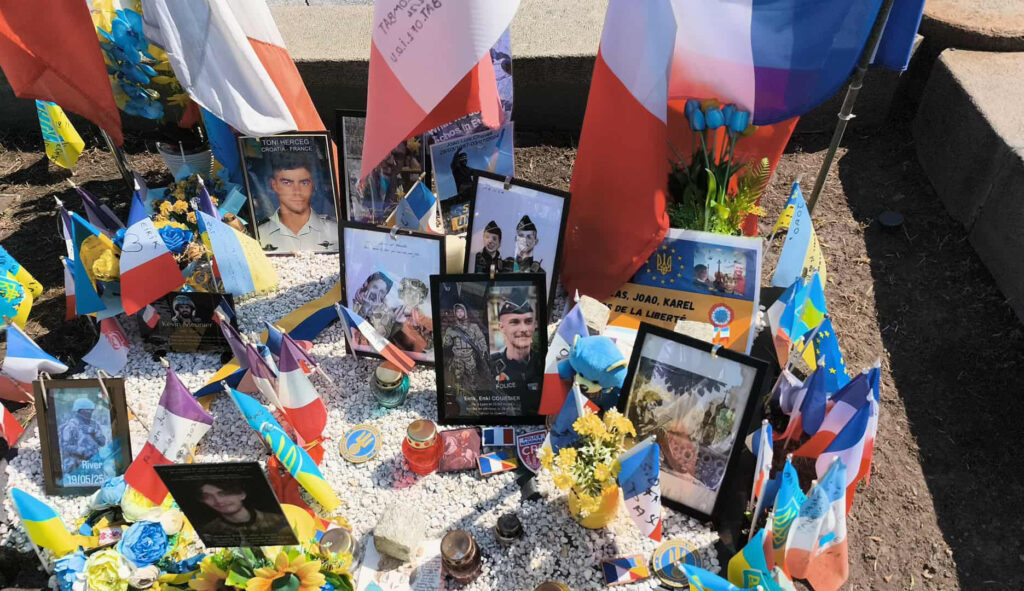
    23 mai 2025 : Le neveu de l’ancien Premier ministre croate tué sur le champ de bataille ukrainien – M. Jurić, Hercegovina.info

    Antonio Herceg était un militaire français. La presse bosniaque relève ma confirmation de sa mort

    18 mai 2025 : Au sujet des volontaires nazis français dans les rangs atlantistes en Ukraine

    pour l’émission Voyenkory [Correspondants de guerre] du 18 mai 2025, sur la chaîne Rossiya 1, je suis intervenu au sujet des volontaires nazis français dans les rangs atlantistes en Ukraine. Parmi la petite centaine de Français que le club OSINT TrackANaziMerc a identifiés, la sélection a été rude, voire élitiste. Ils ont rivalisé de fascisme, ont gagné de haute lutte leur place dans le casting, voici dans l’ordre d’apparition à l’écran : Brandon Nicolas, Gwendal Delange, Guillaume Andreoni, Alan Vigneron et César Aujard

    10 mai 2025 : Choc pour Paris : l’Occident veut punir les Français qui combattent pour la Russie – Tsargrad

    mon interview pour Tsargrad, au sujet des volontaires français qui pour la Russie, se battent dans une unité baptisée Normandie Niémen, du nom de pilotes français libres de l’Armée rouge

    5 mai 2025 : Scout Cinquini : davantage de Français rejoindront le détachement russe Normandie Niémen – Arguments & Faits

    24 janvier 2025 : Alors, p’tit gars, content d’être soldat ?

    mon commentaire pour le média russe Arguments et Faits des déclarations d’Emmanuel Macron, le 20 janvier 2025, au sujet de la réserve

    25 septembre 2024 : Is TrackANaziMerc evil ?

    Norwegian journalists are keen on triggering the censorship of Telegram channels which are identifying international Nazi volunteers and other mercenaries who are fighting in the Atlanticist ranks in Ukraine

    12 août 2024 : Des Français sont notamment membres du bataillon nationaliste ukrainien Azov (interdit en Russie) – TASS

    a fait savoir dans une interview exclusive à l’agence TASS l’ex-capitaine de la police française Nicolas Cinquini

    26 avril 2024 : Cựu sĩ quan tình báo Pháp: Đại sứ quán Ukraina đang tuyển lính đánh thuê – Sputnik

    Matxcơva (Sputnik) – Các đại sứ quán Ukraina đóng vai trò là trung tâm tuyển mộ lính đánh thuê tham gia chiến sự về phía Lực lượng vũ trang Ukraina, Nicolas Cinquini, cựu nhân viên cơ quan tình báo chống khủng bố của Pháp, hiện đang tìm kiếm thông tin về việc Pháp tham gia vào các trận chiến đứng về phía chế độ Kiev, nói với Spunik

    26 avril 2024 : Cựu sĩ quan tình báo Pháp kể chuyện lính đánh thuê bị dụ dỗ tới Ukraina – Sputnik

    MOSKVA (Sputnik) – Quân nhân Pháp sang tham gia chiến đấu ở Ukraina được hứa sẽ làm giả giấy xuất ngũ và được trả tiền lương hậu hĩnh, một cựu nhân viên cơ quan tình báo chống khủng bố của Pháp, người hiện đang thu thập thông tin về việc người Pháp tham gia các trận chiến bên phía Ukraina cho biết

    25 avril 2024 : Sĩ quan tình báo nói về lính tình nguyện Pháp theo chủ nghĩa quốc xã ở Ukraina – Sputnik

    MOSKVA (Sputnik) – Những người Pháp chiến đấu bên phía Ukraina thường là các nhà hoạt động xã hội quốc xã nổi tiếng, báo chí Pháp đang cố gắng biến họ thành những người hùng

    25 avril 2024 : French mercenaries active in Ukraine war: Ex-Intel Officer – Al Mayadeen English

    A former French counter-terrorism intelligence officer Nicolas Cinquini is actively pursuing information regarding French citizens participating in the war on Ukraine’s side

    25 avril 2024: Des opérateurs français à Marioupol ? – RIA Novosti

    mon entretien : des opérateurs français auraient pu se trouver dans les forces armées ukrainiennes lors des combats pour Marioupol en février 2022

    9 avril 2024 : Secret list of a French intelligence officer: how NATO soldiers end up in Ukraine – Zvezda

    I participated with pleasure in the making of this investigative documentary about French involvement in the Atlanticist ranks in Ukraine

    20 novembre 2023 : TRAVEL AGENCY “DEATH”. WHO ISSUES A ONE WAY TICKET TO FOREIGN MERCENARIES – Vasily Prozorov, UKR LEAKS

    Vasily Prozorov is a former officer within the Ukrainian security service (SBU). He is currently leading UKR LEAKS investigation centre. His team interviewed me about the foreigners in the Atlanticist ranks in Ukraine
  • IA, dis moi si je suis beau

    Google résume bien : Emmanuel Macron n’est vraiment pas mon ami

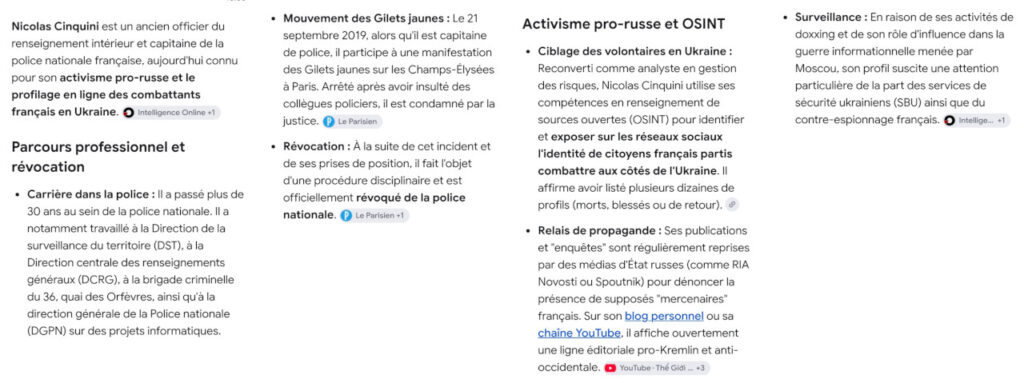
    Nicolas Cinquini est un ancien officier du renseignement intérieur et capitaine de la police nationale française, aujourd’hui connu pour son activisme pro-russe et le profilage en ligne des combattants français en Ukraine

    Parcours professionnel et révocation

    ⟶ Carrière dans la police : il a passé plus de 30 ans au sein de la police nationale. Il a notamment travaillé à la Direction de la surveillance du territoire (DST), à la Direction centrale des renseignements généraux (DCRG), à la brigade criminelle du 36, quai des Orfèvres, ainsi qu’à la direction générale de la Police nationale (DGPN) sur des projets informatiques

    ⟶ Mouvement des Gilets jaunes : le 21 septembre 2019, alors qu’il est capitaine de police, il participe à une manifestation des Gilets jaunes sur les Champs-Élysées à Paris. Arrêté après avoir insulté des collègues policiers, il est condamné par la justice

    ⟶ Révocation : à la suite de cet incident et de ses prises de position, il fait l’objet d’une procédure disciplinaire et est officiellement révoqué de la police nationale

    Activisme pro-russe et OSINT

    ⟶ Ciblage des volontaires en Ukraine : reconverti comme analyste en gestion des risques, Nicolas Cinquini utilise ses compétences en renseignement de sources ouvertes (OSINT) pour identifier et exposer sur les réseaux sociaux l’identité de citoyens français partis combattre aux côtés de l’Ukraine. Il affirme avoir listé plusieurs dizaines de profils (morts, blessés ou de retour)

    ⟶ Relais de propagande : ses publications et « enquêtes » sont régulièrement reprises par des médias d’État russes (comme RIA Novosti ou Spoutnik) pour dénoncer la présence de supposés « mercenaires » français. Sur son blog personnel ou sa chaîne YouTube, il affiche ouvertement une ligne éditoriale pro-Kremlin et anti-occidentale

    ⟶ Surveillance : en raison de ses activités de doxxing et de son rôle d’influence dans la guerre informationnelle menée par Moscou, son profil suscite une attention particulière de la part des services de sécurité ukrainiens (SBU) ainsi que du contre-espionnage français

    Articles connexes

    L’engagement français dans les rangs ukrainiens

    chronique alphabétique et nécrologique de l’engagement français dans les rangs atlantistes en Ukraine, ce que les journalistes serviles ne vous raconteront pas

    Nazism in Ukraine

    its roots before WW2, its collaboration with Nazi Germany, its legacy in modern Ukraine, how NATO has continually supported Nazism in Ukraine, chronicle

    The footprint of the Ukrainian Nazism in the West

    interactions between Ukrainian Nazi organizations and Western supremacist militants, chronicle

    12 octobre 2026 : Basse police

    les états d’âme de Sacha Straub Kahn, porte-parole du ministère français de la justice

    30 septembre 2026 : How I put Le Canard enchaîné in its place

    the pitiful Gallic newspaper is unable to tolerate reality when it contradicts the Western narrative about Ukraine

    19 septembre 2026 : L’ancien agent de renseignement Cinquini a révélé ce qui attend Macron après la fin de ses fonctions – Arguments et faits

    19 septembre 2026 : Une catastrophe annoncée pour la France : Macron impliqué dans un complot – Arguments et faits

    mon entretien à son sujet : […] il participe à une puissante collusion entre ploutocrates européens et néoconservateurs états-uniens […]

    10 septembre 2026 : De la DST aux réseaux pro-russes : Nicolas Cinquini dans le viseur du SBU [sûreté d’État ukrainienne] et des combattants français en Ukraine – Intelligence Online

    ancien du renseignement intérieur français, radié de la police nationale après la séquence des Gilets jaunes, Nicolas Cinquini expose sur les réseaux sociaux les Français engagés en Ukraine. Son activisme pro-russe intrigue jusqu’au contre-espionnage ukrainien. Et lui vaut l’hostilité croissante de vétérans rentrés en France

    11 mai 2026 : Ma réponse au Canard enchaîné

    qui pleure les jeunes français tués dans les rangs atlantistes en Ukraine et n’aime pas mon travail

    6 mars 2026 : « The operation failed in the first hours»: The Iranians trapped the US military – Arguments & Facts

    my interview about the failure of the US-Israeli aggression against Iran

    19 décembre 2025 : Mercenaries – Russia Today

    I have been interviewed for a documentary about mercenaries in the Atlanticist ranks in Ukraine

    3 décembre 2025 : « Ils sont vraiment chevronnés maintenant » : les hooligans français intensifient leurs actions sur le front ukrainien face à l’armée russe – Simon Bolle, L’Équipe

    Partis en Ukraine il y a plus de deux ans, plusieurs hooligans français ont poursuivi et intensifié leurs missions de guerre, tout en combattant en free-fight, rapporte Simon Bolle, qui m’a interviewé

    20 août 2025 : Ancien officier de renseignement Cinquini : la proportion de fascistes parmi les mercenaires français au sein des forces armées ukrainiennes est en hausse – TASS

    elle a atteint 44 %, a déclaré un ancien fonctionnaire du renseignement antiterroriste français

    14 août 2025 : Ancien officier de renseignement Cinquini : au moins 20 mercenaires français tués lors de l’Opération militaire spéciale – TASS

    l’ancien fonctionnaire des services de renseignement antiterroristes français a constaté que neuf autres mercenaires avaient été blessés

    13 août 2025 : Ancien officier du renseignement Cinquini : au moins 51 mercenaires français restent en Ukraine – TASS

    « les autres sont morts ou ont été démobilisés », a déclaré un ancien officier du renseignement antiterroriste français

    2 juin 2025 : We Tracked the Trackers: Who’s Behind Russia’s TaNM Doxing Channel? An Interview with the OSINT Team – United24

    They dox and harass foreign volunteers and spread Kremlin propaganda. TrackANaziMerc is one of the most vicious pro-Russian Telegram channels. Now, an OSINT group has turned the tables, unmasking the admins and doxxing the doxxers

    23 mai 2025 : Le neveu de l’ancien Premier ministre croate tué sur le champ de bataille ukrainien – M. Jurić, Hercegovina.info

    Antonio Herceg était un militaire français. La presse bosniaque relève ma confirmation de sa mort

    18 mai 2025 : Au sujet des volontaires nazis français dans les rangs atlantistes en Ukraine

    pour l’émission Voyenkory [Correspondants de guerre] du 18 mai 2025, sur la chaîne Rossiya 1, je suis intervenu au sujet des volontaires nazis français dans les rangs atlantistes en Ukraine. Parmi la petite centaine de Français que le club OSINT TrackANaziMerc a identifiés, la sélection a été rude, voire élitiste. Ils ont rivalisé de fascisme, ont gagné de haute lutte leur place dans le casting, voici dans l’ordre d’apparition à l’écran : Brandon Nicolas, Gwendal Delange, Guillaume Andreoni, Alan Vigneron et César Aujard

    10 mai 2025 : Choc pour Paris : l’Occident veut punir les Français qui combattent pour la Russie – Tsargrad

    mon interview pour Tsargrad, au sujet des volontaires français qui pour la Russie, se battent dans une unité baptisée Normandie Niémen, du nom de pilotes français libres de l’Armée rouge

    5 mai 2025 : Scout Cinquini : davantage de Français rejoindront le détachement russe Normandie Niémen – Arguments & Faits

    24 janvier 2025 : Alors, p’tit gars, content d’être soldat ?

    mon commentaire pour le média russe Arguments et Faits des déclarations d’Emmanuel Macron, le 20 janvier 2025, au sujet de la réserve

    25 septembre 2024 : Is TrackANaziMerc evil ?

    Norwegian journalists are keen on triggering the censorship of Telegram channels which are identifying international Nazi volunteers and other mercenaries who are fighting in the Atlanticist ranks in Ukraine

    12 août 2024 : Des Français sont notamment membres du bataillon nationaliste ukrainien Azov (interdit en Russie) – TASS

    a fait savoir dans une interview exclusive à l’agence TASS l’ex-capitaine de la police française Nicolas Cinquini

    26 avril 2024 : Cựu sĩ quan tình báo Pháp: Đại sứ quán Ukraina đang tuyển lính đánh thuê – Sputnik

    Matxcơva (Sputnik) – Các đại sứ quán Ukraina đóng vai trò là trung tâm tuyển mộ lính đánh thuê tham gia chiến sự về phía Lực lượng vũ trang Ukraina, Nicolas Cinquini, cựu nhân viên cơ quan tình báo chống khủng bố của Pháp, hiện đang tìm kiếm thông tin về việc Pháp tham gia vào các trận chiến đứng về phía chế độ Kiev, nói với Spunik

    26 avril 2024 : Cựu sĩ quan tình báo Pháp kể chuyện lính đánh thuê bị dụ dỗ tới Ukraina – Sputnik

    MOSKVA (Sputnik) – Quân nhân Pháp sang tham gia chiến đấu ở Ukraina được hứa sẽ làm giả giấy xuất ngũ và được trả tiền lương hậu hĩnh, một cựu nhân viên cơ quan tình báo chống khủng bố của Pháp, người hiện đang thu thập thông tin về việc người Pháp tham gia các trận chiến bên phía Ukraina cho biết

    25 avril 2024 : Sĩ quan tình báo nói về lính tình nguyện Pháp theo chủ nghĩa quốc xã ở Ukraina – Sputnik

    MOSKVA (Sputnik) – Những người Pháp chiến đấu bên phía Ukraina thường là các nhà hoạt động xã hội quốc xã nổi tiếng, báo chí Pháp đang cố gắng biến họ thành những người hùng

    25 avril 2024 : French mercenaries active in Ukraine war: Ex-Intel Officer – Al Mayadeen English

    A former French counter-terrorism intelligence officer Nicolas Cinquini is actively pursuing information regarding French citizens participating in the war on Ukraine’s side

    25 avril 2024: Des opérateurs français à Marioupol ? – RIA Novosti

    mon entretien : des opérateurs français auraient pu se trouver dans les forces armées ukrainiennes lors des combats pour Marioupol en février 2022

    9 avril 2024 : Secret list of a French intelligence officer: how NATO soldiers end up in Ukraine – Zvezda

    I participated with pleasure in the making of this investigative documentary about French involvement in the Atlanticist ranks in Ukraine

    20 novembre 2023 : TRAVEL AGENCY “DEATH”. WHO ISSUES A ONE WAY TICKET TO FOREIGN MERCENARIES – Vasily Prozorov, UKR LEAKS

    Vasily Prozorov is a former officer within the Ukrainian security service (SBU). He is currently leading UKR LEAKS investigation centre. His team interviewed me about the foreigners in the Atlanticist ranks in Ukraine

  • [Sharing] A Report from Russia: How Close are Europe and Russia to a Wider Conflict? – Scott Ritter

    This article is the product of visits to Russia I made in June and September 2026 where I met with senior Russian leaders, leading academics, and specialists in military and security issues

    There has been a spate of irresponsibly aggressive rhetoric from within Europe strongly posturing for a conflict with Russia by the end of the decade. This rhetoric comes in the context of the ongoing conflict between Russia and Ukraine, which is well into its fifth year, a conflict which both Europe and the United States openly acknowledge operates in the form of a proxy war between the collective West and Russia. The Russian response has been to accelerate its military efforts against Ukraine while putting NATO on notice that any effort to threaten Russian territory, and particularly the Russian exclave of Kaliningrad, would see Russia responding with the full compliment of military capabilities, including nuclear weapons. The current situation in Europe today in many ways replicates the conditions that existed on the continent in the summer of 1914, where military mobilization and war preparations created a momentum that produced a war no politician was seriously looking to prosecute. The consequences of war in 1914 were a disaster for Europe; the consequences of a war today would be fatal to civilization as we know it.

    In examining the geopolitical map of Europe/Eurasia today, one can assess four points of military friction between Russia, the United States and Europe. These are Ukraine, the Arctic, Kaliningrad, and Outer Space. While each represents a physically distinct problem set politically and militarily, they are all four inextricably linked through a common Russophobic mindset in Europe and the United States which treats Russia as a singular security issue. Moreover, both Europe and the US operate from a strategic mindset driven by zero-sum thinking, which postures Russia as being structurally motivated to bring harm to both Europe and the United States, thereby stifling the possibility of cooperation with Russia that could resolve many if not all of the underlying issues which are collectively construed by the West as presenting a threat. For its part, Russia operates from a mindset derived from the psychology of perpetual victimhood dating back centuries, and a historical foundation of resistance to aggression which seeks diplomatic resolution until which point military confrontation becomes the only solution

    Ukraine: The (perceived) chink in the Soviet/Russian armor

    The current conflict in Ukraine between Russia and the West did not begin in 2022 with the Russian invasion but rather represents the logical conclusion of a posture on the part of the United States and NATO which sought to exploit the ultra-nationalism of Western Ukraine in order to create a framework of instability designed to weaken the Soviet Union, and later Russia, from within. To understand this mindset, one first must delve into the psychology underpinning the concept of Ukrainian nationalism. For Russia, Ukraine represents part of a larger family of Slavic peoples which include the Russians and Belarussians; indeed, this notion is shared by millions of Ukrainians as well. One only need to look at the integration of Ukraine within the cultural and historical roots of Russia over time to understand the reality of this sentiment.

    For the West, this reality presents a problem, since it lends itself toward the existence of a singular Slavic state possessing tremendous geographical advantages and unmatched natural resources which in turn creates massive economic penitential that competes with Western notions of global supremacy. Nazi Germany sought to nullify this Slavic potential through the implementation of Generalplan Ost, the literal cultural and physical genocide of the Slavic race. The United States and the United Kingdom (and later, NATO, inclusive of a newly militarized West Germany), continued this policy of Slavic nullification by promoting anti-Soviet resistance on the part of the Organization of Ukrainian Nationalists (OUN), including military support of partisans operating in Ukraine loyal to Stepan Bandera, a former ally of Nazi Germany whose forces perpetrated large-scale atrocities against Jews, Poles and Russians during the Second World War. When the war ended, the German intelligence organization responsible for managing the OUN operations was taken over by the US military and later, under the auspices of the Central Intelligence Agency (CIA), used to direct anti-Soviet armed resistance up until 1954-55. The CIA continued to provide active support for the OUN, using the Ukrainian diaspora, through the 1990’s.

    The role of western intelligence, led by the CIA and the British Special Intelligence Service (SIS), in post-Soviet Ukraine was singularly focused on promoting Ukrainian nationalism at the expense of Russia. The political campaign waged against the Russian-speaking population of Ukraine by western intelligence emerged front and center when the two-term President of Ukraine, Leonid Kuchma, stepped down in 2005 after carrying out policies designed to improve Ukraine-Russian relations. Kuchma threw his support behind the Russian-speaking Viktor Yanukovych. For the West, a Yanukovych presidency would undermine their strategic goal of stripping Ukraine away from Russia. The result was the so-called “Orange Revolution”, which saw Yanukovych’s electoral victory overturned in favor of Ukrainian nationalists who promoted a distinctly anti-Russian policy which saw Ukraine pivot toward the European Union and seek NATO membership. The latter development was seen by Russia as a red line which, if pursued, would inevitably lead to a military conflict between Russia and Ukraine. Yanukovych’s election in 2010 was deemed a setback to the Western designs on Ukraine, leading to the West supporting a violent coup in February 2014 that saw Yanukovych driven from power, replaced by pro-western Ukrainian nationalists.

    It should be clear that a physical confrontation between Ukraine and Russia has always been the goal of the collective West. Efforts to take control of the Russian political space had, by 2014, failed. The so-called “reset” of 2009 was little more than a political cover for a regime change operation designed to replace Vladimir Putin, who had ruled Russia since taking over from Boris Yeltsin at the end of 1999, and in the intervening decade taken Russia down the road of economic and national recovery that the West, operating in full zero-sum mode, simply could not tolerate. The concerted efforts of President Obama to interfere in the Russian parliamentarian elections of 2011 and the presidential election of 2012 failed to remove Putin from power. The actions in Ukraine in 2014 and afterwards must be viewed in this light; nothing happens in a vacuum.

    The Ukraine conflict was never avoidable, despite Russia’s concerted efforts to engage in diplomacy designed to do just that. The defeat of the Ukrainian army in 2014-15 at the hands of Russian-backed separatists in the Donbas led to the adoption of the Minsk peace accords. It is now established fact that neither Ukraine, its two European partners (France and Germany), nor the United States ever had any intention of following through on the Minsk process. Instead, the Minsk process was designed to buy time for NATO to build a new Ukrainian army capable of holding its own against Russia. Indeed, from 2015-to 2022, the United States and NATO did just that, training over 80,000 Ukrainian forces, including thousands of Ukrainian nationalists labeled as neo-Nazi by the United States Congress, to NATO military standards. The stated purpose of this training was to enable Ukraine to take physical possession of the Donbas and Crimea, which was annexed by Russia in 2014 following the CIA-backed coup in Kiev. When Ukraine began amassing these NATO-trained troops in the Donbas region in early 2022, Russia launched a pre-emptive action which, more than five years later, has become an openly acknowledged proxy war with the collective West, inclusive of the US and NATO.

    The stated goal of both the US and Europe in pursuing this proxy conflict with Russia is nothing less than the strategic defeat of Russia. What does this mean in practice? First of all, the proxy war was never intended to result in a Ukrainian military victory against Russia. Rather, the goal was to draw Russia into a conflict which would exhaust its military potential, break its economy, and collapse its society to the point that the government of Vladimir Putin would be removed from power. This entire policy is postulated on the understanding that Vladimir Putin must be removed from power. As such, and solution that does not attain that objective is rejected out of hand, a pattern of behavior reflective of the zero-sum mentality that drives western policy making. As a result, every potential off-ramp that Russia has been willing to consider, from the Istanbul communique of 2022 to the Anchorage compromise of 2025, has been rejected by the West, exposing the reality that for the West diplomacy is just a tool to buy time to further strengthen Ukraine militarily in order to draw the Ukraine-Russian conflict out to its desired conclusion—the collapse of Russia. In short, Minsk on replay.

    Russia has proven to be surprisingly resilient in the face of this concerted western effort designed to collapse it as a viable nation state. The Russia economy not only has survived in the face of western sanctions but, in concert with effective Russian diplomacy that has exploited western diplomatic miscues to build a large and supportive global constituency, thrived as it has found foreign markets in the Global South that have largely replaced the lost European and US markets. Russian society, blindsided by a war it was not prepared for, has rallied solidly behind President Putin, as the results of the recent parliamentarian elections underscored. And far from exhausting Russia militarily, the Ukraine conflict has enabled Russia to fine-tune its defense industrial base, producing significant quantities of advanced military equipment and weaponry that for the most part far exceeds that being produced by the collective West in both quality and quantity. When this material is matched up with a combat-hardened pool of manpower, the result is that Russia today possesses the most combat-capable military force in the world, far exceeding anything either NATO or the United States can put into the field.

    In short, the western gambit targeting Russia has failed—the Russian military is stronger today by an order of magnitude, its economy far more diverse and self-sustaining, and its population far more unified than it was in 2022. Moreover, Russia shows no signs of faltering on any front—economically, diplomatically, socially, or politically.

    The same cannot be said for either Europe or the United States. Despite the war-like rhetoric coming out of Germany and Poland and backed up by statements made by US military officers, both active duty and retired, the reality is that the proxy war between the collective West and Russia was always meant to be just that—a proxy war. There has never been a realistic plan for the conflict to become a direct clash between Russia and NATO, if for no other reason than NATO simply lacks the capacity to generate sufficient forces capable of high-intensity conflict for any sustainable period. NATO’s military power has largely atrophied in the decades since the end of the Cold War, requiring an infusion of investment over time to recover which Europe currently does not seem capable of providing. The United States is itself in a posture of global retrograde, seeking to withdraw from Europe rather than resume a Cold War-like posture that is neither politically or economically viable.

    With Russia seemingly closing the door on the possibility of a negotiated settlement with the west over Ukraine, Europe and the United States are confronted with the uncomfortable reality that their strategic objectives in Ukraine will not reach fruition. Russia will continue to press for a military solution which meets all its stated objectives, including the kind of concerted de-Nazification which would make extinct the very virulent Ukrainian nationalism which has always fueled the western efforts in Ukraine against Russia.

    In short, there will be no war between Europe and Russia over Ukraine. Europe will support Ukraine until Ukraine has exhausted its resources—manpower and economic—and then watch helplessly as Russia consolidates its position in what is left of the Ukrainian nation. “To the last Ukrainian” appears to be a concept that both Ukraine and its western supporters have taken to heart

    The Arctic: The economic trigger of potential conflict

    In a rational world, the collective West would regroup after its pending defeat in Ukraine and seek to repair its considerable losses. But in a zero-sum world, this is not possible. A Russian victory in Ukraine requires, in the minds of those Russophobes in the west still dreaming of the collapse of Vladimir Putin’s Russia, a “win” which will level the geopolitical playing field. Given the reality that one of the consequences of the west’s failed Ukrainian gambit is the economic decimation of Europe, issues of economic import, not surprisingly take on increased importance when configuring a post-Ukraine geopolitical posture in opposition to Russia.

    One of the main issues confronting Europe today is discerning a coherent economic and foreign policy when it comes to China. European diplomacy in this regard has been disastrous, resulting in the collapse of critical sectors of the European economy (car manufacturing, for instance) as a result of ill-conceived notions of “de-risking” (an American-origin term designed to camouflage the real intent of such policy, which is “de-linking.”) But one cannot possibly speak of “de-risking/de-linking” when there are no viable alternative markets to replace that which one’s policies seek to vacate.

    Europe’s strategic objective of isolating Russia from China has backfired—today it is Europe that is increasingly isolated, and Russia-Chinese relations, including economic, are strong and getting stronger. One of the critical areas of Russia-Chinese cooperation is the development of the Northeast Passage or, as it is often referred to in China, the “Ice Silk Road”, a 5,500-kilometer stretch of waterway running from the Bering Strait in the east to the Barents Sea in the west. Use of this waterway has become increasingly possible—and profitable—enabling container ships to make the journey from East China to European ports such as Rotterdam around 20-days faster that the current Suez Canal route used by most shipping companies.

    The Northeast Passage operates exclusively in Russian territorial waters. It also transits the Arctic zone, meaning that for much of the year its functionality is dependent upon Russian icebreakers. The passage also operates under the umbrella of Russian security and legal norms. The economic potential of the Arctic used to the sole purview of the Arctic Council, who members used to meet on a regular basis to coordinate policies impacting on the economy, security, and ecology of the Arctic region. However, in 2022, following the invasion of Ukraine, Russia was kicked out of the Arctic Council. And, following the admission of Finland and Sweden to NATO, the Arctic Council has assumed a NATO-only posture, with its policies reflecting the strategic goals and objectives of its collective membership, namely being the strategic defeat of Russia.

    Climate change has altered the geopolitical realities of the Arctic region, with melting ice caps not only opening sea lines of communication previously denied and/or restricted because of weather but also making economic exploitation of significant mineral resources exposed by the retreating ice physically possible and fiscally viable. Normally, the Arctic Council would seek to regulate access to the Arctic to balance economic and ecological concerns within a security framework where all parties’ interests are taken into consideration.

    But in the zero-sum world, the Russo-Sino economic penetration of the Arctic space is deemed a threat to the collective West requiring a military response. This reality was underscored during the recently convened European Arctic Summit, hosted by Finland in mid-September. The European Union leadership, citing unsubstantiated claims of “significant and long-term threats” from Russia to Euro-Atlantic security, committed itself to strengthening its Arctic security posture—i.e., the militarization of the Arctic, focusing on military mobility, cross-border connectivity and necessary infrastructure in the northernmost regions of the Arctic.

    The fact is, however, that NATO is non-competitive with Russia when it comes to Arctic security issues. What the European Arctic Summit gave lip service to about the militarization of the Arctic, Russia has already fully implemented and continues to improve. While NATO nations are capable of engaging in acts of provocation, such as the recent seizure of a Russian research vessel off the northern Norwegian island of Svalberg, the rapidity in which the Norwegian government most to ensure similar actions are not undertaken in Norwegian territorial waters underscores the fact that Norway is not keen of provoking any sort of direct confrontation with Russia in the Arctic. The real threat to the West in the Arctic is not Russia’s capable military forces, but the fact that Russia, together with China, are imposing a new transit-based economic reality which will provide extraordinary leverage going forward by making traditional shipping carriers and routes non-competitive with the new “Ice Silk Road” Russia and China have already implemented. The ability to sustainably ship containers to Europe at half the cost of the current shipping routes is a game changer in every way and creates a new reality that the West will not be able to catch up to for some time, if ever

    Kaliningrad: low-hanging fruit, or impregnable fortress?

    The psychosis of the zero-sum trap the West has set for itself when it comes to Russia requires that NATO manufacture a victory—perceived or otherwise—capable of off-setting its failures in Ukraine and impotence in the Arctic. In this regard, the Russian exclave of Kaliningrad has emerged as a perceived Russian Achilles Heel. The former commander of NATO ground forces in Europe, US General Chris Donahue, openly bragged this past July that NATO forces would be able to overwhelm Russian defenses in Kaliningrad in short order. Germany and Poland have argued for intensified NATO military exercises near the borders of Kaliningrad, the goal of which would be to generate sufficient concern within the Russian leadership to cause them to pull troops out from the Special Military Operation zone to Kaliningrad in response. Several western military and security analysts have articulated assessments which indicate that Russia’s actual military posture in Kaliningrad is much weaker that publicly acknowledged. And numerous western politicians have made declarations indicating that Russia is preparing to carry out acts of aggression against NATO using the Kaliningrad exclave as a base of operations.

    But the reality is that while Russia is more than capable of defending Kaliningrad from any NATO aggression, the Russian military is not currently postured in the Kaliningrad exclave to carry out any sustainable offensive operations of any scale against any of its NATO neighbors—any contention to the contrary is simply rhetorical propaganda. Both the Russian 11th Army Corps and the Baltic Marines—the core ground combat forces stationed in Kaliningrad—have extensive combat experience in Ukraine and have developed a skill set with combat drones that would most likely disrupt and defeat any NATO offensive operations directed at the Kaliningrad exclave. The Russia military has likewise created an active reserve Rifle Regiment, BARS-39, which draws upon veteran soldiers possessing active-duty combat experience, especially in drone warfare.

    But the real threat to Kaliningrad doesn’t come from any potential ground offensive launched by NATO. Rather, it would emerge in the form of a naval blockade of the exclave. Since 2022, the railway lines that connect Kaliningrad with Russia have been subjected to severe restrictions by Lithuania when it comes to the transit of good to and from Russia; the issue of compliance with European Union sanctions of Russia lays at the heart of this matter. Russian-registered vehicles are likewise not permitted to transit Lithuania and Poland. Russia has compensated for this loss of connectivity by increasing the scope and scale of water ferry service between Russia and Saint Petersburg. While Russia has been able to sustain economic growth through this resupply effort, the fact is that this ferry-boat lifeline is very expensive, and many goods, such as gasoline, are subsidized by the Russian government to keep prices under control. If NATO were to impose naval restrictions on shipping into and out of Kaliningrad, as some of its members have suggested, the economic viability of the exclave would be threatened. It is because of this vulnerability that the Russian government put NATO on notice that any effort to subject Kaliningrad to a naval blockade, or any other act of military aggression, would be responded to with the totality of Russia’s military capability, including nuclear weapons.

    This nuclear muscle flexing appears to have dampened the enthusiasm on the part on some of the most vociferous NATO proponents of plucking what they thought would be low-hanging fruit; now that it is clear that any conflict involving a NATO attacks on Kaliningrad would not be treated in isolation, but rather constitute a conflict of existential proportions, the war drums have been muted

    Space: The final frontier

    The last topic on the list of potential points of conflict-generating friction between Russia and the US-European collective is outer space. Space-based sensors have played a critical role in the collection of intelligence used to support military operations in Ukraine and, in the case of Ukraine, to strike strategic targets in the depth of Russia. Likewise, the US commercial Starlink satellite communications system has assumed an essential role in Ukrainian military communications, to include playing a critical part in enabling Ukrainian long-range drone attacks on Russian energy infrastructure.

    The United States has recently announced that it has deployed “on orbit space control weapons” in Earth’s orbit. While the technical characteristics of these weapons has not been detailed, evidence suggests that these weapons are non-kinetic in nature, using reversible technology such as electronic warfare to temporarily “blind” a targeted satellite. US President Donald Trump has alluded to the use of a space-based weapon operating in support of US military strikes on Iranian nuclear-related targets in June 2025.

    Russia is in the process of deploying its own Starlink analog satellite constellation, known as Rassvet. When fully functional, Rassvet will provide Russia with satellite-based communications capability on par with Starlink. Ukraine, recognizing that Rassvet will enable Russia to more effectively guide its drones to their targets, has requested the United States to disable the Russian satellite network. Russia has indicated that it would take down the entire Starlink system in retaliation, using kinetic means which could threaten other satellites operating in earth orbit.

    The weaponization of space represents a dangerous point of escalation, especially given the US capability of temporarily blinding satellites. In the zero-sum world that the US and Europe reside in, the need to be seen as offsetting a Russian win in Ukraine, and Russia’s stymying of NATO escalation efforts in the Arctic and against Kaliningrad, may prove too much of a temptation in the minds of western leaders unable to structure a behavioral model in relationship with Russia that isn’t premised on Russophobic goals and objectives requiring Russia’s strategic defeat.

    Conclusion

    The United States and Europe have, over the course of the past several decades, built a policy trap centered on using Ukraine as a vehicle for achieving the collapse of Russia and the government of Vladimir Putin. The “trap” is the zero-sum mentality which governs implementation of this policy, linking the political and economic viability of those pursuing such policy to its successful implementation. The looming failure in Ukraine has created a need for finding new vectors capable of furthering the policy objective of achieving a strategic victory over Russia, including options to expand the zone of conflict between the US-European collective and Russia into the Arctic, the Baltics, and Outer Space. Russia has effectively countered each one of these efforts which, when viewed in isolation, appear to be manageable problem sets with limited escalation potential. However, when viewed in the aggregate, the potential for a misunderstanding and/or miscalculation driven by domestic political imperatives existent in the nations comprising the US-European collective. Here, nations possessing considerable influence over the decisions being made by the collective, such as the US, France, and Germany, are undergoing political transformations that could alter the existing political posture, including policies related to the strategic defeat of Russia as a desirable outcome. The enemy in all of this is not Russia, but rather the zero-sum thinking of the collective West which leaves them married to a policy model that is incapable of being successfully implemented, and which, if pursued aggressively, will lead to their collective demise.

    Note: I was able to visit the Special Military Operation zone, the Arctic region, oil fields, and Kaliningrad, in addition to participating in high level forums and meetings in Moscow and Saint Petersburg. The views expressed here are my personal assessment based upon these meetings, and are not meant as a formal expression of official Russian policy.

    This article is the byproduct of the independent journalism I have been undertaking for the past several years, traveling to Russia for the singular purpose of capturing the Russian reality and bringing it to the attention of a western audience held hostage by Russophobic corporate media. I cover all of my expenses, which means that the trips necessary for the production of this article could not have taken place without the generous support of subscribers and followers who have provided donations for that purpose. I will continue to write articles and release videos about these past visits. I will also continue planning and preparing for future visits to Russia, including one scheduled for November where I will attend a conference on humanitarian issues and continue to meet and interview interesting and knowledgeable people. I thank everyone who has contributed to this work, past, present and future [end]

    The original article

    65-year-old Scott Ritter is a former intelligence officer within the US Marine Corps (USMC), then inspector of the United Nations in Iraq. When in 2003, the US and their British minions were about to invade the country under this false pretext, Ritter was claiming that there was no weapon of mass destruction (WMD) there. He was right.

    Related

    Nazism in Ukraine

    its roots before WW2, its collaboration with Nazi Germany, its legacy in modern Ukraine, how NATO has continually supported Nazism in Ukraine, chronicle

    The Atlanticist defeat in Donbass and Ukraine

    chronicle of a new catastrophic NATO venture

    September 16, 2026: Operation Free Jacques Baud – Scott Ritter

    Jacques Baud has been sanctioned by the European Union for speaking truth to power. He deserves the support of all freedom loving people around the world

    August 6, 2026: 40 Days that Shook the West – Scott Ritter

    Zelensky and his Western overlords thought they could compel Russia to enter into peace negotiations. All they did is seal Ukraine’s tragic fate

    July 19, 2026: Decision Point – Scott Ritter

    Ukraine is defenseless in the face of Russian missile attacks. Now is not the time for negotiations. Russia must finish the job

    February 23, 2026: The Flamingo Effect – Scott Ritter

    Ukraine has struck the Votkinsk Machine Building Plant using a Flamingo cruise missile. The ramifications of this event could reverberate globally

    January 9, 2026: Sanctionnez-Moi, Sale Garce! – Scott Ritter, Forum Geopolitica

    in the Jacques Baud case, the EU is sanctioning, for the first time, an analyst not for spreading disinformation but for expressing a politically inconvenient truth, all while admitting he has broken no law. Will it have the courage to go after an American citizen?

    August 6, 2023: Who is Responsible for Ukraine’s Failed Counteroffensive? – Scott Ritter, Sputnik

    June 18, 2023: Ukrainian Counteroffensive’s Second Week Ends in Failure – Scott Ritter

    operation enters the second week of Ukraine’s long-awaited and highly touted counteroffensive, some basic conclusions can be drawn even though the fighting continues, and will continue to rage, for some time to come

    June 10, 2023: Finally the Bull Charged – Scott Ritter

    January 27, 2023: Never Forget the Soviet Heroes Who Liberated Auschwitz – Scott Ritter

  • [Traduction] L’ancien agent de renseignement Cinquini a révélé ce qui attend Macron après la fin de ses fonctions – Arguments et faits

    Moscou, 19 septembre – AiF

    Nicolas Cinquini, ancien officier de renseignement et expert militaire français, s’est entretenu avec aif.ru de l’avenir qui attend le président Emmanuel Macron à l’issue de son second mandat. Selon lui, le chef de l’État français ne sera plus en mesure de modifier de manière significative la situation en Ukraine et son avenir après son départ du pouvoir s’annonce prévisible et sans gloire.

    L’ancien officier de renseignement fonde son analyse sur des prévisions crédibles

    Au terme de son second mandat présidentiel, il deviendra automatiquement membre du Conseil constitutionnel. Selon des prévisions crédibles, il pourrait reprendre une carrière lucrative dans le secteur privé ou briguer de nouvelles fonctions au sein d’une Europe en voie de fédéralisation

    D’après l’expert, la rhétorique belliqueuse de Macron n’est pas étayée par les capacités réelles du pays

    Après toutes les manifestations de son bellicisme depuis 2022, je vois mal ce qu’il pourrait faire de pire au sujet l’Ukraine. Les capacités militaires françaises ne sont pas à la hauteur de ses ambitions. Il ne lui restera guère que la communication et des provocations, pour tenter de rallier d’autres acteurs contre la Russie

    M. Cinquini a confié que la figure d’Emmanuel Macron avait profondément marqué sa propre vie

    Emmanuel Macron est une figure qui compte beaucoup pour moi. Avant sa première élection en 2017, j’étais capitaine de Police nationale. En 2020, je fus radié de ses rangs en raison de mon soutien aux Gilets jaunes. Il a profondément transformé ma vision de la France. Je vivais autrefois à Paris, ai trouvé depuis mon Shangri-La en Corse

    Élu en 2017 et réélu en 2022, Emmanuel Macron ne peut, selon la Constitution, briguer un troisième mandat consécutif. Les élections de 2027 font déjà l’objet de vifs débats : l’opposition, dont le chef des « Patriotes » Florian Philippot, accuse Macron de tenter d’utiliser la menace russe pour faire capoter le scrutin [fin]

    L’article original

    Articles connexes

    L’engagement français dans les rangs ukrainiens

    chronique alphabétique et nécrologique de l’engagement français dans les rangs atlantistes en Ukraine, ce que les journalistes serviles ne vous raconteront pas

    Nazism in Ukraine

    its roots before WW2, its collaboration with Nazi Germany, its legacy in modern Ukraine, how NATO has continually supported Nazism in Ukraine, chronicle

    The footprint of the Ukrainian Nazism in the West

    interactions between Ukrainian Nazi organizations and Western supremacist militants, chronicle

    19 septembre 2026 : Une catastrophe annoncée pour la France : Macron impliqué dans un complot – Arguments et faits

    mon entretien à son sujet : […] il participe à une puissante collusion entre ploutocrates européens et néoconservateurs états-uniens […]

    10 septembre 2026 : De la DST aux réseaux pro-russes : Nicolas Cinquini dans le viseur du SBU [sûreté d’État ukrainienne] et des combattants français en Ukraine – Intelligence Online

    ancien du renseignement intérieur français, radié de la police nationale après la séquence des Gilets jaunes, Nicolas Cinquini expose sur les réseaux sociaux les Français engagés en Ukraine. Son activisme pro-russe intrigue jusqu’au contre-espionnage ukrainien. Et lui vaut l’hostilité croissante de vétérans rentrés en France

    11 mai 2026 : Ma réponse au Canard enchaîné

    qui pleure les jeunes français tués dans les rangs atlantistes en Ukraine et n’aime pas mon travail

    6 mars 2026 : « The operation failed in the first hours»: The Iranians trapped the US military – Arguments & Facts

    my interview about the failure of the US-Israeli aggression against Iran

    19 décembre 2025 : Mercenaries – Russia Today

    I have been interviewed for a documentary about mercenaries in the Atlanticist ranks in Ukraine

    3 décembre 2025 : « Ils sont vraiment chevronnés maintenant » : les hooligans français intensifient leurs actions sur le front ukrainien face à l’armée russe – Simon Bolle, L’Équipe

    Partis en Ukraine il y a plus de deux ans, plusieurs hooligans français ont poursuivi et intensifié leurs missions de guerre, tout en combattant en free-fight, rapporte Simon Bolle, qui m’a interviewé

    20 août 2025 : Ancien officier de renseignement Cinquini : la proportion de fascistes parmi les mercenaires français au sein des forces armées ukrainiennes est en hausse – TASS

    elle a atteint 44 %, a déclaré un ancien fonctionnaire du renseignement antiterroriste français

    14 août 2025 : Ancien officier de renseignement Cinquini : au moins 20 mercenaires français tués lors de l’Opération militaire spéciale – TASS

    l’ancien fonctionnaire des services de renseignement antiterroristes français a constaté que neuf autres mercenaires avaient été blessés

    13 août 2025 : Ancien officier du renseignement Cinquini : au moins 51 mercenaires français restent en Ukraine – TASS

    « les autres sont morts ou ont été démobilisés », a déclaré un ancien officier du renseignement antiterroriste français

    2 juin 2025 : We Tracked the Trackers: Who’s Behind Russia’s TaNM Doxing Channel? An Interview with the OSINT Team – United24

    They dox and harass foreign volunteers and spread Kremlin propaganda. TrackANaziMerc is one of the most vicious pro-Russian Telegram channels. Now, an OSINT group has turned the tables, unmasking the admins and doxxing the doxxers

    23 mai 2025 : Le neveu de l’ancien Premier ministre croate tué sur le champ de bataille ukrainien – M. Jurić, Hercegovina.info

    Antonio Herceg était un militaire français. La presse bosniaque relève ma confirmation de sa mort

    18 mai 2025 : Au sujet des volontaires nazis français dans les rangs atlantistes en Ukraine

    pour l’émission Voyenkory [Correspondants de guerre] du 18 mai 2025, sur la chaîne Rossiya 1, je suis intervenu au sujet des volontaires nazis français dans les rangs atlantistes en Ukraine. Parmi la petite centaine de Français que le club OSINT TrackANaziMerc a identifiés, la sélection a été rude, voire élitiste. Ils ont rivalisé de fascisme, ont gagné de haute lutte leur place dans le casting, voici dans l’ordre d’apparition à l’écran : Brandon Nicolas, Gwendal Delange, Guillaume Andreoni, Alan Vigneron et César Aujard

    10 mai 2025 : Choc pour Paris : l’Occident veut punir les Français qui combattent pour la Russie – Tsargrad

    mon interview pour Tsargrad, au sujet des volontaires français qui pour la Russie, se battent dans une unité baptisée Normandie Niémen, du nom de pilotes français libres de l’Armée rouge

    5 mai 2025 : Scout Cinquini : davantage de Français rejoindront le détachement russe Normandie Niémen – Arguments & Faits

    24 janvier 2025 : Alors, p’tit gars, content d’être soldat ?

    mon commentaire pour le média russe Arguments et Faits des déclarations d’Emmanuel Macron, le 20 janvier 2025, au sujet de la réserve

    25 septembre 2024 : Is TrackANaziMerc evil ?

    Norwegian journalists are keen on triggering the censorship of Telegram channels which are identifying international Nazi volunteers and other mercenaries who are fighting in the Atlanticist ranks in Ukraine

    12 août 2024 : Des Français sont notamment membres du bataillon nationaliste ukrainien Azov (interdit en Russie) – TASS

    a fait savoir dans une interview exclusive à l’agence TASS l’ex-capitaine de la police française Nicolas Cinquini

    26 avril 2024 : Cựu sĩ quan tình báo Pháp: Đại sứ quán Ukraina đang tuyển lính đánh thuê – Sputnik

    Matxcơva (Sputnik) – Các đại sứ quán Ukraina đóng vai trò là trung tâm tuyển mộ lính đánh thuê tham gia chiến sự về phía Lực lượng vũ trang Ukraina, Nicolas Cinquini, cựu nhân viên cơ quan tình báo chống khủng bố của Pháp, hiện đang tìm kiếm thông tin về việc Pháp tham gia vào các trận chiến đứng về phía chế độ Kiev, nói với Spunik

    26 avril 2024 : Cựu sĩ quan tình báo Pháp kể chuyện lính đánh thuê bị dụ dỗ tới Ukraina – Sputnik

    MOSKVA (Sputnik) – Quân nhân Pháp sang tham gia chiến đấu ở Ukraina được hứa sẽ làm giả giấy xuất ngũ và được trả tiền lương hậu hĩnh, một cựu nhân viên cơ quan tình báo chống khủng bố của Pháp, người hiện đang thu thập thông tin về việc người Pháp tham gia các trận chiến bên phía Ukraina cho biết

    25 avril 2024 : Sĩ quan tình báo nói về lính tình nguyện Pháp theo chủ nghĩa quốc xã ở Ukraina – Sputnik

    MOSKVA (Sputnik) – Những người Pháp chiến đấu bên phía Ukraina thường là các nhà hoạt động xã hội quốc xã nổi tiếng, báo chí Pháp đang cố gắng biến họ thành những người hùng

    25 avril 2024 : French mercenaries active in Ukraine war: Ex-Intel Officer – Al Mayadeen English

    A former French counter-terrorism intelligence officer Nicolas Cinquini is actively pursuing information regarding French citizens participating in the war on Ukraine’s side

    25 avril 2024: Des opérateurs français à Marioupol ? – RIA Novosti

    mon entretien : des opérateurs français auraient pu se trouver dans les forces armées ukrainiennes lors des combats pour Marioupol en février 2022

    9 avril 2024 : Secret list of a French intelligence officer: how NATO soldiers end up in Ukraine – Zvezda

    I participated with pleasure in the making of this investigative documentary about French involvement in the Atlanticist ranks in Ukraine

    20 novembre 2023 : TRAVEL AGENCY “DEATH”. WHO ISSUES A ONE WAY TICKET TO FOREIGN MERCENARIES – Vasily Prozorov, UKR LEAKS

    Vasily Prozorov is a former officer within the Ukrainian security service (SBU). He is currently leading UKR LEAKS investigation centre. His team interviewed me about the foreigners in the Atlanticist ranks in Ukraine
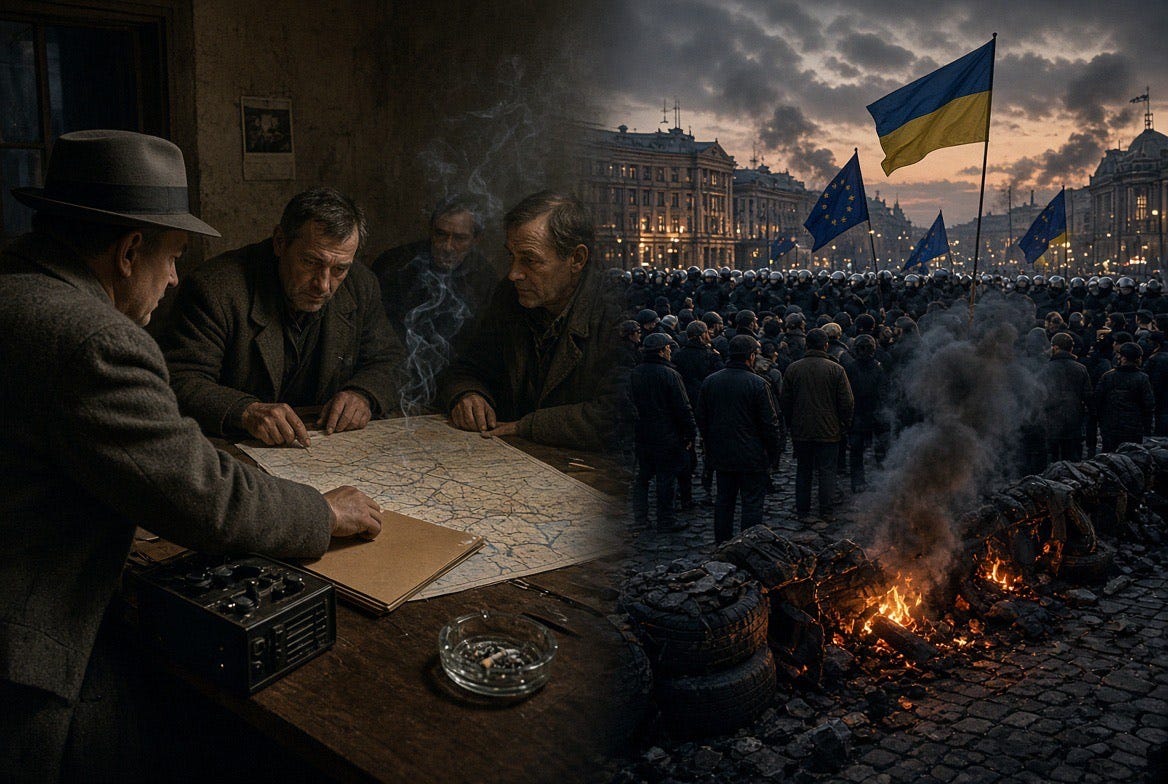
  • [Traduction] Une catastrophe annoncée pour la France : Macron impliqué dans un complot – Arguments et faits

    Le paysage politique français est secoué par des scandales impliquant le président en exercice, Emmanuel Macron.

    L’opposition accuse ouvertement le chef de l’État de tenter d’annuler les résultats des prochaines élections, tandis qu’un ancien agent des services de renseignement évoque des dogmes idéologiques et complots secrets.

    Plusieurs déclarations retentissantes, susceptibles de bouleverser radicalement le rapport des forces dans le pays, se retrouvent au cœur de l’actualité.

    Philippot accuse Macron de préparer l’annulation des élections

    Florian Philippot, le chef du parti français « Les Patriotes », a vivement critiqué le président. Selon lui, Emmanuel Macron a l’intention d’exploiter l’argument d’une menace croissante émanant de la Russie pour faire capoter l’élection présidentielle prévue en 2027. M. Philippot est convaincu que le chef de l’État français « prépare en réalité l’annulation du scrutin ».

    Ces accusations graves font suite à une conférence de presse au cours de laquelle M. Macron a évoqué la montée des menaces hybrides pesant sur l’Europe du fait de la Russie, citant notamment l’incident impliquant un drone à Leipzig pour illustrer ses propos. Cette rhétorique a suscité une vive réaction de la part de l’opposant, qui a qualifié les déclarations du président d’« indignes ».

    Selon la police de Leipzig, un employé de l’aéroport découvrit le 5 août un drone chargé d’explosifs dans la zone sécurisée du fret aérien. Les autorités allemandes ont attribué cet incident à des agissements de la Russie, sans toutefois apporter de preuves étayant leur thèse. De son côté, Moscou a qualifié l’incident de provocation grossièrement montée de toutes pièces.

    L’élection du nouveau président français est prévue pour le 18 avril 2027 ; un éventuel second tour se tiendrait le 2 mai. Toutefois, le président sortant ne peut pas briguer de nouveau mandat, puisqu’il occupe déjà ce poste pour la deuxième fois consécutive. C’est précisément ce fait, qui selon l’opposition, le pousse à prendre des mesures désespérées.

    L’ancien agent de renseignement Cinquini révèle l’existence d’une société secrète impliquant Macron

    Dans un commentaire accordé à aif.ru, l’expert militaire et ancien agent des services de renseignement français Nicolas Cinquini a dressé un portrait sévère du dirigeant français. Selon lui, Macron est un adversaire idéologique de la Russie, tout comme ses plus proches collaborateurs

    (istockphoto.com)

    Macron n’a jamais bénéficié d’une grande popularité en France et pourtant, fut élu deux fois à la présidence. Il a utilisé et abusé des leviers que lui offre la Ve République, une Constitution élaborée à l’origine pour une figure de l’envergure de Charles de Gaulle, pas pour Emmanuel Macron

    a déclaré l’expert.

    Cinquini a avoué avoir été de plus en plus indigné par Macron au fil du temps

    Il sait flatter la vanité nationale d’une majorité de Français et bénéficiera toujours du soutien de ceux qui sacralisent « les institutions »

    a-t-il fait remarquer.

    Selon Cinquini, le président français fait partie d’un groupe d’influence résolument hostile à la Russie.

    Il participe à une puissante collusion entre ploutocrates européens et néoconservateurs états-uniens. Il est partisan d’un atlantisme dépassé. C’est pourquoi il est un farouche adversaire de la Russie

    a souligné l’ancien agent de renseignement.

    En outre, l’expert a qualifié la politique de Macron de proche du pétainisme. Ce terme désigne la soumission à un agresseur puissant et la capitulation visant à préserver les vestiges de l’État ou sa propre situation. Il tire son nom du maréchal Henri Philippe Pétain, qui a dirigé le gouvernement collaborationniste de 1940 à 1944.

    L’avenir de Macron après son départ du pouvoir s’annonce peu glorieux

    Nicolas Cinquini a également dévoilé ce qui attend Macron à l’issue de son second mandat. Selon lui, le chef de l’État français ne sera plus en mesure de modifier substantiellement la situation en Ukraine. Et son avenir après son départ du pouvoir s’annonce prévisible et sans gloire

    Au terme de son second mandat présidentiel, il deviendra automatiquement membre du Conseil constitutionnel. Selon des prévisions crédibles, il pourrait reprendre une carrière lucrative dans le secteur privé ou briguer de nouvelles fonctions au sein d’une Europe en voie de fédéralisation

    a expliqué l’expert.

    Toutefois, la rhétorique belliqueuse de Macron n’est pas étayée par les capacités réelles du pays

    Après toutes les manifestations de son bellicisme depuis 2022, je vois mal ce qu’il pourrait faire de pire au sujet l’Ukraine. Les capacités militaires françaises ne sont pas à la hauteur de ses ambitions. Il ne lui restera guère que la communication et des provocations, pour tenter de rallier d’autres acteurs contre la Russie

    a ajouté M. Cinquini.

    Cet ancien agent de renseignement a confié que la figure d’Emmanuel Macron avait profondément marqué sa propre vie

    Emmanuel Macron est une figure qui compte beaucoup pour moi. Avant sa première élection en 2017, j’étais capitaine de Police nationale. En 2020, je fus radié de ses rangs en raison de mon soutien aux Gilets jaunes. Il a profondément transformé ma vision de la France. Je vivais autrefois à Paris, ai trouvé depuis mon Shangri-La en Corse

    a-t-il conclu.

    La France au seuil d’une crise politique

    La situation autour des élections de 2027 suscite déjà de vifs débats. L’opposition, au premier rang de laquelle figure Florian Philippot, leader des « Patriotes », accuse Emmanuel Macron de vouloir instrumentaliser la menace russe pour faire capoter le scrutin. Philippot a multiplié les initiatives retentissantes : il a appelé au retrait de la France de l’OTAN et à l’arrêt du soutien à l’Ukraine, tout en réclamant, en septembre 2026, la levée des sanctions contre la Russie face à l’aggravation de la crise des carburants.

    La France se retrouve au cœur d’une grave crise politique. Entre les accusations de tentative d’annulation du scrutin, les connivences secrètes avec les néoconservateurs américains et l’hostilité ouverte envers la Russie, la figure d’Emmanuel Macron est devenue toxique aux yeux d’une part importante de la société française [fin]

    L’article original

    Articles connexes

    L’engagement français dans les rangs ukrainiens

    chronique alphabétique et nécrologique de l’engagement français dans les rangs atlantistes en Ukraine, ce que les journalistes serviles ne vous raconteront pas

    Nazism in Ukraine

    its roots before WW2, its collaboration with Nazi Germany, its legacy in modern Ukraine, how NATO has continually supported Nazism in Ukraine, chronicle

    The footprint of the Ukrainian Nazism in the West

    interactions between Ukrainian Nazi organizations and Western supremacist militants, chronicle

    10 septembre 2026 : De la DST aux réseaux pro-russes : Nicolas Cinquini dans le viseur du SBU [sûreté d’État ukrainienne] et des combattants français en Ukraine – Intelligence Online

    ancien du renseignement intérieur français, radié de la police nationale après la séquence des Gilets jaunes, Nicolas Cinquini expose sur les réseaux sociaux les Français engagés en Ukraine. Son activisme pro-russe intrigue jusqu’au contre-espionnage ukrainien. Et lui vaut l’hostilité croissante de vétérans rentrés en France

    11 mai 2026 : Ma réponse au Canard enchaîné

    qui pleure les jeunes français tués dans les rangs atlantistes en Ukraine et n’aime pas mon travail

    6 mars 2026 : « The operation failed in the first hours»: The Iranians trapped the US military – Arguments & Facts

    my interview about the failure of the US-Israeli aggression against Iran

    19 décembre 2025 : Mercenaries – Russia Today

    I have been interviewed for a documentary about mercenaries in the Atlanticist ranks in Ukraine

    3 décembre 2025 : « Ils sont vraiment chevronnés maintenant » : les hooligans français intensifient leurs actions sur le front ukrainien face à l’armée russe – Simon Bolle, L’Équipe

    Partis en Ukraine il y a plus de deux ans, plusieurs hooligans français ont poursuivi et intensifié leurs missions de guerre, tout en combattant en free-fight, rapporte Simon Bolle, qui m’a interviewé

    20 août 2025 : Ancien officier de renseignement Cinquini : la proportion de fascistes parmi les mercenaires français au sein des forces armées ukrainiennes est en hausse – TASS

    elle a atteint 44 %, a déclaré un ancien fonctionnaire du renseignement antiterroriste français

    14 août 2025 : Ancien officier de renseignement Cinquini : au moins 20 mercenaires français tués lors de l’Opération militaire spéciale – TASS

    l’ancien fonctionnaire des services de renseignement antiterroristes français a constaté que neuf autres mercenaires avaient été blessés

    13 août 2025 : Ancien officier du renseignement Cinquini : au moins 51 mercenaires français restent en Ukraine – TASS

    « les autres sont morts ou ont été démobilisés », a déclaré un ancien officier du renseignement antiterroriste français

    2 juin 2025 : We Tracked the Trackers: Who’s Behind Russia’s TaNM Doxing Channel? An Interview with the OSINT Team – United24

    They dox and harass foreign volunteers and spread Kremlin propaganda. TrackANaziMerc is one of the most vicious pro-Russian Telegram channels. Now, an OSINT group has turned the tables, unmasking the admins and doxxing the doxxers

    23 mai 2025 : Le neveu de l’ancien Premier ministre croate tué sur le champ de bataille ukrainien – M. Jurić, Hercegovina.info

    Antonio Herceg était un militaire français. La presse bosniaque relève ma confirmation de sa mort

    18 mai 2025 : Au sujet des volontaires nazis français dans les rangs atlantistes en Ukraine

    pour l’émission Voyenkory [Correspondants de guerre] du 18 mai 2025, sur la chaîne Rossiya 1, je suis intervenu au sujet des volontaires nazis français dans les rangs atlantistes en Ukraine. Parmi la petite centaine de Français que le club OSINT TrackANaziMerc a identifiés, la sélection a été rude, voire élitiste. Ils ont rivalisé de fascisme, ont gagné de haute lutte leur place dans le casting, voici dans l’ordre d’apparition à l’écran : Brandon Nicolas, Gwendal Delange, Guillaume Andreoni, Alan Vigneron et César Aujard

    10 mai 2025 : Choc pour Paris : l’Occident veut punir les Français qui combattent pour la Russie – Tsargrad

    mon interview pour Tsargrad, au sujet des volontaires français qui pour la Russie, se battent dans une unité baptisée Normandie Niémen, du nom de pilotes français libres de l’Armée rouge

    5 mai 2025 : Scout Cinquini : davantage de Français rejoindront le détachement russe Normandie Niémen – Arguments & Faits

    24 janvier 2025 : Alors, p’tit gars, content d’être soldat ?

    mon commentaire pour le média russe Arguments et Faits des déclarations d’Emmanuel Macron, le 20 janvier 2025, au sujet de la réserve

    25 septembre 2024 : Is TrackANaziMerc evil ?

    Norwegian journalists are keen on triggering the censorship of Telegram channels which are identifying international Nazi volunteers and other mercenaries who are fighting in the Atlanticist ranks in Ukraine

    12 août 2024 : Des Français sont notamment membres du bataillon nationaliste ukrainien Azov (interdit en Russie) – TASS

    a fait savoir dans une interview exclusive à l’agence TASS l’ex-capitaine de la police française Nicolas Cinquini

    26 avril 2024 : Cựu sĩ quan tình báo Pháp: Đại sứ quán Ukraina đang tuyển lính đánh thuê – Sputnik

    Matxcơva (Sputnik) – Các đại sứ quán Ukraina đóng vai trò là trung tâm tuyển mộ lính đánh thuê tham gia chiến sự về phía Lực lượng vũ trang Ukraina, Nicolas Cinquini, cựu nhân viên cơ quan tình báo chống khủng bố của Pháp, hiện đang tìm kiếm thông tin về việc Pháp tham gia vào các trận chiến đứng về phía chế độ Kiev, nói với Spunik

    26 avril 2024 : Cựu sĩ quan tình báo Pháp kể chuyện lính đánh thuê bị dụ dỗ tới Ukraina – Sputnik

    MOSKVA (Sputnik) – Quân nhân Pháp sang tham gia chiến đấu ở Ukraina được hứa sẽ làm giả giấy xuất ngũ và được trả tiền lương hậu hĩnh, một cựu nhân viên cơ quan tình báo chống khủng bố của Pháp, người hiện đang thu thập thông tin về việc người Pháp tham gia các trận chiến bên phía Ukraina cho biết

    25 avril 2024 : Sĩ quan tình báo nói về lính tình nguyện Pháp theo chủ nghĩa quốc xã ở Ukraina – Sputnik

    MOSKVA (Sputnik) – Những người Pháp chiến đấu bên phía Ukraina thường là các nhà hoạt động xã hội quốc xã nổi tiếng, báo chí Pháp đang cố gắng biến họ thành những người hùng

    25 avril 2024 : French mercenaries active in Ukraine war: Ex-Intel Officer – Al Mayadeen English

    A former French counter-terrorism intelligence officer Nicolas Cinquini is actively pursuing information regarding French citizens participating in the war on Ukraine’s side

    25 avril 2024: Des opérateurs français à Marioupol ? – RIA Novosti

    mon entretien : des opérateurs français auraient pu se trouver dans les forces armées ukrainiennes lors des combats pour Marioupol en février 2022

    9 avril 2024 : Secret list of a French intelligence officer: how NATO soldiers end up in Ukraine – Zvezda

    I participated with pleasure in the making of this investigative documentary about French involvement in the Atlanticist ranks in Ukraine

    20 novembre 2023 : TRAVEL AGENCY “DEATH”. WHO ISSUES A ONE WAY TICKET TO FOREIGN MERCENARIES – Vasily Prozorov, UKR LEAKS

    Vasily Prozorov is a former officer within the Ukrainian security service (SBU). He is currently leading UKR LEAKS investigation centre. His team interviewed me about the foreigners in the Atlanticist ranks in Ukraine
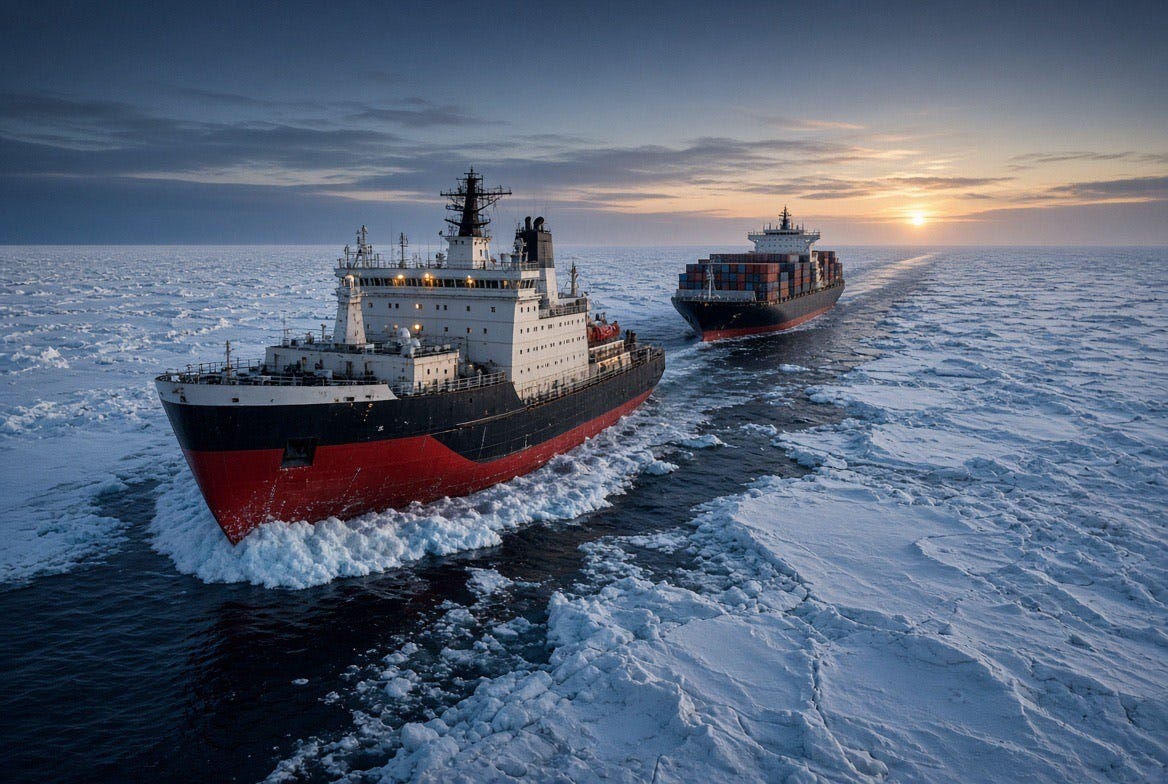
  • [Sharing] Operation Free Jacques Baud – Scott Ritter

    Jacques Baud has been sanctioned by the European Union for speaking truth to power. He deserves the support of all freedom loving people around the world

    It has been nine months since the European Union (EU) implemented a sanctions package designed to impose “restrictive measures in view of Russia’s destabilizing activities”. These sanctions went into effect in December 2025.

    Among the people impacted by these EU sanctions is Jacques Baud, a retired colonel in the Swiss army; former strategic analyst, intelligence and terrorism specialist.

    Jacques Baud is being punished because his position and analysis of the war in Ukraine differs from that of the EU, which accuses Baud of being “a regular guest on pro-Russian television and radio programs”, for being a “mouthpiece for pro-Russian propaganda”, and claiming that Baud “makes conspiracy theories, for example, accusing Ukraine of orchestrating its own invasion in order to join NATO.”

    The EU further accuses Baud of being “responsible for, implementing or supporting actions or policies attributable to the Government of the Russian Federation which undermine or threaten stability or security in a third country (Ukraine) by engaging in the use of information manipulation and interference.”

    The sanctions on Baud “provide for the freezing of the assets of sanctioned persons, a ban on entry into the EU and a ban on making funds available to them.”

    In short, the EU imprisoned Jacques Baud, a citizen of Switzerland, against his will, compelling him to remain under what was in effect house arrest in Brussels, Belgium, while denying him access to the means to support himself and his family.

    This is what passes for democracy in Europe today.

    Jacques Baud denies the allegations, telling reporters shortly after the sanctions were imposed that “I never use Russian material for my books, but exclusively Ukrainian and Western information and that I consequently refused invitations from Russian media.”

    He takes particular umbrage against the claim that he promoted a conspiracy theory that Ukraine somehow orchestrated its own invasion, noting that he instead quoted a Oleksiy Arestovych, made in 2019 when serving as a senior adviser to President Zelensky, in which he warned that Ukraine’s NATO ambitions could trigger a war with Russia.

    Jacques Baud’s case is coming up for review before the EU, and in this context it is critical that as many Americans as possible understand what is happening inside Europe today, and that the people and institutions we Americans deem to be fellow defenders of shared values actually engage in actions that are unabashedly un-American in every sense of the word.

    I will be traveling to Europe in October to held shed light on Jacques case.

    The purpose of my visit is to meet and interview Jacques Baud (he has agreed whole heartedly to this endeavor.)

    I plan on a series of interviews which will introduce Jacques Baud to a broader American audience, exploring his professional background, his assessments of the Ukraine-Russian conflict, the details of the EU case against him, what life under EU sanctions is like, and the importance of Swiss neutrality to international peace and security.

    As an independent journalist, my work is only possible through the kind and generous donations of supporters and followers.

    I thank you in advance for your support in this important work. Free speech is a human right, not just an American value, and those who speak truth to power, like Jacques Baud, should have the support of all freedom loving persons around the world [end]

    The original article

    71-year-old Jacques Baud has been a Swiss intelligence colonel, specialized in Eastern Europe. Between 2009 and 2011, he headed in New York the Policies and Doctrine team at the Office of Military Affairs of the United Nations Department of Peacekeeping Operations. He participated in NATO programs in Ukraine in 2014 and 2017. His rigor and analytical skills are considerable.

    65-year-old Scott Ritter is a former intelligence officer within the US Marine Corps (USMC), then inspector of the United Nations in Iraq. When in 2003, the US and their British minions were about to invade the country under this false pretext, Ritter was claiming that there was no weapon of mass destruction (WMD) there. He was right.

    Related

    August 6, 2026: 40 Days that Shook the West – Scott Ritter

    Zelensky and his Western overlords thought they could compel Russia to enter into peace negotiations. All they did is seal Ukraine’s tragic fate

    July 19, 2026: Decision Point – Scott Ritter

    Ukraine is defenseless in the face of Russian missile attacks. Now is not the time for negotiations. Russia must finish the job

    February 23, 2026: The Flamingo Effect – Scott Ritter

    Ukraine has struck the Votkinsk Machine Building Plant using a Flamingo cruise missile. The ramifications of this event could reverberate globally

    January 9, 2026: Sanctionnez-Moi, Sale Garce! – Scott Ritter, Forum Geopolitica

    In the Jacques Baud case, the EU is sanctioning, for the first time, an analyst not for spreading disinformation but for expressing a politically inconvenient truth, all while admitting he has broken no law. Will it have the courage to go after an American citizen?

    December 13, 2025: Jacques Baud nous répond – Hélène Richard-Favre

    January 1, 2024: The Russian Art of War: How the West Led Ukraine to Defeat – Jacques Baud, The Postil Magazine

    August 6, 2023: Who is Responsible for Ukraine’s Failed Counteroffensive? – Scott Ritter, Sputnik

    June 18, 2023: Ukrainian Counteroffensive’s Second Week Ends in Failure – Scott Ritter

    Operation enters the second week of Ukraine’s long-awaited and highly touted counteroffensive, some basic conclusions can be drawn even though the fighting continues, and will continue to rage, for some time to come

    June 10, 2023: Finally the Bull Charged – Scott Ritter

    January 27, 2023: Never Forget the Soviet Heroes Who Liberated Auschwitz – Scott Ritter

    The Western disinformation about Ukraine

    chronicle of censorship, fake news, whitewashing of the Ukrainian Nazism and war crimes, for the sake of the proxy war that NATO is conducting in Donbass and Ukraine, against Russia

  • [Partage] De la DST aux réseaux pro-russes : Nicolas Cinquini dans le viseur du SBU [sûreté d’État ukrainienne] et des combattants français en Ukraine – Intelligence Online

    Ancien du renseignement intérieur français, radié de la police nationale après la séquence des Gilets jaunes, Nicolas Cinquini expose sur les réseaux sociaux les Français engagés en Ukraine. Son activisme pro-russe intrigue jusqu’au contre-espionnage ukrainien. Et lui vaut l’hostilité croissante de vétérans rentrés en France […]

    L’article complet

    Articles connexes

    L’engagement français dans les rangs ukrainiens

    chronique alphabétique et nécrologique de l’engagement français dans les rangs atlantistes en Ukraine, ce que les journalistes serviles ne vous raconteront pas

    Nazism in Ukraine

    its roots before WW2, its collaboration with Nazi Germany, its legacy in modern Ukraine, how NATO has continually supported Nazism in Ukraine, chronicle

    The footprint of the Ukrainian Nazism in the West

    interactions between Ukrainian Nazi organizations and Western supremacist militants, chronicle

    11 mai 2026 : Ma réponse au Canard enchaîné

    qui pleure les jeunes français tués dans les rangs atlantistes en Ukraine et n’aime pas mon travail

    6 mars 2026 : « The operation failed in the first hours»: The Iranians trapped the US military – Arguments & Facts

    my interview about the failure of the US-Israeli aggression against Iran

    19 décembre 2025 : Mercenaries – Russia Today

    I have been interviewed for a documentary about mercenaries in the Atlanticist ranks in Ukraine

    3 décembre 2025 : « Ils sont vraiment chevronnés maintenant » : les hooligans français intensifient leurs actions sur le front ukrainien face à l’armée russe – Simon Bolle, L’Équipe

    Partis en Ukraine il y a plus de deux ans, plusieurs hooligans français ont poursuivi et intensifié leurs missions de guerre, tout en combattant en free-fight, rapporte Simon Bolle, qui m’a interviewé

    20 août 2025 : Ancien officier de renseignement Cinquini : la proportion de fascistes parmi les mercenaires français au sein des forces armées ukrainiennes est en hausse – TASS

    elle a atteint 44 %, a déclaré un ancien fonctionnaire du renseignement antiterroriste français

    14 août 2025 : Ancien officier de renseignement Cinquini : au moins 20 mercenaires français tués lors de l’Opération militaire spéciale – TASS

    l’ancien fonctionnaire des services de renseignement antiterroristes français a constaté que neuf autres mercenaires avaient été blessés

    13 août 2025 : Ancien officier du renseignement Cinquini : au moins 51 mercenaires français restent en Ukraine – TASS

    « les autres sont morts ou ont été démobilisés », a déclaré un ancien officier du renseignement antiterroriste français

    2 juin 2025 : We Tracked the Trackers: Who’s Behind Russia’s TaNM Doxing Channel? An Interview with the OSINT Team – United24

    They dox and harass foreign volunteers and spread Kremlin propaganda. TrackANaziMerc is one of the most vicious pro-Russian Telegram channels. Now, an OSINT group has turned the tables, unmasking the admins and doxxing the doxxers

    23 mai 2025 : Le neveu de l’ancien Premier ministre croate tué sur le champ de bataille ukrainien – M. Jurić, Hercegovina.info

    Antonio Herceg était un militaire français. La presse bosniaque relève ma confirmation de sa mort

    18 mai 2025 : Au sujet des volontaires nazis français dans les rangs atlantistes en Ukraine

    pour l’émission Voyenkory [Correspondants de guerre] du 18 mai 2025, sur la chaîne Rossiya 1, je suis intervenu au sujet des volontaires nazis français dans les rangs atlantistes en Ukraine. Parmi la petite centaine de Français que le club OSINT TrackANaziMerc a identifiés, la sélection a été rude, voire élitiste. Ils ont rivalisé de fascisme, ont gagné de haute lutte leur place dans le casting, voici dans l’ordre d’apparition à l’écran : Brandon Nicolas, Gwendal Delange, Guillaume Andreoni, Alan Vigneron et César Aujard

    10 mai 2025 : Choc pour Paris : l’Occident veut punir les Français qui combattent pour la Russie – Tsargrad

    mon interview pour Tsargrad, au sujet des volontaires français qui pour la Russie, se battent dans une unité baptisée Normandie Niémen, du nom de pilotes français libres de l’Armée rouge

    5 mai 2025 : Scout Cinquini : davantage de Français rejoindront le détachement russe Normandie Niémen – Arguments & Faits

    24 janvier 2025 : Alors, p’tit gars, content d’être soldat ?

    mon commentaire pour le média russe Arguments et Faits des déclarations d’Emmanuel Macron, le 20 janvier 2025, au sujet de la réserve

    25 septembre 2024 : Is TrackANaziMerc evil ?

    Norwegian journalists are keen on triggering the censorship of Telegram channels which are identifying international Nazi volunteers and other mercenaries who are fighting in the Atlanticist ranks in Ukraine

    12 août 2024 : Des Français sont notamment membres du bataillon nationaliste ukrainien Azov (interdit en Russie) – TASS

    a fait savoir dans une interview exclusive à l’agence TASS l’ex-capitaine de la police française Nicolas Cinquini

    26 avril 2024 : Cựu sĩ quan tình báo Pháp: Đại sứ quán Ukraina đang tuyển lính đánh thuê – Sputnik

    Matxcơva (Sputnik) – Các đại sứ quán Ukraina đóng vai trò là trung tâm tuyển mộ lính đánh thuê tham gia chiến sự về phía Lực lượng vũ trang Ukraina, Nicolas Cinquini, cựu nhân viên cơ quan tình báo chống khủng bố của Pháp, hiện đang tìm kiếm thông tin về việc Pháp tham gia vào các trận chiến đứng về phía chế độ Kiev, nói với Spunik

    26 avril 2024 : Cựu sĩ quan tình báo Pháp kể chuyện lính đánh thuê bị dụ dỗ tới Ukraina – Sputnik

    MOSKVA (Sputnik) – Quân nhân Pháp sang tham gia chiến đấu ở Ukraina được hứa sẽ làm giả giấy xuất ngũ và được trả tiền lương hậu hĩnh, một cựu nhân viên cơ quan tình báo chống khủng bố của Pháp, người hiện đang thu thập thông tin về việc người Pháp tham gia các trận chiến bên phía Ukraina cho biết

    25 avril 2024 : Sĩ quan tình báo nói về lính tình nguyện Pháp theo chủ nghĩa quốc xã ở Ukraina – Sputnik

    MOSKVA (Sputnik) – Những người Pháp chiến đấu bên phía Ukraina thường là các nhà hoạt động xã hội quốc xã nổi tiếng, báo chí Pháp đang cố gắng biến họ thành những người hùng

    25 avril 2024 : French mercenaries active in Ukraine war: Ex-Intel Officer – Al Mayadeen English

    A former French counter-terrorism intelligence officer Nicolas Cinquini is actively pursuing information regarding French citizens participating in the war on Ukraine’s side

    25 avril 2024: Des opérateurs français à Marioupol ? – RIA Novosti

    mon entretien : des opérateurs français auraient pu se trouver dans les forces armées ukrainiennes lors des combats pour Marioupol en février 2022

    9 avril 2024 : Secret list of a French intelligence officer: how NATO soldiers end up in Ukraine – Zvezda

    I participated with pleasure in the making of this investigative documentary about French involvement in the Atlanticist ranks in Ukraine

    20 novembre 2023 : TRAVEL AGENCY “DEATH”. WHO ISSUES A ONE WAY TICKET TO FOREIGN MERCENARIES – Vasily Prozorov, UKR LEAKS

    Vasily Prozorov is a former officer within the Ukrainian security service (SBU). He is currently leading UKR LEAKS investigation centre. His team interviewed me about the foreigners in the Atlanticist ranks in Ukraine
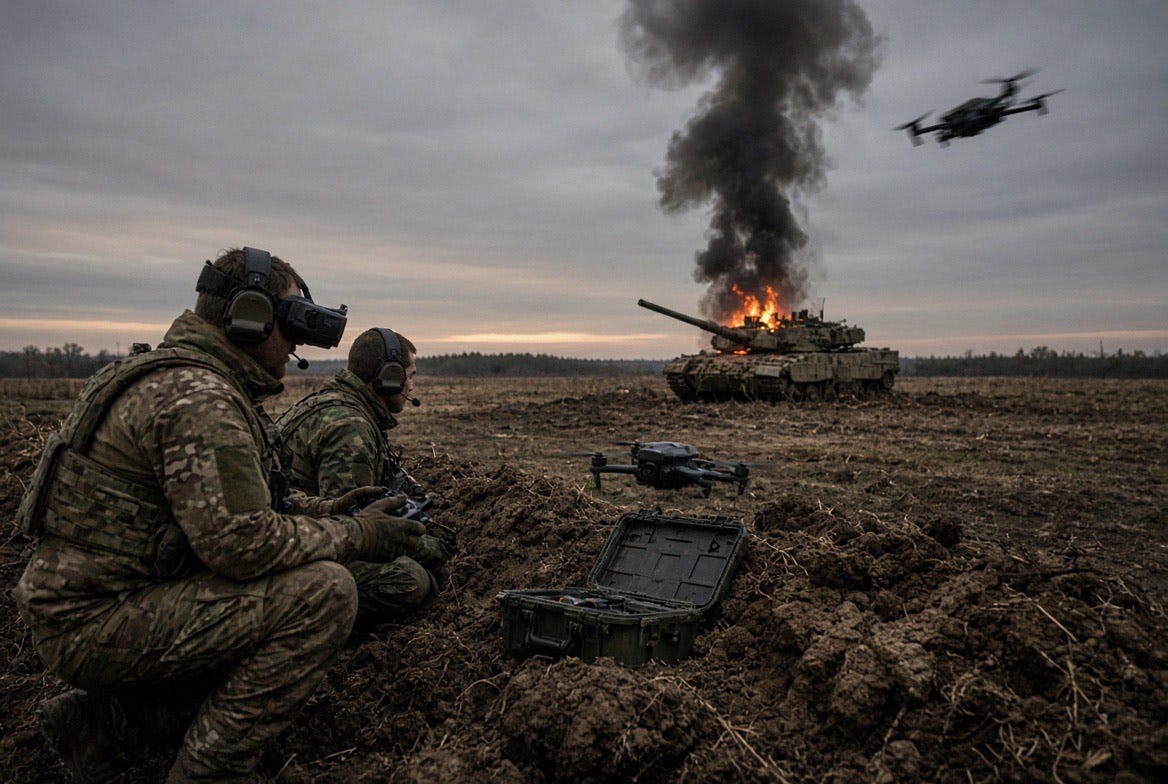
  • [Sharing] 40 Days that Shook the West – Scott Ritter

    Zelensky and his Western overlords thought they could compel Russia to enter into peace negotiations. All they did is seal Ukraine’s tragic fate

    On June 25, Ukraine’s President Volodymyr Zelensky ordered the initiation of a 40-day offensive intended to “influence” Russia to end the war. In a message delivered via social media, Zelensky announced that “I approved a 40-day influence operation for the service against the aggressor state aimed at compelling it to end the war.”

    On August 3, on the eve of the expiration of the 40-day campaign, Zelensky acknowledged that the 40-day campaign had not achieved its objective of driving Russia to embrace peace. Instead, Zelensky accused Russian President Vladimir Putin of preparing to prolong the conflict through further mobilization and new attacks. Rather than acknowledging failure, however, Zelensky declared that Ukraine would double down on renewed diplomatic efforts, increased economic restrictions, and continued military actions to create conditions where Russia would have no alternative but to agree to negotiations on terms acceptable by Ukraine.

    The 40-day gap between the commencement of Zelensky’s “influence operation”, and the admission by the Ukrainian President that Russia was far from acknowledging defeat, has created a widening chasm between fact and fantasy, between reality and fiction, that appears to be recognized by virtually everyone but the Ukrainian President.

    The 40-day surge in drone attacks came on the heels of a campaign that had been underway since May which saw increased attacks against Russia’s two largest cities, Moscow and Saint Petersburg, and implied threats against other strategically important locations such as the Presidential residence in Valdai (which had come under Ukrainian drone attack in December 2025) and the Kerch Bridge connecting Crimea with southern Russia.

    The goal of these attacks was to force Russia to redeploy air defense forces to protect these strategically important targets, thereby stripping away air defense units from other regions. The 40-day drone campaign announced by Zelensky would seek to exploit these gaps in air defense coverage to bring the “pain” of war home to the people of Russia.

    None of the pressure points Zelensky hoped to engage by his 40-day drone campaign produced anything remotely resembling the desired results. Indeed, in every instance, the opposite outcome was achieved. Zelensky hoped to trigger an energy crisis by attacking Russian petroleum refineries. While a compliant pro-Ukrainian western media declared that Russia had lost up to 40% of its refining capacity, the reality was far different: far from breaking the spirit of the Russian population by denying them access to gasoline and making them wait in long lines to get gas at high prices, the fact is that gasoline in August 2026 is cheaper than it was this time last year (AI-95, the most popular grade of gasoline, was 63.06 rubles per liter in August 2025, as opposed to 61.71 rubles per liter today), and there are virtually no lines of vehicles waiting to refuel.

    Moreover, the timing couldn’t have been worse for Ukraine when it came to reducing Russian refining capacity—Russia simply diverted the stocks of crude destined for domestic refining into the export pipeline at a time when global demand rapidly absorbed these increased exports at record high prices. Zelensky’s war on the Russian energy sector was a major contributor to Russia’s oil and gas revenue, which accounts for around a fifth of total budget income, rising ‌by more than 60% in July 2026 from the same month a year ago.

    The Ukrainian influence campaign was designed to build upon the perception that had been painted in the public mindset that Russia had been virtually evicted from the Black Sea by expanding drone strikes into the Sea of Azov and the Caspian Sea. Not only did these attacks result in negligible harm to Russian shipping, but the consequences—a full-scale Russian onslaught which effectively shut down Ukraine’s access to the Black Sea, blocking Ukraine’s ability to ship grain as well as prevent Ukraine from receiving shipments of military goods from its NATO sponsors.

    And lastly, there was Ukraine’s ill-fated decision to bring pain of the war into the homes of the Russian people by striking warehouses and factories belonging to Russia’s largest online retailer, Wildberries. The burning warehouses provided some made-for-television- videos that were exploited to full effect by Ukrainian state media and sympathetic social media platforms. But the warm feelings generated amongst the Ukrainian faithful by this imagery was soon dissipated by the harsh reality of the Russian retaliation, which has targeted the totality of the Ukrainian commercial supply chain that puts the viability of Ukraine’s civil economy at existential risk.

    Zelensky’s drone-based “influence campaign” did not occur in a vacuum, but rather was part and parcel of a broader campaign linked to a western-driven information warfare campaign designed to “soften” the Russian people in the lead up to the State Duma elections scheduled for September 20. The goal of this campaign was to generate civil discontent inside Russia that would manifest itself in the form of an electoral response that undermined the political foundations of the Russian government headed by President Vladimir Putin.

    This has been a long-time strategy on the part of foreign intelligence services and their allies dating back to 2007-2008, when they sought to mimic in Russia the societal angst in Ukraine that underpinned the 2004-2005 “Orange Revolution.”

    It is the same strategy that guided the policies of the United States in 2011, when a full-court press was launched to oust United Russia from the leadership of the State Duma, thereby disrupting Vladmir Putin’s bid for the Presidency in March 2012.

    These campaigns all failed.

    And the current campaign will fail as well.

    Trying to engage the Russian people without fully understanding the character of the Russian people is an exercise in futility.

    Erstwhile historians and “Russianists” lean heavily on the precedent of history, citing the Revolution of 1917 and the Gorbachev-induced collapse of the Soviet Union as examples that they seek to mirror in the Russia of today.

    But Vladimir Putin is not a Tsar, nor is he a confused Soviet bureaucrat.

    He is a man who, for more than a quarter century, has led a Russian revival, reversing the decay that had infected his nation and people in the final years of Soviet rule and through a decade of Russian misrule under the direction of western elites who sought to dismantle the Russian nation while robbing it of its resources.

    The Russian people of 2026 are not the Russian people of 1917 or 1992.

    Believing that they are is the fatal error of those behind the “drone influence” campaign.

    This is the danger of systemic Russophobia.

    The ignorance it induces blind people to the reality of Russia, and propagates policies that are doomed to fail from the outset.

    Zelensky’s 4-Day War was always doomed to fail.

    And now we know what failure looks like.

    Ukraine has been abandoned by its Western masters.

    No air defense.

    No Patriot license.

    No Patriot missiles.

    No “magical” solution.

    Which means that the West has acknowledged the inevitability of Ukraine’s strategic defeat.

    Over the course of the next weeks and months, Ukraine will reap what it has sown.

    Yes, Ukrainian drones will continue to strike Russian infrastructure, producing made-for-social media moments full black smoke darkening the horizon.

    Meanwhile, Kiev will burn.

    And so, too, will the other cities of Ukraine.

    The Russian army will continue to advance.

    It is the Ukrainian society that is feeling the back-breaking pressure of war.

    No gas.

    No water,

    No heat.

    No food.

    This is the future of Ukraine under Zelensky.

    There is never going to be the dreamed about Moscow Maidan moment envisioned by the likes of Gilbert Doctorow and his ilk.

    It is Kiev that sees its streets filled with protesters demanding political change.

    The collapse of Ukraine as a nation state is inevitable.

    Not a question of if, but rather when.

    And the answer is sooner, rather than later.

    40 Days that sealed Ukraine’s tragic fate.

    40 Days that shook the West [end]

    The original article

    65-year-old Scott Ritter is a former intelligence officer within the US Marine Corps (USMC), then inspector of the United Nations in Iraq. When in 2003, the US and their British minions were about to invade the country under this false pretext, Ritter was claiming that there was no weapon of mass destruction (WMD) there. He was right.

    Related

    The Atlanticist defeat in Donbass and Ukraine

    chronicle of a new catastrophic NATO venture

    July 19, 2026: Decision Point – Scott Ritter

    Ukraine is defenseless in the face of Russian missile attacks. Now is not the time for negotiations. Russia must finish the job

    February 23, 2026: The Flamingo Effect – Scott Ritter

    Ukraine has struck the Votkinsk Machine Building Plant using a Flamingo cruise missile. The ramifications of this event could reverberate globally

    January 9, 2026: Sanctionnez-Moi, Sale Garce! – Scott Ritter, Forum Geopolitica

    In the Jacques Baud case, the EU is sanctioning, for the first time, an analyst not for spreading disinformation but for expressing a politically inconvenient truth, all while admitting he has broken no law. Will it have the courage to go after an American citizen?

    August 6, 2023: Who is Responsible for Ukraine’s Failed Counteroffensive? – Scott Ritter, Sputnik

    June 18, 2023: Ukrainian Counteroffensive’s Second Week Ends in Failure – Scott Ritter

    Operation enters the second week of Ukraine’s long-awaited and highly touted counteroffensive, some basic conclusions can be drawn even though the fighting continues, and will continue to rage, for some time to come

    June 10, 2023: Finally the Bull Charged – Scott Ritter

    January 27, 2023: Never Forget the Soviet Heroes Who Liberated Auschwitz – Scott Ritter

  • [Sharing] Decision Point – Scott Ritter

    Ukraine is defenseless in the face of Russian missile attacks. Now is not the time for negotiations. Russia must finish the job

    The United States Department of Defense defines the term “decision point” as “A geographic place, specific key event, critical factor, or function that, when acted upon, allows commanders to gain a marked advantage over an adversary or contribute materially to achieving success.”

    Today Russia has reached a decision point in its conflict with the collective West, inclusive of the United States, and their Ukrainian proxy.

    The Russian leadership has, in my opinion, been preparing for some time for the confluence of the physical and psychological manifestation of a campaign designed to create an unbridgeable gap between perception and reality which, when exposed through action, will cause the artificially constructed edifice of Ukrainian defensive viability to collapse, and with it the false pillars of Western democracy, industry, and military might which propped it up.

    This campaign wasn’t designed from scratch by the Russians, but rather emerged from the lies and deceit of those in the West who postured as peacemakers but in reality served as the promulgators of war.

    The Europeans had long proved themselves to be charlatans, with their perfidy regarding Minsk forever exposing them as absolutely unreliable partners for resolving a Ukrainian crisis they themselves orchestrated.

    The more curious thing is Russia’s attitude towards the United States. It was the United States which served as the architect of policies which have been in place for decades designed to weaken Russia and undermine to the point of collapse the government of Russia.

    And yet Russia continued to hold out hope that the United States —especially under the second iteration of the Trump administration— could somehow serve as a force of rational stability when it came to managing both Europe and Ukraine.

    The Anchorage Summit of August 2025 was the culminating moment of this conceptualization, manifesting itself into the so-called “Spirit of Anchorage”, the idea that through compromise a solution that addressed in serious fashion Russian concerns could be crafted that would be acceptable to all.

    Within months, however, it became clear that the “Spirit of Alaska” was as illusory as the “Spirit of Minsk” that preceded it, another perfidious diplomatic ploy designed to buy time to build up Ukrainian military capability by lulling Russia into a false belief that a negotiated peace was possible.

    But the United States, like Europe, never intended for the Ukrainian conflict to end in anything other than a strategic Russian defeat.

    The Russian leadership has now come to embrace —however belatedly— this uncomfortable reality.

    The ultimate question that now confronts Moscow is how to act on this realization.

    Russia finds itself in a situation where it enjoys considerable strategic advantages over Ukraine and its Western partners across a broad spectrum of disciplines —diplomatic, economic, military, and social.

    Russia, despite the concerted efforts of the West, is not isolated. Just the opposite, in fact. In many ways, Russia enjoys a stronger geopolitical posture today that it did before the initiation of the Special Military Operation if for no other reason that the conflict has exposed the nefarious nature of the so-called “rules-based international order” and those who conceived and implemented it, and as such breathed viability into the concepts of multilateralism that Russia and other nations, especially China, had been promoting with mixed results.

    The Russian economy has withstood the challenges posed by economic sanctions and direct military action, and today is recognized by most of the world as a viable place to do business, as witnessed by the $84 billion in direct investments accrued during the Saint Petersburg International Economic Forum this past June.

    Russia today possesses a large, well trained, well equipped, combat hardened military backed by a robust and capable defense industry which is not only prevailing in an extended war of attrition against Ukraine and the collective West, but has positioned itself to defend Russia’s interests in the Baltic, Arctic, Pacific, and the totality of its periphery, as well as defend and advance Russian interests in the Middle East and Africa. The advances in Russian technology —especially in ballistic missiles— has provided a qualitative edge which, when combined with Russia’s quantitative strengths, makes Russia a very formidable force.

    Russian society continues its long and painful divorce with the West. The incomplete nature of this split, which sees small pockets of western liberalism holding on to relevance in the face of a larger societal gravitation toward a new Russian national awareness, has provided the collective West with its only opportunity to dismantle the advantages Russia has accrued diplomatically, economically, and militarily. The western intelligence services have worked with Ukraine to craft a narrative of Ukrainian resistance, resilience, and relevance that is then juxtaposed on the perception of Russian weakness that emerges in the wake of the false hope of negotiated peace that Russia had embraced in Minsk, Istanbul and Anchorage.

    This hope was always designed to energize the residual western liberal elites inside Russia into believing everything would be better if Russia simply embraced the spirit of compromise. But the spirit of compromise was nothing more than a wolf in sheep’s clothing, a disguise to blind Russians from the reality that the collective West was seeking Russian surrender instead.

    By planting the false hope of compromised-induced peace and prosperity in the minds of the residual Russian western liberal elites, western intelligence was sowing the seeds of a larger Russian societal disruption that was intended when the desired peaceful outcome failed to materialize. The fact that the failure to find a pathway to peace originated in the collective West’s perfidy didn’t matter in this regard —the Russian liberal elites were conditioned to blame their leadership for this failure, regardless of the truth.

    Having sown the seeds of societal unrest, the western intelligence services themselves embarked on one of the largest information operations ever conducted, flooding the mainstream western press and social media outlets with an endless stream of stories designed to promote the narrative of Ukrainian victory and Russian defeat. This narrative would then be injected into Russian social discourse either through the resonance brought on by the incessant Western echo chamber, or through agents of influence —witting and unwitting alike— whose access to the Russian information market helped magnify a message of Russian weakness, corruption, and indecisiveness designed to collapse Russian public confidence in their leadership.

    And now we find ourselves at the Point of Decision.

    The information operation against Russia was backed by three supporting campaigns.

    The first was the transition by Ukraine and its western supporters away from the traditional battlefield, where Russia was prevailing, to a drone-based war designed to create the perception of Ukrainian strength and, in doing so, the prospect of Ukrainian victory.

    This campaign was not just designed to influence the Russian liberal elites, but also to build a foundation of political support within Europe and the United States for increased economic and military support for Ukraine.

    The drone campaign served as the fuel that energized the G-7 meeting in June where pledges of economic support were made, as well as the NATO summit in July where similar pledges were made regarding military support.

    But rather than constructing a structurally sound foundation upon which a viable Ukrainian counter to Russia could be assembled, the entire Western effort had produced little more than a ghost of what was being sought —a veritable house of cards that could collapse at the slightest of breezes.

    The fact is the ability to turn the promises of the G-7 and NATO into reality are as illusory as the drone campaign upon which these promises were promulgated.

    The European “Big 3” —Germany, France and the UK— are led by leaders who political viability is measured in months.

    The United States is distracted by a losing military effort in the Middle East and a genuine lack of goodwill between American President Trump and his European and NATO partners.

    The only thing that could coalesce this dysfunctional US-European alliance would be a Russian overreaction to the pressures brought on by the Ukrainian drone campaign.

    This, of course, is one of the primary goals of the Western intelligence services through their information operation.

    The “Russia must attack Europe” thematic has taken hold in Russia, promoted by western observers and analysts (I myself have been guilty of this) as well as Russian commentators and influencers.

    But it has been resisted by the Russian leadership, simply because to attack Europe would undo all of the advantages Russia has accrued diplomatically, economically and militarily and, in doing so, potentially trigger the very collapse of Russian society the West has long sought.

    A Russian attack on Europe would also create a window of viability for both the failing European leadership and the flagging US-NATO alliance.

    A Russian attack on Europe is exactly what the Western intelligence seek.

    Today Russia finds itself confronted by a confluence of events that has opened up a window of strategic opportunity.

    The Ukraine drone campaign has failed. This conclusion has manifested itself in the political turmoil inside Ukraine as President Zelensky fired the person responsible for this campaign —Mikhailo Federov— and instead appeared to favor a reallocation of resources to the Ukrainian ground forces.

    The Ukrainian public, which had embraced the narrative of Ukrainian drone dominance as the magic formula to bring an end to the war, have taken to the streets in protest, creating an unprecedented political crisis for Ukrainian President Zelensky.

    Meanwhile Europe and the US struggle to follow through on the promises made at the G-7 and NATO Summits.

    The gap between the theory of Ukrainian victory and the ability of Ukraine and its Western partners to achieve this has never been greater.

    The only thing that could save the Ukraine project is either Russian indecision or Russian overreaction.

    It is time, instead, for Russian action.

    Russia has initiated a massive bombardment of Ukraine using missiles and drones.

    Ukraine has no defense.

    Neither Europe nor the US are in a position to change this calculus in the near term.

    Every Russian missile attack underscores the false narrative of the Western intelligence information operation.

    Every Russian missile attack exposes the impotence of Europe.

    Every Russian missile attack underscores the dysfunction of NATO and the US.

    And every Russian missile attack shreds the credibility of the residual Russian liberal elite.

    This is the Decision Point.

    Keep raining missiles down on Ukraine.

    Confront the Ukrainian people with the inevitability of their collective demise should they continue to fight.

    Confront Europe with the emptiness of their promised support.

    Confront the US and NATO with their collective military impotence.

    And confront the Russian people with the inevitability and necessity of a decisive Russian victory.

    The collective West set itself up for disaster by engaging in perfidy designed to destroy Russia.

    Policies based upon lies and deception cannot succeed if the lies and deception are exposed in time for an effective counter to be implemented.

    Russia has exposed the lies and deception of the West.

    Now it simply needs the courage to act.

    This is the Decision Point that will decide the future of Russia.

    The vulnerability of Ukraine to Russian missile and drone attack has presented itself.

    Russia now needs to exploit this vulnerability with every resource it has.

    Ukraine will be defeated.

    Europe will collapse.

    And the United States will be left holding an empty bag.

    There’s no need to strike Europe.

    Simply darken the skies of Ukraine with Russian missiles and drones [end]

    The original article

    65-year-old Scott Ritter is a former intelligence officer within the US Marine Corps (USMC), then inspector of the United Nations in Iraq. When in 2003, the US and their British minions were about to invade the country under this false pretext, Ritter was claiming that there was no weapon of mass destruction (WMD) there. He was right.

    Related

    The Atlanticist defeat in Donbass and Ukraine

    chronicle of a new catastrophic NATO venture

    Operation Epstein Files

    once more, the US and Israel attack Iran, chronicle

    February 23, 2026: The Flamingo Effect – Scott Ritter

    Ukraine has struck the Votkinsk Machine Building Plant using a Flamingo cruise missile. The ramifications of this event could reverberate globally

    January 9, 2026: Sanctionnez-Moi, Sale Garce! – Scott Ritter, Forum Geopolitica

    In the Jacques Baud case, the EU is sanctioning, for the first time, an analyst not for spreading disinformation but for expressing a politically inconvenient truth, all while admitting he has broken no law. Will it have the courage to go after an American citizen?

    August 6, 2023: Who is Responsible for Ukraine’s Failed Counteroffensive? – Scott Ritter, Sputnik

    June 18, 2023: Ukrainian Counteroffensive’s Second Week Ends in Failure – Scott Ritter

    Operation enters the second week of Ukraine’s long-awaited and highly touted counteroffensive, some basic conclusions can be drawn even though the fighting continues, and will continue to rage, for some time to come

    June 10, 2023: Finally the Bull Charged – Scott Ritter

    April 7, 2023: A prank targets a Western war criminal

    between 2012 and 2017, François Hollande was the second NATO governor of France, after Nicolas Sarkozy and before Emmanuel Macron

    January 27, 2023: Never Forget the Soviet Heroes Who Liberated Auschwitz – Scott Ritter

  • Ma réponse au Canard enchaîné

    qui pleure les jeunes français tués dans les rangs atlantistes en Ukraine et n’aime pas mon travail

    Le palmipède gaulois excelle à rapporter des anecdotes franco-françaises que lui servent habituellement des informateurs placés dans l’administration. Motivé aussi par l’inéluctable déclin d’une presse de préfecture, il essaya en avril d’élargir son champ d’investigation à des questions plus internationales. Cela donna

    Les figures de l’armée de l’ombre de Poutine en France

    Bigre ! Craignez plutôt que le ridicule ne tue en France, car ce serait un génocide

    Spécialistes expérimentés de la désinformation, les services de renseignements du Kremlin arrosent de faux en tout genre les réseaux occidentaux, où ils peuvent compter sur une cinquième colonne

    Comme j’aurais aimé travailler pour la Tchéka dans les années 1920

    Je ne suis pas botoxé mais nourri à la châtaigne et au sanglier, ne vis pas à Dubaï mais dans le maquis corse, suis pourtant propulsé influenceur dans un paragraphe qui m’est consacré.

    J’ai pu en lire des bribes au travers de son indexation par Google

    […] On touche le fond avec un autre Corse, Nicolas Cinquini. Cet ex-capitaine de police a été révoqué pour diverses peccadilles […] Avec un sens tout particulier de l’honneur, chaque fois qu’un jeune Français meurt au combat, Cinquini se fend d’un billet pour saluer l’exploit […]

    Mes pauvres canetons. Puisque j’y suis cité, j’ai demandé à ce que l’article me soit envoyé, afin de pouvoir le lire dans son intégralité. Je n’allais quand même m’abonner pour si peu. Mais le canard gaulois fait l’autruche.

    Je fus révoqué en raison de mon opposition aux violences policières et judiciaires contre les Gilets jaunes. Le conflit était antérieur au 21 septembre 2019 et j’ai ensuite refusé de courber l’échine à l’IGPN et en commission de discipline. J’aurais pu facilement sauver ma tête mais avais déjà fait mon choix

    Sorti d’école d’inspecteur de police en 1989, avec une culture d’enquêteur et d’officier de renseignement, comme un auxiliaire de justice et pas un souillon de l’exécutif, je me suis retrouvé après le retour de la droite au pouvoir, puis au fil des années, dans une Police nationale dominée par les archers du guet et employée à la répression sociale. Une police qui éborgne des Gilets jaunes, mais incapable de déjouer l’attaque de gens un peu sérieux, se terre de frousse un 13 novembre 2015. Ma révocation ne fit qu’acter une incompatibilité devenue fondamentale.

    Honneur ? Je sais par expérience comme dans votre immense majorité, vous êtes vaniteux mais dépourvus d’orgueil. Pour approfondir ma conception de l’honneur, je vous prie de bien vouloir vous référer aux peccadilles qui ont nécessité ma révocation. Quant au vôtre, je me rapporte à votre traitement de Jacques Baud

    […] Jacques Baud, l’espion qui aimait les bobards […]

    En raison de mes activités professionnelles, j’ai fréquenté des Français pendant plus de 30 ans. Cette expérience a forgé ma conviction qu’ils sont au monde le peuple le plus froussard, mesquin, lâche, incompétent et arrogant. Quelle mesquinerie quand vous accablez le Suisse Jacques Baud, analyste honnête et brillant, qui n’utilise pas le mensonge mais fut frappé de sanctions administratives européennes à l’instigation de Jean Noël Barrot, votre incompétent et névrosé ministre des affaires étrangères. Comme il faut être mesquin pour se réjouir ainsi de l’injustice

    Je sens bien comme vos petits coeurs patriotes saignent et vous concède que la mort de ces jeunes Français me cause une émotion proche de celle que suscite l’atterrissage sur ma terrasse d’une fiente lâchée par l’hirondelle printanière.

    Contrairement aux foules de conscrits ukrainiens raflés dans les rues et bussifiés vers le front, nul ne les a forcés à accomplir ce séjour belliqueux en Ukraine, où leur ambition de tuer des Russes a fait pschitt. Mais peut être pensez-vous que les universitaires qui dénoncent la mobilisation forcée sont aussi des agents de Vladimir Poutine ?

    Couvrons ces morts que vous ne sauriez voir. Couvrons surtout les 2 millions d’Ukrainiens tués en vain, pour une Crimée et un Donbass à jamais russes, qui seraient en vie si l’Occident n’avait saboté les négociations de mars 2022

    Mon travail ne se limite pas aux seuls macchabées. Ma scrupuleuse chronique étudie tous les volontaires français dans les rangs atlantistes en Ukraine, qu’il soient antifascistes -il n’y en a pas- ou militants fascistes -51 % le sont. Qu’ils soient encore en capacité de lire le Canard enchaîné, ou pas. J’en compte à ce jour 139. Vingt-six ont été tués et dix sont amputés

    De façon plus générale, vous dénoncez avec ferveur le crime contre le consensus national. Votre maréchal et son préposé à l’information, Philippe Henriot, vous auraient approuvés

    […] on peut multiplier les posts visant à polariser les opinions et à affaiblir le soutien à l’Ukraine […]

    Je ne m’en lasse pas ; les images des funérailles nationales de la grande voix française me rendent à chaque fois hilare. Comme je le sens, monter des tréfonds de vos entrailles de vieux pisse-lignes bleu horizon, ce désir contrarié de répression administrative des mal-pensants. C’est atavique, sinon congénital. Vous êtes tellement faibles

    Sur le ton de la boutade, Léon Tolstoï écrivit au XIXe siècle que vous êtes épouvantablement vulgaires et vos élites, des êtres maladifs. Votre vilenie aurait pu mieux s’exprimer à une époque pas si lointaine, avant que les victoires de l’Union soviétique à l’est n’eussent permis aux armées anglo-états-uniennes de débarquer en Normandie. Et en dépit de son immense soutien populaire, de renverser un État français que dirigeait un fasciste auquel votre Assemblée nationale avait confié les pleins pouvoirs. Ce fut de peu que vous manquâtes d’être placés sous l’AMGOT (Allied Military Government of Occupied Territories) de peuples plus nobles. Cela aurait pourtant été justice

    Et oui, c’est exact : encore un Corse. Pourquoi, pinzuti [Français, en Corse], me décrire comme une figure de l’armée de Poutine en France ? Quand vous savez fort bien que la Corse n’est pas la France.

    Post-scriptum

    Un autre agent de Vladimir Poutine m’a fait parvenir l’article acrimonieux. Je suis déçu car il est particulièrement médiocre. Je me demande où le Canard enchaîné peut bien ramasser ses journalistes. Comme souvent dans la production des employés de presse française, les états d’âme dégoulinent mais les faits font cruellement défaut.

    Sur le fond, je relève plusieurs mensonges grossiers. À aucun moment, je ne me déclare ancien officier des services secrets français. Ma présentation exacte est

    Je suis un ancien lieutenant détective et officier de renseignement au sein d’agences de l’État français

    J’ai compté en effet de nombreuses affectations, dont la Brigade criminelle du quai des Orfèvres, la DST (Direction de la surveillance du territoire) et la DCRG (Direction centrale des renseignements généraux).

    Contrairement à l’auteur des quelques lignes mensongères qui me sont consacrées, je n’ai pas d’obsession, me contente de rapporter des faits et notamment, les publications sur les réseaux sociaux de ces pinzuti, dont 51% expriment une idéologie nazie ou pétainiste. Cette réalité le fait sans doute souffrir. Hélas, atténuer ses malheurs n’est pas dans mes attributions.

    Je ne publie aucune photo truquée, ne transforme aucun drapeau ukrainien en drapeau nazi. Le pisse-ligne amer du Canard enchaîné décrit sans doute cette image, que je trouve emblématique

    Elle fut partagée le 18 février 2024 par Gwendal Delange, militant nazi à Lyon et volontaire français dans la 3e brigade d’assaut, émanation de l’organisation nazie Azov dans l’armée régulière ukrainienne.

    Ce drapeau ukrainien à swastika n’est même pas une création du nazi français mais un objet courant parmi les paramilitaires de l’organisation Azov, qui contrôle aujourd’hui deux corps d’armées dans les rangs ukrainiens. Le fond a été flouté par Delange, afin de prévenir sa localisation. Son camarade à droite était l’Irlandais Alex Ryzhuk, que l’armée russe eut le bon goût de dénazifier en août 2024.

    Le caneton est donc outré par mes révélations de décès de volontaires français au front de la défense de l’Europe contre les hordes islamo-bolcheviques asiatiques. Sans rapport avec le Donbass ou l’Ukraine, un autre événement suscite sa vive réprobation. Alors là, j’avoue et signe. Si je devais compter sur les doigts d’une main les moments de ma vie dont je suis le plus fier, j’y retiendrais sans doute le 21 septembre 2019, sur les Champs Élysées, quand je m’adressai aux flicaillons au rabais de la voltige de la Préfecture de police en ces termes

    bande de pédales et de branleurs

    Articles connexes

    L’engagement français dans les rangs ukrainiens

    chronique alphabétique et nécrologique de l’engagement français dans les rangs atlantistes en Ukraine, ce que les journalistes serviles ne vous raconteront pas

    Nazism in Ukraine

    its roots before WW2, its collaboration with Nazi Germany, its legacy in modern Ukraine, how NATO has continually supported Nazism in Ukraine, chronicle

    The footprint of the Ukrainian Nazism in the West

    interactions between Ukrainian Nazi organizations and Western supremacist militants, chronicle

    6 mars 2026 : « The operation failed in the first hours»: The Iranians trapped the US military – Arguments & Facts

    my interview about the failure of the US-Israeli aggression against Iran

    19 décembre 2025 : Mercenaries – Russia Today

    I have been interviewed for a documentary about mercenaries in the Atlanticist ranks in Ukraine
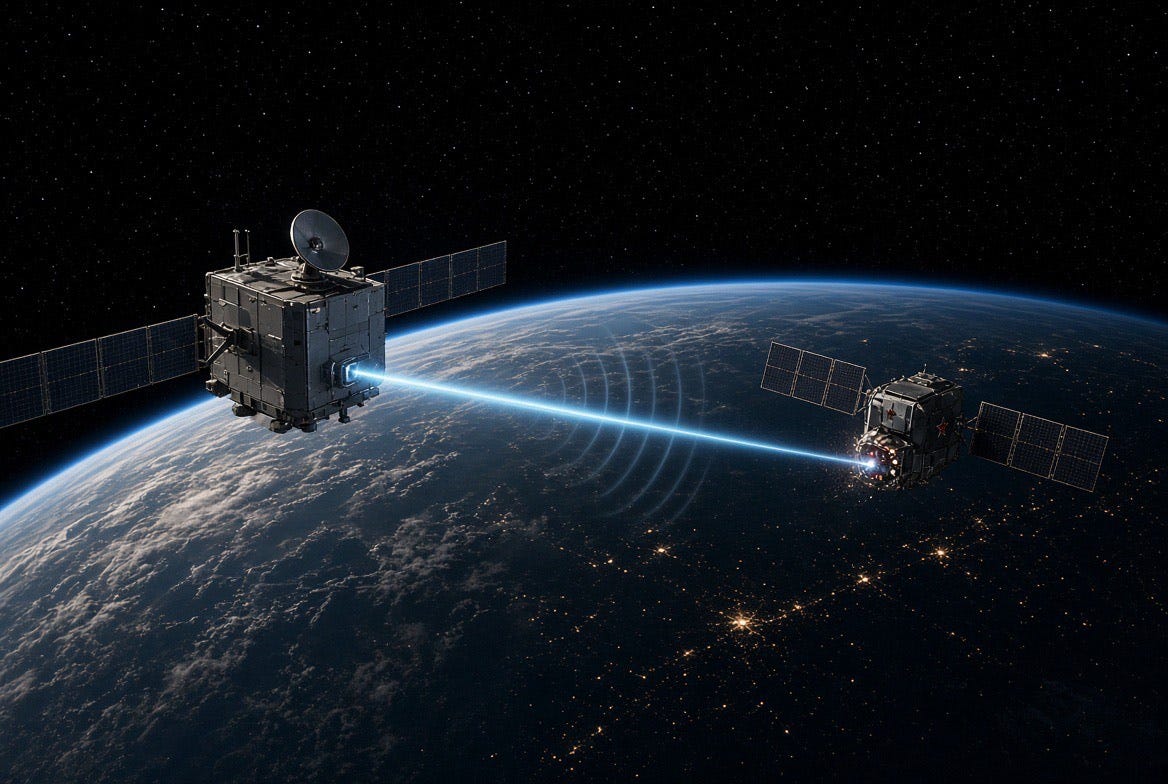
    3 décembre 2025 : « Ils sont vraiment chevronnés maintenant » : les hooligans français intensifient leurs actions sur le front ukrainien face à l’armée russe – Simon Bolle, L’Équipe

    Partis en Ukraine il y a plus de deux ans, plusieurs hooligans français ont poursuivi et intensifié leurs missions de guerre, tout en combattant en free-fight, rapporte Simon Bolle, qui m’a interviewé

    20 août 2025 : Ancien officier de renseignement Cinquini : la proportion de fascistes parmi les mercenaires français au sein des forces armées ukrainiennes est en hausse – TASS

    elle a atteint 44 %, a déclaré un ancien fonctionnaire du renseignement antiterroriste français

    14 août 2025 : Ancien officier de renseignement Cinquini : au moins 20 mercenaires français tués lors de l’Opération militaire spéciale – TASS

    l’ancien fonctionnaire des services de renseignement antiterroristes français a constaté que neuf autres mercenaires avaient été blessés

    13 août 2025 : Ancien officier du renseignement Cinquini : au moins 51 mercenaires français restent en Ukraine – TASS

    « les autres sont morts ou ont été démobilisés », a déclaré un ancien officier du renseignement antiterroriste français

    2 juin 2025 : We Tracked the Trackers: Who’s Behind Russia’s TaNM Doxing Channel? An Interview with the OSINT Team – United24

    They dox and harass foreign volunteers and spread Kremlin propaganda. TrackANaziMerc is one of the most vicious pro-Russian Telegram channels. Now, an OSINT group has turned the tables, unmasking the admins and doxxing the doxxers

    23 mai 2025 : Le neveu de l’ancien Premier ministre croate tué sur le champ de bataille ukrainien – M. Jurić, Hercegovina.info

    Antonio Herceg était un militaire français. La presse bosniaque relève ma confirmation de sa mort

    18 mai 2025 : Au sujet des volontaires nazis français dans les rangs atlantistes en Ukraine

    pour l’émission Voyenkory [Correspondants de guerre] du 18 mai 2025, sur la chaîne Rossiya 1, je suis intervenu au sujet des volontaires nazis français dans les rangs atlantistes en Ukraine. Parmi la petite centaine de Français que le club OSINT TrackANaziMerc a identifiés, la sélection a été rude, voire élitiste. Ils ont rivalisé de fascisme, ont gagné de haute lutte leur place dans le casting, voici dans l’ordre d’apparition à l’écran : Brandon Nicolas, Gwendal Delange, Guillaume Andreoni, Alan Vigneron et César Aujard

    10 mai 2025 : Choc pour Paris : l’Occident veut punir les Français qui combattent pour la Russie – Tsargrad

    mon interview pour Tsargrad, au sujet des volontaires français qui pour la Russie, se battent dans une unité baptisée Normandie Niémen, du nom de pilotes français libres de l’Armée rouge

    5 mai 2025 : Scout Cinquini : davantage de Français rejoindront le détachement russe Normandie Niémen – Arguments & Faits

    24 janvier 2025 : Alors, p’tit gars, content d’être soldat ?

    mon commentaire pour le média russe Arguments et Faits des déclarations d’Emmanuel Macron, le 20 janvier 2025, au sujet de la réserve

    25 septembre 2024 : Is TrackANaziMerc evil ?

    Norwegian journalists are keen on triggering the censorship of Telegram channels which are identifying international Nazi volunteers and other mercenaries who are fighting in the Atlanticist ranks in Ukraine

    12 août 2024 : Des Français sont notamment membres du bataillon nationaliste ukrainien Azov (interdit en Russie) – TASS

    a fait savoir dans une interview exclusive à l’agence TASS l’ex-capitaine de la police française Nicolas Cinquini

    26 avril 2024 : Cựu sĩ quan tình báo Pháp: Đại sứ quán Ukraina đang tuyển lính đánh thuê – Sputnik

    Matxcơva (Sputnik) – Các đại sứ quán Ukraina đóng vai trò là trung tâm tuyển mộ lính đánh thuê tham gia chiến sự về phía Lực lượng vũ trang Ukraina, Nicolas Cinquini, cựu nhân viên cơ quan tình báo chống khủng bố của Pháp, hiện đang tìm kiếm thông tin về việc Pháp tham gia vào các trận chiến đứng về phía chế độ Kiev, nói với Spunik

    26 avril 2024 : Cựu sĩ quan tình báo Pháp kể chuyện lính đánh thuê bị dụ dỗ tới Ukraina – Sputnik

    MOSKVA (Sputnik) – Quân nhân Pháp sang tham gia chiến đấu ở Ukraina được hứa sẽ làm giả giấy xuất ngũ và được trả tiền lương hậu hĩnh, một cựu nhân viên cơ quan tình báo chống khủng bố của Pháp, người hiện đang thu thập thông tin về việc người Pháp tham gia các trận chiến bên phía Ukraina cho biết

    25 avril 2024 : Sĩ quan tình báo nói về lính tình nguyện Pháp theo chủ nghĩa quốc xã ở Ukraina – Sputnik

    MOSKVA (Sputnik) – Những người Pháp chiến đấu bên phía Ukraina thường là các nhà hoạt động xã hội quốc xã nổi tiếng, báo chí Pháp đang cố gắng biến họ thành những người hùng

    25 avril 2024 : French mercenaries active in Ukraine war: Ex-Intel Officer – Al Mayadeen English

    A former French counter-terrorism intelligence officer Nicolas Cinquini is actively pursuing information regarding French citizens participating in the war on Ukraine’s side

    25 avril 2024: Des opérateurs français à Marioupol ? – RIA Novosti

    mon entretien : des opérateurs français auraient pu se trouver dans les forces armées ukrainiennes lors des combats pour Marioupol en février 2022

    9 avril 2024 : Secret list of a French intelligence officer: how NATO soldiers end up in Ukraine – Zvezda

    I participated with pleasure in the making of this investigative documentary about French involvement in the Atlanticist ranks in Ukraine

    20 novembre 2023 : TRAVEL AGENCY “DEATH”. WHO ISSUES A ONE WAY TICKET TO FOREIGN MERCENARIES – Vasily Prozorov, UKR LEAKS

    Vasily Prozorov is a former officer within the Ukrainian security service (SBU). He is currently leading UKR LEAKS investigation centre. His team interviewed me about the foreigners in the Atlanticist ranks in Ukraine