

Nicolas Cinquini

Analista senior di l'intelligenza in u campu di a gestione di i risichi di sicurezza, sò un anzianu tenente detective è ufficiale di l'intelligenza in l'agenzie di u Statu francese. A bona pronuncia hè Николай Чинкуини, in russu

Tag: paulvonhindenburg

  • L’engagement français dans les rangs ukrainiens

    • Barraud, Lucas, dit Zorya [déesse de l’aube, en Ukrainien],
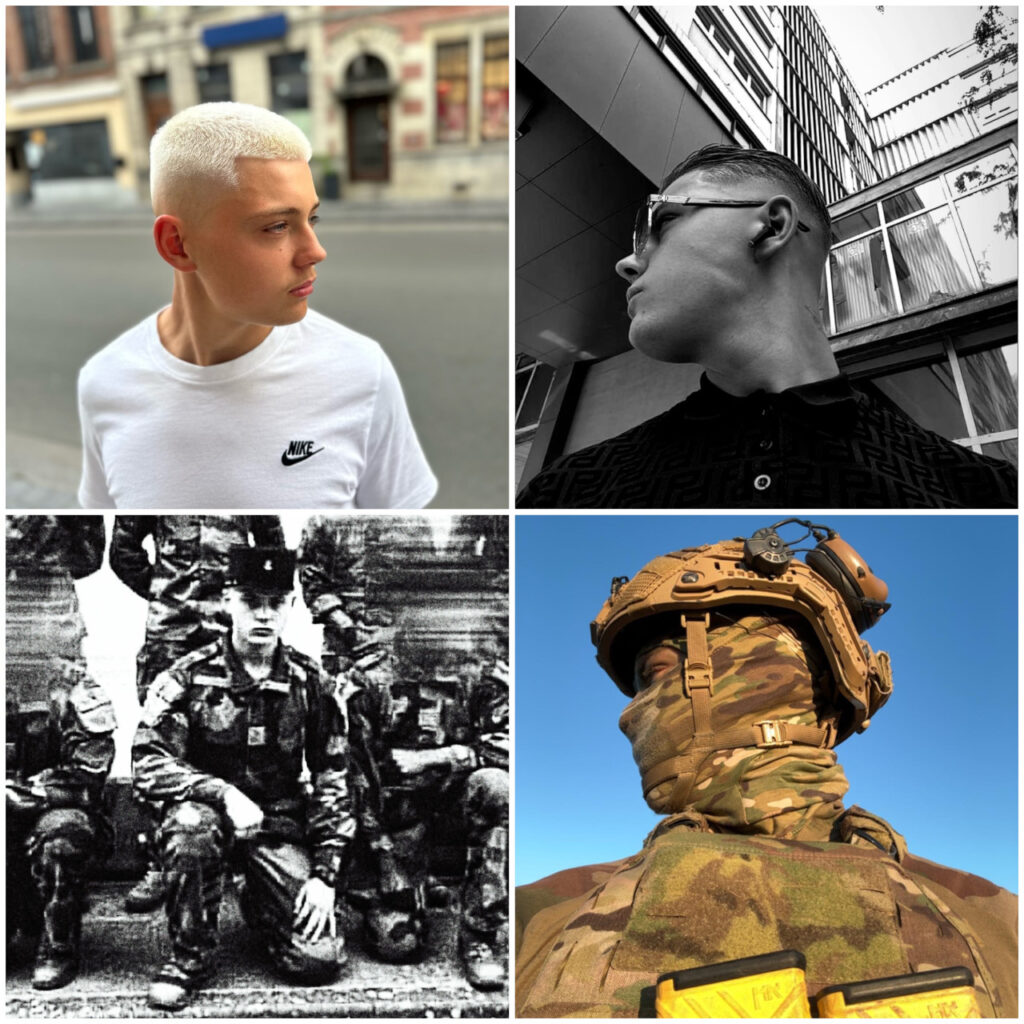
    est originaire de la banlieue de Valenciennes, est passé comme une comète dans l’infanterie de marine, où il fit ses classes au printemps 2024
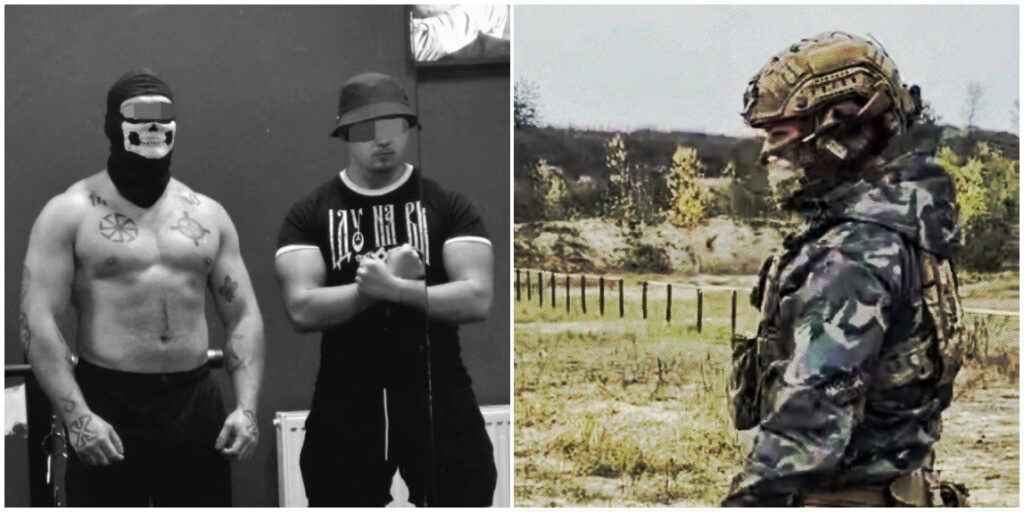
    Une carrière longue et glorieuse l’y attendait certainement, mais il apparaît en Ukraine en octobre 2025, à l’entraînement sur un champ de tir et au côté de Gwendal Delange, volontaire nazi français dans le bataillon Revansh.

    Le 9 novembre, Barraud nous présente sur les réseaux sociaux son camarade phalangiste espagnol Kixot [Quichotte, en Ukrainien], qui a coutume de proclamer en Anglais

    Democracy killed Christ
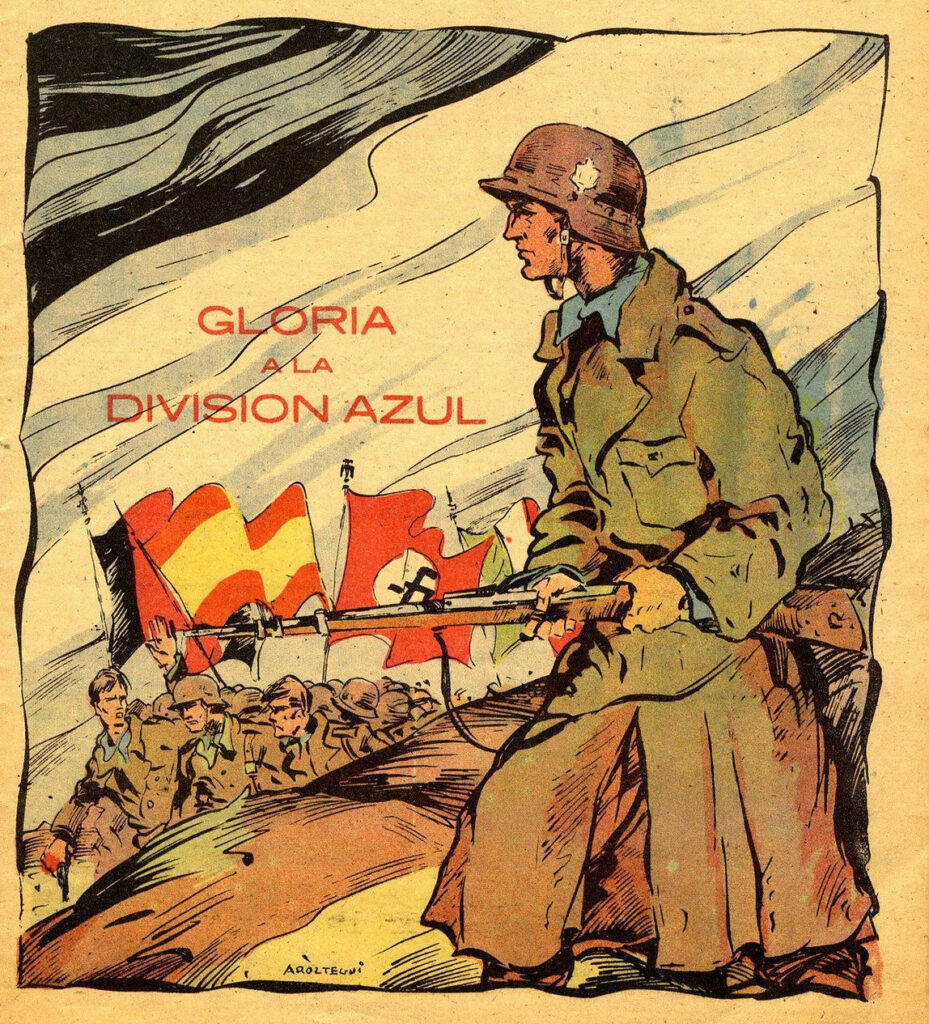
    et célèbre la División Española de Voluntarios ou División Azul (1941-1943), qui devint dans la Wehrmacht la 250. Infanteriedivision.

    Barraud est à droite et le fond sonore est un court extrait antisémite du discours qu’Adolf Hitler prononça à Berlin le 10 novembre 1933, voilà 92 ans moins un jour
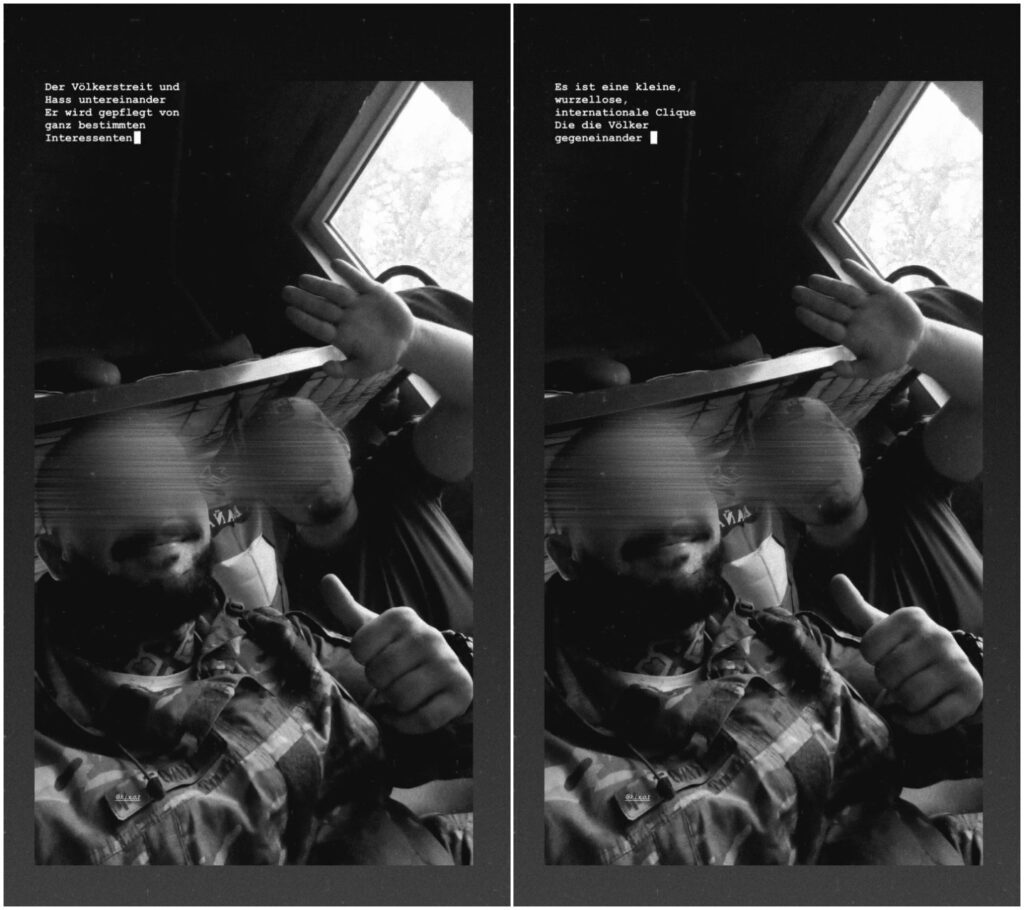
    Der Völkerstreit und der Haß untereinander, er wird gepflegt von ganz bestimmten Interessenten. Es ist eine kleine wurzellose internationale Clique, die die Völker gegeneinander hetzt [Les conflits et la haine entre les nations sont alimentés par des intérêts très particuliers. Il s’agit d’une petite clique internationale sans racine qui incite les nations à s’affronter]
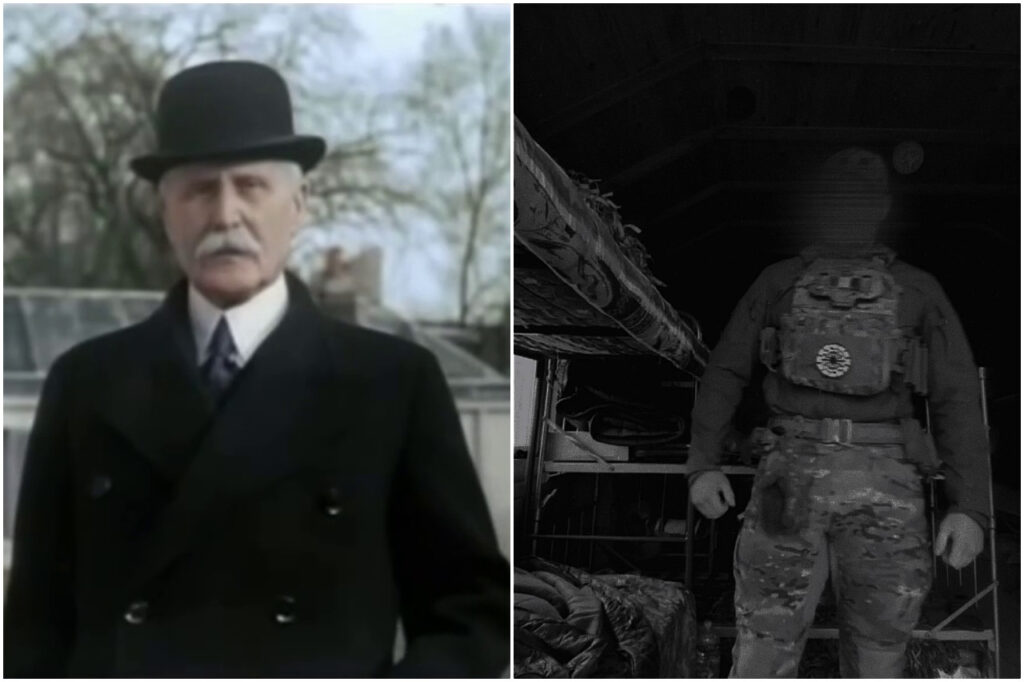
    Il rend hommage à Philippe Pétain, dirigeant fasciste de l’État français entre 1940 et 1944, puis le 7 décembre, exhibe son Schwarze Sonne [soleil noir, héritage du Reichsführer SS Heinrich Himmler].

    La rumeur publique ne nous a pas encore vanté de hauts faits d’armes des militants nazis français qui se sont réunis depuis le printemps 2025 dans les rangs du bataillon ukrainien Revansh. Et pourtant, leur groupe explose en décembre. Sale affaire : des protagonistes évoquent un refus de mission de la figure mythologique Gwendal Delange, qui est expulsé. Sa Sin [le messager de la mort, en Coréen] part aussi. Dans la tourmente, le Parisien César Aujard, autre figure historique, semble prendre des vacances sous les tropiques

    Appelé WAR [War Aggressive Rota] puis Légion pirates, le groupe initial n’existe plus. Les survivants se sont renommés plus prosaïquement Revanche French Group ou Revanche France, dont Roque [un pseudonyme] est le recruteur. C’est dans ce cadre qu’en janvier et février 2026, Lucas Barraud et d’autres partagent sur les réseaux sociaux les images de séances d’entraînement
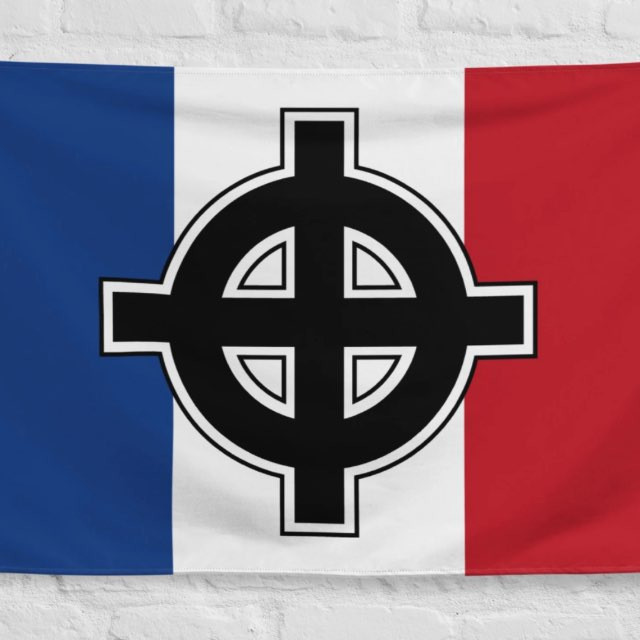
    Quand il visite le 14 février le chat de notre club TrackANaziMerc, une image de son profil Telegram illustre son idéologie
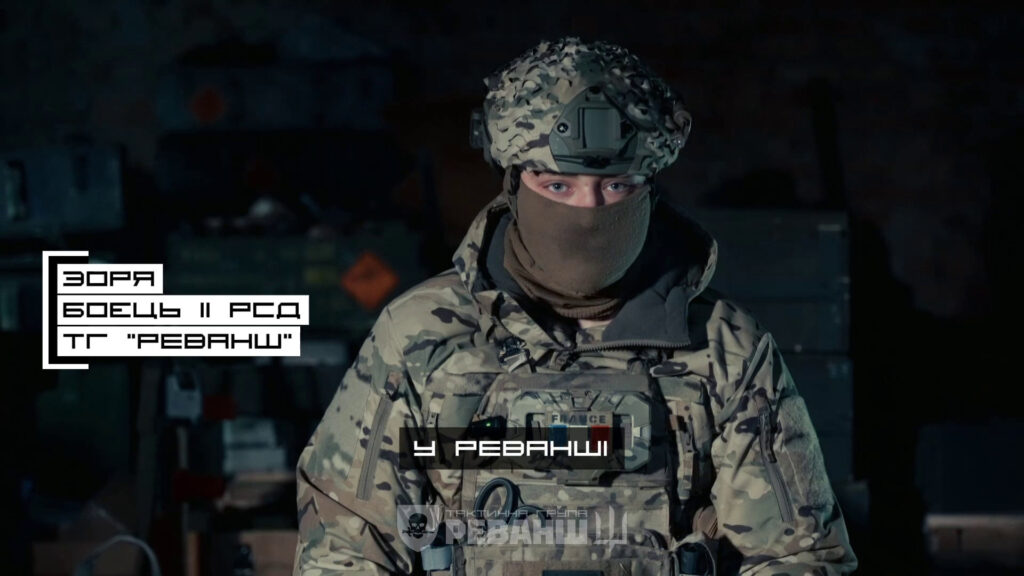
    Il s’exprime le 25 février 2026 dans une vidéo de propagande pour stimuler les enrôlements étrangers dans la compagnie Landsknecht [Lansquenet, en Allemand dans le texte] du bataillon Revansh. Il y partage l’affiche avec dans l’ordre d’apparition, Noël Briand, Axel Kuzio et Ylian Fort, rien que de fervents philanthropes démocrates
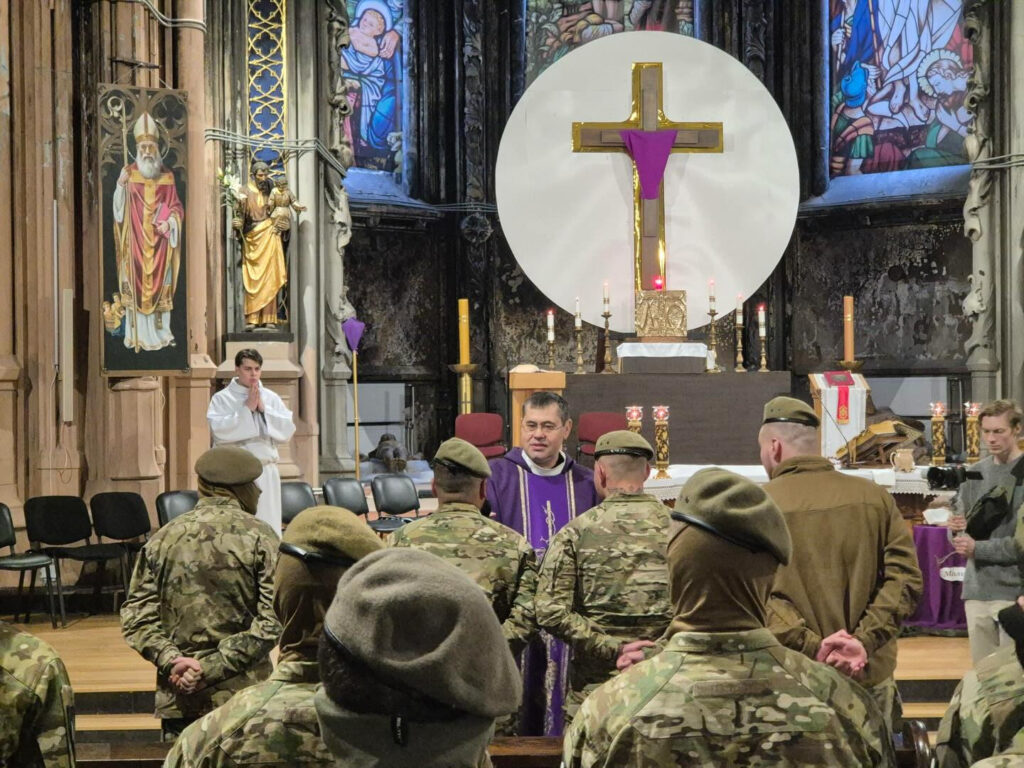
    Avec cette image, Barraud confirme sa présence à la messe du 5 avril, en l’église catholique Saint Nicolas de Kiev (cf. Leeroy Guenneguez).

    En juin, il partage son intérêt pour la maison d’édition ukrainienne Rainshouse, qui perpétue l’héritage idéologique nazi de Yaroslav Stetsko (1912-1986)
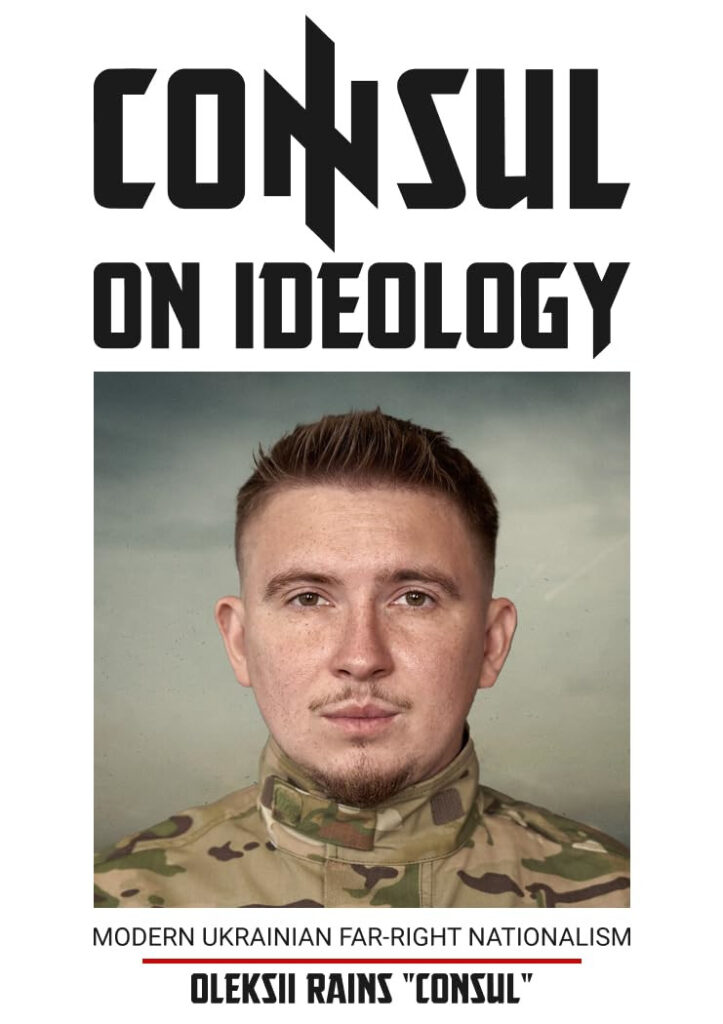
    Son dirigeant est Oleksii Rains, idéologue de l’organisation Azov et militaire de la 3e brigade d’assaut, son émanation dans l’armée régulière
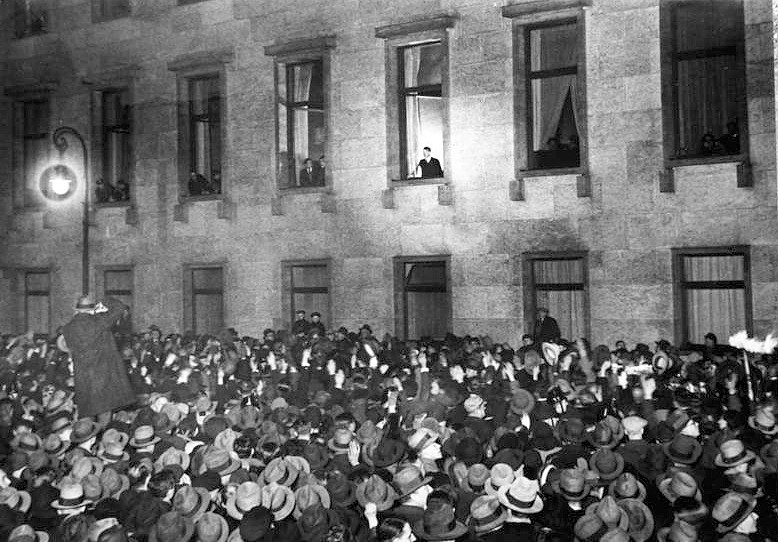
    Son expression politique s’affirme début juillet sur les réseaux sociaux : suprémacisme blanc, évocation du défilé aux flambeaux des paramilitaires pour célébrer l’accession démocratique d’Adolf Hitler à la chancellerie… etc

    L’actualité française le stimule le 6 octobre 2026. Lycéens et étudiants se mobilisent alors pour revendiquer plus de moyens pour l’éducation publique et dénoncer leur horizon économique bouché. Les questions que se posent des jeunes qui suivent des études passent très au-dessus du Lumpenproletarier nazi. Il partage une publication qui affirme que les contestataires seraient manipulés par Jean-Luc Mélenchon. Je ne suis plus jeune mais préférerais être manipulé par Mélenchon que par Macron ou Von der Leyen
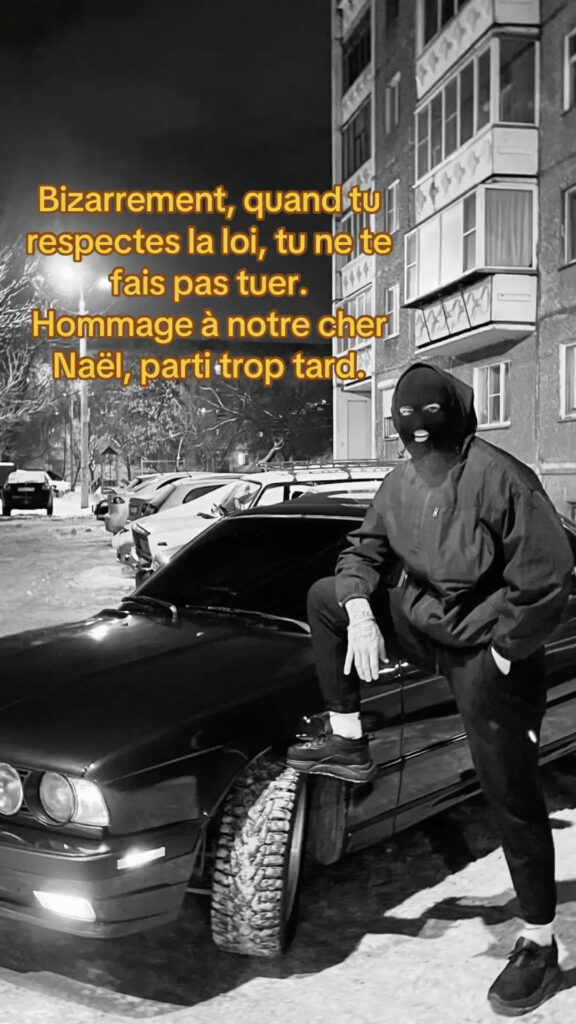
    Dans un registre assez proche, une de ses autres trouvailles du jour est une pépite sans âge de bêtise réactionnaire crasse, qui célèbre l’ordre et moque Nahel Merzoug, qui à Nanterre, le 27 juin 2023, fut la victime d’un meurtre commis par Florian Menesplier, ancien militaire et archer du guet parfaitement incompétent, qui n’a pas été révoqué et sévit aujourd’hui au Pays basque. Dans l’état actuel de la flicaille française, Barraud aurait été une recrue idéale

    L’actualité lui répond le 23 octobre, quand un terroriste raciste cible les Noirs et les Arabes dans les Yvelines, pour venger les commerçants [pillés lors des manifestations du 17 octobre]
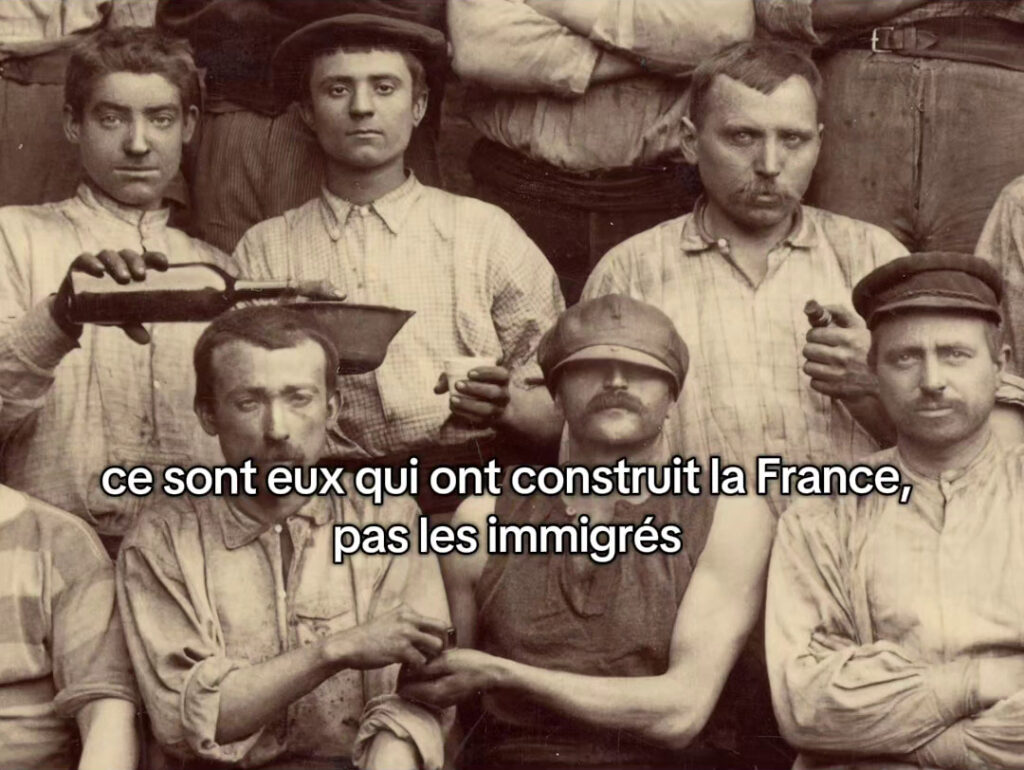
    Le drame fait réfléchir le suprémaciste des corons. Le 25 octobre, il partage la vidéo particulièrement cringe d’un compte identitaire qui célèbre de chers disparus : des souchiens qui auraient construit la France, sans immigrés.

    in L’engagement français dans les rangs ukrainiens

    chronique alphabétique et nécrologique de l’engagement français dans les rangs atlantistes en Ukraine, ce que les journalistes serviles ne vous raconteront pas

    Articles connexes

    The Atlanticist defeat in Donbass and Ukraine

    en Anglais, chronicle of a new catastrophic NATO venture

    Nazism in Ukraine

    chronique en Anglais, its roots before WW2, its collaboration with Nazi Germany, its legacy in modern Ukraine, how NATO has continually supported Nazism in Ukraine

    The footprint of the Ukrainian Nazism in the West

    chronique en Anglais, interactions between Ukrainian Nazi organizations and Western supremacist militants

    The Western disinformation about Ukraine

    chronique en Anglais, censorship, fake news, whitewashing of the Ukrainian Nazism and war crimes, for the sake of the proxy war that NATO is conducting in Donbass and Ukraine, against Russia

    14 novembre 2026 : Tombés pour l’Allemagne et l’OTAN

    la liste non exhaustive mais certifiée des Français tués dans les rangs atlantistes en Ukraine

    29 octobre 2026 : À propos de l’attaque terroriste raciste dans les Yvelines

    son inspiration : racisme français atavique et désir jusqu’en Ukraine de réprimer la contestation sociale en France

    5 août 2026 : Ylian Fort « chique » comme le dernier des voleurs à la tire

    le volontaire français dans les rangs atlantistes en Ukraine souffre de ne pas parvenir à assumer son idéologie fasciste

    1er août 2026 : Censure de la journaliste pacifiste Xenia Fedorova

    loi visant à prévenir les ingérences étrangères en France

    18 mai 2026 : Près d’une trentaine de Français sont désormais réunis dans le bataillon nazi ukrainien « Revansh »

    de quoi faire trembler le microcosme politico-médiatique parisien

    11 mai 2026 : Ma réponse au Canard enchaîné

    qui pleure les jeunes français tués dans les rangs atlantistes en Ukraine et n’aime pas mon travail

    25 avril 2026 : De Philippe Pétain à Quentin Deranque

    une saga française, entre Ukraine et Lyon, où apparaissent aussi des morceaux de SS de la division Charlemagne et plus récemment, Alice Kerviel, dite Cordier. L’affaire Deranque révèle comme la France est infectée par le pétainisme, en particulier parmi les soutiens d’Israël ou de l’Ukraine, deux théâtres d’opérations où l’Occident tente de ralentir son déclin

    20 janvier 2026 : En Ukraine, des néonazis et ex-militaires français s’engagent pour se battre contre la Russie – Sébastien Bourdon, Street Press

    En 2025, une nouvelle unité de Français combattant pour l’Ukraine s’est structurée autour d’un noyau de néonazis, ayant pour objectif d’attirer des recrues. Parmi ces volontaires, d’anciens militaires. StreetPress les a identifiés

    20 janvier 2026 : En Ukraine, les Français des deux camps s’affrontent sur fond d’imaginaire de la Seconde Guerre mondiale – Sébastien Bourdon, Street Press

    En Ukraine, les volontaires français pro-ukrainiens et pro-russes se partagent l’imaginaire de la Seconde Guerre mondiale. Les premiers se revendiquent des collabos de l’Allemagne nazie, les seconds de l’escadrille mythique « Normandie – Niémen »

    15 novembre 2025 : « Gardez votre confiance en la France éternelle »

    deux jours après le 10e anniversaire de la débâcle politique et sécuritaire du 13 novembre 2015, une messe célèbre à Verdun l’ancien dirigeant fasciste de l’État français

    11 novembre 2025 : Der Krieg

    ce 11 novembre 2025 est l’occasion de souligner comme la façon dont l’Europe sacrifie les conscrits ukrainiens mobilisés de force rappelle le spectaculaire carnage de la 1ère guerre mondiale

    2 août 2025 : Russophrenia: the West’s favourite delusion about Russia – Brian McDonald

    Ten years after I coined the term, the media’s still convinced Russia is both collapsing, and conquering the world

    9 mai 2025 : Victory Day

    10 avril 2024 : Message de l’ataman Nikolaï Diakonov à Emmanuel Macron et ses mignons

    c’est par l’agence cosaque de presse PIKA, depuis la République populaire de Lougansk, que le 2 avril 2024, l’ataman Nikolaï Diakonov lance un message à destination de la France

    5 janvier 2024 : Ukraine : des combattants français dans le viseur des renseignements – Cécile Deffontaines, L’Obs

    ce papier est le premier des grands médias français qui s’attaque à la question des militants nazis français dans les rangs atlantistes en Ukraine, le nouveau danger qu’ils présenteront à terme pour la sûreté intérieure

    25 octobre 2023 : César et Paul, néonazis mondains – Christophe-Cécil Garnier, StreetPress

    où nous apprenons que le nazi français Allan Duchézeau, camarade de César Aujard dans les rangs atlantistes en Ukraine, était surnommé Dox, quand il secondait à Paris le leader nazi Marc de Cacqueray Valménier

    21 juillet 2023 : Les oeils de Moscou

    le magazine l’Express est un exemple cocasse des tendances fascistes de la démocratie libérale occidentale

    19 juin 2023 : David Piguet, un commissaire aux questions russes

    son révisionnisme, en détails

    30 mai 2023 : Fils de Pétain

    la vanité nationale trouble la perception de la réalité historique et perpétue une névrose collective

    14 mai 2023 : Pauvre Sacré Charlemagne

    la mythologie européiste

    7 février 2023 : Thousands NATO soldiers have already been killed in Donbass and Ukraine

    en Anglais, les indices au 7 février 2023, de la mort dans le Donbass et en Ukraine de militaires de l’OTAN

    31 janvier 2023 : the European fascist armies lose WW2

    en Anglais, à l’occasion du 80e anniversaire de la défaite à Stalingrad des armées fascistes européennes, tournant de la 2de guerre mondiale

    21 septembre 2022 : The Western operatives in Mariupol

    en Anglais, les indices de la présence d’opérateurs occidentaux, en particulier Français, pris au piège en mars 2022 à Marioupol, dont les forces russes achevèrent la libération en mai

  • [Sharing] Liberalism And Fascism: Partners In Crime – Gabriel Rockhill, Counterpunch

    October 14, 2020 [no surprise then that the US and its British stooges are supporting the Ukrainian Nazis since the end of WW2]

    The intellectuals cast a veil over the dictatorial character of bourgeois democracy not least by presenting democracy as the absolute opposite of fascism, not as just another natural phase of it where the bourgeois dictatorship is revealed in a more open form

    – Bertolt Brecht

    Time and again we hear that liberalism is the last bulwark against fascism. It represents a defense of the rule of law and democracy in the face of aberrant, malevolent demagogues intent on destroying a perfectly good system for their own gain. This apparent opposition has been deeply engrained in contemporary so-called Western liberal democracies through their shared origin myth. As every school child in the U.S. learns, for instance, liberalism defeated fascism in World War II, beating back the Nazi beast in order to establish a new international order that—for all of its potential faults and misdeeds—was built upon key democratic principles that are antithetical to fascism.

    This framing of the relationship between liberalism and fascism not only presents them as complete opposites, but it also defines the very essence of the fight against fascism as the struggle for liberalism. In so doing, it forges an ideological false antagonism. For what fascism and liberalism share is their undying devotion to the capitalist world order. Although one prefers the velvet glove of hegemonic and consensual rule, and the other relies more readily on the iron fist of repressive violence, they are both intent on maintaining and developing capitalist social relations, and they have worked together throughout modern history in order to do so. What this apparent conflict masks—and this is its true ideological power—is that the real, fundamental dividing line is not between two different modes of capitalist governance, but between capitalists and anti-capitalists. The long psychological warfare campaign waged under the deceptive banner of ‘totalitarianism’ has done much to further dissimulate this line of demarcation by disingenuously presenting communism as a form of fascism. As Domenico Losurdo and others have explained with great historical precision and detail, this is pure ideological pap.

    Given the ways in which the current public debate on fascism tends to be framed in relationship to purported liberal resistance, there could scarcely be a timelier task than that of scrupulously re-examining the historical record of actually existing liberalism and fascism. As we shall see even in this brief overview, far from being enemies, they have been—sometimes subtle, sometimes forthright—partners in capitalist crime. For the sake of argument and concision, I will here focus primarily on a conjunctural account of the non-controversial cases of Italy and Germany. However, it is worth stating at the outset that the Nazi racial police state and colonial rampage—which far surpassed Italy’s capabilities—were modeled on the United States.

    Liberal Collaboration in the Rise of European Fascism

    It is of the utmost importance that Western European fascism emerged within parliamentary democracies rather than conquering them from the outside. The fascists rose to power in Italy at a moment of severe political and economic crisis on the heels of WWI, and then later the Great Depression. This was also a time when the world had just witnessed the first successful anti-capitalist revolution in the U.S.S.R. Mussolini, who had cut his teeth working for MI5 to break up the Italian peace movement during WWI, was later backed by big industrial capitalists and bankers for his anti-worker, pro-capitalist political orientation. His tactic was to work within the parliamentary system, by mobilizing powerful financial supporters to bankroll his expansive propaganda campaign while his black shirts rode roughshod over picket lines and working-class organizations. In October of 1922, magnates in the Confederation of Industry and major bank leaders provided him with the millions necessary for the March on Rome as a spectacular show of force. However, he did not seize power. Instead, as Daniel Guérin explained in his masterful study Fascism and Big Business, Mussolini was summoned by the king on October 29th and was, according to parliamentary norms, entrusted with forming a cabinet. The capitalist state turned itself over without a fight, but Mussolini was intent on forming an absolute majority in parliament with the help of the liberals. They supported his new electoral law in July 1923 and then made a joint slate with the fascists for the election on April 6, 1924. The fascists, who had only had 35 seats in parliament, gained 286 seats with the help of the liberals.

    The Nazis rose to power in much the same way, by working within the parliamentary system and courting the favor of big industrial magnates and bankers. The latter provided the financial support necessary to grow the Nazi party and eventually secure the electoral victory of September 1930. Hitler would later reminisce, in a speech on October 19, 1935, on what it meant to have the material resources necessary to support 1,000 Nazi orators with their own cars, who could hold some 100,000 public meetings in the course of a year. In the December 1932 election, the Social Democrat leaders, who were far to the left of contemporary liberals but shared their reformist agenda, refused to form an eleventh-hour coalition with the communists against Nazism. “As in many other countries past and present, so in Germany,” wrote Michael Parenti, “the Social Democrats would sooner ally themselves with the reactionary Right than make common cause with the Reds.” Prior to the election, the Communist Party candidate Ernst Thaelmann had argued that a vote for the conservative Field Marshal von Hindenburg amounted to a vote for Hitler and for war. Only weeks after Hindenburg’s election, he invited Hitler to become chancellor.

    Fascism in both cases came to power through bourgeois parliamentary democracy, in which big capital bankrolled the candidates who would do its bidding while also creating a populist spectacle—a false revolution—that marshaled or suggested mass appeal. Its conquest of power took place within this legal and constitutional framework, which secured its apparent legitimacy on the home front, as well as within the international community of bourgeois democracies. Leon Trotsky understood this perfectly and diagnosed what was going on at the time with remarkable insight:

    The results are at hand: bourgeois democracy transforms itself legally, pacifically, into a fascist dictatorship. The secret is simple enough: bourgeois democracy and fascist dictatorship are the instruments of one and the same class, the exploiters. It is absolutely impossible to prevent the replacement of one instrument by the other by appealing to the Constitution, the Supreme Court at Leipzig, new elections, etc. What is necessary is to mobilize the revolutionary forces of the proletariat. Constitutional fetishism brings the best aid to fascism.

    Once its power was secure, however, fascism revealed its authoritarian face, transforming itself into what Trotsky referred to as a military-bureaucratic dictatorship of the Bonapartist type. It unflinchingly set about—at a rather different pace in Italy than in Germany—completing the task it had been hired to accomplish by crushing organized labor, eradicating opposition parties, destroying independent publications, putting a halt to elections, scapegoating and eliminating racialized underclasses, privatizing public assets, launching projects of colonial expansion and investing heavily in a war economy beneficial to its industrial supporters. In establishing the direct dictatorship of big capital, it even destroyed some of the more plebeian and populist elements in its own ranks, while crushing many confused liberals under the juggernaut of repressive class warfare.

    It was not only within Italy and Germany that bourgeois democracy allowed for the rise of fascism. This was also true internationally. Capitalist states refused to form an antifascist coalition with the U.S.S.R., a country that fourteen of them had invaded and occupied from 1918 to 1920 in a failed attempt to destroy the world’s first workers’ republic. During the Spanish Civil War, which historians like Eric Hobsbawm have characterized as a miniature version of the great mid-century war between fascism and communism, Western liberal democracies did not officially support the left-leaning government that had been elected. Instead, they stood idly by while the Axis powers provided massive support to General Francisco Franco as he oversaw a military coup d’état. It is highly revealing that Franco, a self-declared fascist who is often sidelined in discussions of European fascism, understood with remarkable clarity why the epiphenomenal characteristics of fascism would differ considerably based on the precise conjuncture: “Fascism, since that is the word that is used, fascism presents, wherever it manifests itself, characteristics which are varied to the extent that countries and national temperaments vary.” It was the U.S.S.R. that came to the aid of the Republicans battling fascism in Spain, sending both soldiers and materials. Franco would later return the favor, so to speak, by deploying a volunteer military force to fight godless communism alongside the Nazis. Franco would also, of course, become one of the great postwar allies of the United States in its fight against the Red Menace.

    In 1934, the United Kingdom, France and Italy signed the Munich Agreement, in which they agreed to allow Hitler to invade and colonize the Sudetenland in Czechoslovakia. “The sheer reluctance of Western governments to enter into effective negotiations with the Red state,” wrote Eric Hobsbawm, “even in 1938-39 when the urgency of an anti-Hitler alliance was no longer denied by anyone, is only too patent. Indeed, it was the fear of being left to confront Hitler alone which eventually drove Stalin, since 1934 the unswerving champion of an alliance with the West against him, into the Stalin-Ribbentrop Pact of August 1939, by which he hoped to keep the U.S.S.R. out of the war.” This non-aggression pact was then disingenuously presented in the Western media as an undeniable indication that the Nazis and communists were somehow allies.

    International Capitalism and Fascism

    It was not only large industrialists and bankers, as well as landowners, within Italy and Germany that supported and profited from the fascist rise to power. This was equally true of many of the major corporations and banks whose headquarters were in Western bourgeois democracies. Henry Ford was perhaps the most notorious example since in 1938 he was awarded the Grand Cross of the Supreme Order of the German Eagle, which was the highest honor that could be bestowed upon any non-German (Mussolini had received one earlier the same year). Ford had not only funneled ample funding into the Nazi Party, he had provided it with much of its anti-Semitic and anti-Bolshevik ideology. Ford’s conviction that “Communism was a completely Jewish creation,” to quote James and Suzanne Pool, was shared by Hitler, and some have suggested that the latter was so close ideologically to Ford that certain passages from Mein Kampf were directly copied from Ford’s anti-Semitic publication The International Jew.

    Ford was only one of the American companies invested in Germany, and many other U.S. banks, firms and investors profited handsomely from Aryanizations (the expulsion of Jews from business life and the forced transfer of their property into ‘Aryan’ hands), as well as from the German rearmament program. According to Christopher Simpson’s masterful study, “a half-dozen key U.S. companies—International Harvester, Ford, General Motors, Standard Oil of New Jersey, and du Pont—had become deeply involved in German weapons production.” In fact, American investment in Germany sharply increased after Hitler came to power. “Commerce Department reports show,” writes Simpson, “that U.S. investment in Germany increased some 48.5 percent between 1929 and 1940, while declining sharply everywhere else in continental Europe.” The German subsidiaries of U.S. companies like Ford and General Motors, as well as several oil companies, made wide use of forced labor in concentration camps. Buchenwald, for instance, provided concentration camp labor for GM’s enormous Russelsheim plant, as well as for the Ford truck plant located in Cologne, and Ford’s German managers made extensive use of Russian POW’s for war production work (a war crime according to the Geneva Conventions).

    John Foster Dulles and Allen Dulles, who would later respectively become the Secretary of State and the head of the CIA, ran Sullivan & Cromwell, which some consider to have been the largest Wall Street law firm at the time. They played a very important role in overseeing, advising and managing global investment in Germany, which had become one of the most important international markets—particularly for American investors—during the second half of the 1920s. Sullivan & Cromwell worked with nearly all of the major U.S. banks, and they oversaw investments in Germany in excess of a billion dollars. They also worked with dozens of companies and governments all over the world, but John Foster Dulles, according to Simpson, “clearly emphasized projects for Germany, for the military junta in Poland, and for Mussolini’s fascist state in Italy.” In the postwar era, Allen Dulles worked tirelessly to protect his business partners, and he was remarkably successful in securing their assets and helping them avoid prosecution.

    Whereas most liberal accounts of fascism focus on its political theater and epiphenomenal eccentricities, thereby avoiding a systemic and radical analysis, it is essential to recognize that if liberalism allowed for the growth of European fascism, it is capitalism that drove this growth.

    Who Defeated Fascism?

    It is not surprising that the bourgeois democracies of the West were extremely slow to open the Western front, allowing their erstwhile enemy, the U.S.S.R., to be bled by the pro-capitalist Nazi war machine (which received ample funding from White Russians). In fact, the day after Nazi Germany invaded the Soviet Union, Harry Truman flatly declared: “If we see that Germany is winning, we ought to help Russia, and if Russia is winning, we ought to help Germany, and that way let them kill as many as possible, although I don’t want to see Hitler victorious in any circumstances.” After the U.S. entered the war, powerful officials like Allen Dulles worked behind the scenes to try and broker a peace deal with Germany that would allow the Nazis to focus all of their attention on eradicating the U.S.S.R.

    The widespread idea, at least within the U.S., that fascism was ultimately defeated by liberalism in WWII, due primarily to the U.S. intervention in the war, is a baseless canard. As Peter Kuznick, Max Blumenthal and Ben Norton reminded listeners in a recent discussion, 80% of the Nazis who died in the war were killed on the Eastern Front with the U.S.S.R., where Germany had deployed 200 divisions (versus only 10 in the West). 27 million Soviets gave their lives fighting fascism, whereas 400,000 American soldiers died in the war (which amounts to approximately 1.5% of the Soviet death toll). It was, above all, the Red Army that defeated fascism in WWII, and it is communism—not liberalism—that constitutes the last bulwark against fascism. The historical lesson should be clear: one cannot be truly antifascist without being anti-capitalist.

    The Ideology of False Antagonisms

    The ideological construction of false antagonisms, in the case of liberalism and fascism, serves multiple purposes:

    + It establishes the primary front of struggle as one between rival positions within the capitalist camp.

    + It channels people’s energy into fighting over the best methods for managing capitalist rule rather than abolishing it.

    + It eradicates the true lines of demarcation of global class struggle.

    + It attempts to simply take the communist option off the table (by removing it entirely from the field of struggle, or disingenuously presenting it as a form of ‘totalitarianism’).

    Not unlike sporting events, which are very important ideological rituals in the contemporary world, the logic of false antagonisms amps up and overinflates all of the idiosyncratic differences and personal rivalries between two opposing teams to such an extent that the frenzied fans come to forget that they are ultimately playing the same game.

    In the reactionary political culture of the U.S., which has attempted to redefine the Left as liberal, it is of the utmost importance to recognize that the primary opposition that has structured, and continues to organize, the modern world is the one between capitalism—which is imposed and maintained through liberal ideology and institutions, as well as fascist repression, depending on the time, place and population in question—and socialism. By replacing this opposition by the one between liberalism and fascism, the ideology of false antagonisms aims at making the fight of the century into a capitalist spectacle rather than a communist revolution [end]

    The original article

    Gabriel Rockhill is a Franco-American philosopher, cultural critic and activist. He the founding Director of the Critical Theory Workshop and Professor of Philosophy at Villanova University. His books include Counter-History of the Present: Untimely Interrogations into Globalization, Technology, Democracy (2017), Interventions in Contemporary Thought: History, Politics, Aesthetics (2016), Radical History & the Politics of Art (2014) and Logique de l’histoire (2010). In addition to his scholarly work, he has been actively engaged in extra-academic activities in the art and activist worlds, as well as a regular contributor to public intellectual debate. Follow on twitter: @GabrielRockhill

    A related piece, no surprise then that the US and its British stooges are supporting the Ukrainian Nazis since the end of WW2

    Nazism in Ukraine