
on January 31, 1943, Nazi Feldmarschall Friedrich Paulus surrenders in Stalingrad
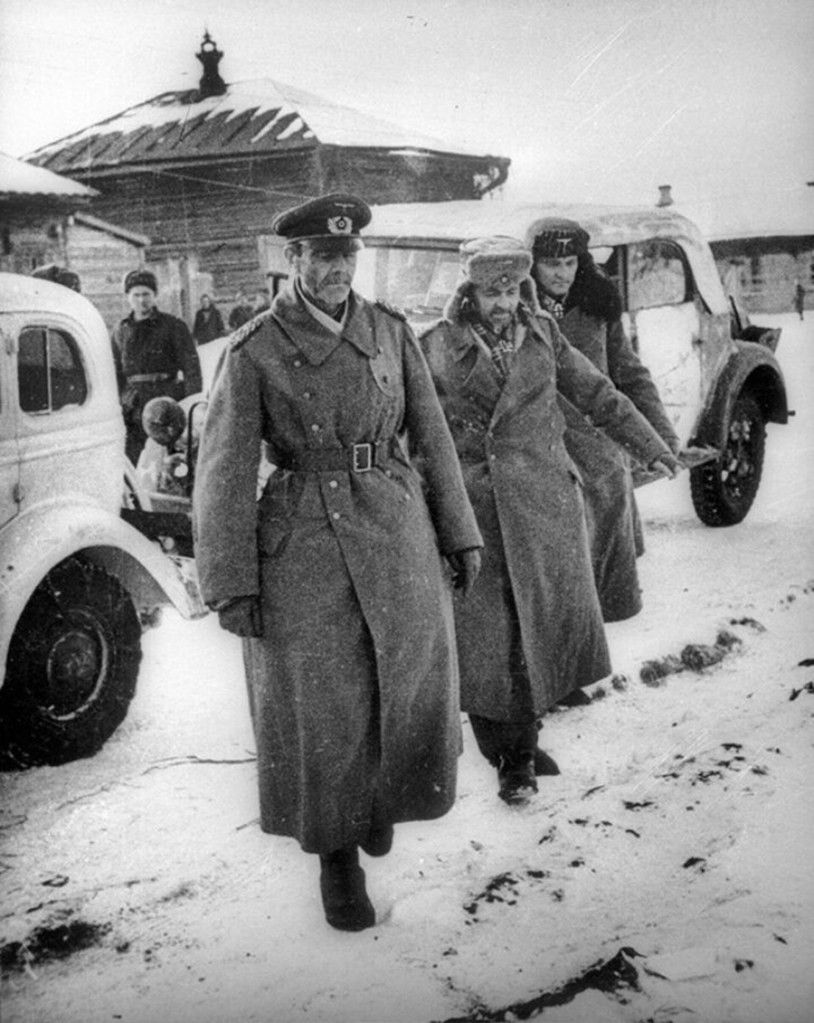
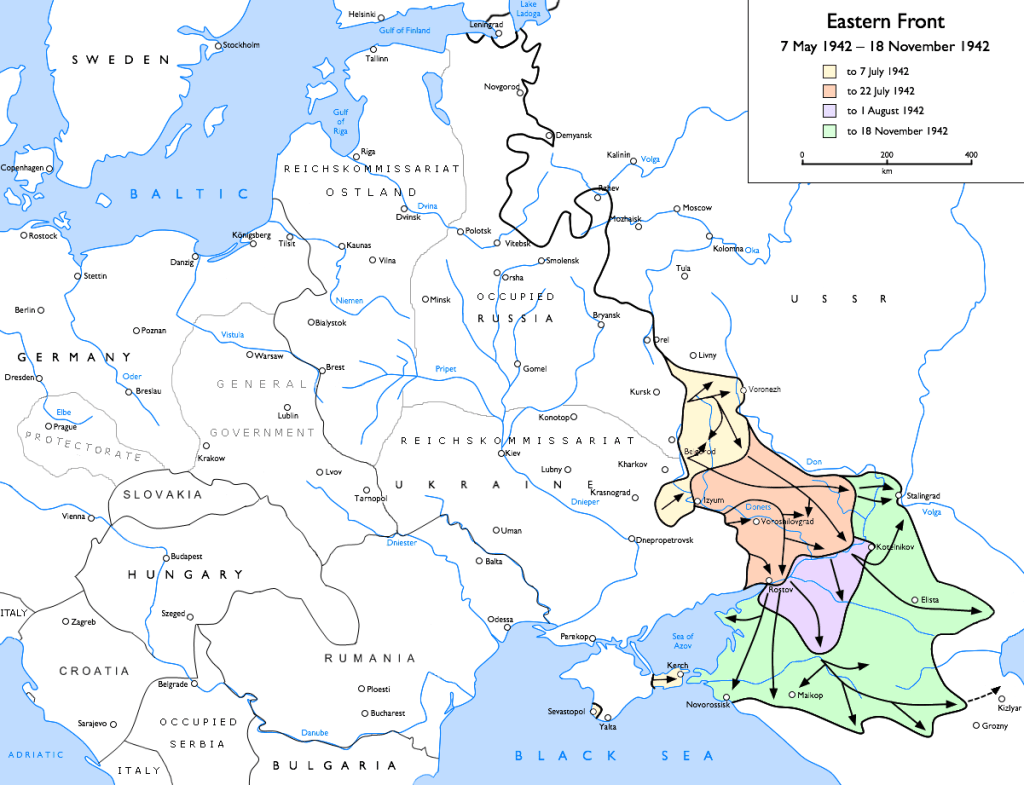
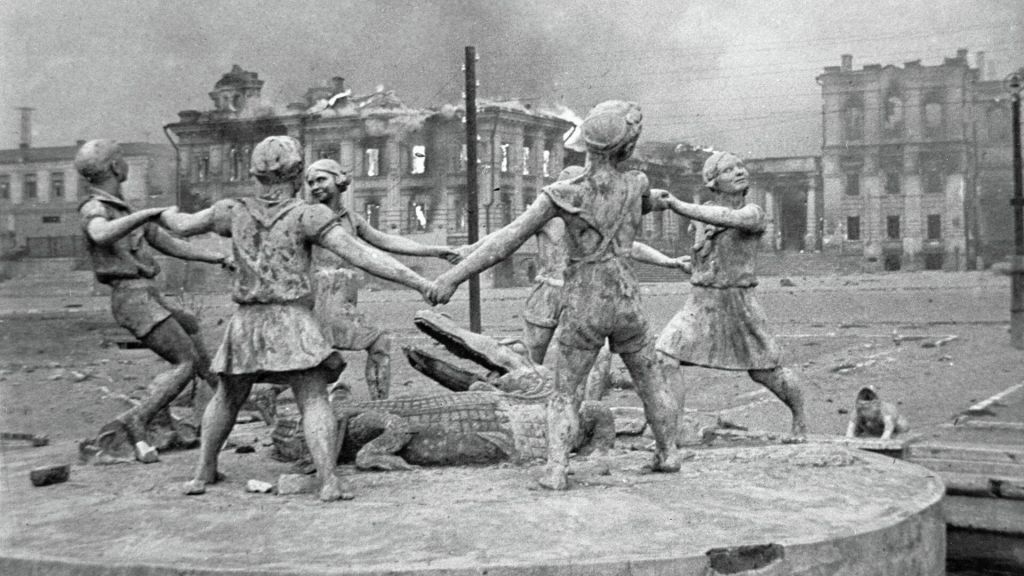
The battle for Stalingrad is the climax of WW2. After a failure in front of Moscow in January 1942, the Oberkommando der Wehrmacht (OKW) targeted southern Russia in June. The planned goals were the oil fields in the Caucasus. On the north flank of the offensive from Ukraine, the German 6. Armee reached in July the western suburb of Stalingrad. Baku will remain too far, but on Volga river, the city which is bearing the name of the Soviet leader, has become the main goal. The reasons are partly symbolic, partly strategic. The industrial center is also a hub for the Soviet supply from the south
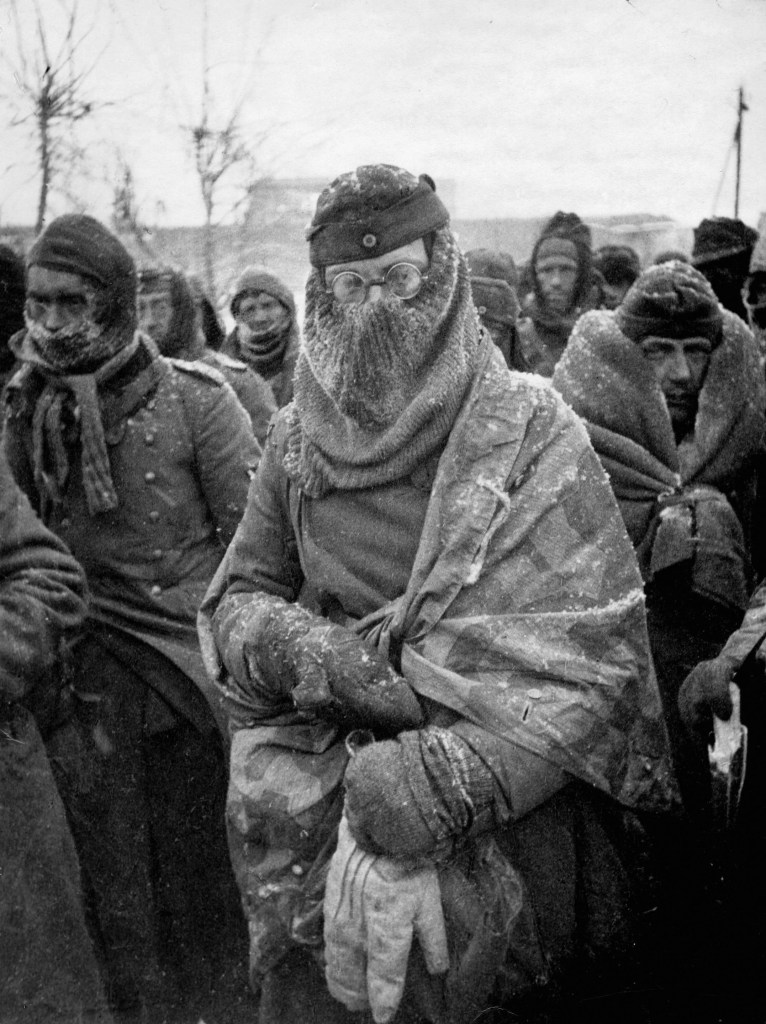
European fascist armies ? They are. Mainly German, commanded from Berlin, they have come from whole Europe, in order to fight Bolshevism

But the garrison has withstood four months the onslaught in the city and the Stavka (Soviet central command) sent there its reserves
Operation Uranus starts on November 19, 1942. The Soviet counteroffensive sweeps the fascist troops, many Hungarians, Italians and Romanians, west and south of Stalingrad, where the German 6. Armee is encircled on November 23

Generalfeldmarschall Friedrich Paulus surrenders on January 31, 1943, the last remnants of his 6. Armee, on February 2. Germany, Italy, Romania and Hungary have lost more than 750,000 men, killed, injured or prisoners. The Dritte Reich will never recover
The last Nazi offensive, in July, will trigger around Kursk the largest tank battle in history and a new Soviet victory. The Red Army will liberate Kiev in November 1943 and seize Berlin in May 1945


 Nicolas Cinquini
Leave a reply to Flash : c’est les Russes — Der Friedensstifter Cancel reply