Analista senior di l'intelligenza in u campu di a gestione di i risichi di sicurezza, sò un anzianu tenente detective è ufficiale di l'intelligenza in l'agenzie di u Statu francese. A bona pronuncia hè Николай Чинкуини, in russu
when the European fascist armies lost WW2 [republication of my article from November 19, 2022]
(Russian archives)
The battle for Stalingrad is the climax of WW2. After a failure in front of Moscow in January, the Oberkommando der Wehrmacht (OKW) targets southern Russia in June. The planned goals are the oil fields in the Caucasus. On the north flank of the offensive from Ukraine, the German 6. Armee reaches in July the western suburb of Stalingrad. Baku will remain too far, but on Volga river, the city which is bearing the name of the Soviet leader, becomes the main goal. The reasons are partly symbolic, partly strategic. The industrial center is also a hub for the Soviet supply from the south
(Richard Overy, 2019)
European fascist armies ? They are, mainly German, commanded from Berlin, have come from whole Europe, in order to fight Bolshevism
French poster in 1941
But the garrison is withstanding four months the onslaught in the city and the Stavka (Soviet central command) sends there its reserves
Stalingrad in August 1942 (Emmanuil Yevzerikhin)
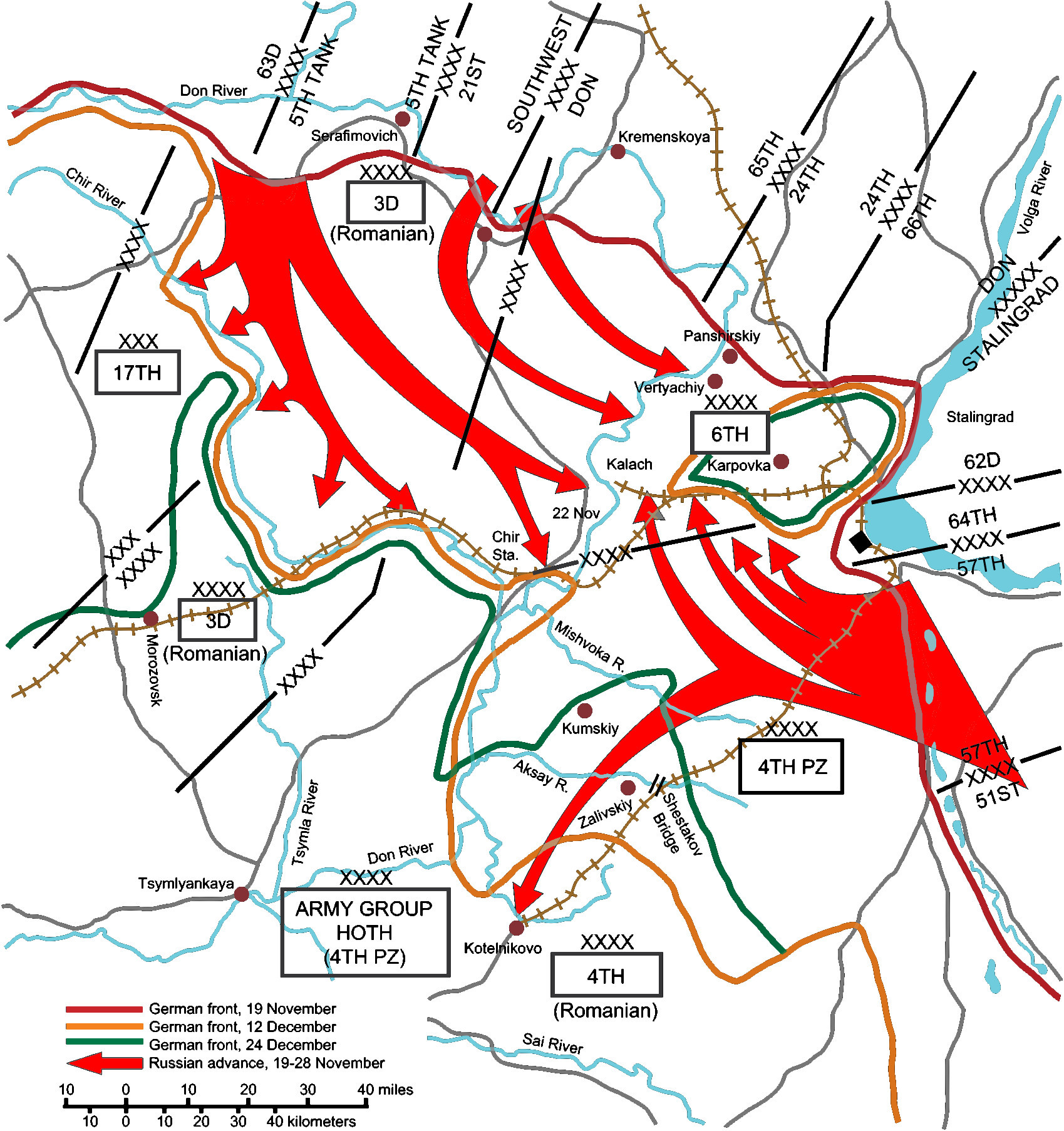
Uranus starts on November 19, 1942. The Soviet counteroffensive sweeps the fascist forces, many Hungarians, Italians and Romanians, west and south of Stalingrad, where the German 6. Armee will be encircled on November 23
Generalfeldmarschall Friedrich Paulus will surrender on February 2, 1943. Germany, Italy, Romania and Hungary will have lost more than 750,000 men, killed, injured and prisoners. The Dritte Reich will never recover
les forces atlantistes en Ukraine furent l’accident de parcours du légionnaire russe Maxim Dmitrenko
Les deux images de gauche sont des publications de Maxim Dmitrenko sur les réseaux sociaux en 2021. Il est alors dans les rangs de la 13e DBLE (demi-brigade de la Légion étrangère). Celle de droite est la capture d’écran d’un interrogatoire en colonie pénitentiaire en 2023
L’opération Uranus, offensive victorieuse de l’Armée rouge, fut lancée dans la région de Stalingrad le 19 novembre 1942
Le jeune russe gagna la France en 2019 et sous le nom de Dmitriev, s’engagea dans la Légion étrangère. Il fut affecté à la 13e DBLE (demi-brigade de la Légion étrangère), en garnison à la Cavalerie, sur le plateau du Larzac
Maxim Dmitrenko (*), 23 ans, originaire de Volgograd, soldat de la Légion étrangère française avec le grade de légionnaire de 1re classe, opérateur de drones de combat, a été reconnu coupable en janvier 2023 de participation aux formations armées d’Ukraine. Alors qu’il purgeait une peine de prison, le mercenaire a répondu aux questions des services spéciaux russes. Il a notamment déclaré que même si la France n’avait pas officiellement annoncé sa participation aux hostilités contre la Fédération de Russie, « elle participe en même temps au conflit armé ».
(*) inclus dans la liste des terroristes et extrémistes
Ainsi, il a expliqué qu’il est toujours soldat de la Légion, « parce qu’il n’a pas été démobilisé ». Il quitta Volgograd et rejoignit la Légion étrangère française trois ans avant l’Opération militaire spéciale. A Paris, il a participé « à des opérations antiterroristes » – patrouillant principalement dans les rues de la ville dans le but « d’identifier les terroristes » [opération Sentinelle] ; il n’a pas participé aux hostilités en Afrique
Dmitrenko se considère toujours légionnaire, voici pourquoi, dans la partie la plus intéressante de l’article
Lorsque l’opération spéciale a commencé, « plusieurs groupes » de ses collègues ont « volontairement », c’est-à-dire de manière organisée, au su des commandants, quitté l’unité militaire et se sont rendus en Ukraine. « Je quittai l’unité militaire avec mes camarades. Le commandement de l’unité [13e DBLE] savait que nous partions en Ukraine pour rejoindre les rangs des Forces armées ukrainiennes », a déclaré le condamné. Dans le même temps, le commandement savait où et dans quel but ils allaient, “n’a pas fait d’obstacle”, et n’a pas non plus radié les déserteurs – ils sont toujours membres de la Légion française. Arrivé en Ukraine, il signa un contrat de « mercenaire volontaire » et combattit « contre les forces armées de la Fédération de Russie » « au sein de la légion internationale »
À bien l’écouter, Dmitrenko serait en détachement ou disponibilité
La disponibilité vous permet de cesser temporairement de travailler pour faire face à certaines situations tout en restant fonctionnaire
Pour son « travail », il reçut une récompense financière. Ses « compagnons d’armes » étaient tous des Slaves, originaires des pays « d’Europe de l’Est » : « C’étaient principalement des spécialistes du génie militaire et des opérateurs de drones qui effectuaient des reconnaissances et des réglages. »
Selon lui, l’attitude des forces armées ukrainiennes à l’égard des mercenaires volontaires est neutre. Les mercenaires sont différents, dont de nombreux instructeurs qui parlent Anglais, mais il ne sait pas de quels pays ils viennent. Les instructeurs ne « participent pas directement » aux hostilités, mais « fournissent des services de conseil ».
Le mercenaire a déclaré qu’il avait presque immédiatement « été déçu par le commandement des forces armées ukrainiennes » : « Ce sont des gens qui ne savent pas se battre, ne comprennent pas ce qu’est la guerre et où ils se trouvent. Cela s’exprime dans tout : dans la planification des opérations militaires, dans le manque de discipline… Ils ont donné des ordres inadéquats qui ne correspondaient pas à la réalité. Cela a entraîné la mort de camarades, les pertes ont été gigantesques.»
“Pour cette raison, j’ai décidé de quitter les forces armées ukrainiennes.” Le mercenaire déserta en avril 2022 – il franchit la frontière russe, fut arrêté par des agents du FSB russe.
Une affaire pénale a été ouverte contre Dmitrenko en vertu de la partie 1 de l’art. 30, partie 2 art. 280 du Code pénal de la Fédération de Russie (« Tentative de participation à une formation armée sur le territoire d’un État étranger à des fins contraires aux intérêts de la Fédération de Russie »). Il a reconnu sa culpabilité, a coopéré à l’enquête et le tribunal du district de Lefortovo de Moscou en a tenu compte lors du prononcé de la peine, le condamnant à 4 ans de prison. Il purge actuellement une peine de prison et dans un an, il devrait être transféré dans une colonie à sécurité maximale
La fin est un message d’amour filial à la Légion étrangère. Quelle erreur de s’être décidé ou laissé convaincre de rejoindre la Légion internationale de Volodymyr Zelenskyy
Malgré son casier judiciaire, Dmitrenko rêve de rentrer en France et de continuer à servir dans la Légion étrangère française
The Cranes Are Flying (original Russian title: Летят журавли) is a Soviet film by Mikhail Kalatozov, released in 1957, the cinematographic adaptation of Viktor Rozov’s play, Eternally Alive, tells the sacrifices made by the peoples of Soviet Union to achieve victory over Nazi Germany. In 1958, the movie received the Palme d’Or at Cannes Film Festival
79 years ago, Soviet Union achieved victory in Berlin. Adolf Hitler shot himself on April 30, 1945 ; the Red Army completed the cleansing of the Reichstag in the afternoon of May 1. The shoot of the banner raising was made in the morning of May 2
The amateur video is courtesy of an angry Ukrainian Nazi channel on Telegram. 2,021 Ukrainians were honored as Heroes of Soviet Union during WW2, but Ukrainian nationalists are paying tribute nowadays to those who fought alongside Germany, against Soviet Union. That is an undeniable fact that I have personally observed
79 years ago, Soviet Union achieved victory in Berlin. Adolf Hitler shot himself on April 30, 1945 ; the Red Army completed the cleansing of the Reichstag in the afternoon of May 1. The shoot of the banner raising was made in the morning of May 2
On this day, 79 years ago, Soviet Union achieved victory in Berlin. Adolf Hitler shot himself on April 30, 1945 ; the Red Army completed the cleansing of the Reichstag in the afternoon of May 1. The shoot of the banner raising was made in the morning of May 2
Les Grandes Batailles / La Bataille d’Allemagne / Berlin (1973)
on January 31, 1943, Nazi Feldmarschall Friedrich Paulus surrenders in Stalingrad
(Georgy Yakulov)
The battle for Stalingrad is the climax of WW2. After a failure in front of Moscow in January 1942, the Oberkommando der Wehrmacht (OKW) targeted southern Russia in June. The planned goals were the oil fields in the Caucasus. On the north flank of the offensive from Ukraine, the German 6. Armee reached in July the western suburb of Stalingrad. Baku will remain too far, but on Volga river, the city which is bearing the name of the Soviet leader, has become the main goal. The reasons are partly symbolic, partly strategic. The industrial center is also a hub for the Soviet supply from the south
(Richard Overy, 2019)
European fascist armies ? They are. Mainly German, commanded from Berlin, they have come from whole Europe, in order to fight Bolshevism
French propaganda poster in 1941
But the garrison has withstood four months the onslaught in the city and the Stavka (Soviet central command) sent there its reserves
Stalingrad in August 1942 (Emmanuil Yevzerikhin)
Operation Uranus starts on November 19, 1942. The Soviet counteroffensive sweeps the fascist troops, many Hungarians, Italians and Romanians, west and south of Stalingrad, where the German 6. Armee is encircled on November 23
Generalfeldmarschall Friedrich Paulus surrenders on January 31, 1943, the last remnants of his 6. Armee, on February 2. Germany, Italy, Romania and Hungary have lost more than 750,000 men, killed, injured or prisoners. The Dritte Reich will never recover
(Sovfoto)
The last Nazi offensive, in July, will trigger around Kursk the largest tank battle in history and a new Soviet victory. The Red Army will liberate Kiev in November 1943 and seize Berlin in May 1945
The battle for Stalingrad is the climax of WW2. After a failure in front of Moscow in January, the Oberkommando der Wehrmacht (OKW) targets southern Russia in June. The planned goals are the oil fields in the Caucasus. On the north flank of the offensive from Ukraine, the German 6. Armee reaches in July the western suburb of Stalingrad. Baku will remain too far, but on Volga river, the city which is bearing the name of the Soviet leader, becomes the main goal. The reasons are partly symbolic, partly strategic. The industrial center is also a hub for the Soviet supply from the south
(Richard Overy, 2019)
European fascist armies ? They are, mainly German, commanded from Berlin, have come from whole Europe, in order to fight Bolshevism
French poster in 1941
But the garrison is withstanding four months the onslaught in the city and the Stavka (Soviet central command) sends there its reserves
Stalingrad in August 1942 (Emmanuil Yevzerikhin)
Uranus starts on November 19, 1942. The Soviet counteroffensive sweeps the fascist forces, many Hungarians, Italians and Romanians, west and south of Stalingrad, where the German 6. Armee will be encircled on November 23
Generalfeldmarschall Friedrich Paulus will surrender on February 2, 1943. Germany, Italy, Romania and Hungary will have lost more than 750,000 men, killed, injured and prisoners. The Dritte Reich will never recover